Mae Hong Son Loop: The Ultimate 5-Day Motorbike Itinerary

The Mae Hong Son Loop is one of Southeast Asia’s most iconic road trips. A journey through Northern Thailand’s mountainous backcountry, it delivers an intoxicating mix of tight switchbacks, remote villages, misty valleys, and cultural depth that feels worlds away from the country’s busy tourist hubs. Whether you’re a seasoned motorcyclist chasing perfect roads or a traveler seeking a slower, more immersive way to experience Thailand, the Mae Hong Son Loop offers something truly special.

In this guide, we’ll walk you through the ultimate 5-day Mae Hong Son Loop itinerary, drawing on our own experience riding the loop, blending practical advice with personal insight. Five days strikes the perfect balance - long enough to savour the riding, the towns, and the detours, but not so long that the journey feels stretched or repetitive.

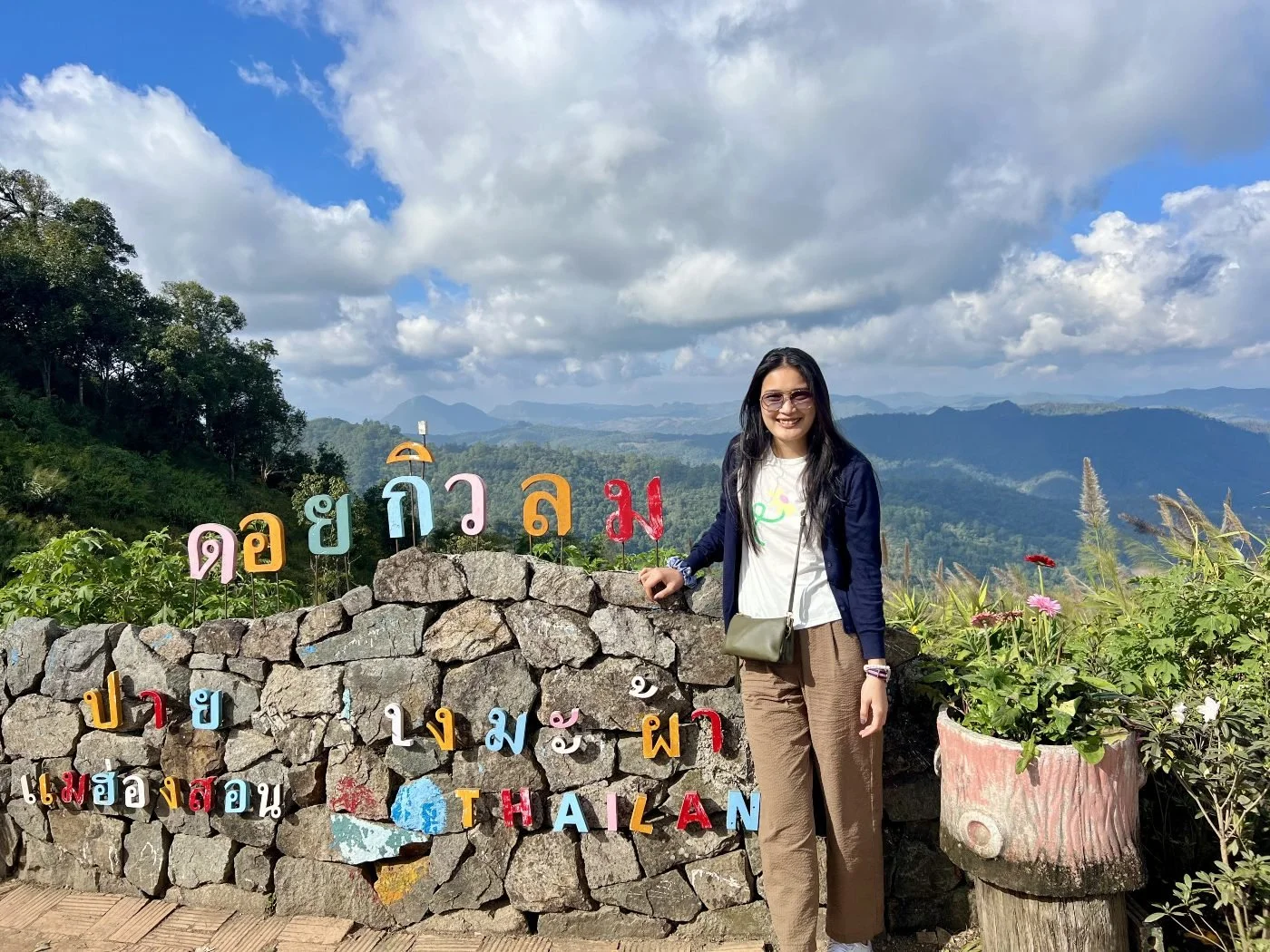
Mae Hong Son Loop - Scenic Viewpoint

Mae Hong Son Loop

Mae Hong Son Loop - Countryside

Mae Hong Son Loop

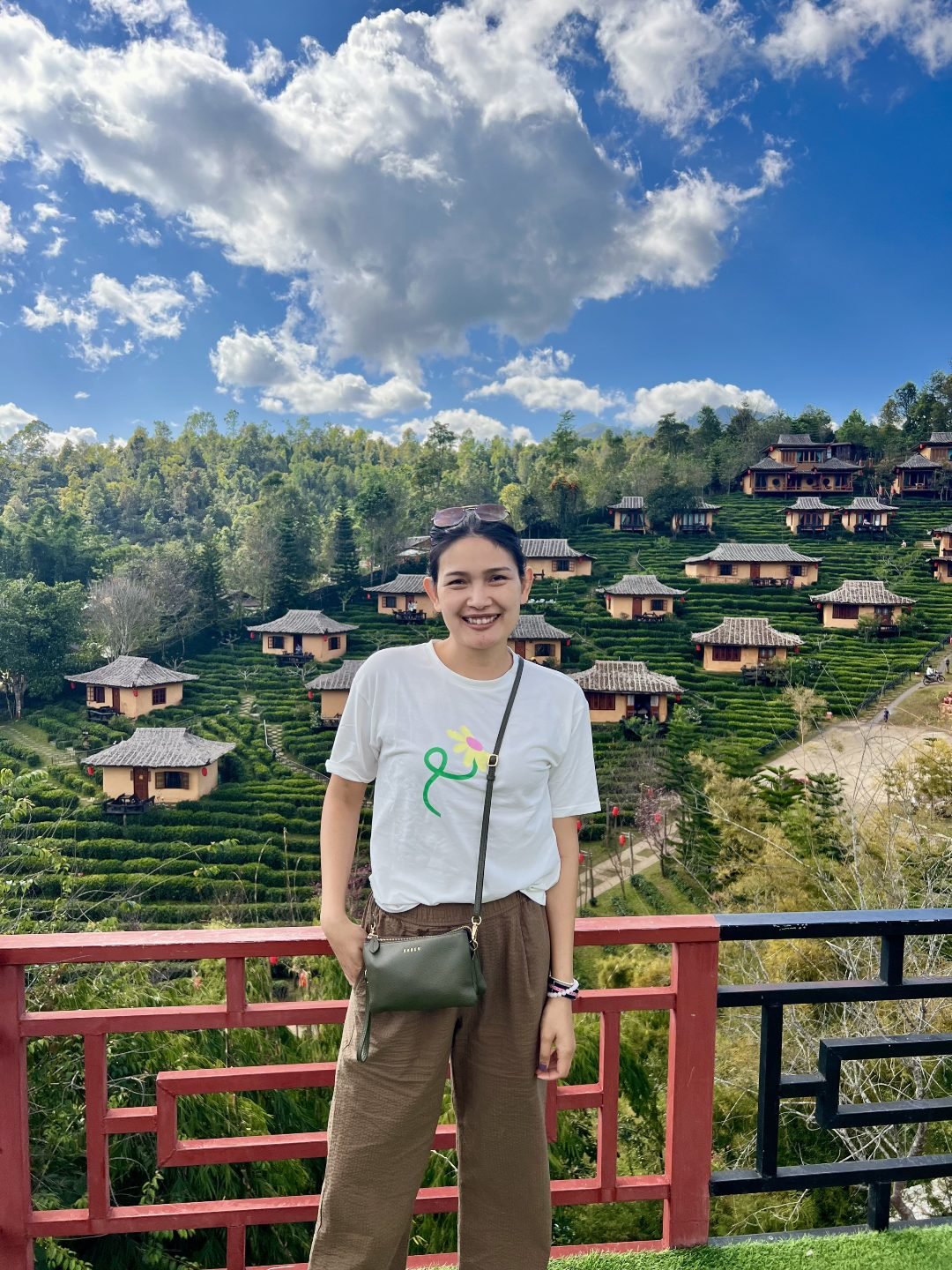
Mae Hong Son Loop - Chinese Tea Plantations

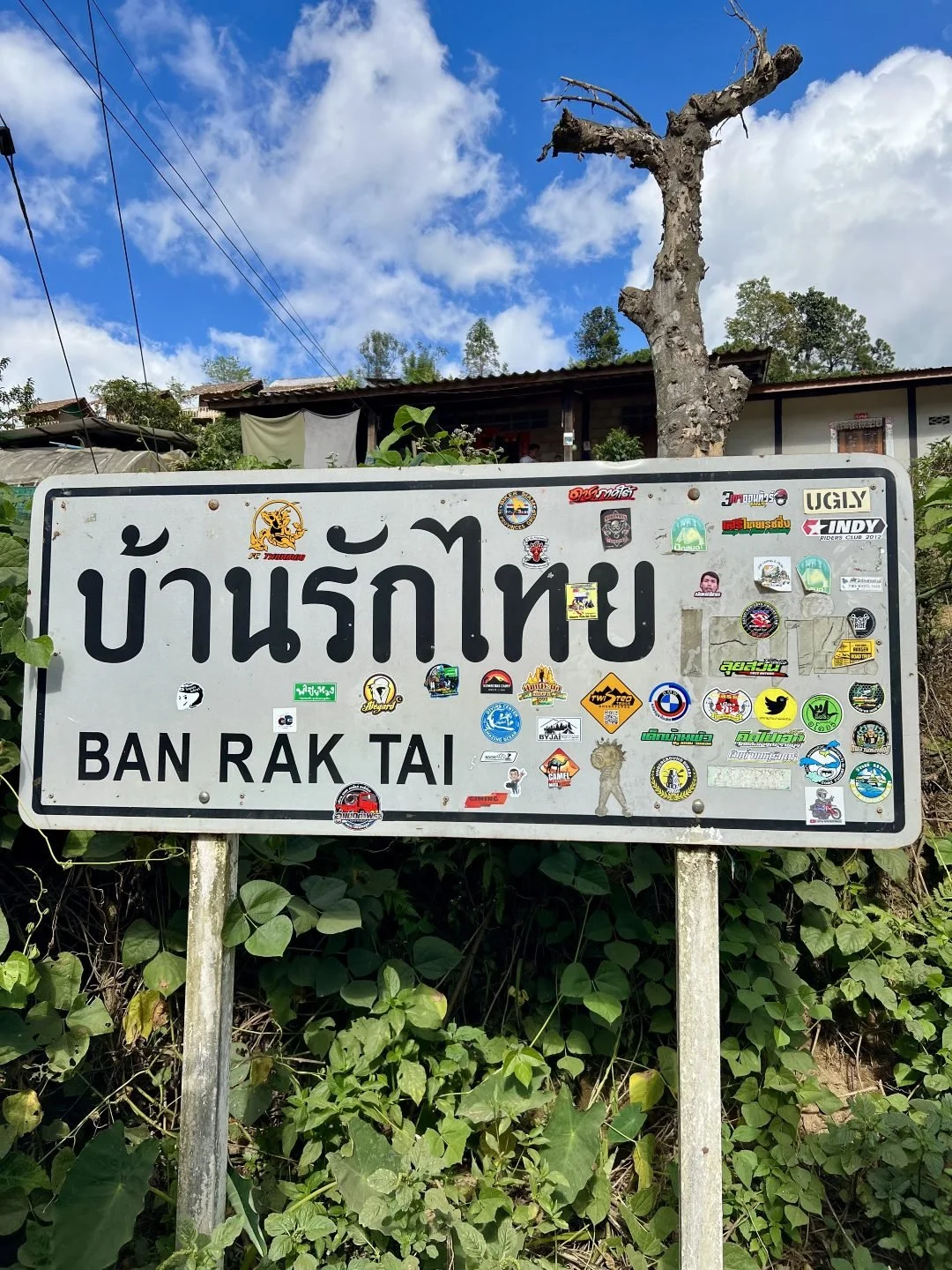
Ban Rak Thai

What is the Mae Hong Son Loop?

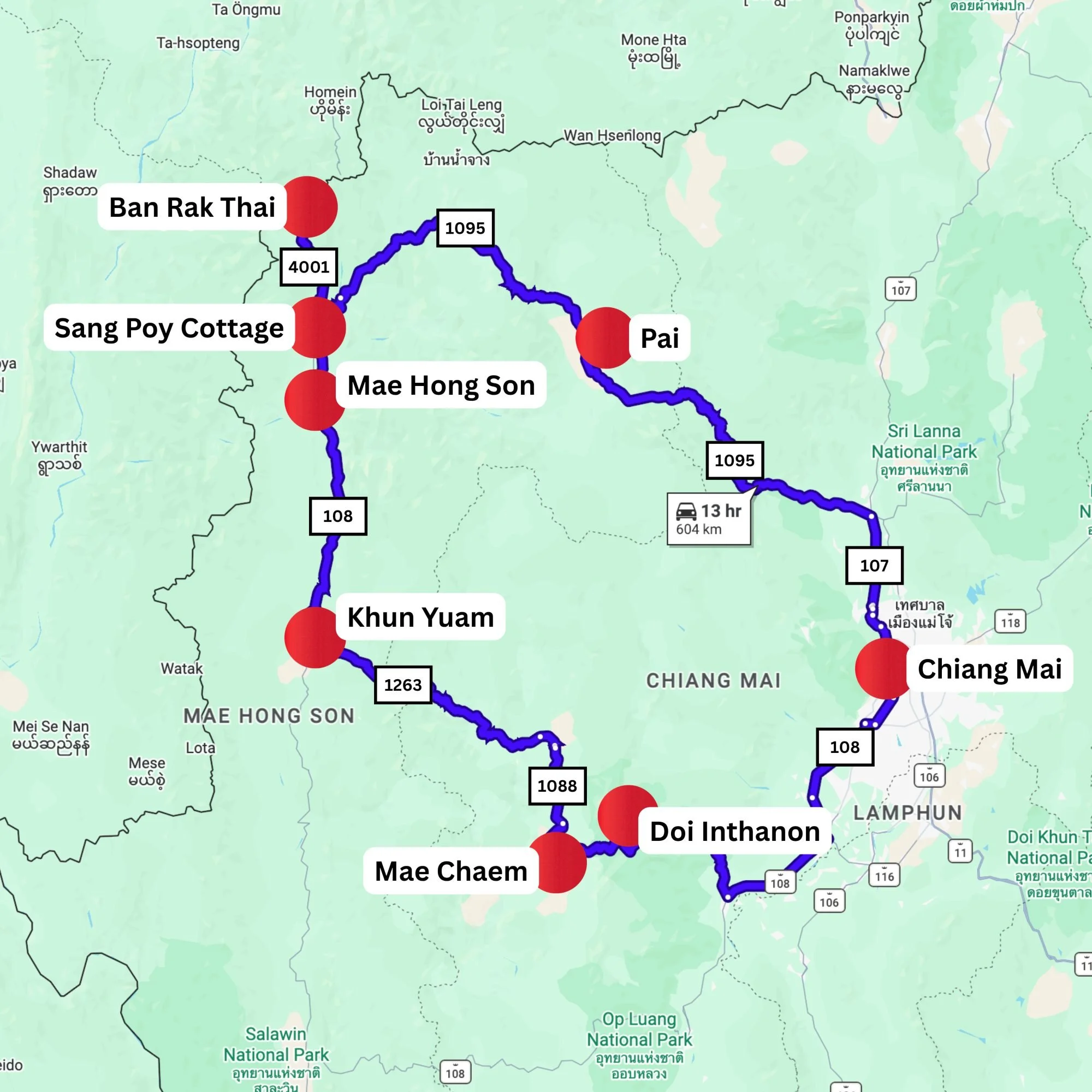
The Mae Hong Son Loop is a circular route in Northern Thailand, typically starting and ending in Chiang Mai. It winds through the provinces of Mae Hong Son and parts of Chiang Mai Province, covering roughly 600 kilometres depending on the route and detours you choose. Along the way, you’ll ride through mountain passes, dense jungle, river valleys, and small towns where life still moves at a gentler pace.

For motorcycle enthusiasts, this loop is legendary. Thousands of curves - some estimates put it at over 1,800 - snake their way through steep terrain, offering constant visual stimulus and variety. The roads are well maintained, the scenery is ever-changing, and every day on the bike feels different from the last.

However, you don’t need to be obsessed with motorcycles to appreciate the quiet villages, hill-tribe communities, waterfalls, temples, and markets scattered along the route. Many people complete the loop by car or van, but there’s no denying that two wheels heightens the sense of freedom and connection to the landscape.

Routes and Direction

Most travelers ride the Mae Hong Son Loop clockwise, beginning in Chiang Mai and heading south toward Mae Sariang before looping west to Mae Hong Son town, continuing north to Pai, and finally riding east back to Chiang Mai. This is the most common approach and makes logistical sense for many people, as it gradually builds in intensity and finishes with a lively stay in Pai before returning to familiar ground. For first-time riders, the clockwise direction can feel like a steady introduction to the terrain before tackling the tighter mountain roads later in the trip.

We chose to ride the loop anticlockwise, starting strong with the Chiang Mai-Pai section and maintaining that momentum throughout the journey. This meant tackling one of the most technical and exhilarating stretches early on, while we were fresh and focused. From there, the ride unfolded at a more relaxed pace as we moved deeper into Mae Hong Son Province. We thoroughly enjoyed this direction, but the truth is that both options work well - it ultimately comes down to personal preference, riding confidence, and how many days you have available.

Beyond the main route, one of the great strengths of the Mae Hong Son Loop is its flexibility. There are several detours and variations that can dramatically enhance the experience, even though they aren’t always technically part of the loop itself. Popular additions include a side trip to Doi Inthanon National Park, home to Thailand’s highest peak and cooler alpine scenery, as well as a detour to Ban Rak Thai, a Chinese-influenced village near the Myanmar border known for its tea plantations and lakeside setting.

In addition to these well-known stops, smaller backroads lead to hidden waterfalls, hill-tribe villages, and quiet rural landscapes that see very few visitors. While these routes may add distance or time, they often deliver some of the most memorable moments of the journey.

Mae Hong Son Loop - Mountain Views

Mae Hong Son Loop

Mae Hong Son Loop - Motorbike Trip

Mae Hong Son Loop

Mae Hong Son Loop - Souvenir Shop
Roadside souvenir shop

Why 5 Days Is Better Than 4

Four days on the Mae Hong Son Loop is certainly doable, but it often feels rushed. With such a tight schedule, you’ll spend long hours in the saddle each day, arriving in towns late in the afternoon with little energy left to explore. Spontaneous detours, longer lunch stops, or unplanned viewpoints tend to get sacrificed in favour of simply making it to the next overnight stop.

A five-day itinerary transforms the experience. The extra day creates a noticeably more relaxed pace, reducing riding fatigue and allowing you to enjoy the loop as a journey rather than a race. Daily distances become more manageable and there’s time to properly absorb the places you’re passing through instead of just driving past them. With five days, you can comfortably:

  • Keep riding days shorter and more enjoyable

  • Spend two nights in Pai, rather than treating it as a quick overnight stop

  • Visit Ban Rak Thai without feeling pressured to rush back to the road

  • Explore Doi Inthanon National Park properly, instead of squeezing it in as a brief photo stop

Pai, in particular, benefits enormously from an extra night. On a four-day schedule, Pai is often reduced to little more than an evening and a quick morning, leaving no real time to enjoy its hot springs, viewpoints, waterfalls, or relaxed bohemian atmosphere. With two nights, you can slow down - take a short hike, explore the surrounding countryside, or simply enjoy the rhythm of the town without watching the clock.

The same applies to Mae Hong Son town. As the provincial capital, it offers a lot. Temples around the town, the peaceful Pang Ung reservoir, and nearby cultural stops like Ban Rak Thai all warrant more than a quick stopover. A five-day itinerary allows you to explore these areas thoughtfully, rather than treating Mae Hong Son town as just another waypoint.

Our Experience on the Mae Hong Son Loop

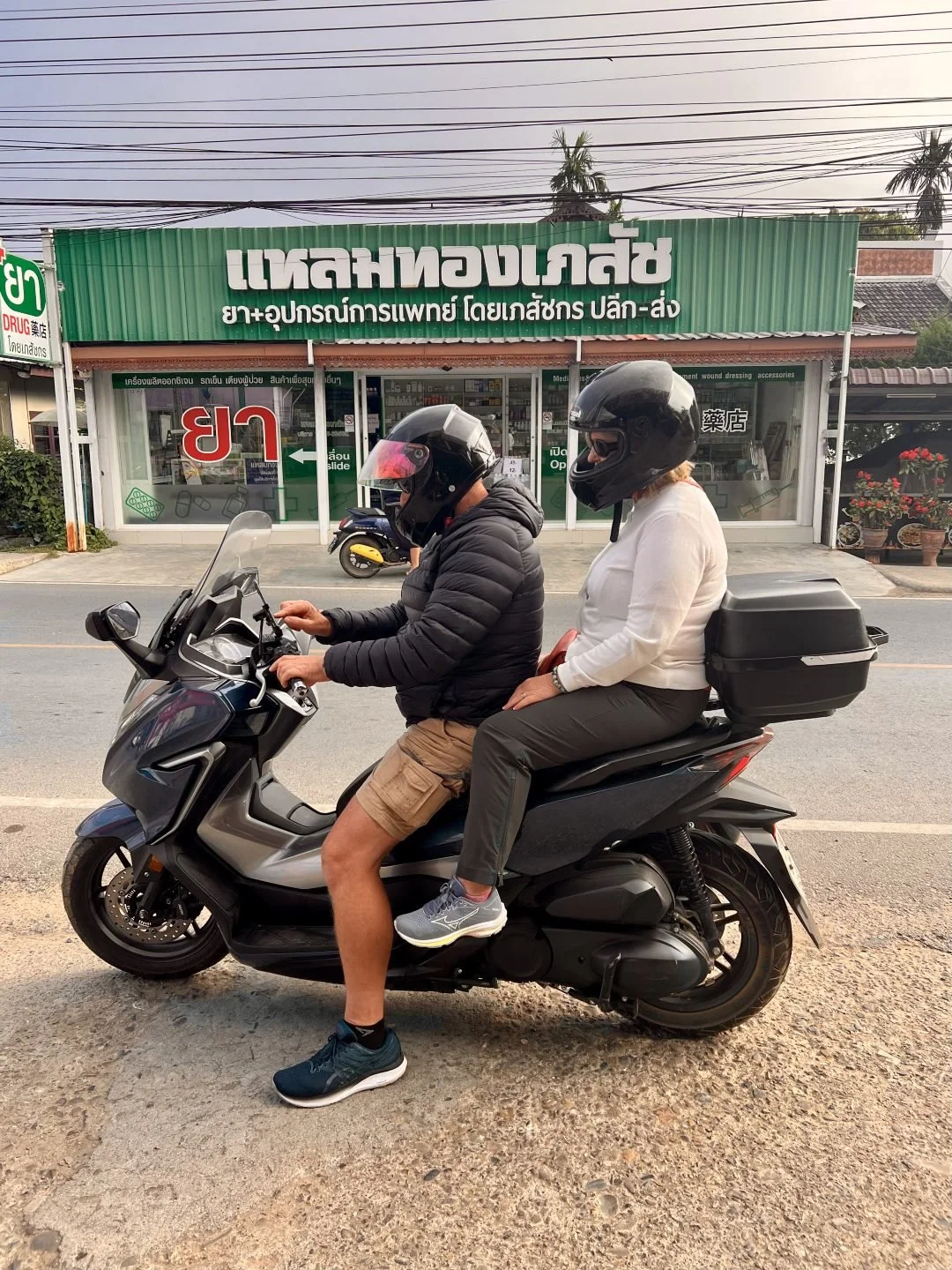
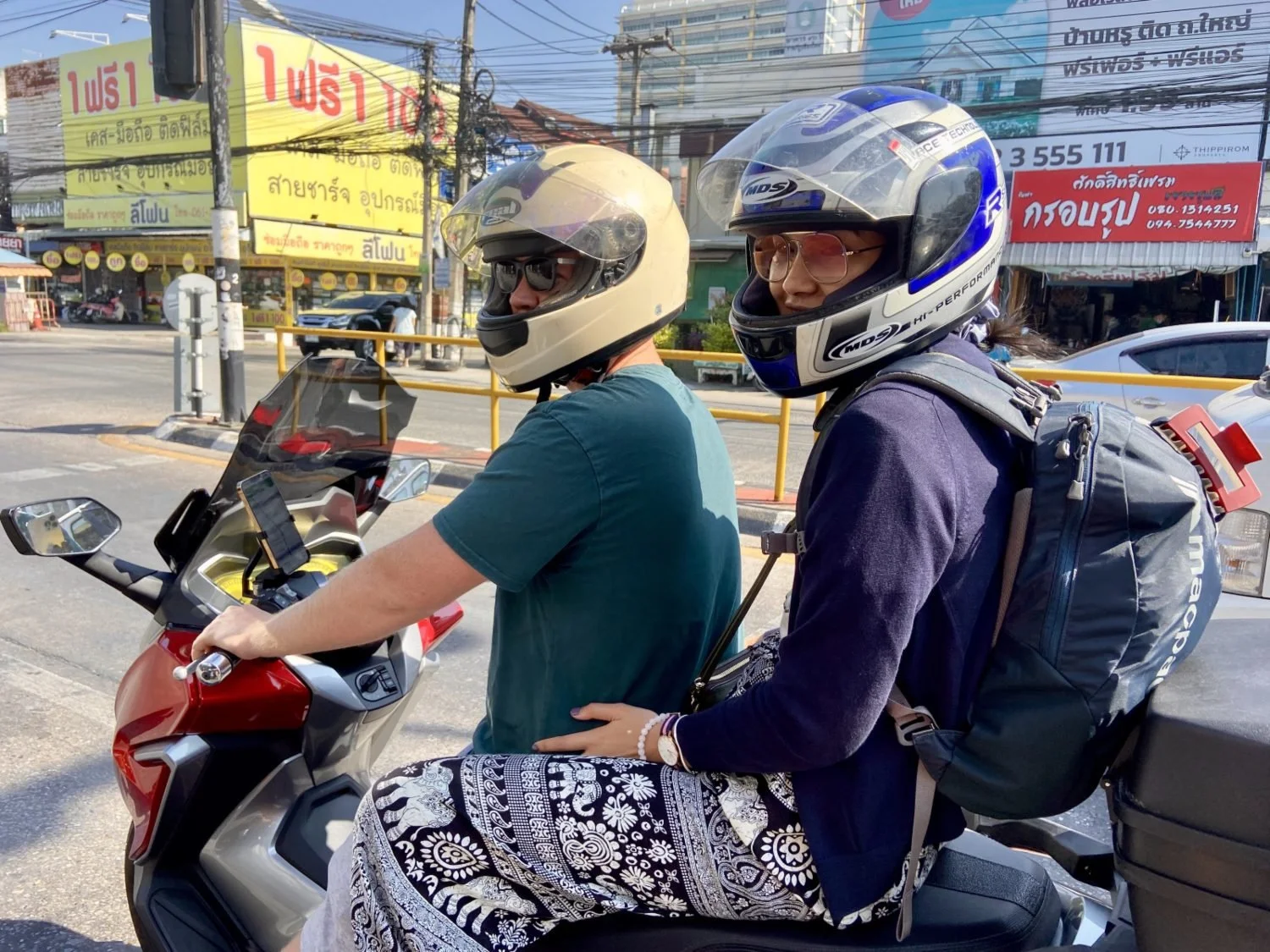
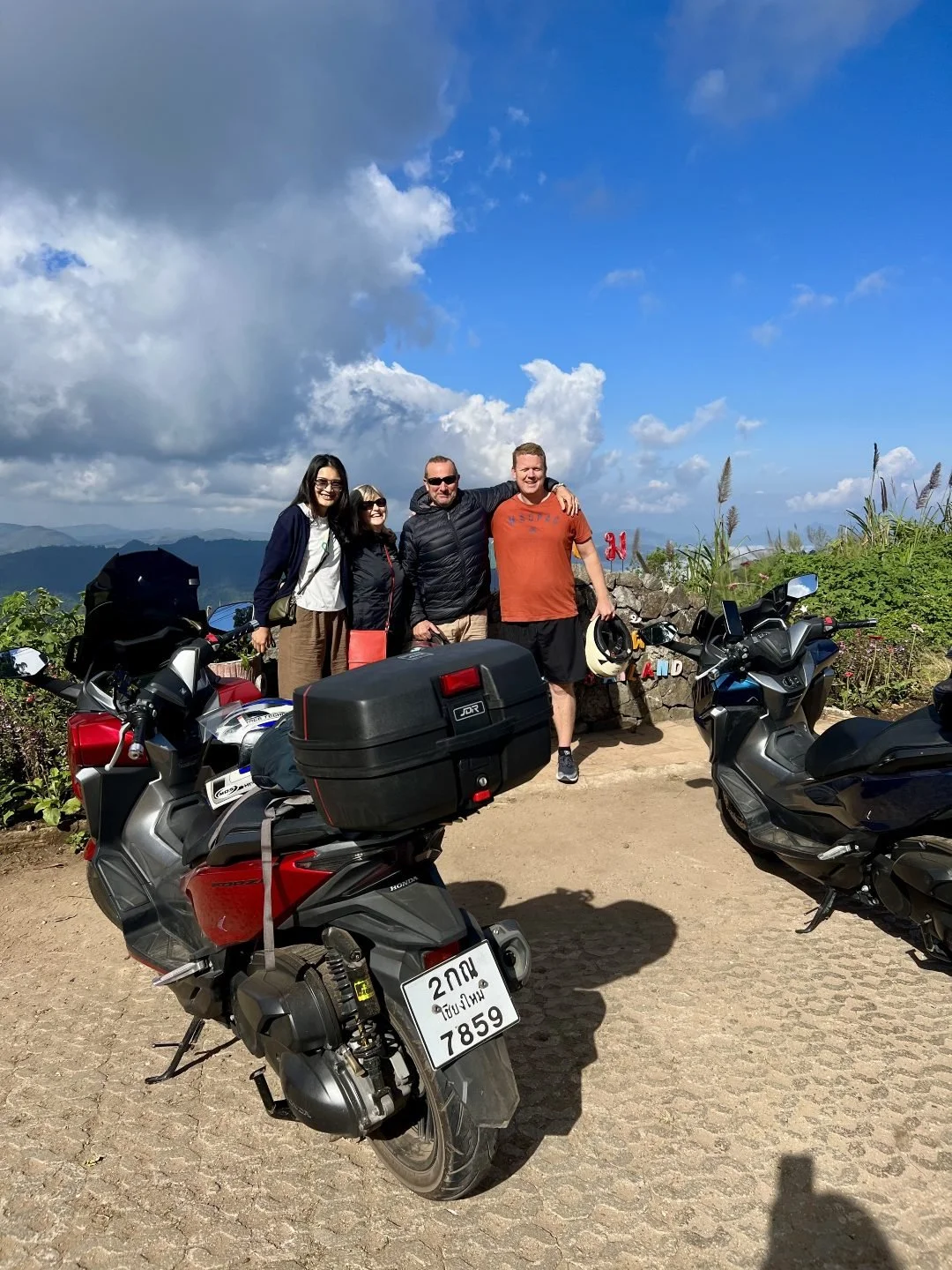
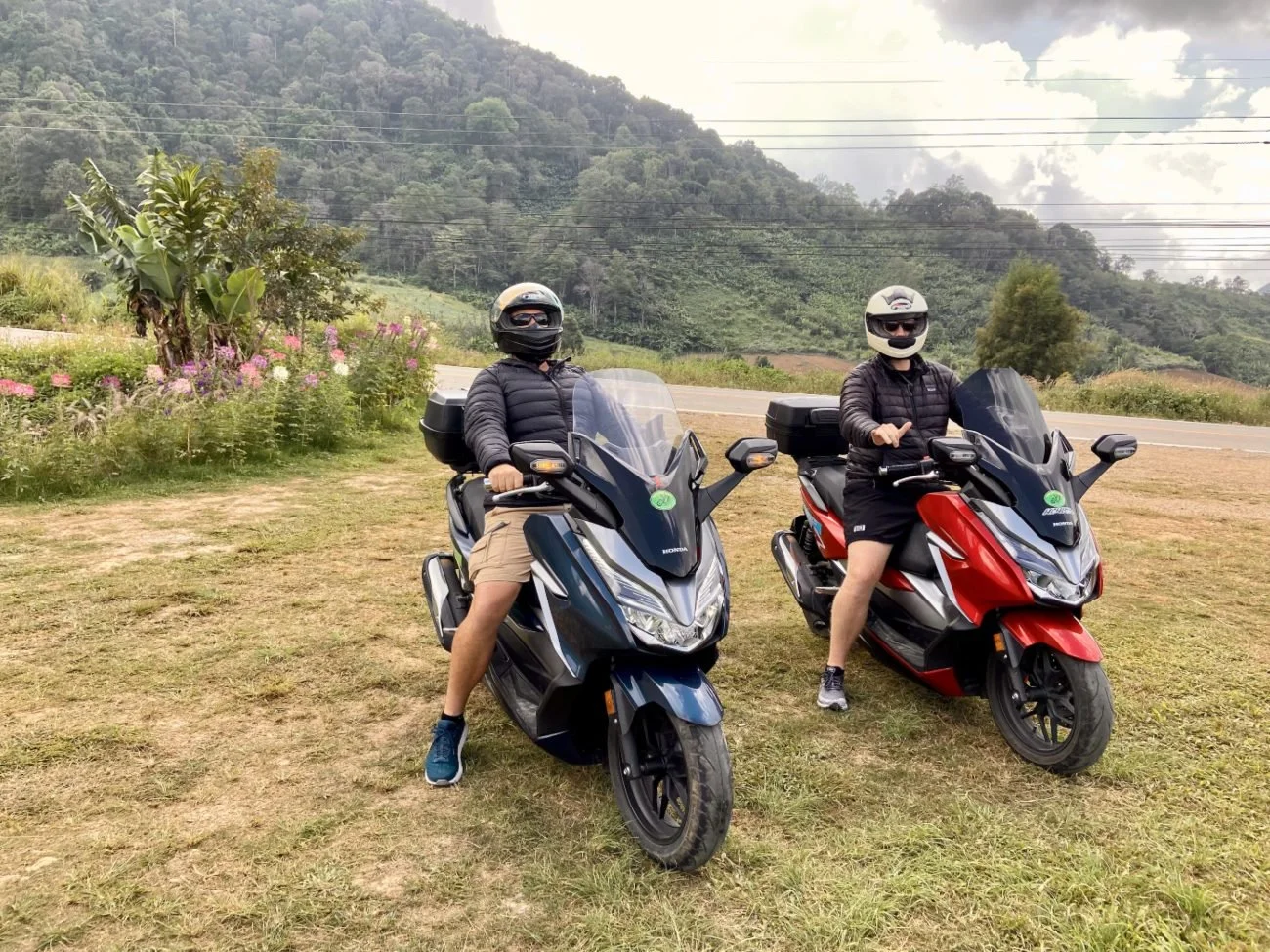
We completed the Mae Hong Son Loop on two 300cc automatic motorcycles, rented in Chiang Mai. Serious riders may prefer larger bikes with more power, but for us, 300cc struck a good balance between comfort and agility on the mountain roads. We rode the loop anticlockwise, booking four nights of accommodation in advance:

  • Two nights in Pai

  • One night just outside of Ban Rak Thai

  • One night in Mae Chaem

Taking the 1263 Route to Mae Chaem

We decided to do the Mae Hong Son Loop a little differently. Instead of continuing south toward Mae Sariang, we turned off at Khun Yuam and followed Route 1263 east toward Mae Chaem. This decision shortened the overall journey, but it never felt like a compromise. In fact, it ended up being one of the most rewarding sections of the entire trip.

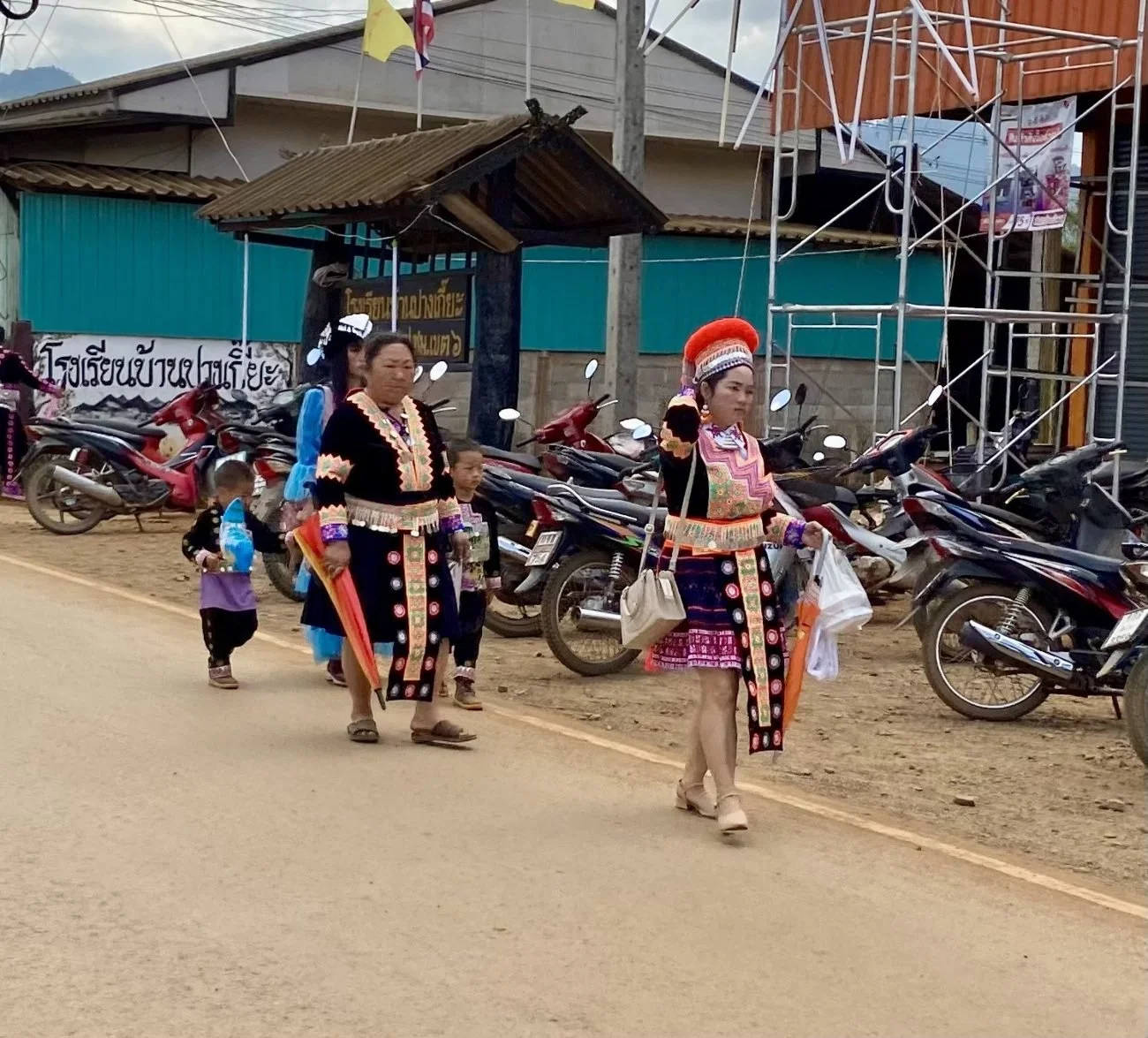
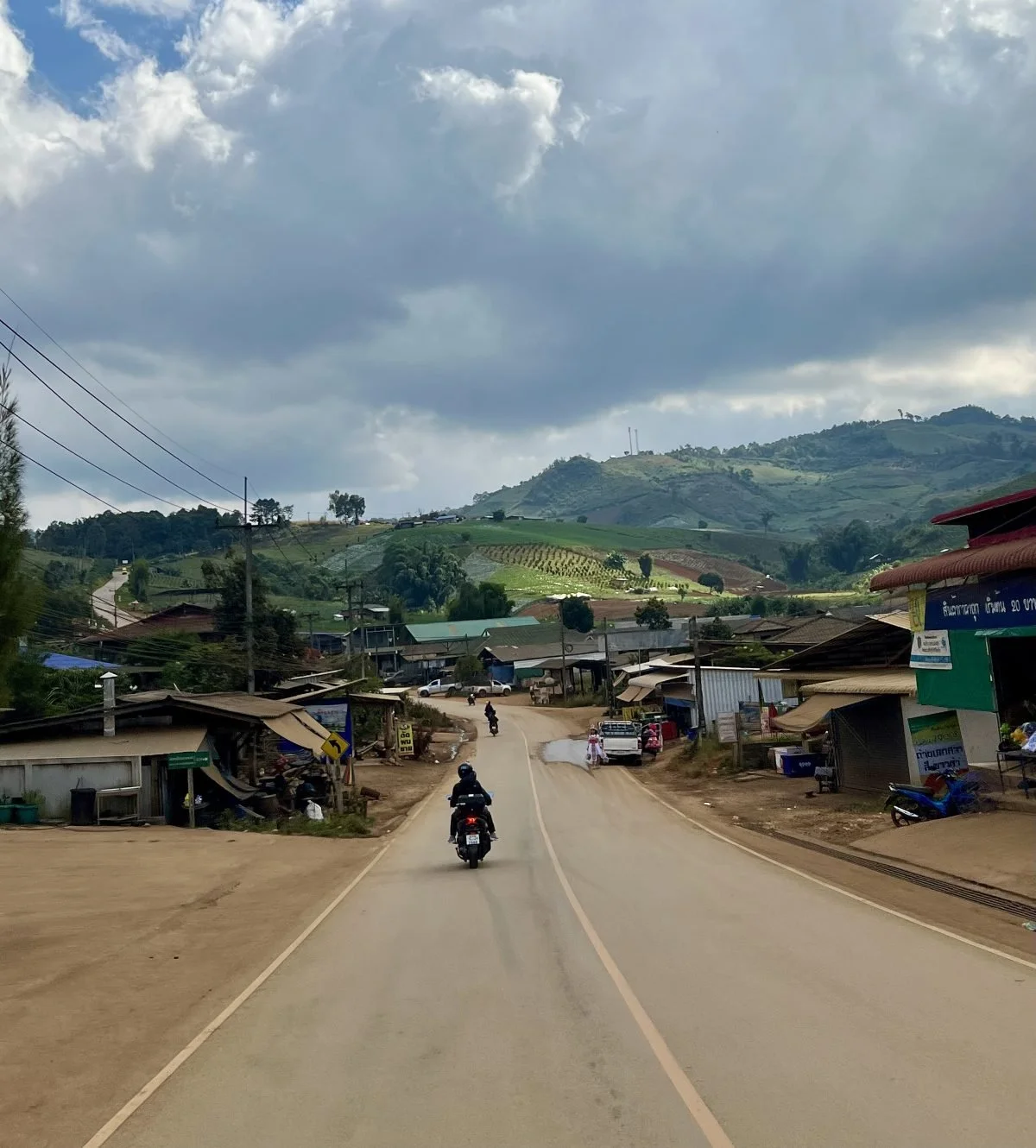
Route 1263 is off-the-beaten-path in the truest sense. Almost immediately, the traffic thins out and the atmosphere changes. Traditional villages appear along the roadside, rice fields stretch across wide valleys, and forested hills rise on either side of the road. We saw very few other travelers, and the sense of remoteness was palpable. Locals waved as we passed, farmers worked the fields, and daily life unfolded at a tranquil pace.

From a practical standpoint, Route 1263 is a paved but winding mountain road that cuts east from Khun Yuam, bypassing Mae Sariang entirely and linking up naturally with the Mae Chaem and Doi Inthanon National Park area. The scenery is outstanding, with rolling hills, terraced rice paddies, and long stretches of open road framed by mountains. That said, it’s not a road to underestimate. Some sections can be rough, with occasional potholes or loose gravel, and the remoteness means fewer services along the way. While we found it manageable on our 300cc bikes, it may be challenging for smaller scooters, especially if you’re carrying luggage or riding two-up.

The real advantage of Route 1263 is how well it suits travelers with limited time. If you only have three or four nights for the Mae Hong Son Loop, this route offers a smart alternative that still delivers incredible scenery and a genuine sense of adventure. It effectively creates a shortcut before returning to Chiang Mai.

Mae Hong Son Loop - Route 1263

Route 1263

Mae Hong Son Loop - Route 1263 Views

Route 1263

Mae Hong Son Loop - Traditional Villages

Route 1263

The Legendary Highway 1095 (Chiang Mai - Pai)

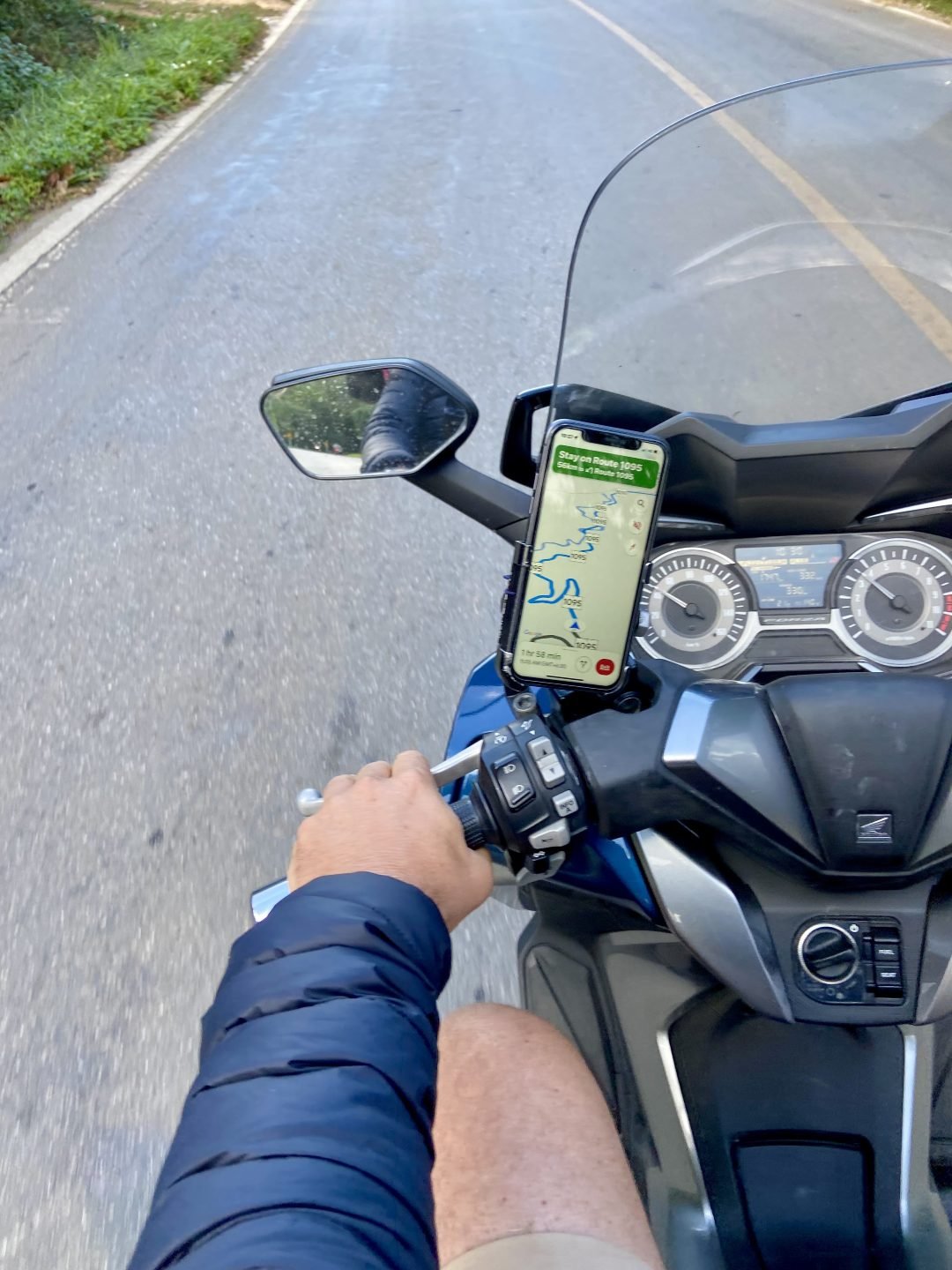
Nothing prepared us for the 1095 route between Chiang Mai and Pai. Over 700 bends test your concentration and riding ability, especially on the ascent. Traffic can be intense near the top - trucks cutting corners, bikes weaving through narrow gaps - but once you descend toward Pai, the ride transforms.

The traffic thins, the road opens, and the scenery becomes more expansive. Tree-lined roads, rivers below, and green paddies spread across the Pai valley. The riding sensation was effortless and fluid. We rolled into Pai buzzing with adrenaline.

Mae Hong Son Loop - 1800 Turns

Highway 1095

Mae Hong Son Loop - Stretching the Legs

Highway 1095

Mae Hong Son Loop - Tree Canopies

Highway 1095

Pai: Our Favourite Stop

Pai stole our hearts. Having two nights here made all the difference. On our free day, we attempted the Mae Yen Waterfall hike, expecting a manageable half-day trek. But reality had other plans.

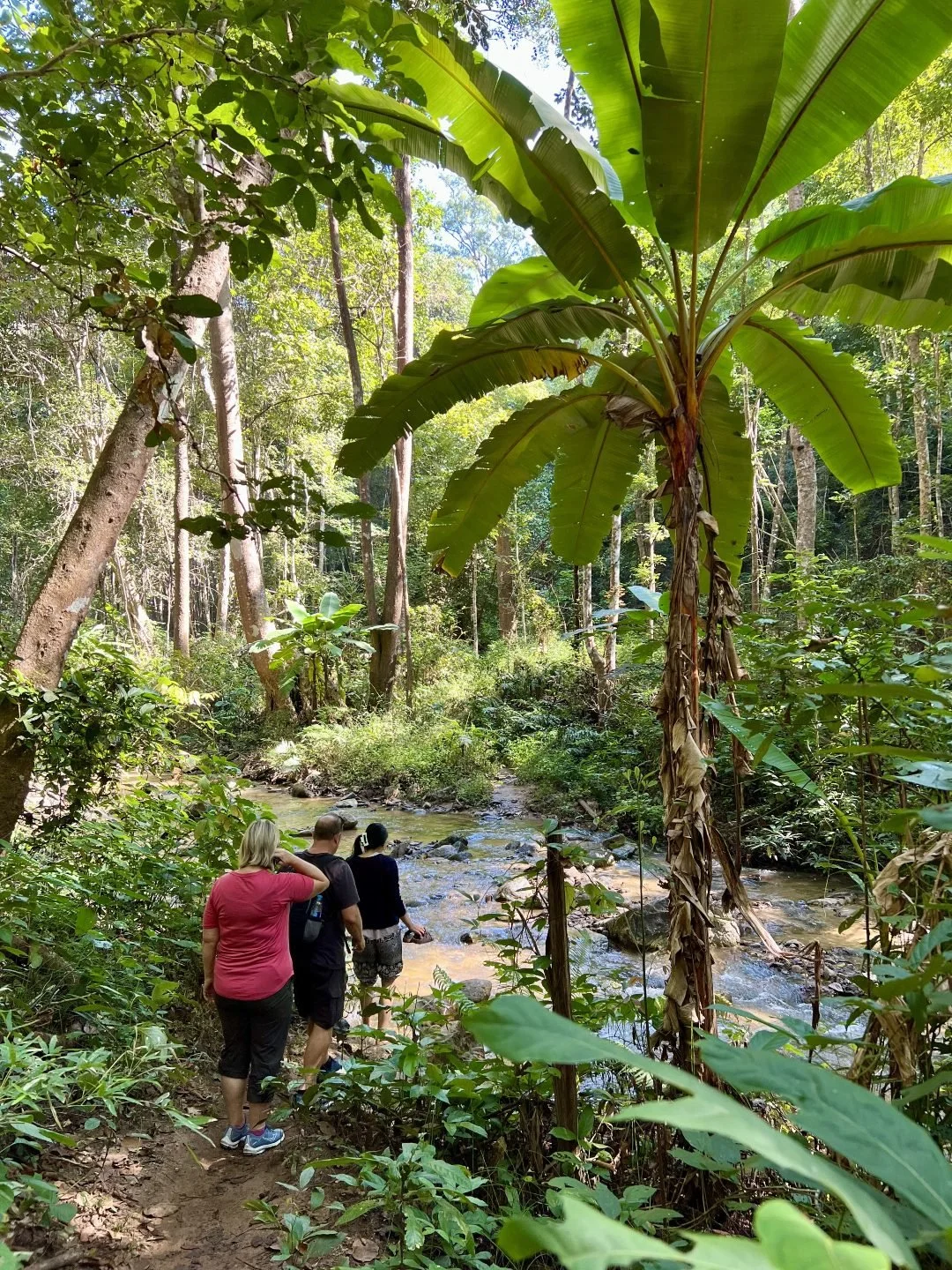
The trail follows a river, requiring dozens of crossings. After two hours, we still had another hour to go and decided to turn back. The jungle was impressive, but much of the online information seriously underestimates the effort required. If you attempt it, plan for a full day. In hindsight, Pai Canyon or the Bamboo Bridge would have been better choices - but that just gives us an excuse to return.

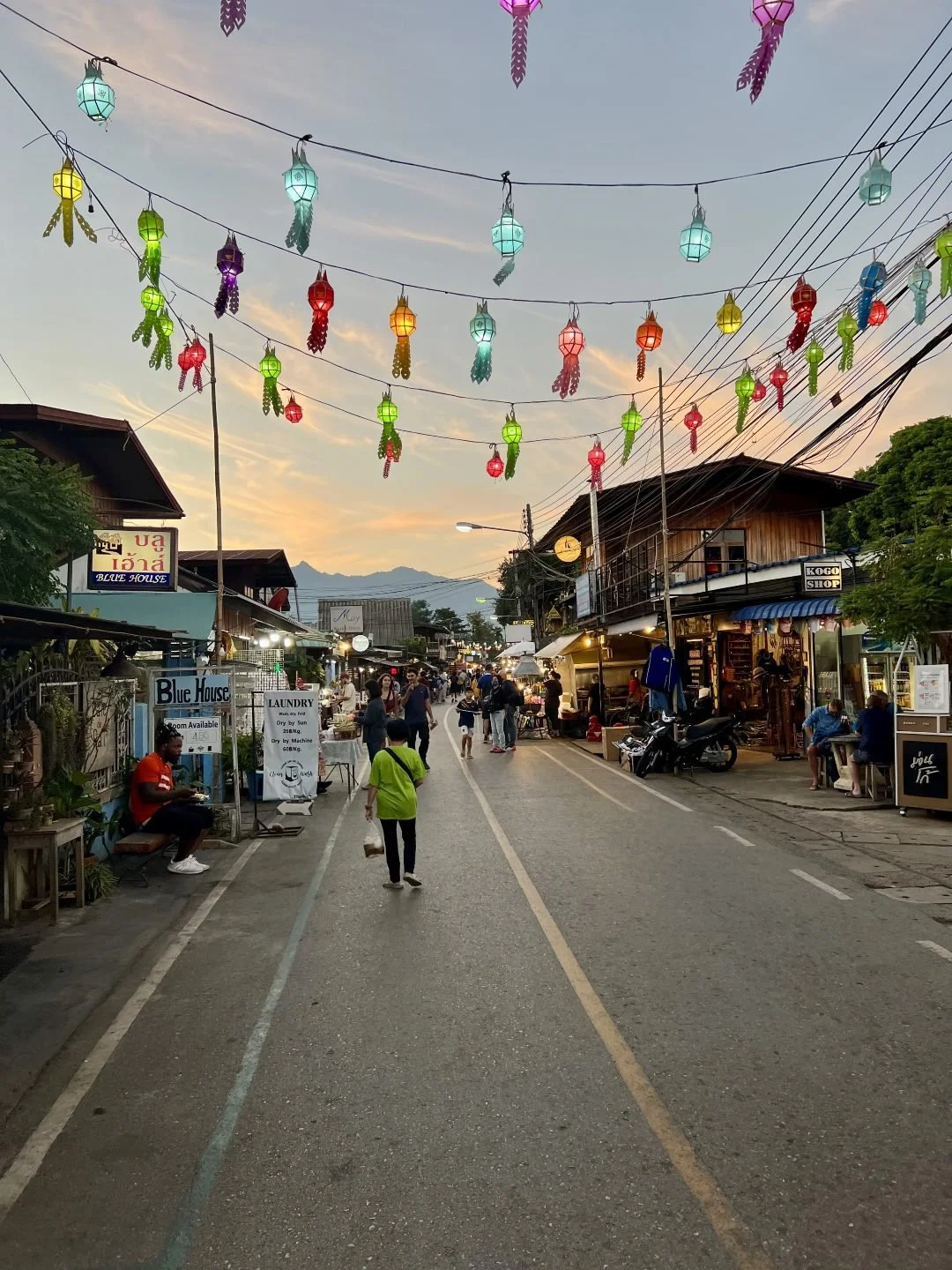
Evenings in Pai were simple and perfect. We walked across bamboo bridges toward Walking Street, got massages, ate burgers and street food, had a drink or two, and lingered in the mellow energy that defines the town. Pai has a magnetic atmosphere, it pulls you in and makes it hard to leave.

Mae Hong Son Loop - Pai Smilehouse Hammocks

Pai

Mae Hong Son Loop - Mae Yen Waterfall Hike

Mae Yen Waterfall Hike

Mae Hong Son Loop - Mae Yen Waterfall Trek

Mae Yen Waterfall Hike

Mae Yen Waterfall Mae Hong Son Loop

Mae Yen Waterfall Trek

Mae Hong Son Loop - Pai Walking Street

Pai

Ban Rak Thai: Worth the Detour

We had high expectations for Ban Rak Thai, and it delivered. The 45-minute ride along Route 4001 (the detour off Highway 1095) is narrow and occasionally sketchy, but manageable for experienced riders.

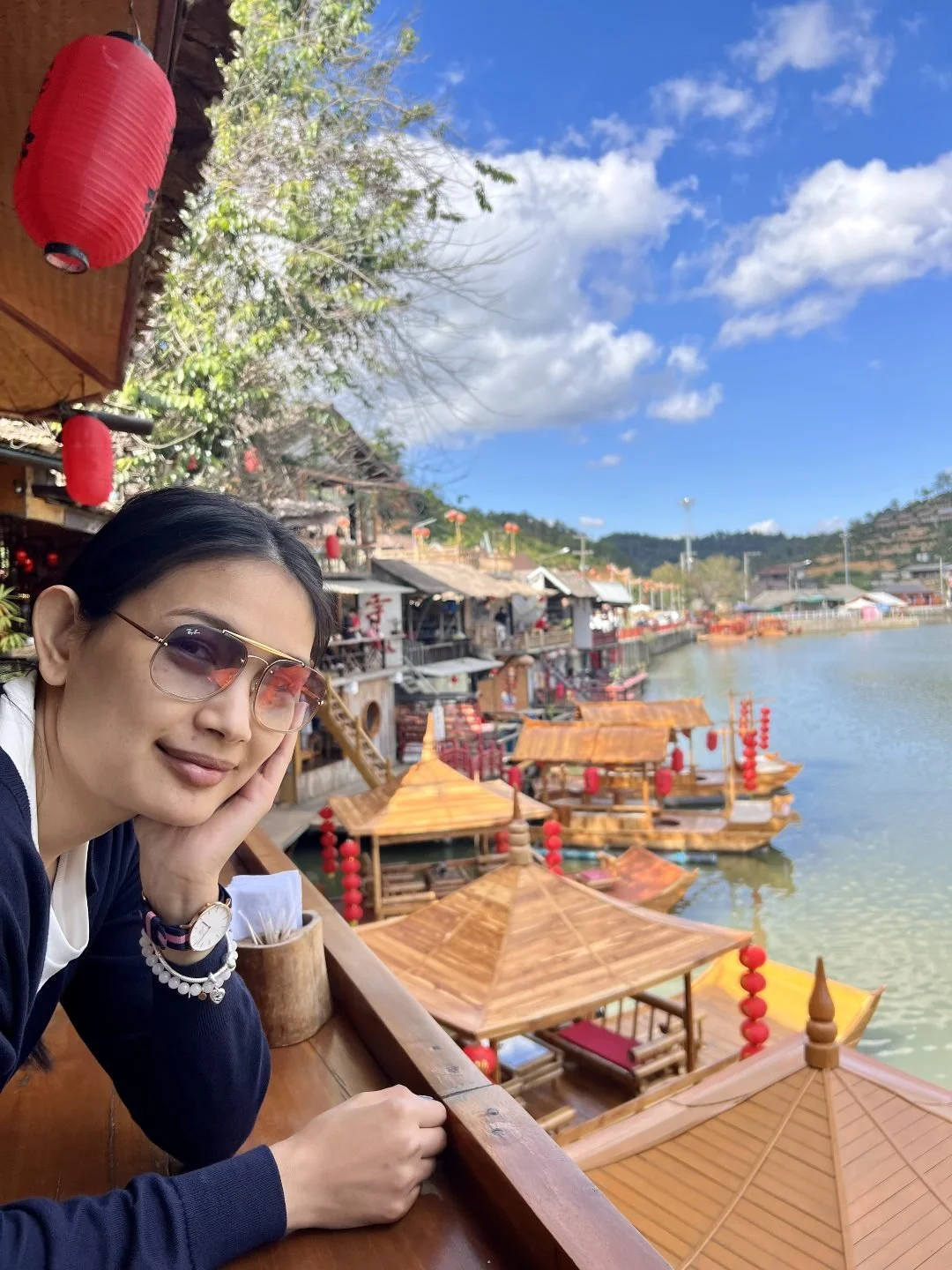
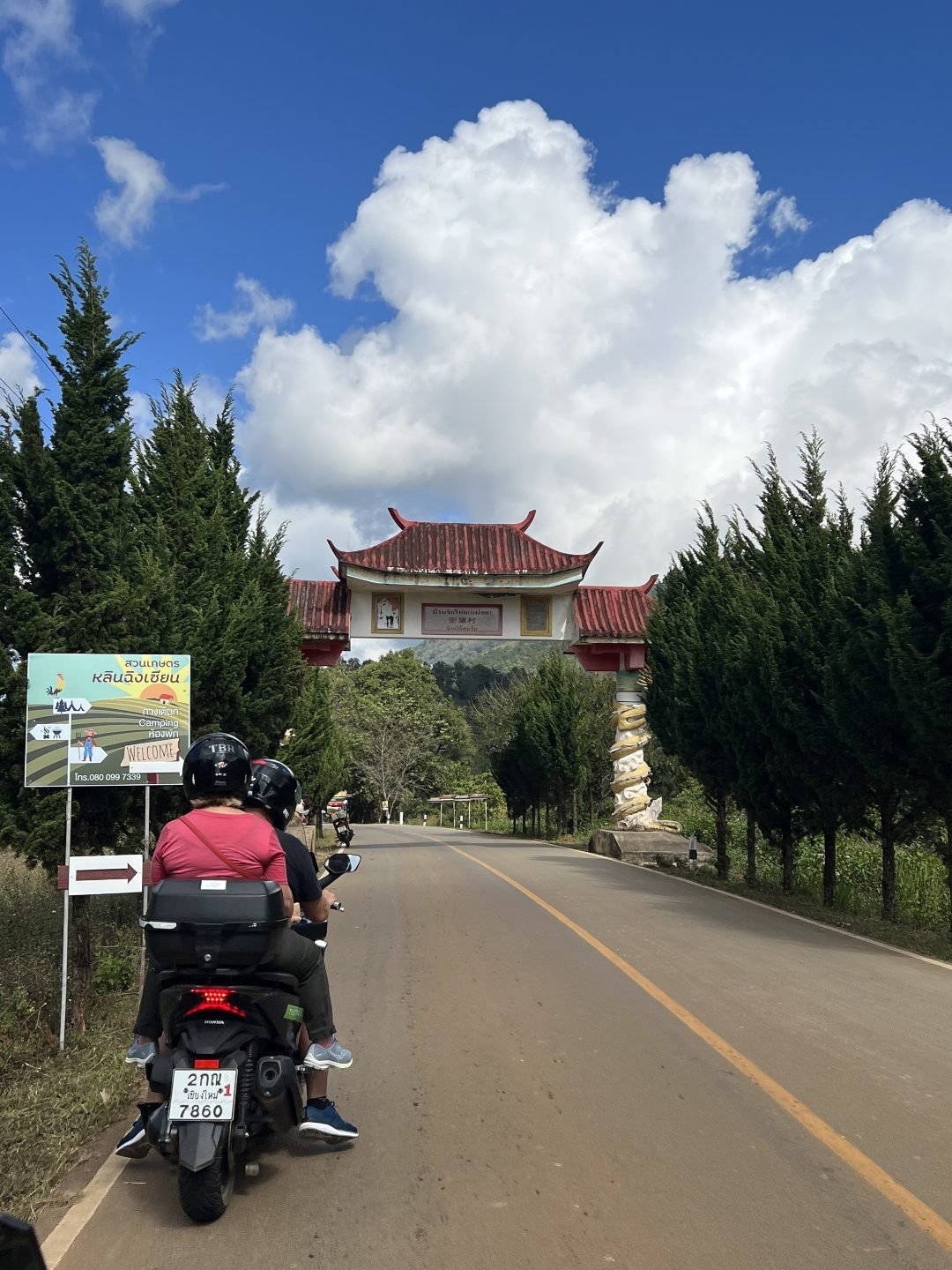
The village itself is beautifully atmospheric. Tea plantations blanket the hills, Chinese-style houses frame the lake, and the whole place feels quietly cinematic. We spent an afternoon here - lunch, photos, wandering the lake - and found that was enough. Accommodation is limited and books out fast, so a day visit works well.

Mae Hong Son Loop - Ban Rak Thai Sign

Ban Rak Thai

Mae Hong Son Loop - Ban Rak Thai Chinese Village

Ban Rak Thai

Mae Hong Son Loop - Yunnan Houses

Ban Rak Thai

5-Day Itinerary for the Mae Hong Son Loop

Day 1: Chiang Mai to Pai

The Mae Hong Son Loop begins in Chiang Mai, Northern Thailand’s cultural capital and the perfect place to prepare for the journey ahead. Set against a backdrop of mountains and steeped in Lanna history, Chiang Mai offers an easy transition between city comforts and the wild landscapes that define the loop.

Before hitting the road, it’s worth giving yourself time to settle in and prepare properly. Spend the morning organising your motorcycle, checking tyre pressure, adjusting mirrors, and packing only the essentials. Chiang Mai has no shortage of reputable rental shops and mechanics.

If you arrive a few days prior, Chiang Mai rewards exploration. The Old City is compact and easy to wander, with historic temples like Wat Phra Singh and Wat Chedi Luang offering a glimpse into the region’s rich Lanna heritage. Local markets - both daytime fresh markets and evening street markets - are great places to sample northern Thai dishes, stock up on snacks for the road, and soak up the city’s relaxed energy.

Chiang Mai also has a few standout attractions beyond the Old City. Chiang Mai Zoo is located at the base of Doi Suthep and is one of the few places in Thailand where you can see giant pandas, making it a popular stop for families and wildlife enthusiasts (new pandas are expected from 2027 onwards, as the previous ones Chuang Chuang and Lin Hui passed away recently).

Once you leave the city limits, the shift is immediate. Urban sprawl gives way to forested hills, the air cools, and the road begins to twist and climb. This first stretch of the Mae Hong Son Loop offers a gentle introduction, easing you away from the traffic and into the quieter rhythms of the mountains. Before long, the ride begins to demand more focus as you join Highway 1095, the legendary road linking Chiang Mai with Pai.

Nothing truly prepares you for Highway 1095. Famous for its 762 curves, this mountain road immediately tests your concentration and riding ability, particularly on the ascent. Steep gradients and tight hairpins come one after another, and traffic can be intense in sections. Trucks often cut wide through corners, vans grind uphill at slow speeds, and motorbikes and cars squeeze through narrow gaps. Defensive riding is essential, especially near the summit where congestion tends to build.

Despite the challenge, the road itself is in excellent condition. The asphalt is smooth, lane markings are clear, and visibility is generally good. While the route is suitable for scooters and motorbikes, novice riders should take their time and ride conservatively.

Covering roughly 130 to 140 kilometres, the ride from Chiang Mai to Pai typically takes around five hours by motorbike, depending on traffic, riding pace, and how often you stop. And you will want to stop. Dense forests line much of the route, broken up by mountain ridges, deep valleys, and occasional viewpoints offering sweeping views back toward Chiang Mai. Roadside cafes, small food stalls, and hidden waterfalls provide natural excuses to rest, refuel, and mentally reset before tackling the next series of bends.

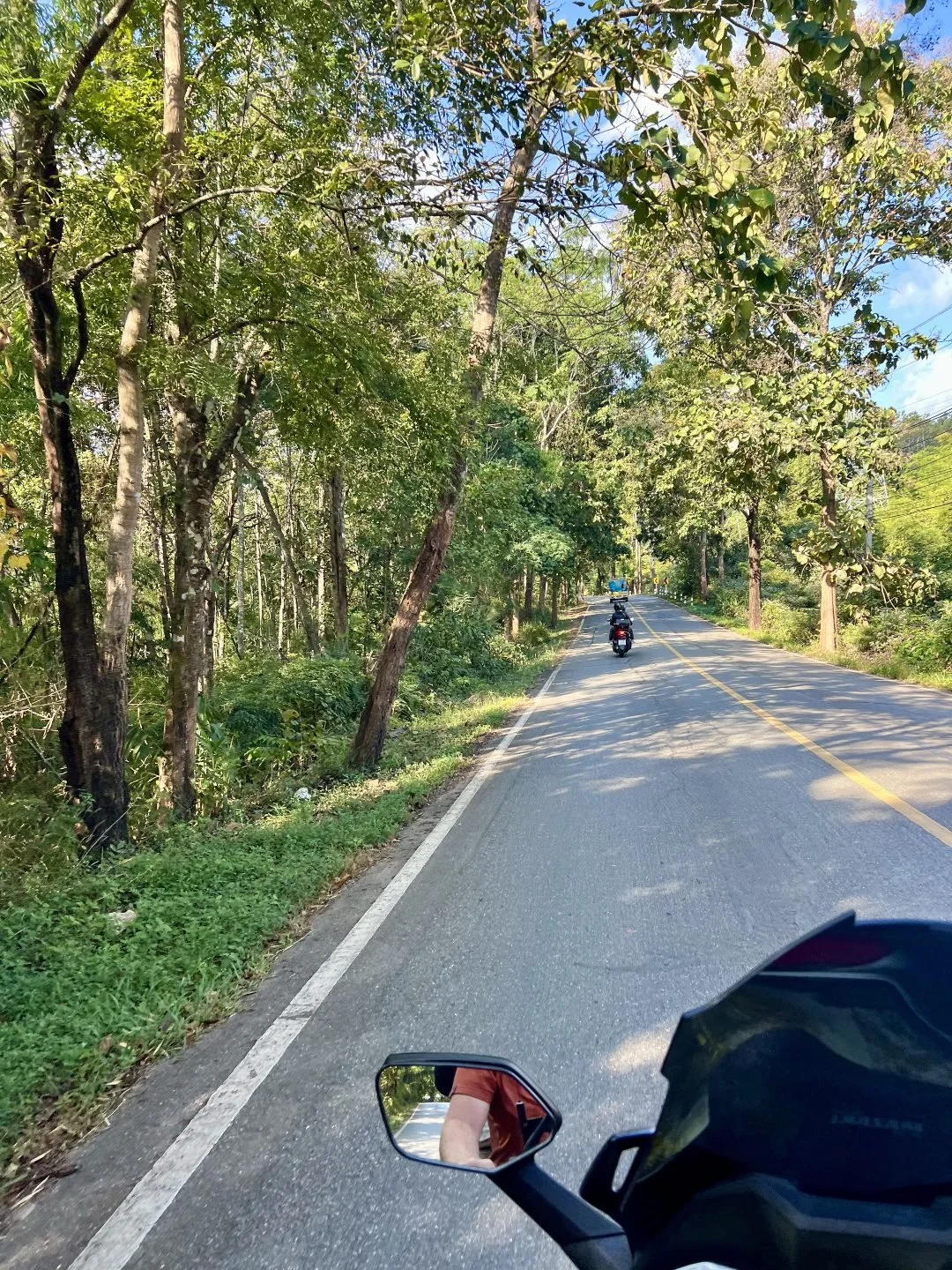
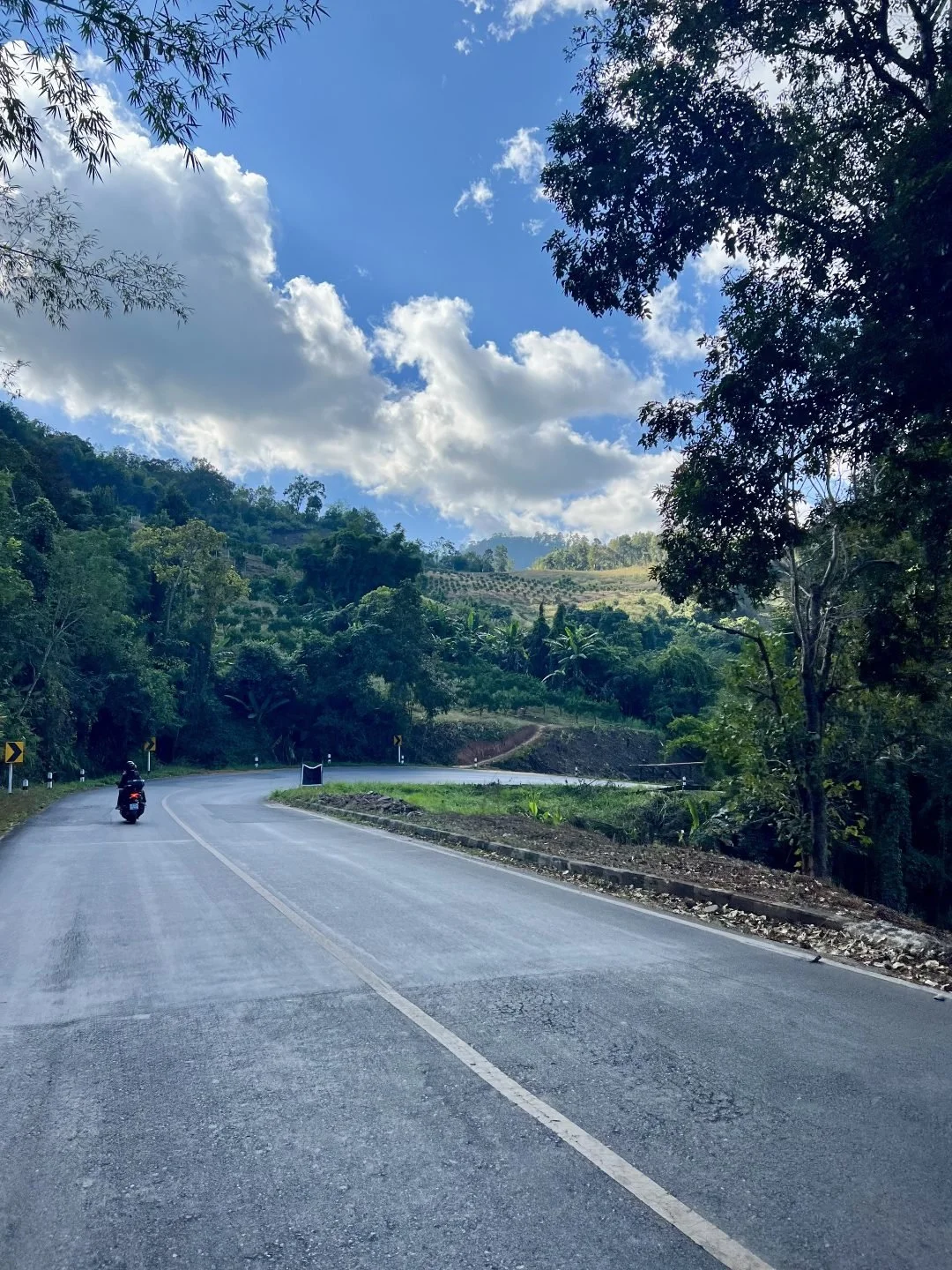
As you descend toward Pai, the traffic thins almost immediately. The road opens into longer, flowing curves, and the pace becomes smoother and more relaxed. Tree-lined stretches create shaded corridors, rivers appear below the road, and lush green rice paddies spread across the Pai valley.

By the time we rolled into Pai, the tension of the climb had been replaced by pure exhilaration. We arrived tired but buzzing with adrenaline, fully aware that we had just completed one of the most iconic and satisfying stretches of road in Northern Thailand. For many travelers, this single ride alone is reason enough to attempt the Mae Hong Son Loop - and once you’ve ridden it yourself, it’s easy to understand why.

Mae Hong Son Loop - Chiang Mai Market

Chiang Mai

Mae Hong Son Loop - Chiang Mai Temple

Chiang Mai

Mae Hong Son Loop - Chiang Mai Panda

Chiang Mai

Mae Hong Son Loop - Riding Out of Chiang Mai

Chiang Mai

Day 2: Full Day in Pai

After the intensity of the ride from Chiang Mai, arriving in Pai feels like hitting a reset button. The pace slows almost immediately, the roads flatten out, and the mood shifts to something softer and more laid-back. Pai has a distinctly bohemian feel, and it’s the kind of place where travelers often plan to stay a few nights and end up lingering far longer than expected.

The town itself is compact and easy to navigate. Wandering its quiet streets, stopping for coffee, and drifting between small restaurants and riverside spots quickly becomes part of the rhythm. In the evenings, Pai comes alive without ever feeling overwhelming: street food stalls, casual bars, and live music create a social but relaxed atmosphere that makes it easy to unwind after a long day on the road.

Having two nights (and one full day) in Pai makes a noticeable difference. Instead of treating it as a brief stopover, you can explore at your own pace and choose activities based on how you feel that day. One of the most popular nearby sights is Pai Canyon, best visited in the late afternoon when the light softens and the views stretch across the surrounding valleys. The narrow ridgelines and steep drops offer a short but memorable walk with dramatic scenery.

Another peaceful stop is the Kho Ku So Bamboo Bridge, a long wooden walkway that winds through rice fields and connects small villages. It’s an easy, scenic stroll and a great way to see rural life just outside town. For something more restorative, many travelers seek out yoga and wellness sessions offered at studios around Pai, where daily classes cater to all levels and reflect the town’s relaxed, health-focused culture.

If your body is feeling the effects of the ride, Tha Pai Hot Spring is an excellent place to soak tired muscles. Surrounded by forest, the hot springs offer a calm, natural setting and are particularly enjoyable in the morning or late afternoon when the crowds thin out.

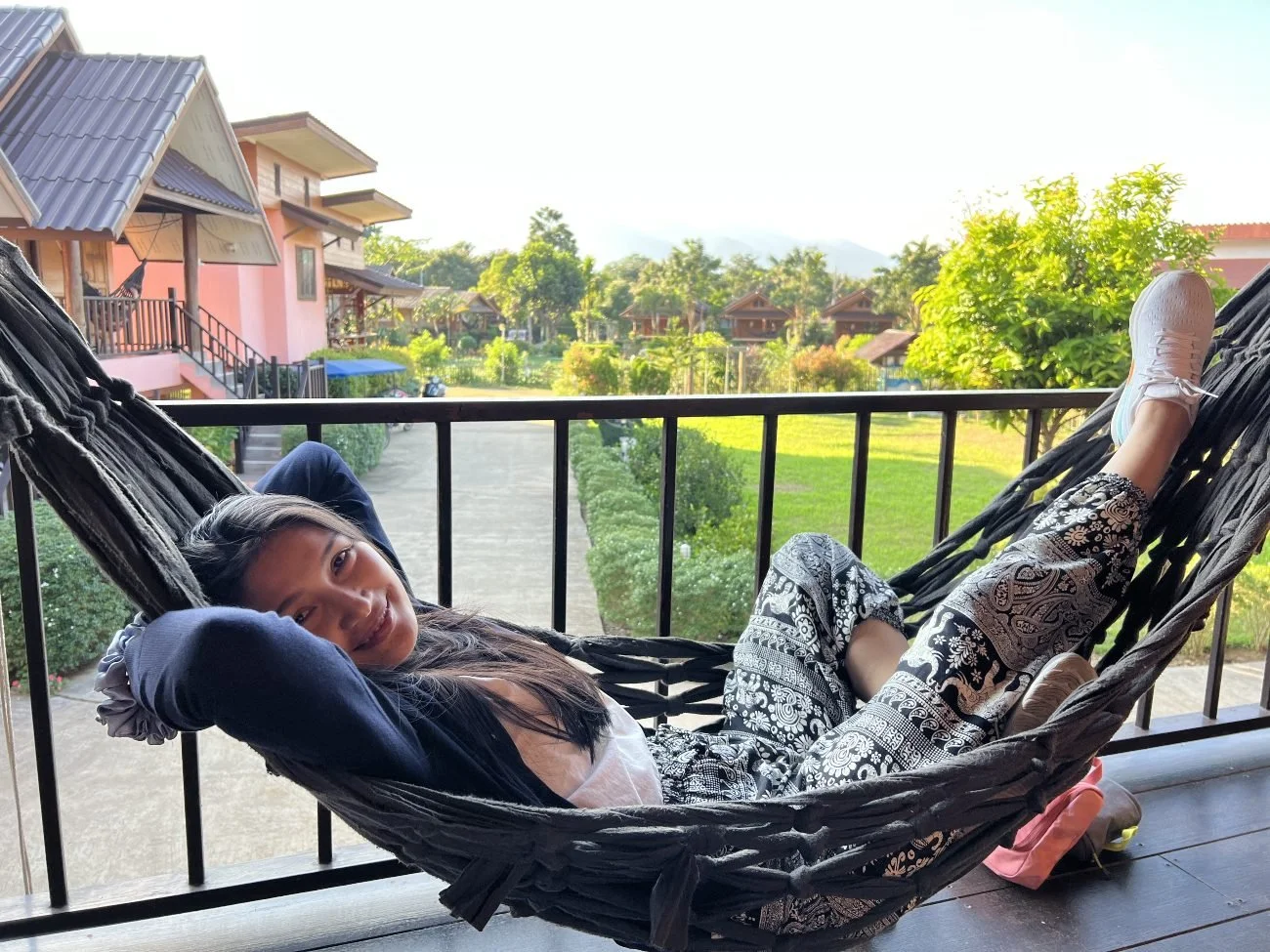
For accommodation, Pai Smilehouse is a great choice. Its beautiful garden huts sit just steps from Walking Street, with hammocks, relaxed breakfasts, and a tranquil setting that still keeps you close to the heart of town.

Mae Hong Son Loop - Pai Smilehouse

Pai

Mae Hong Son Loop - Pai River

Pai

Mae Hong Son Loop - Pai Market

Pai

Day 3: Ban Rak Thai & Sang Poy Cottage

Day three is one of the most atmospheric days on the Mae Hong Son Loop, combining rewarding riding with one of the region’s most distinctive cultural stops. To make the most of it, it’s best to leave Pai early, giving yourself plenty of time on the road before the afternoon light fades.

From Pai, you’ll ride roughly 120 kilometres toward Ban Rak Thai, a journey that usually takes around three hours. The route winds through rugged hills and quiet mountain valleys, and in the early morning, mist often clings to the landscape, creating a moody feel. Traffic is generally light, and the riding feels calmer and more reflective compared to the intensity of the Chiang Mai–Pai stretch.

To reach Ban Rak Thai, you’ll need to take the turn-off onto Route 4001 from Highway 1095. Almost immediately, the character of the road changes. Route 4001 is narrow, winding, and occasionally steep, but it is fully paved and manageable for confident riders. The scenery becomes increasingly rural as you climb, with tea plantations, forested slopes, and small settlements appearing along the way.

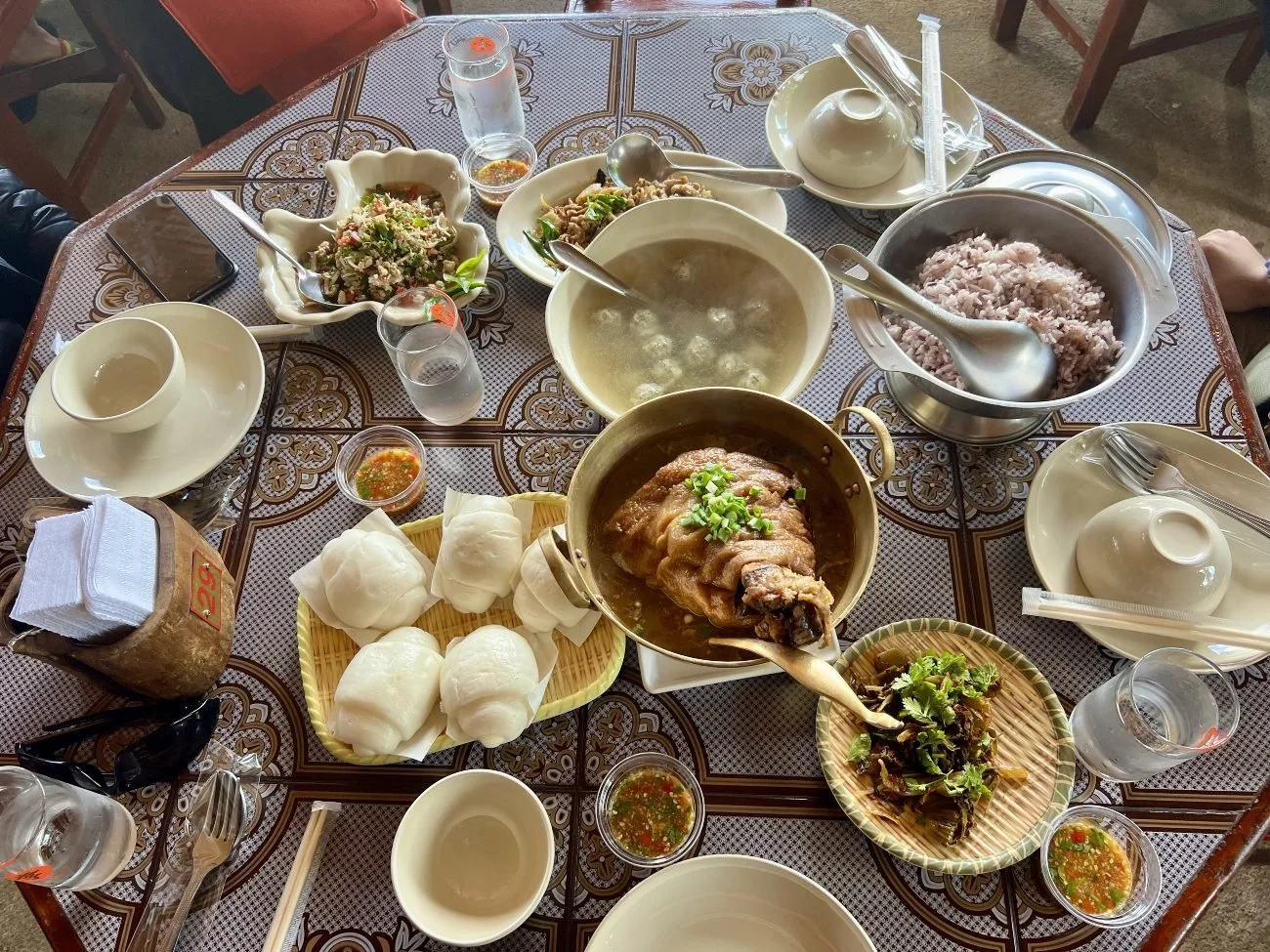
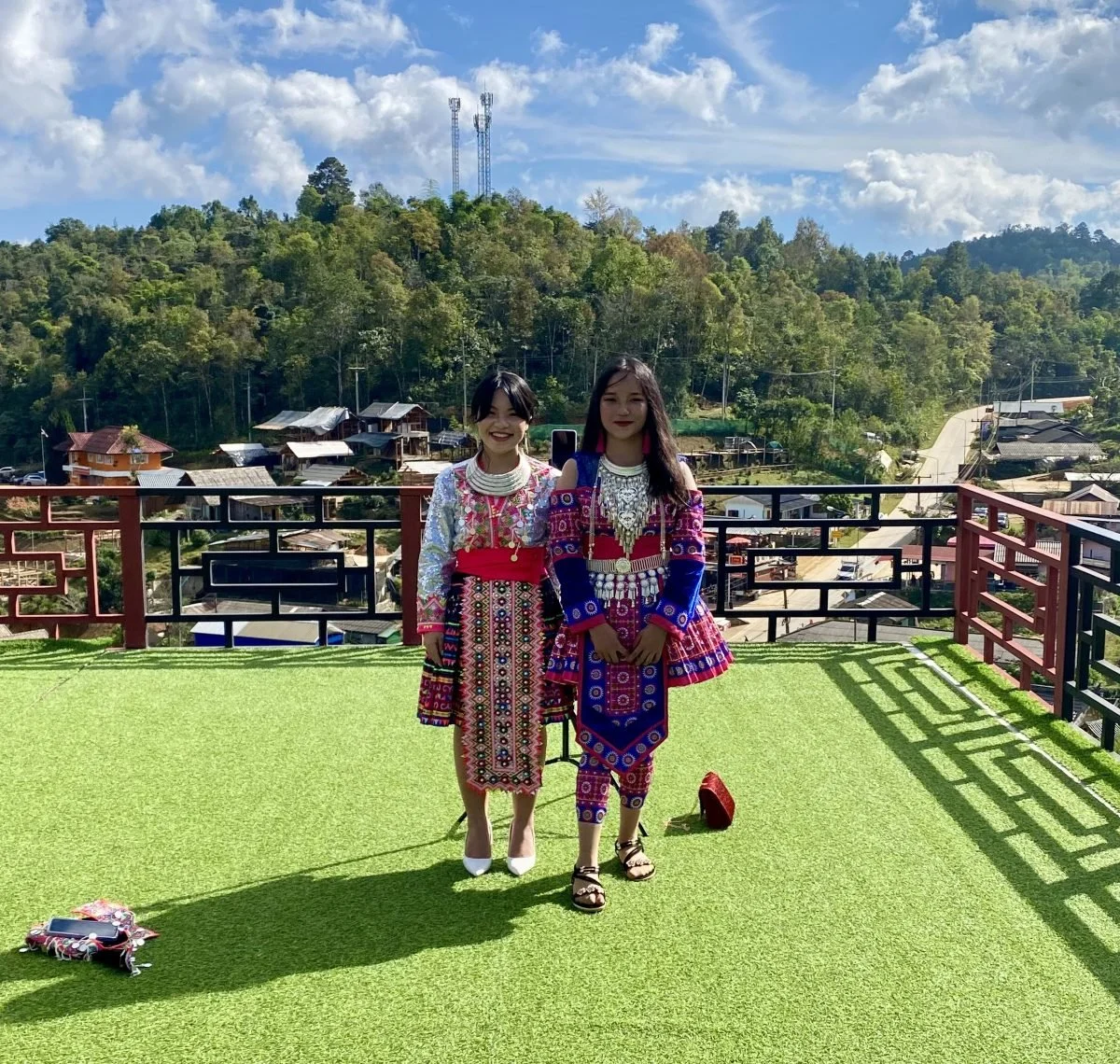
Arriving in Ban Rak Thai around lunchtime is ideal. Set beside a tranquil lake near the Myanmar border, the village feels entirely different from anywhere else in Northern Thailand. Founded by Chinese Kuomintang soldiers, Ban Rak Thai retains strong Yunnanese influences, from its clay-roofed houses and lakeside tea shops to its food and language. Tea houses line the water’s edge, steam rises from bowls of Yunnan-style noodles, and the slower pace invites you to linger. Walking around the lake, taking photos, and enjoying lunch here is a highlight of the day.

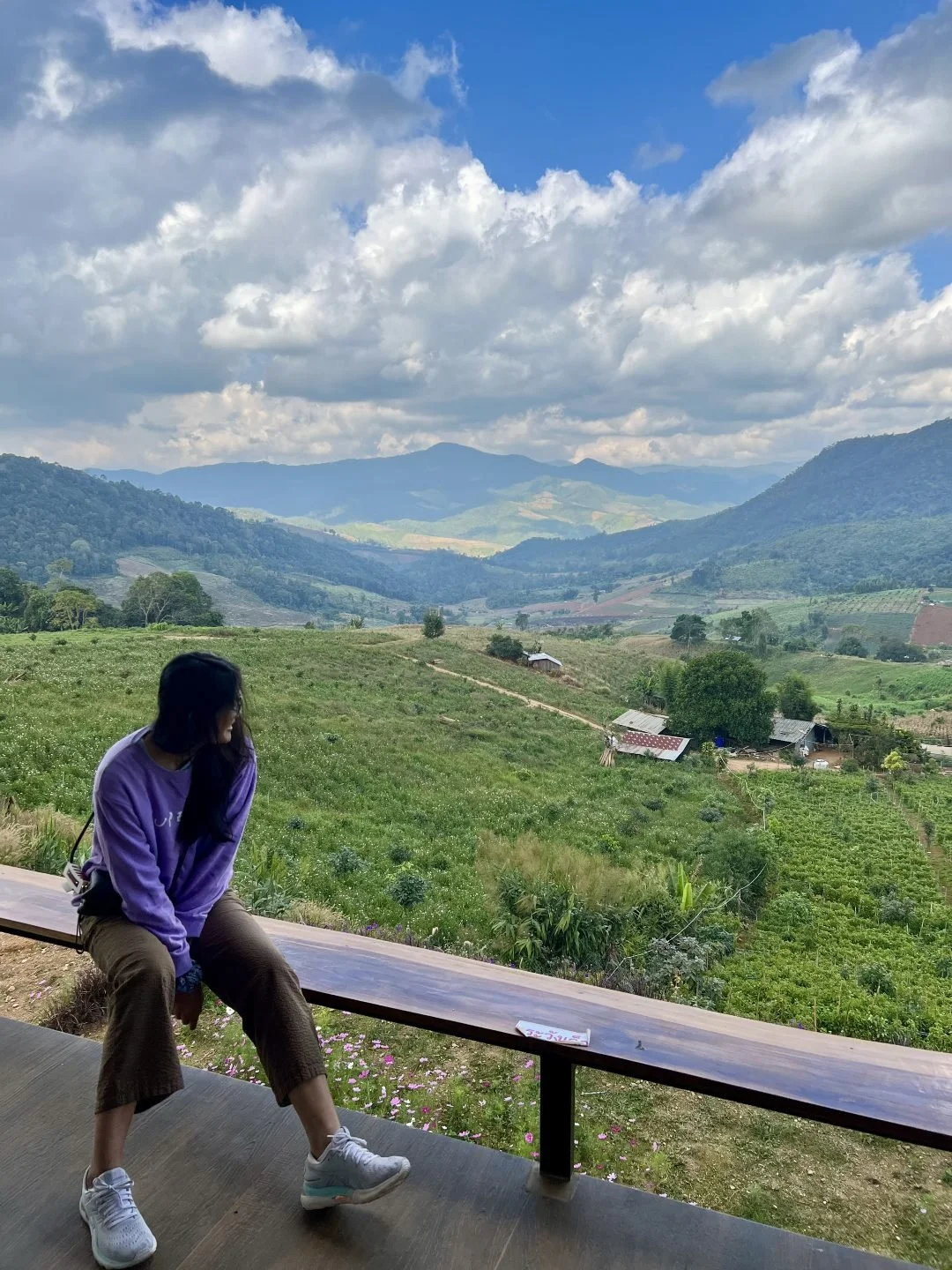
After spending a few relaxed hours in Ban Rak Thai, retrace your route back down Route 4001 toward Highway 1095. From there, it’s a straightforward ride to reach Sang Poy Cottage, located near Ban Kung Mai Sak. Sang Poy Cottage is a peaceful countryside retreat surrounded by rice fields and rolling hills. Traditional teak cottages overlook the valley, and the quiet rural setting feels worlds away from the busier towns on the loop. As evening approaches, sitting with a drink and watching the sun set over the fields below is the perfect way to end the day.

Mae Hong Son Loop - Entering Ban Rak Thai

Ban Rak Thai

Ban Rak Thai Mae Hong Son Loop

Ban Rak Thai

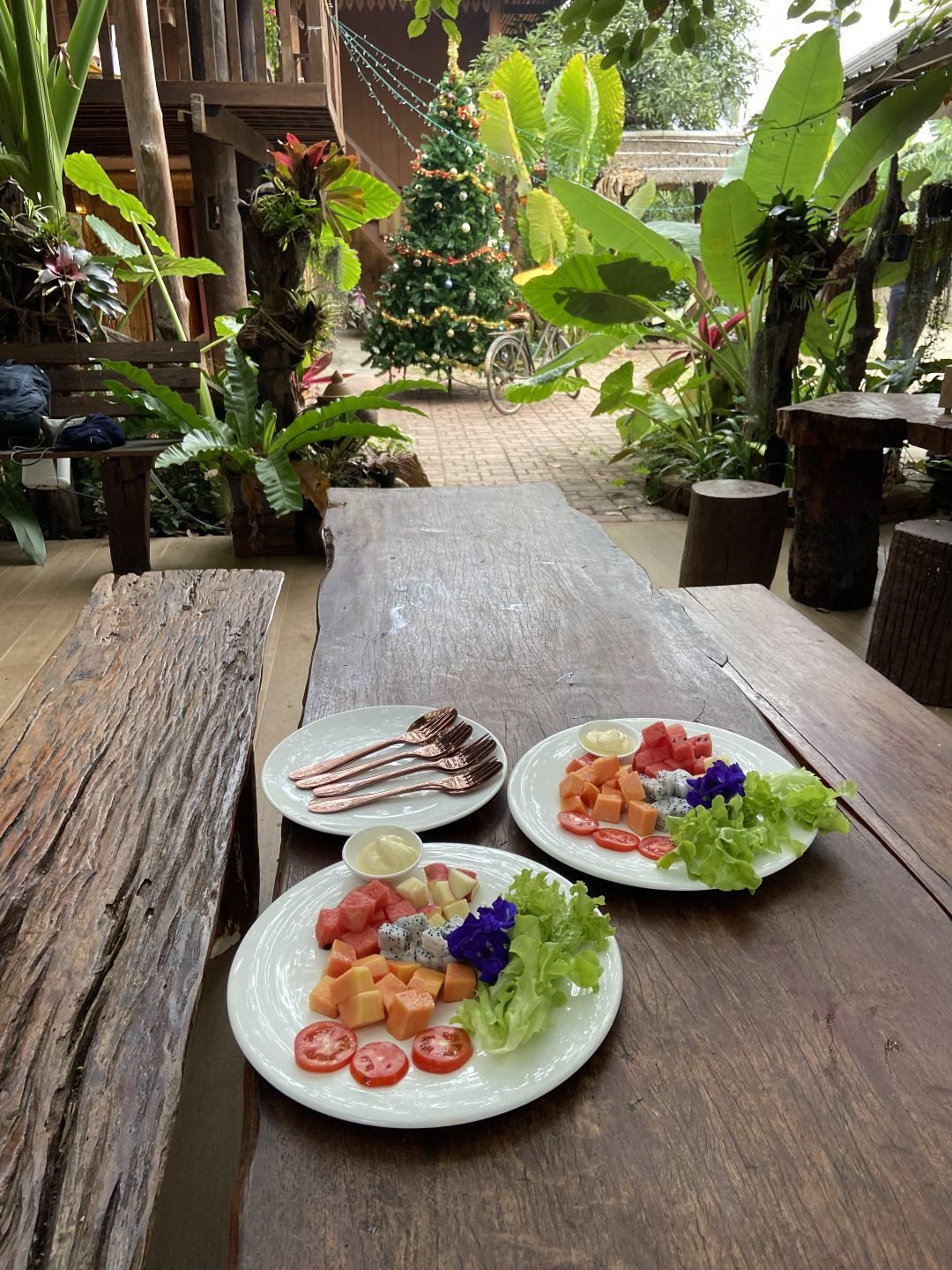
Mae Hong Son Loop - Lunch at Ban Rak Thai

Ban Rak Thai

Mae Hong Son Loop - Sang Poy Cottage Views

Sang Poy Cottage

Mae Hong Son Loop - Sang Poy Cottage Reception

Sang Poy Cottage

Mae Hong Son Loop - Sang Poy Cottage Rooms

Sang Poy Cottage

Day 4: Mae Hong Son Town & Mae Chaem

Day four begins at Sang Poy Cottage, where the quiet of the countryside makes for a calm start to the next leg of the Mae Hong Son Loop. From here, head south toward Mae Hong Son town along Highway 108, a scenic stretch of road that winds through open rural landscapes.

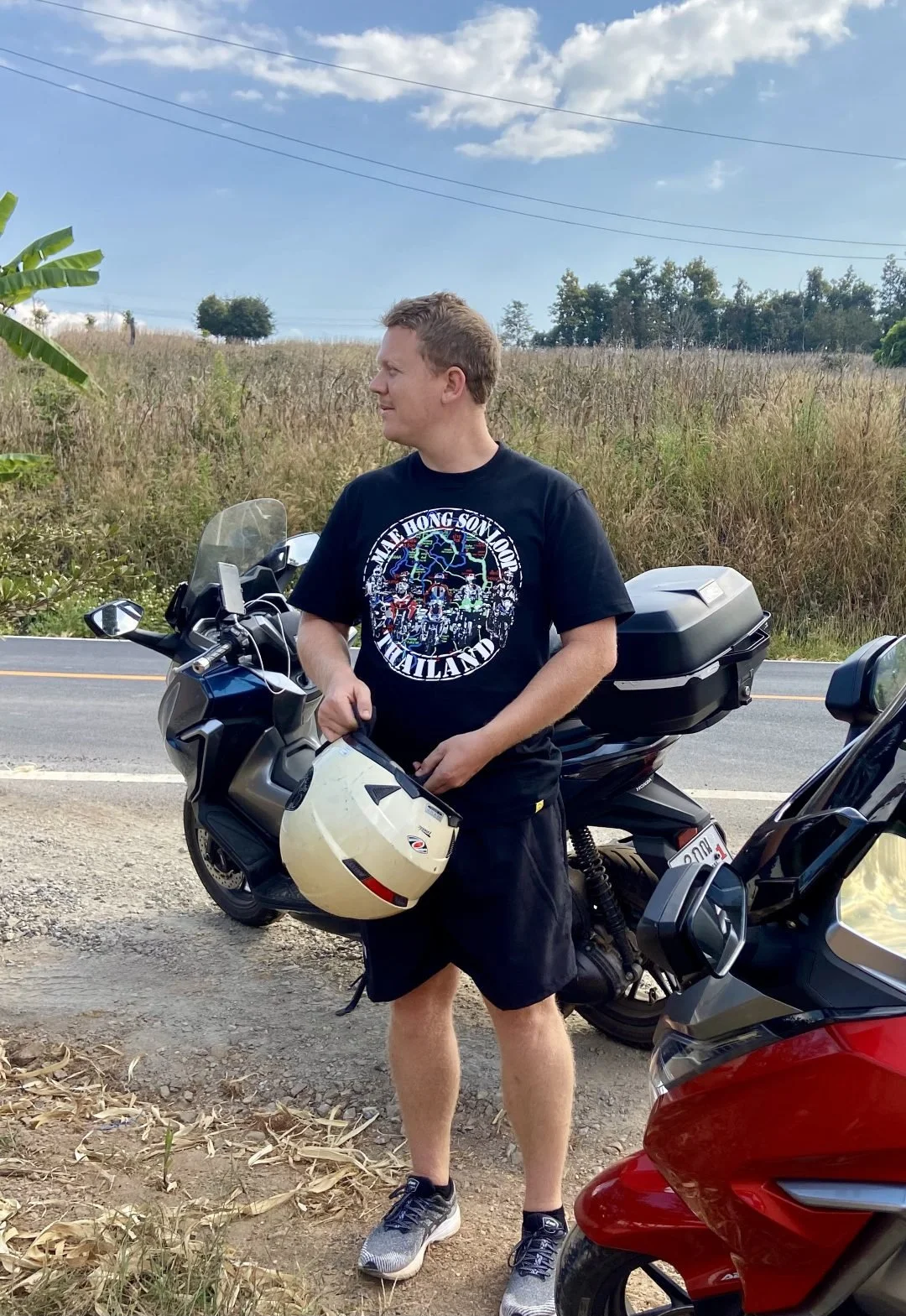
Mae Hong Son town is an ideal place to pause mid-morning, offering a strong local character. Stop for a coffee and browse the small shops selling handmade goods and souvenirs. One stop that’s worth seeking out is Padonc Shop, where many riders pick up an iconic Mae Hong Son Loop t-shirt as a keepsake. It’s a small tradition among travelers and a fitting way to mark your progress around the loop.

After your break, continue riding south on Highway 108 until you reach the junction at Khun Yuam, where you’ll turn onto Route 1263. Almost immediately, the atmosphere shifts. Traffic drops away and the sense of isolation becomes unmistakable.

Route 1263 feels wonderfully removed from the main flow of the Mae Hong Son Loop, cutting through a landscape shaped by rolling mountains and broad valleys. The road threads its way between steep, forested hills, dropping occasionally into pockets of farmland where rice fields spread out across the valley floor. Long stretches pass without seeing another traveler, giving the ride a quiet, almost meditative quality.

By the time you reach Mae Chaem, the landscape opens into a broad valley backed by mountains. Our final night was spent at Ban Rai Jai Chaem Homestay, located on the outskirts of town in the countryside. The ride there was beautiful, but it wasn’t until we settled in that we realised just how rural the setting was.

That night, we were woken around 5 am by a full chorus of rural life: birds, cats, cows, roosters, and just about every other animal you can imagine creating a cacophony of sound. At first, it was frustrating to lose a few hours of sleep. Then, almost immediately, we burst out laughing. We had never heard so many animals making noise at the same time. It was chaotic and memorable, and it perfectly captured the authentic spirit of the Mae Hong Son Loop.

Mae Hong Son Loop - Riding to Sang Poy Cottage

Sang Poy Cottage

Mae Hong Son Loop - T-Shirt

T-shirt from Padonc Shop

Mae Hong Son Loop - Traditional Clothing

Route 1263

Mae Hong Son Loop - Route 1263 Small Towns

Route 1263

Mae Hong Son Loop - Rolling Green Hills

Mae Chaem

Mae Hong Son Loop - Ban Rai Jai Chaem

Ban Rai Jai Chaem Homestay

Mae Hong Son Loop - Ban Rai Jai Chaem Homestay

Ban Rai Jai Chaem Homestay

Day 5: Doi Inthanon & Back to Chiang Mai

The final day of the journey takes you from the rural calm of Mae Chaem back toward Chiang Mai, with a memorable finale through Doi Inthanon National Park. Leaving Mae Chaem behind, the road gradually begins to climb, and the air cools noticeably as you ascend into higher elevations.

Doi Inthanon National Park is home to Thailand’s highest peak, and even if you don’t ride all the way to the summit, the change in scenery alone makes the detour worthwhile. The park’s interior feels lush and alpine, with moss-covered trees, cloud forest, and frequent pockets of mist drifting across the road. Waterfalls such as Wachirathan are easy to access and make natural stopping points, offering a chance to stretch your legs and take in the cooler mountain atmosphere.

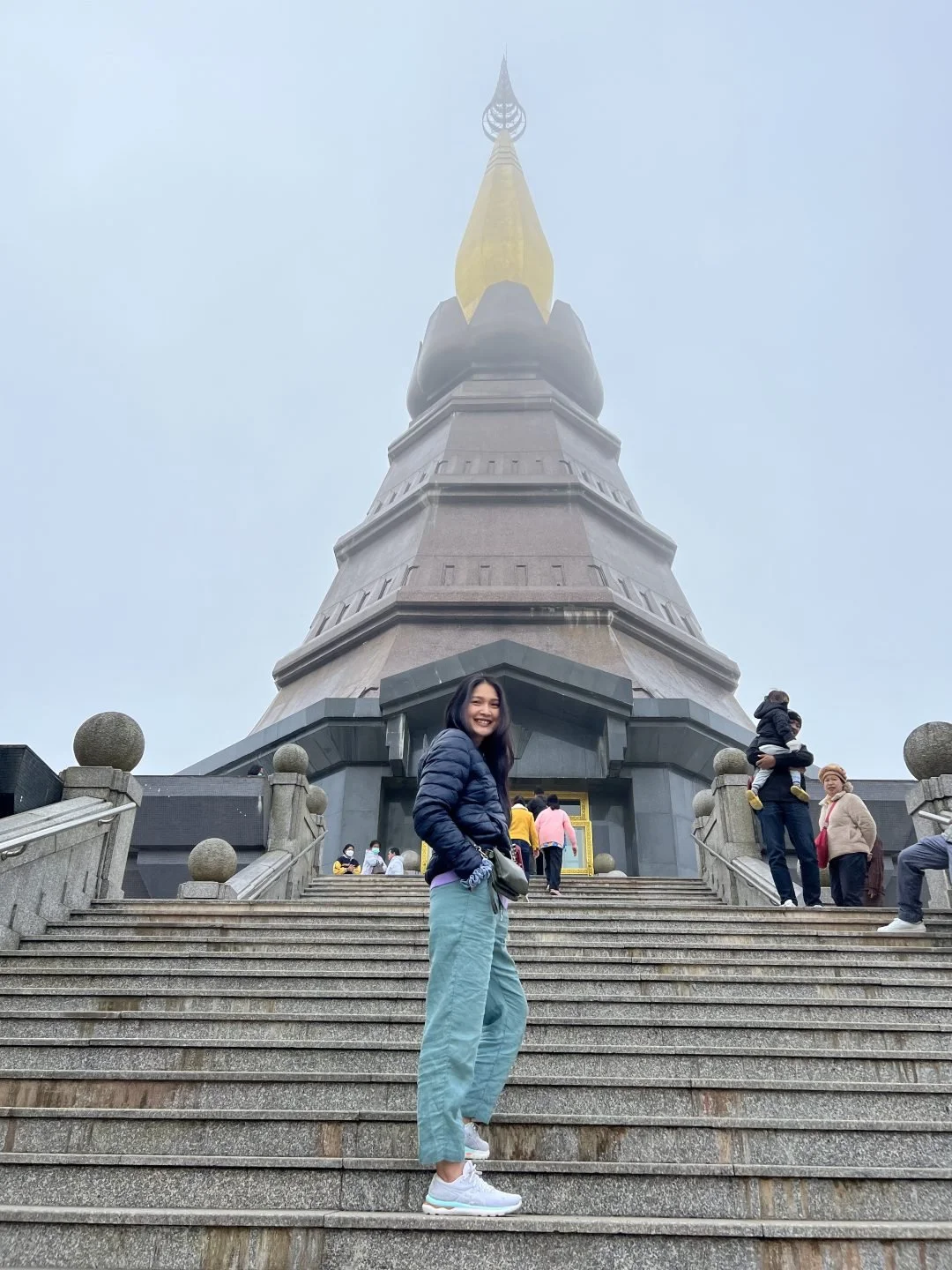
One of the highlights is visiting the King and Queen Pagodas, perched high above the surrounding valleys. From here, panoramic viewpoints open up across rolling hills and layered mountain ridges, often partially veiled by low-hanging clouds. The manicured gardens surrounding the pagodas provide a peaceful contrast to the raw landscapes you’ve been riding through over the past few days.

After exploring the national park, the road descends steadily toward Chiang Mai. Temperatures rise, traffic slowly returns, and the familiar signs of city life begin to appear. Rolling back into Chiang Mai feels satisfying, a return to comfort after days of adventure on the road.

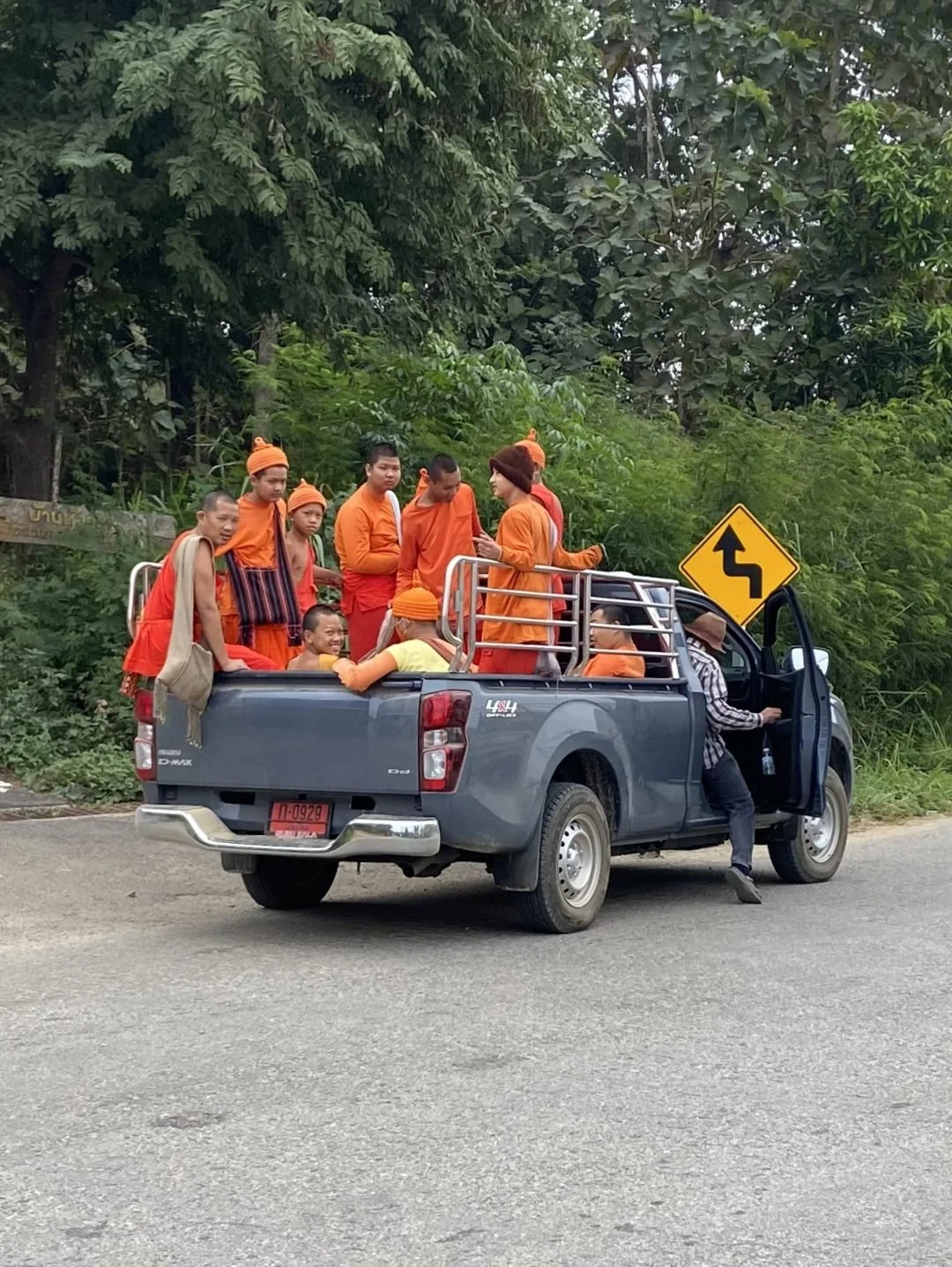
Mae Hong Son Loop - Buddhists in Ute

Doi Inthanon

Doi Inthanon Temple Mae Hong Son Loop

Doi Inthanon

Mae Hong Son Loop - Doi Inthanon National Park

Doi Inthanon

Mae Hong Son Loop - Doi Inthanon Pagodas

Doi Inthanon

Mae Hong Son Loop - Doi Inthanon Motorbikes

Doi Inthanon

When To Do the Mae Hong Son Loop

The best time to ride the Mae Hong Son Loop is November to January, during Northern Thailand’s cool season. This period offers the most reliable riding conditions, with clear skies, cooler daytime temperatures, and excellent visibility across the mountains and valleys. Mornings can be crisp at higher elevations, especially around places like Doi Inthanon National Park, but overall the climate is comfortable for long days on the road.

From February to April, the region enters the burning season, when farmers clear fields by fire. This often results in smog and haze, which can significantly reduce visibility and affect air quality. Riding during this time is still possible, but views are frequently obscured and prolonged exposure to smog can be unpleasant.

We rode the loop in December and enjoyed mostly sunny, dry conditions. The only exception was at higher elevations, where fog, colder air, and sudden temperature drops were common. If traveling at this time of year, packing a warm layer is essential.

Tips for the Mae Hong Son Loop

  • Plan for a 5-Day Trip: Four nights is ideal in our opinion, with a couple of days each side in Chiang Mai to prepare and recover from the adventure.

  • Enjoy the Riding: The highlight of the Mae Hong Son Loop is the riding itself, not ticking off every attraction. Leave room for spontaneous stops - roadside meals, unmarked viewpoints, and conversations with locals.

  • Book your Accommodation in Advance: Knowing where you’ll sleep each night brings peace of mind in remote areas.

  • Go for 300cc Bikes at Minimum: We recommend at least 300cc motorbikes, especially with a passenger. Make sure your rental includes insurance, and record a video of the bike before leaving.

  • Have the Right Documents: An International Motorbike License is legally required. Rental shops rarely ask, but police checks do occasionally happen. Fines are usually on the spot if you’re caught.

  • Road Conditions are Excellent: Just stay alert, ride defensively, and keep left. You’ll have the adventure of a lifetime on the Mae Hong Son Loop.

Mae Hong Son Loop - Highways

Mae Hong Son Loop

Mae Hong Son Loop - Motorbikes

Mae Hong Son Loop

Kat & Cam

Kat & Cam are the Thai & Kiwi couple behind Thailand Wanderlust.

Next
Next

Koh Rok & Koh Haa: Thailand’s Hidden Snorkeling Paradise