
Ko Panyi: How to Visit Thailand’s Iconic Floating Village
Ko Panyi (or “Koh Panyee”) is a floating fishing village in the Phang Nga province, surrounded by some seriously impressive limestone karsts and mangrove forests. It’s a real community of people, which does a good job of balancing local life with tourism. Although the village can get busy with tour groups visiting at lunchtime, if you go earlier in the morning you’ll get to see fishermen unloading their nets, children going to school, and locals hanging out in stilted wooden houses - all without the crowds.
The highlight for many is the floating football pitch, however we loved Ko Panyi for its narrow walkways and friendly locals. The journey there by longtail boat is also incredible: cruising through the snaking waterways of the mangrove forest and past towering limestone cliffs along the way. All in all, Ko Panyi makes for a superb addition to your Phuket adventures - a place you can easily combine with the nearby Samet Nangshe and James Bond Island.
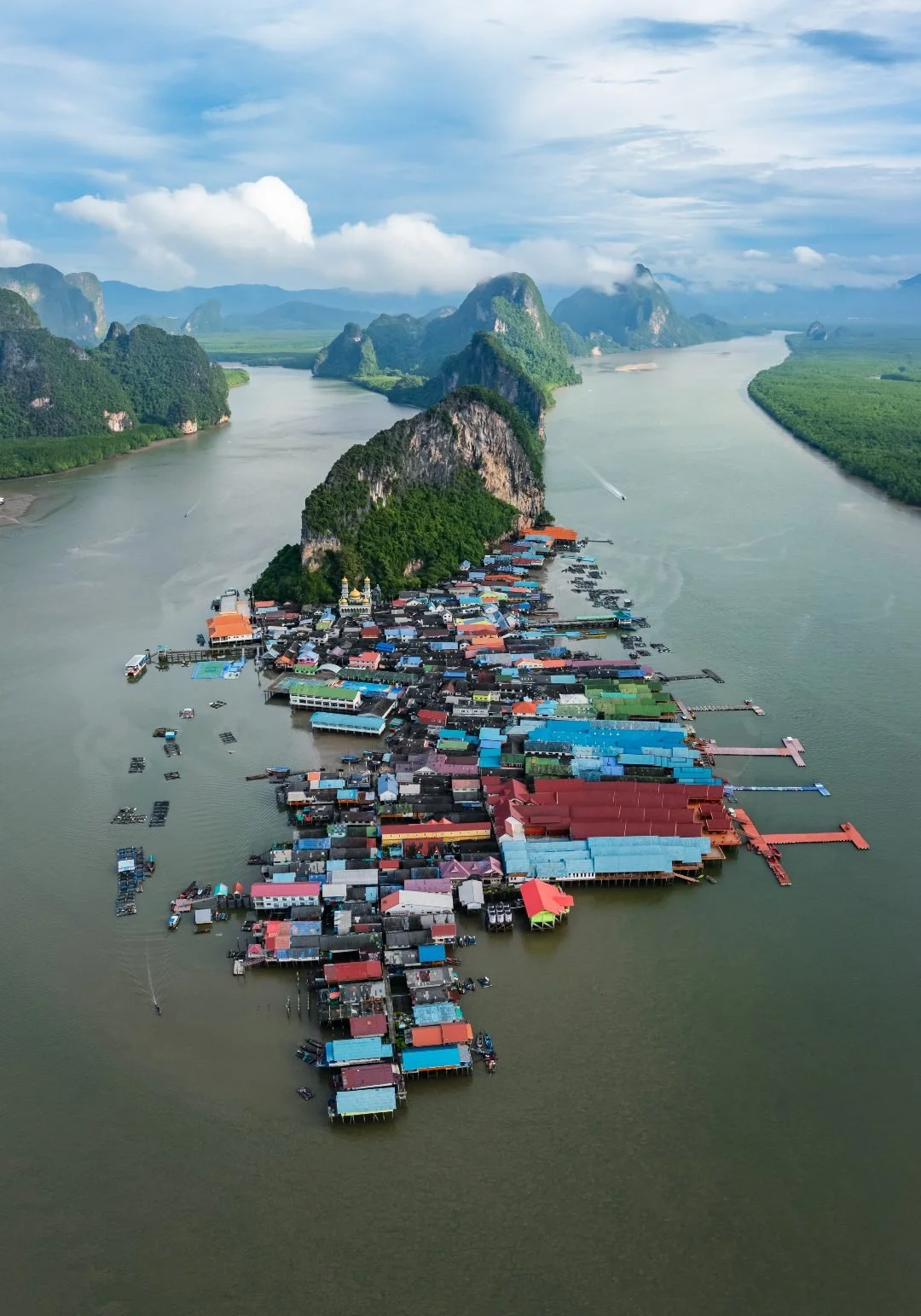
Ko Panyi
Life in Thailand’s Iconic Floating Village
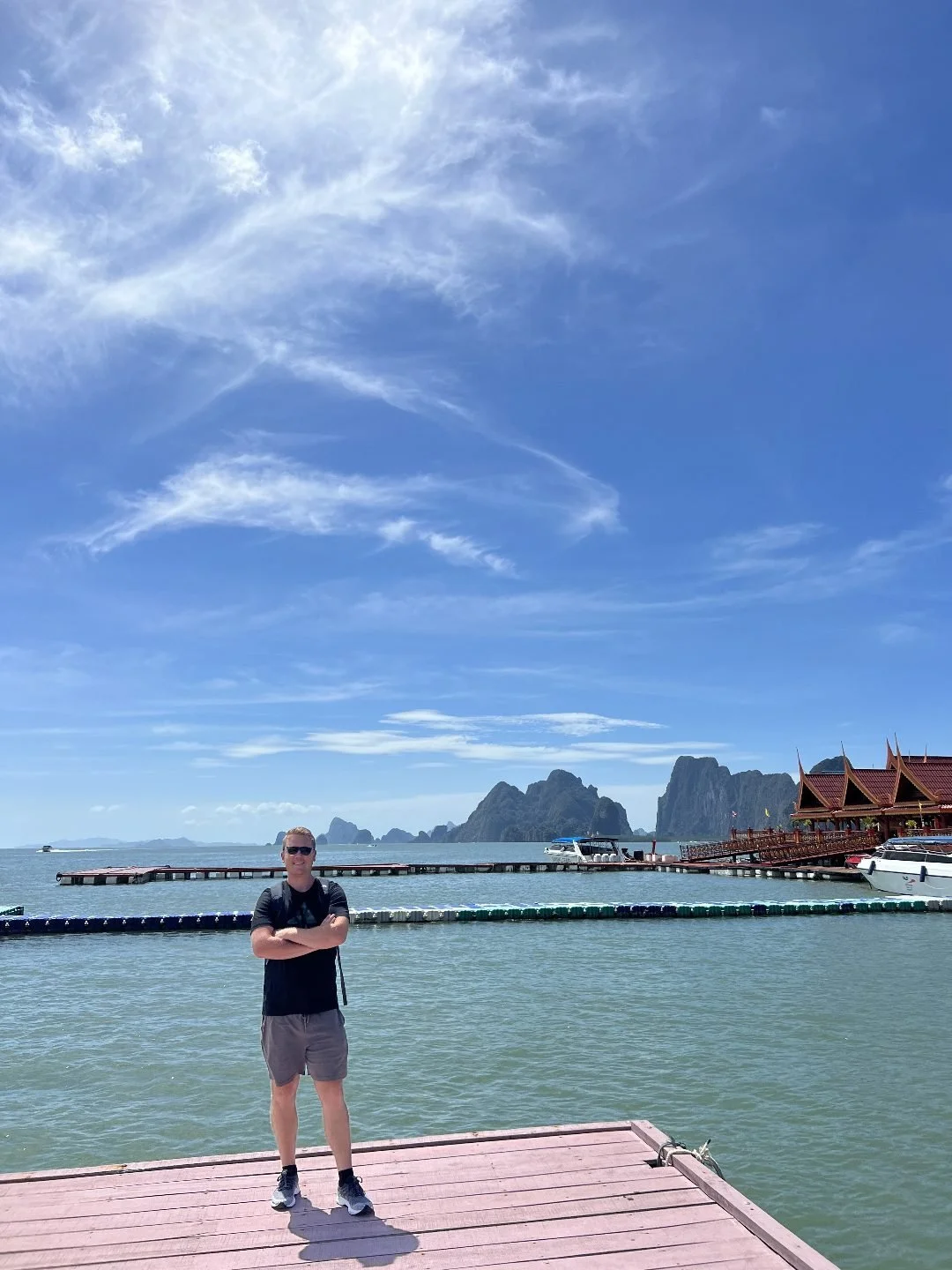
The floating village of Ko Panyi is built around the base of a massive limestone wall - with homes, shops, restaurants, and walkways extending out over the water on stilts. There’s no bridge to Ko Panyi - the only way to get there is by longtail or speedboat. Everything from food and fuel, to building materials and school supplies, are delivered by boat.
Part of what makes the village so fascinating is its history. It began over 200 years ago, when three fishing families from Indonesia headed north in search of new fertile fishing grounds. During this time in Thailand, foreign settlers weren’t actually allowed to own land. They didn’t want to leave the area, so instead used their maritime expertise to build over the water - constructing wooden platforms, and later houses, supported by stilts.
These days, Ko Panyi has a population of around 2,000 residents, many of which are descendants of the original settlers. Most follow Islam, and the mosque (with its golden domes) is considered the most important religious site in the village. You might even hear the call to prayer on your visit, in addition to kids laughing on the way to school, fishermen whizzing by, and shop owners welcoming you in to buy crafts, jewellery, and snacks.
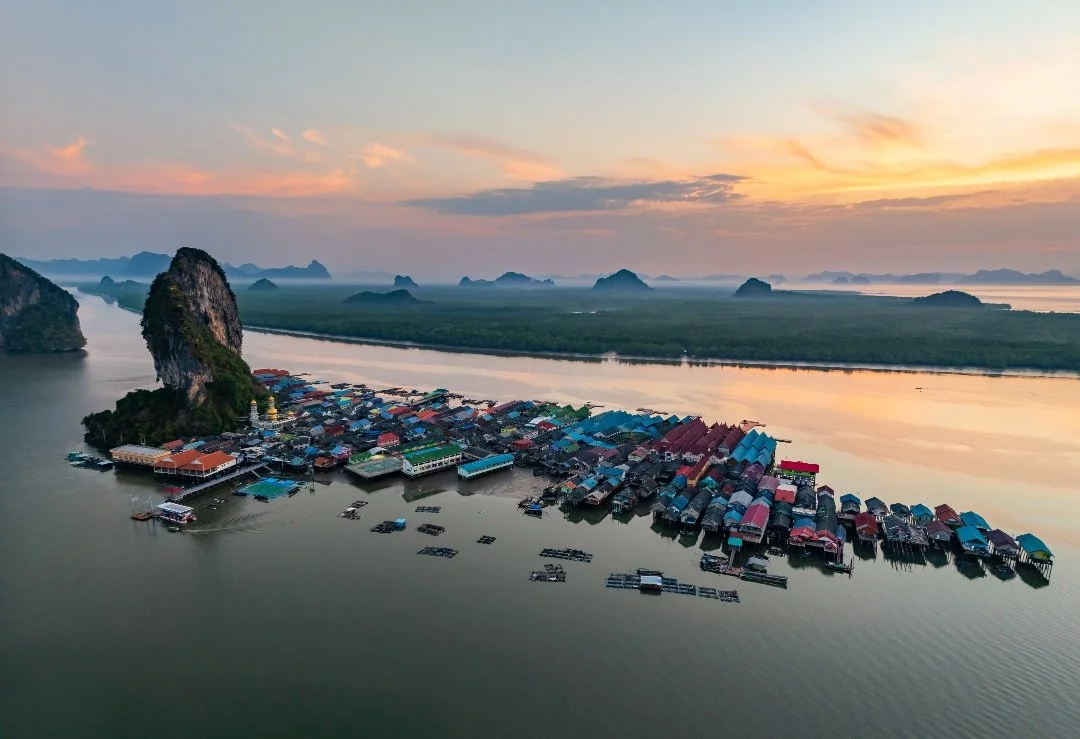
Ko Panyi
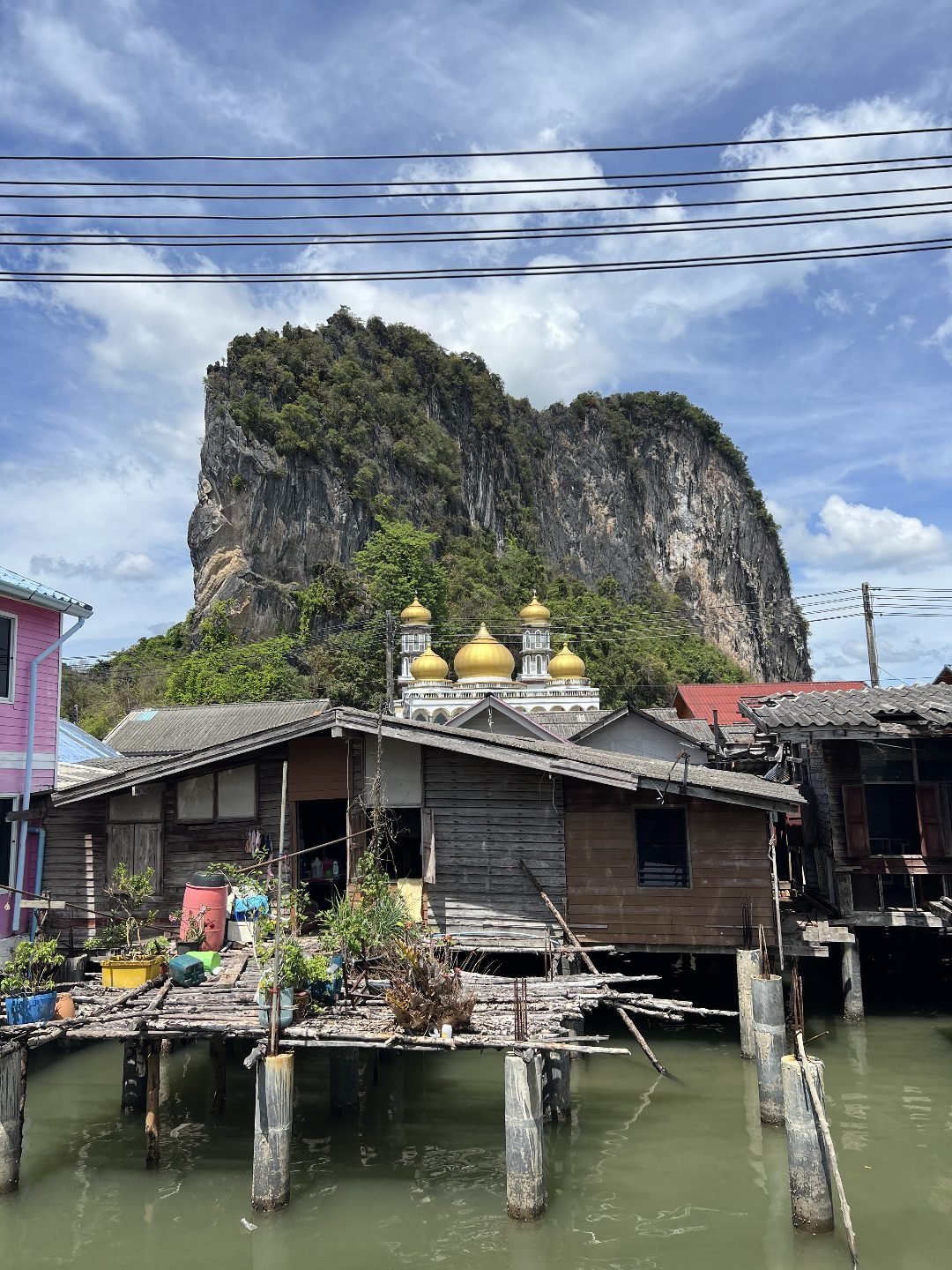
Ko Panyi mosque
How to Get to Ko Panyi from Phuket
First of all, you need to head to Surakul Pier. We recommend hiring scooters in Phuket and leaving early in the morning to beat both the heat and the crowds. Having your own transport is also handy for visiting other spots in Phang Nga Bay and (in general) making the most of the day. We departed from our hotel in the Old Town, and followed the highways and rural roads out of town. It took us about 90 minutes to get to the pier.
When we arrived, it was easy to find a park and then begin negotiating prices for a longtail trip. If you simply turn up, like we did, you might get quoted a high price. For this reason, you should always barter the price down a bit - doing so in a polite and playful manner. We went during the dry season, which provided ideal weather, but going in the rainy season is possible as well. Just wait for a clear day because the scenery deserves it.
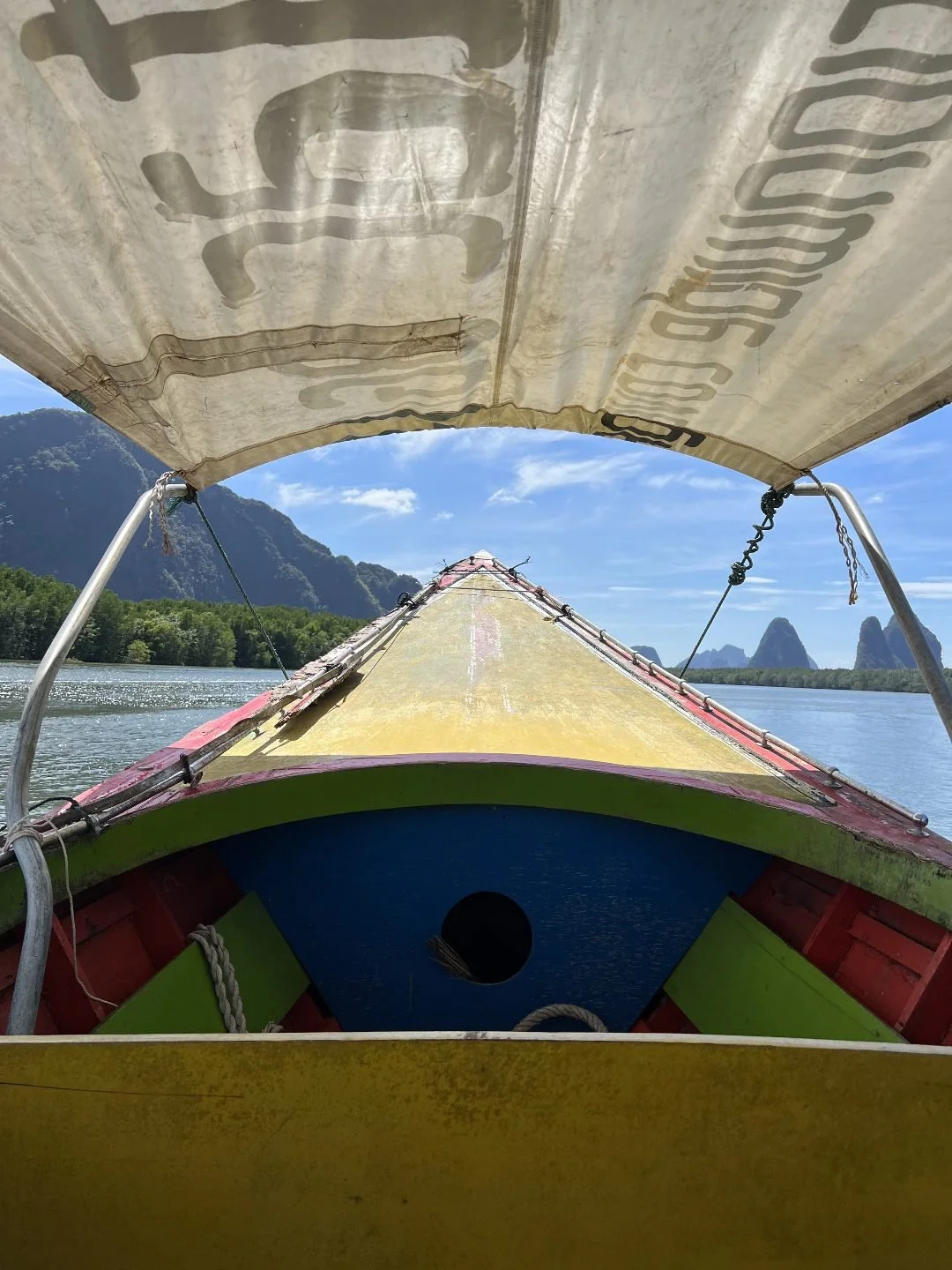
Longtail boat ride
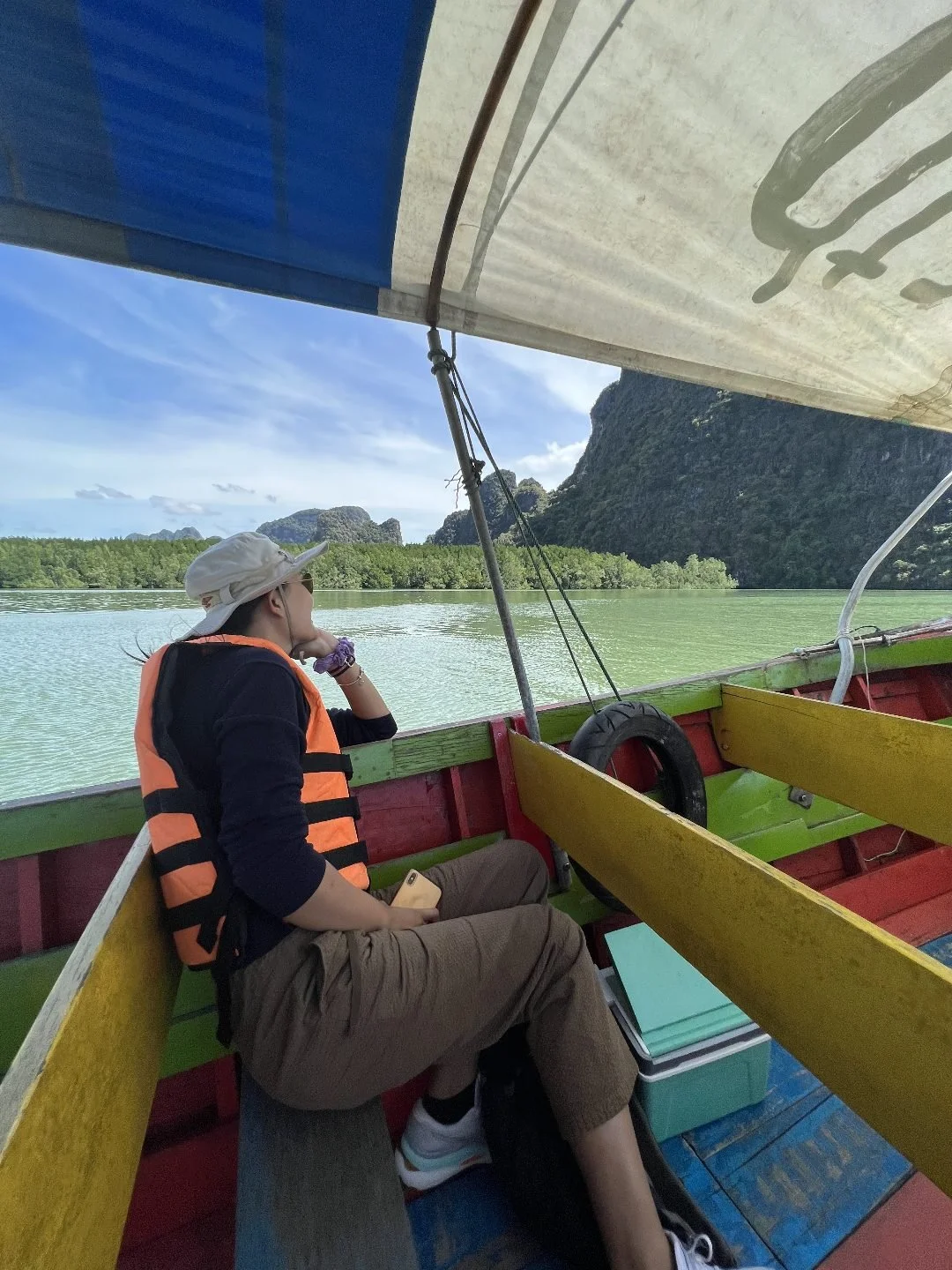
Longtail boat ride
The Longtail Trip from Surakul Pier
It was only us and the captain in the longtail: a quirky looking yellow vessel that handled the calm waters with ease. The scenery was out of this world spectacular: limestone karsts everywhere you look framed by rows of lush forest. Then the open Phang Nga Bay comes into view and you can see an enormous limestone wall with rustic wooden houses built right up to it.
Stepping onto the platform, you see even more limestone peaks scattered across the bay - creating one of the best views in Thailand in our opinion. The longtail ride only takes 20-30 minutes and is one of those experiences you wish would last longer. That’s why we think it’s worth paying for a private longtail trip - it’s not as cheap as a small group tour, for example, but having that peace and serenity in the mangroves is priceless.
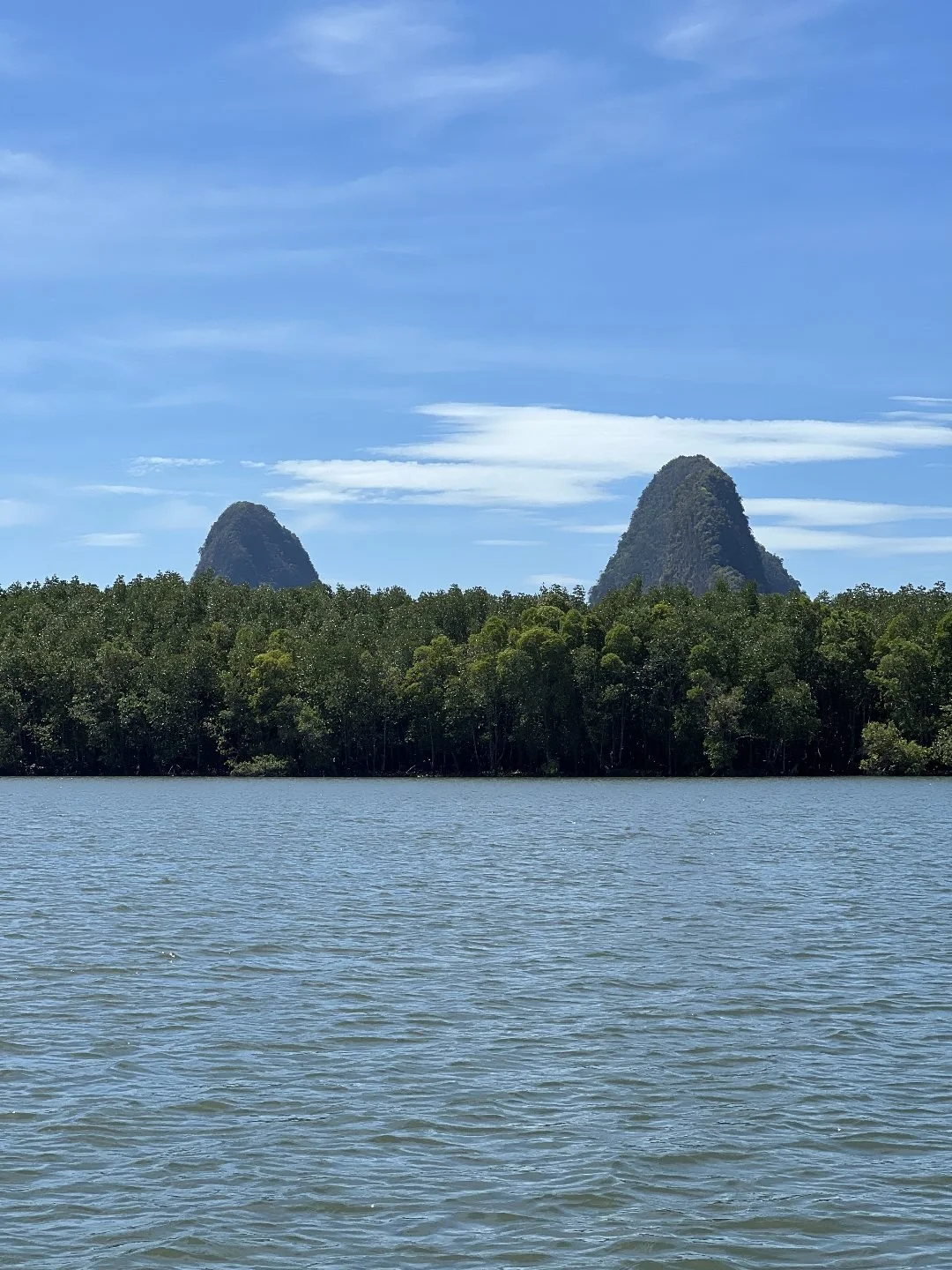
Mangroves of Phang Nga Bay
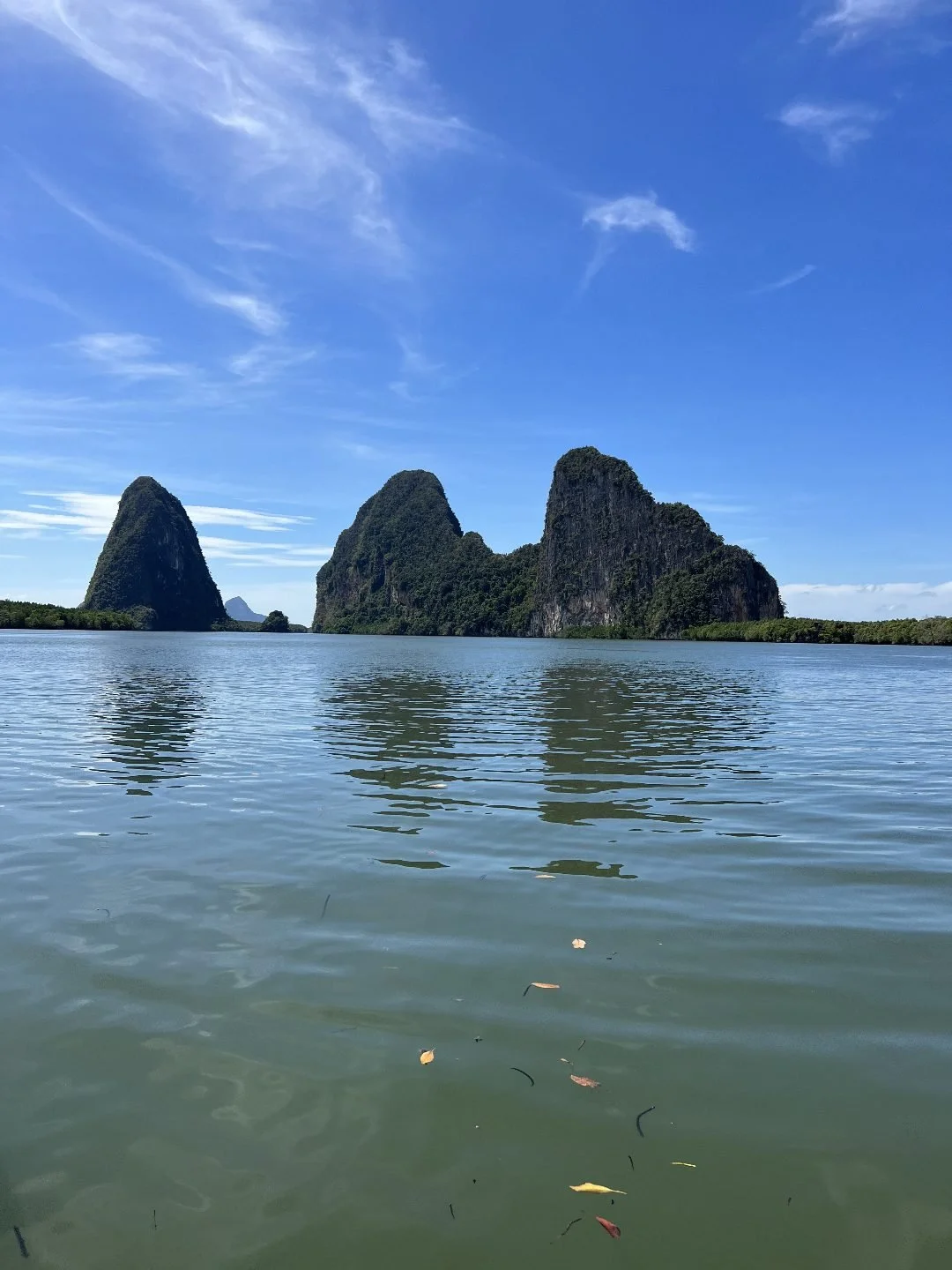
Mangroves of Phang Nga Bay
Arriving and Navigating Ko Panyi
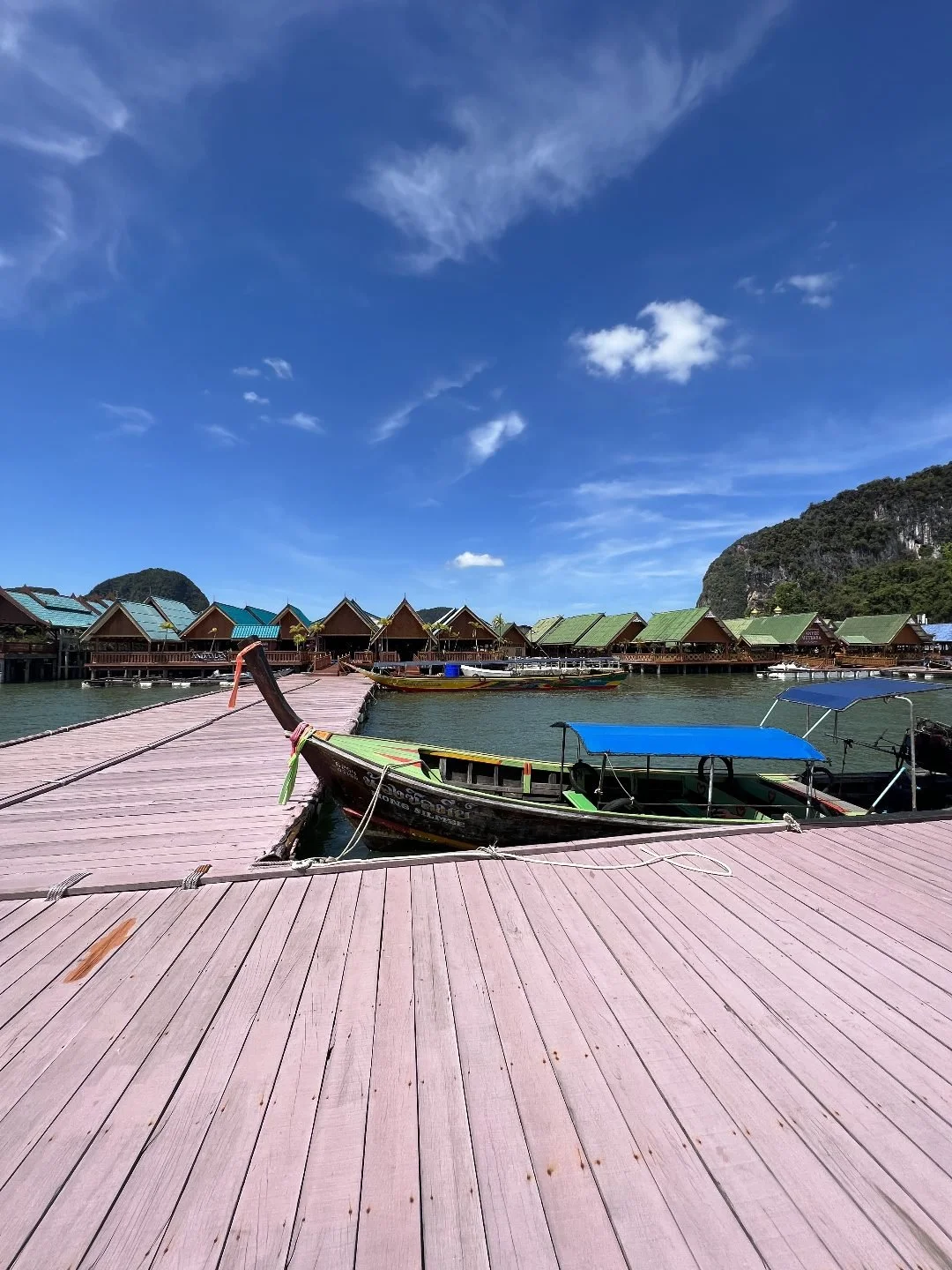
Your longtail captain will typically dock at a floating pier or restaurant platform, and wait for you while you explore the village. A series of walkways lead into the main village, and signs guide you to all the main attractions: the football pitch, school, and mosque area. Some of the paths get pretty tight which means congestion becomes a problem during busier periods. As you wander around the village, you’ll see the structures anchored to the sea floor - a staggering feat of DIY engineering.
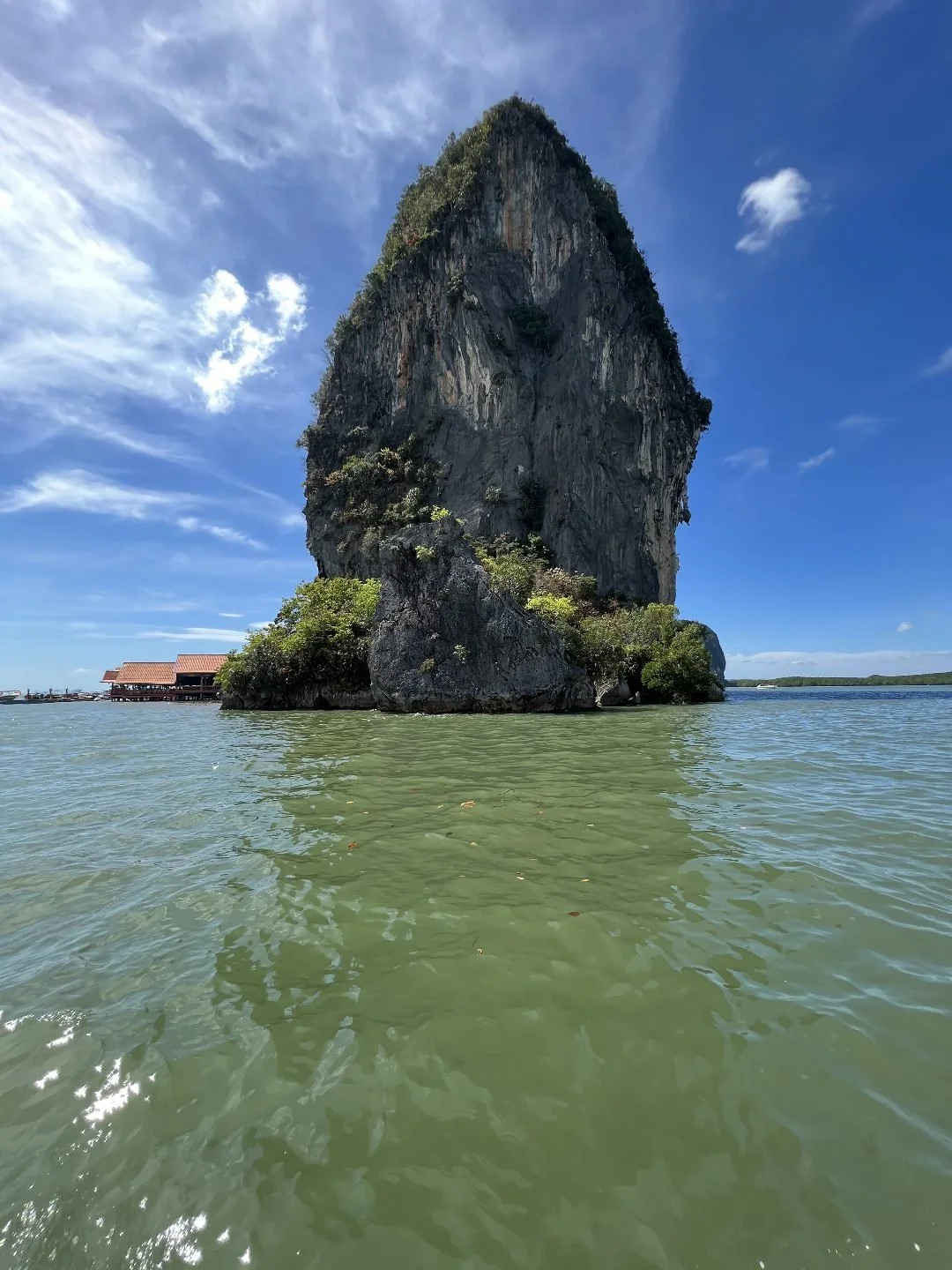
Limestone wall of Ko Panyi
Arriving at Ko Panyi
Best Things To Do in Ko Panyi
Walk the Wooden Paths and Shop Locally
Two or three hours is enough to get a feel for Ko Panyi, although you might want to stay longer if you’re having lunch. Naturally, the first thing you’ll do is wander around the walkways - getting lost in local life. Then you might want to do a bit of shopping. You’ll find everything from seafood snacks and drinks, to jewellery and souvenirs. Most people here can speak basic English - enough to finalize a sale and partake in some friendly bartering.
Ko Panyi
Visit the School and its Colorful Sports Area
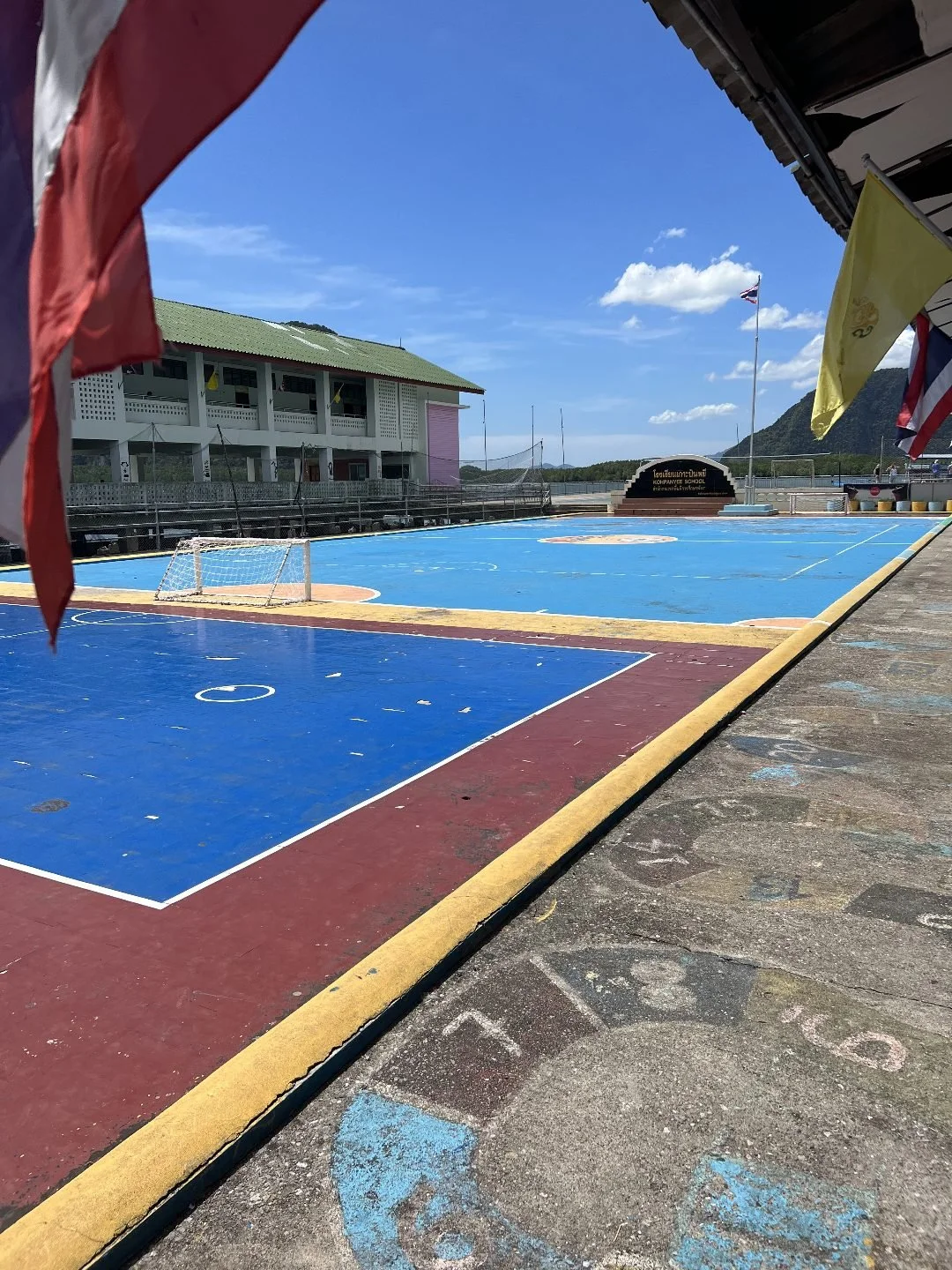
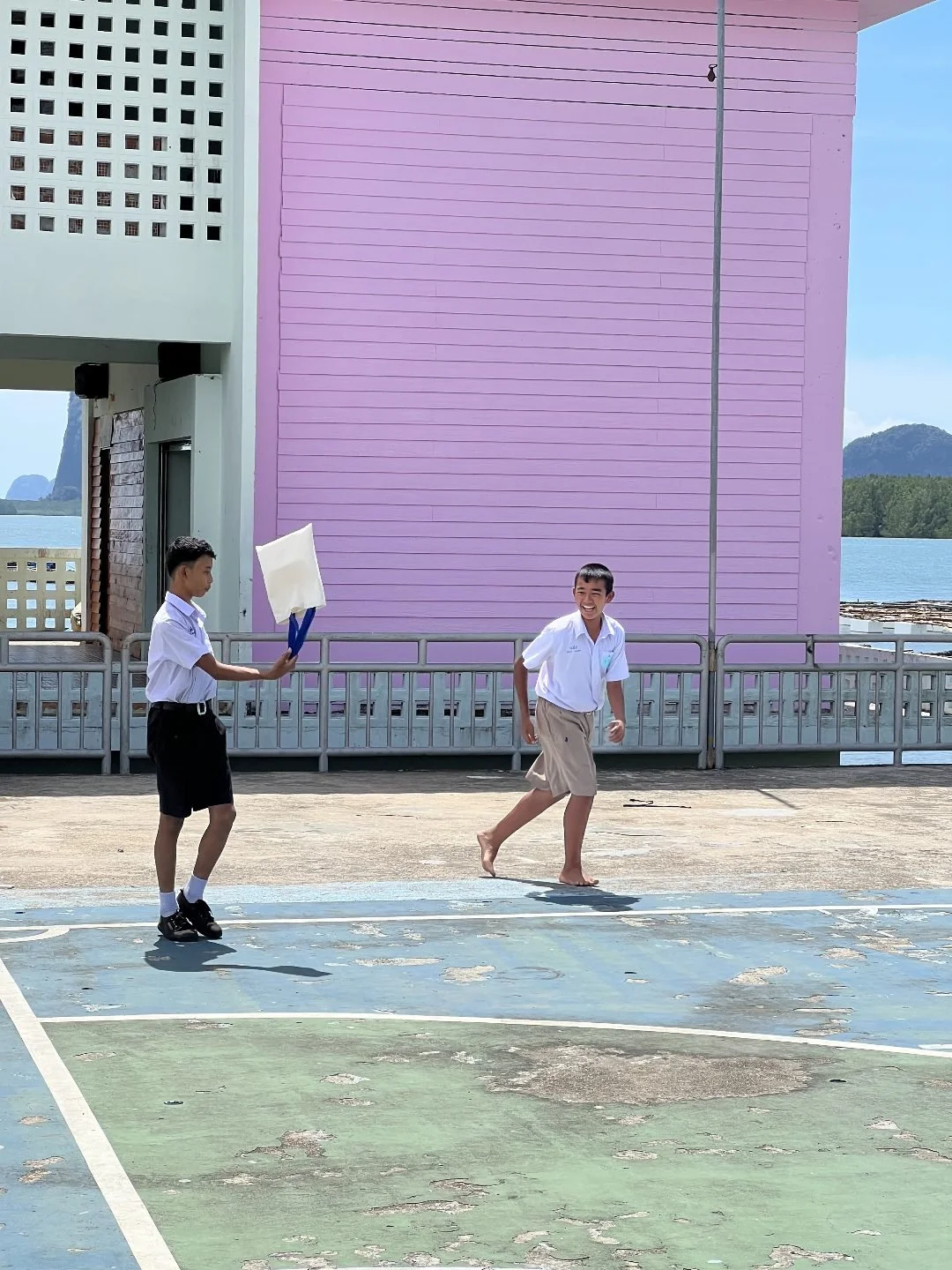
Further inside the village, you’ll reach the school area - giving you one of the most interesting insights into daily life. You can see inside the classrooms, watch kids playing between their lessons, and view the colorful football pitch (different to the famous floating pitch around the corner). One thing that really struck us about Ko Panyi was just how happy the kids seemed here - life in the village is simple but incredibly beautiful.
School at Ko Panyi
School at Ko Panyi
See the Famous Floating Football Pitch
The floating football pitch isn’t far from the school and it’s a place you’ll definitely want to check out. Originally, local school children built it out of scrap wood and old fishing materials, although it has been upgraded in recent years. If you visit in the late afternoon, after school, chances are you’ll see kids playing a game - with stunning limestone karsts as a backdrop.
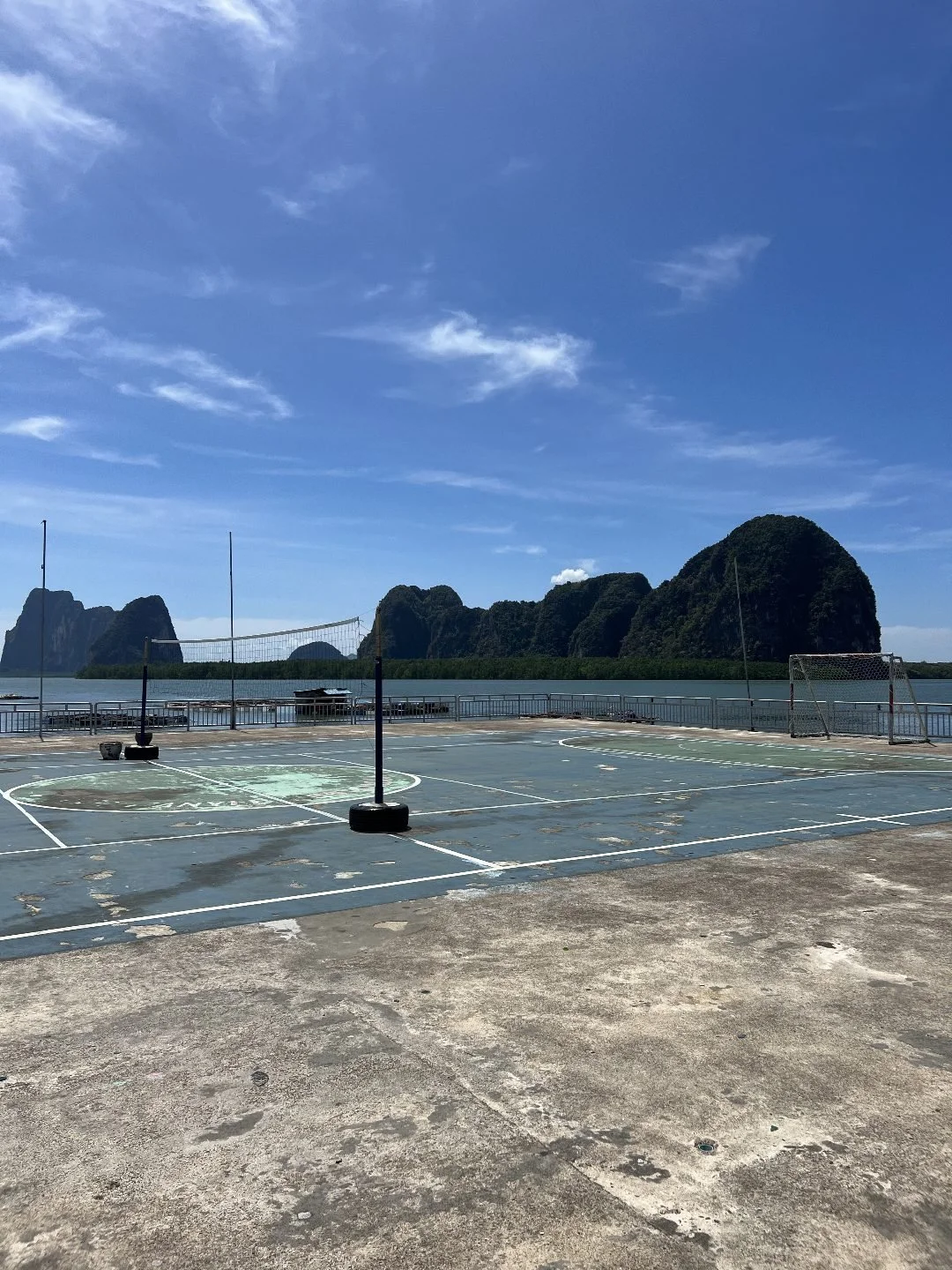
Floating football pitch
Eat Fresh Seafood Over the Water
We came to Ko Panyi in the mid-morning, and after exploring the village for a few hours, we became ravenous. So we decided to sit down for a meal at one of the seafood restaurants by the main arrival platforms. Since we were so hungry, we ordered a banquet of seafood: fried fish, steamed crab, grilled prawns, and more. It was an expensive but delicious exercise.
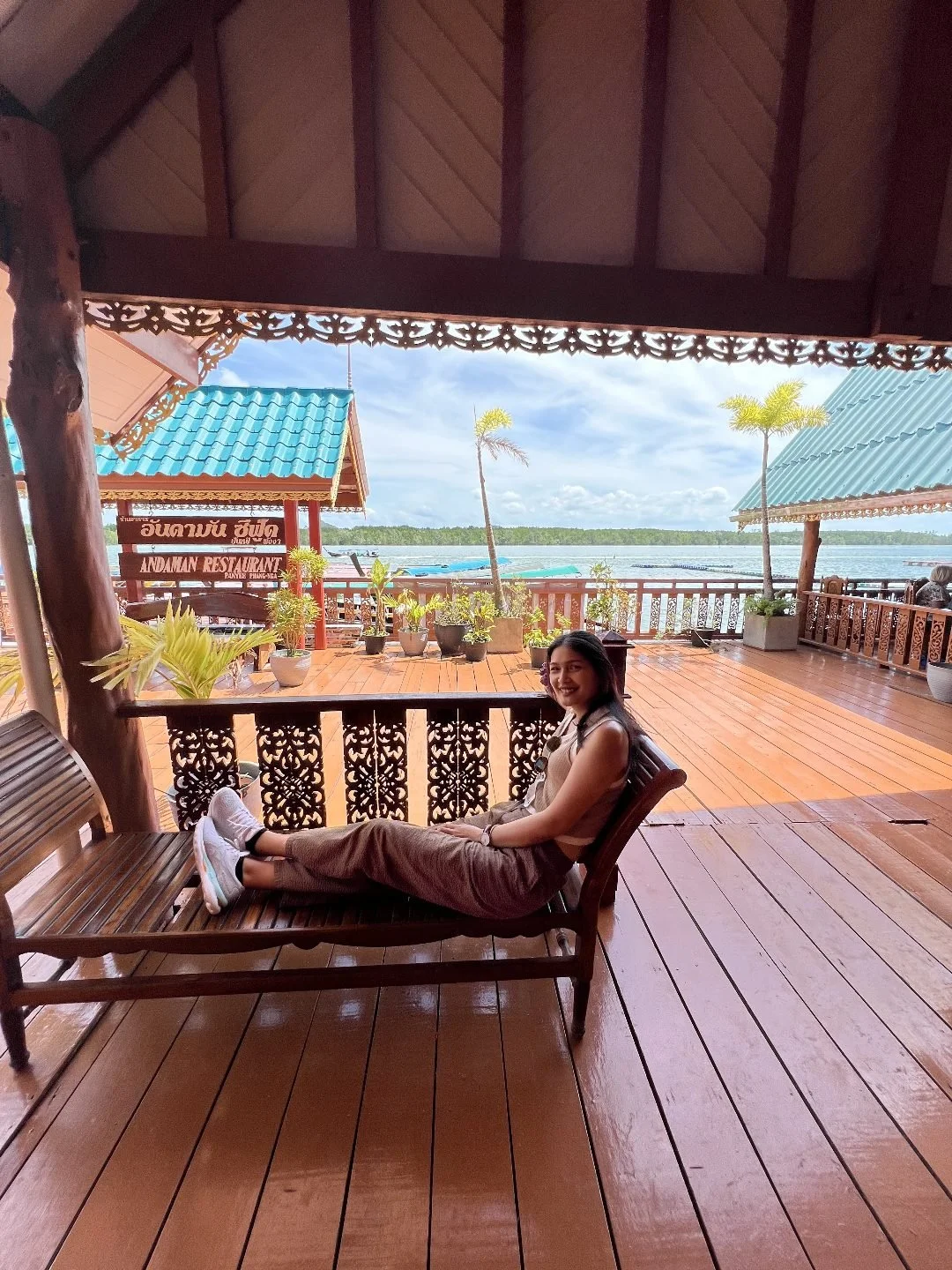
Restaurants of Ko Panyi
FAQs for Visiting Ko Panyi
Where else should I visit in Phang Nga Bay?
On our Phang Nga Bay day trip, we also made time for the two famous viewpoints in Samet Nangshe. The first is the official viewpoint which offers a series of platforms to admire the winding mangroves and limestone karsts of the bay. And the second is Bay View Cafe at Sametnangshe Boutique - providing an even more compelling view (particularly at sunset). You can stay overnight at this hotel if you don’t want to ride back to Phuket at dusk, something we recommend doing.
Book your accommodation: Sametnangshe Boutique
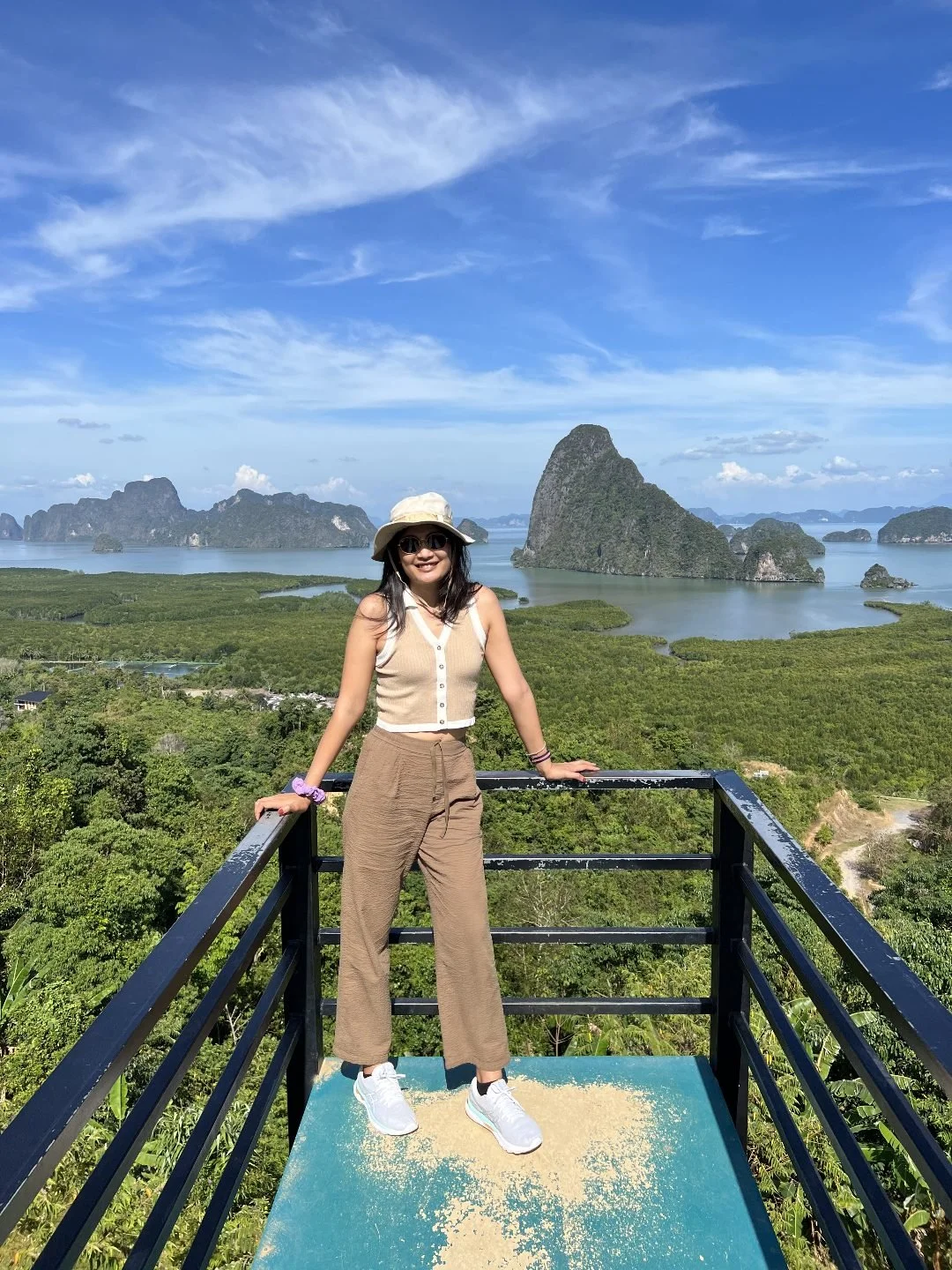
Samet Nangshe Viewpoint
Can I book a tour to Ko Panyi from Phuket?
You can easily book a tour from Phuket, incorporated into a full itinerary that includes James Bond Island and a few other gems. Tours are suited for people who want an organised day - with guides, hotel pick up/drop off, and speedboats. Lunch is usually served at one of the main seafood restaurants of Ko Panyi. Some tours take you kayaking to sea caves as well.
What are some tips for visiting Ko Panyi?
We suggest bringing some cash with you, as cards aren’t accepted at the little stores. You’ll also want to dress modestly, as this is a predominantly Muslim community after all. Shoes are a must to navigate the wooden paths, but pack your flip-flops in a day bag just in case you want to slip into something more comfortable on the longtail ride. Apart from those things, just enjoy yourself: it’s not every day you visit an iconic floating village.
Read more: 50 Thailand Travel Tips: What to Know Before You Go
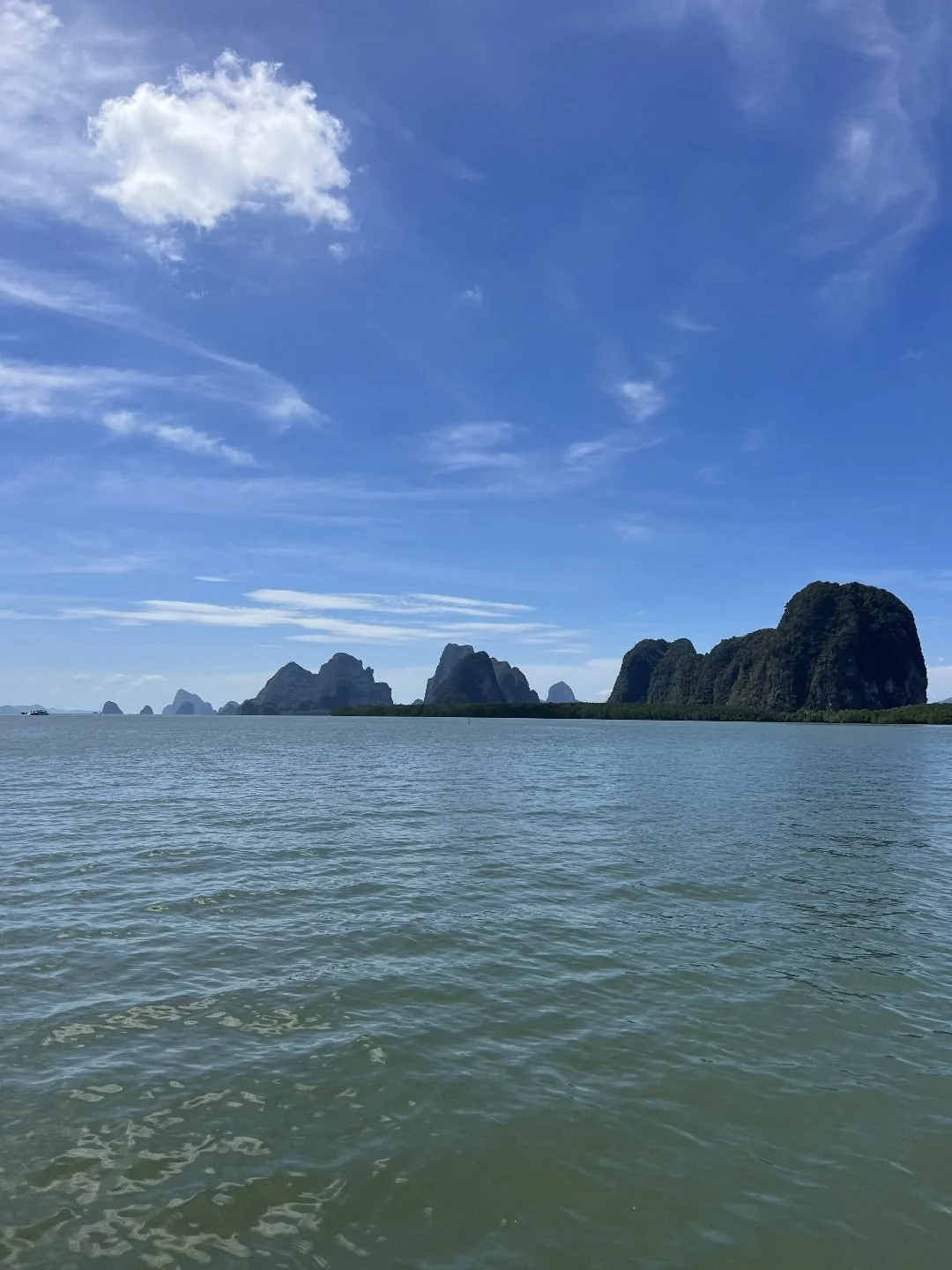
Limestone karsts surrounding Ko Panyi
