
10 Best Temples in Thailand: Golden Buddhas & Ancient Ruins
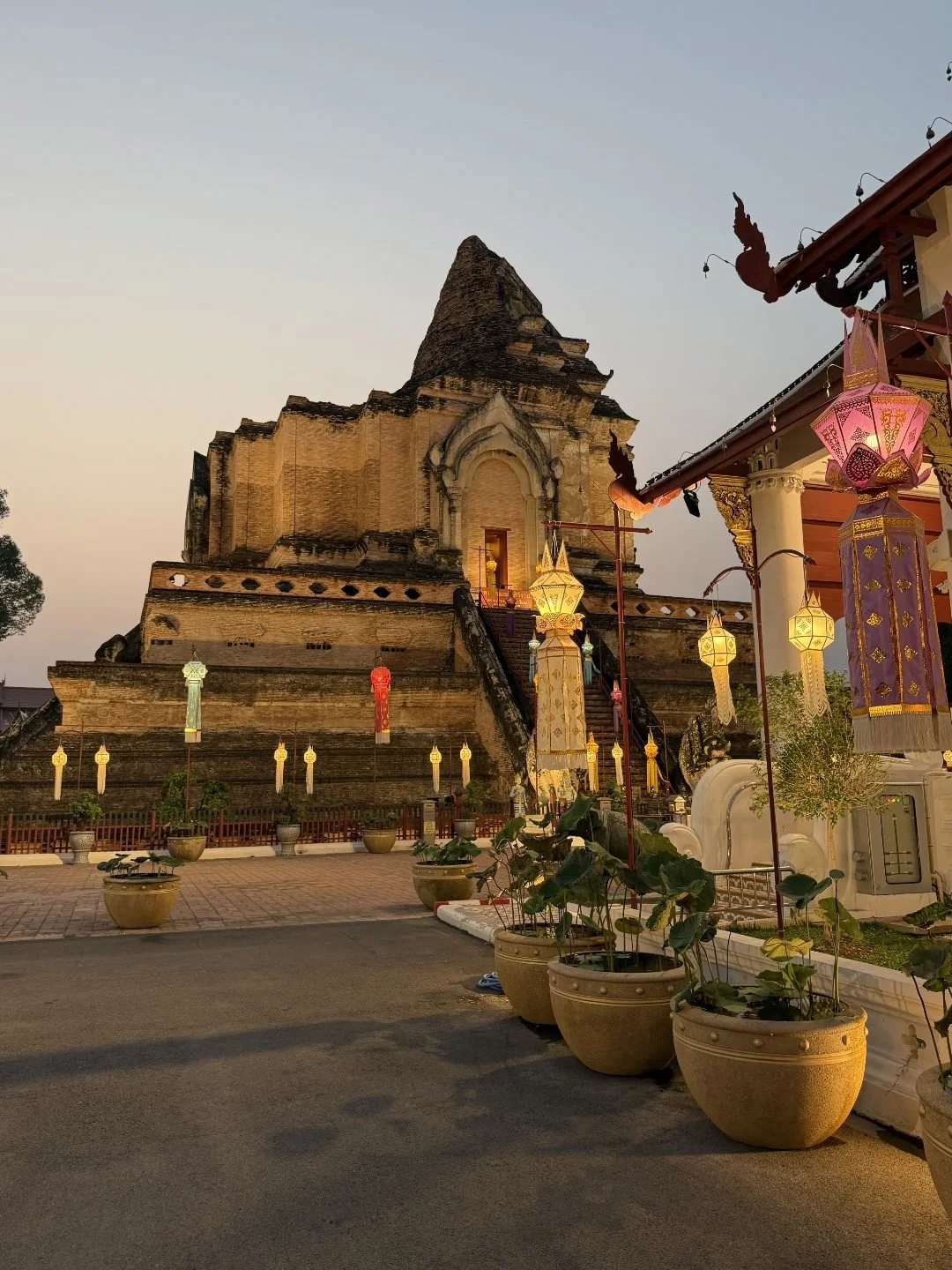
Temples always play a big role on our Thailand travels. For Cam it’s an opportunity to admire the architecture and experience a different culture, and for Kat it’s all about connecting with her roots. There are over 40,000 temples in Thailand with history that stretches back many centuries, and in some cases, over a thousand years. Whether it be the artistic masterpieces of Chiang Mai and Chiang Rai or the ancient ruins of Ayutthaya and Sukhothai, you’ll never get bored of temple-hopping in the Land of the Smiles.
Temples of Thailand
Temples of Thailand
10 Best Temples in Thailand
1. Wat Si Chum - Sukhothai
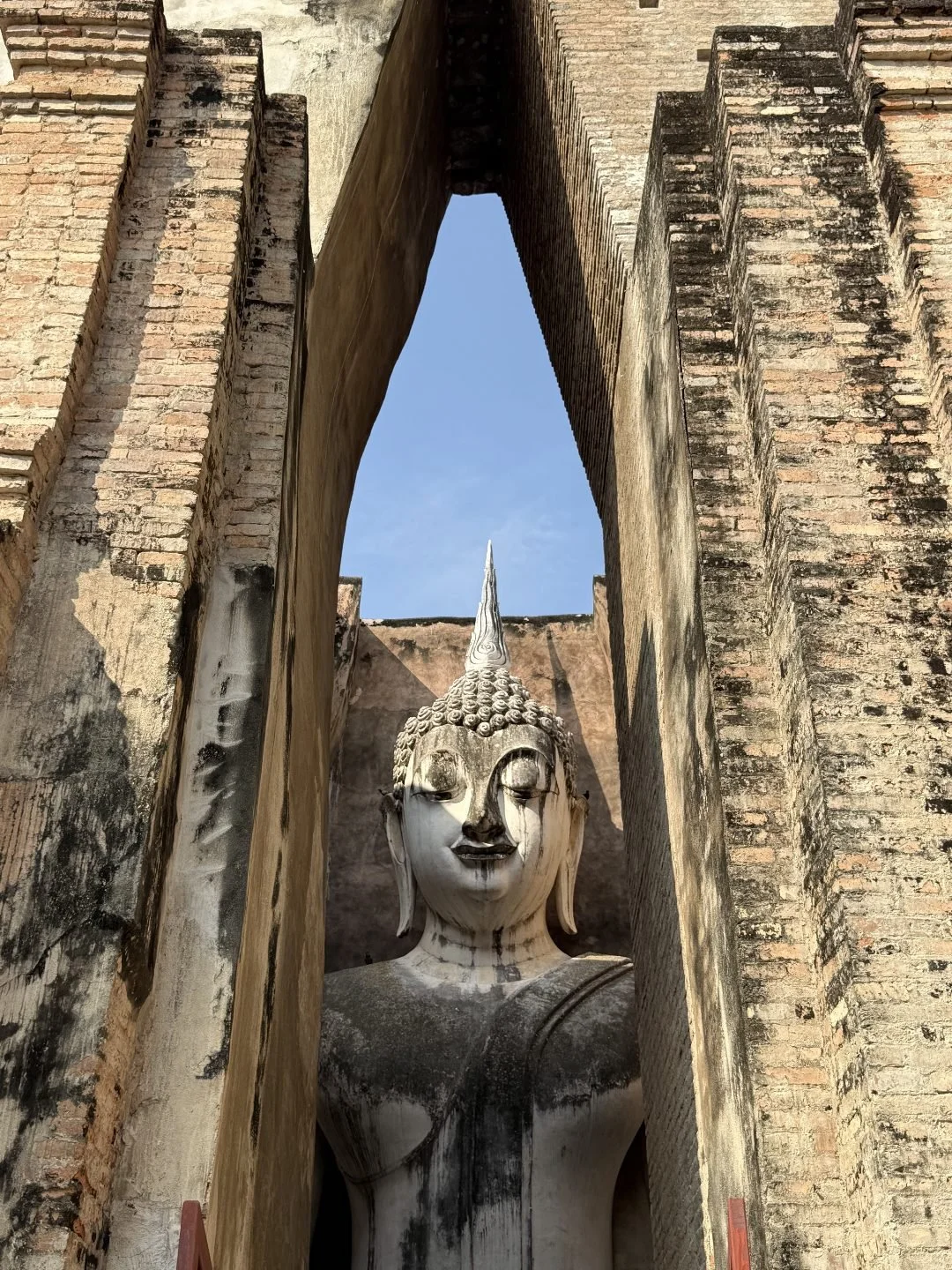
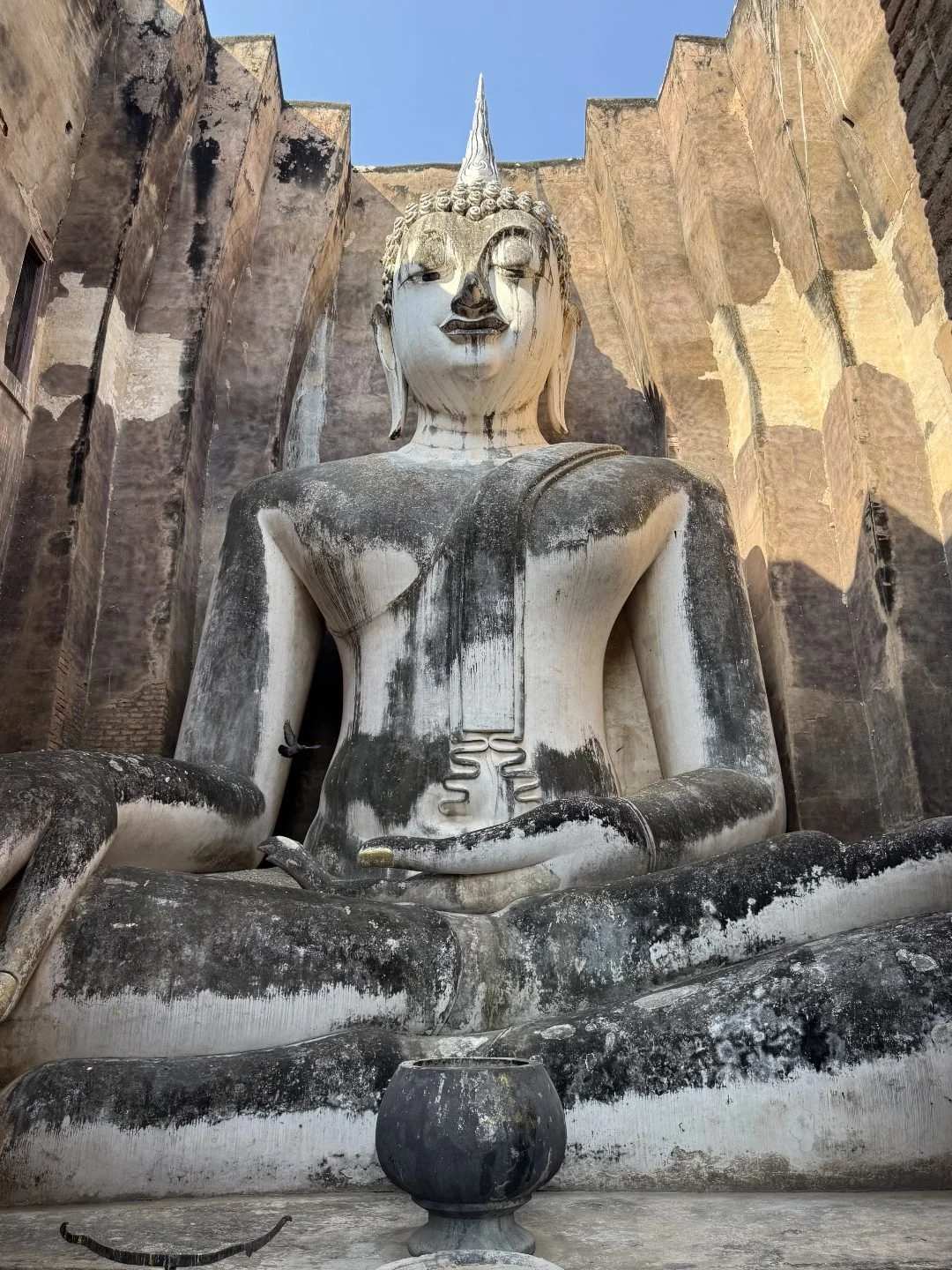
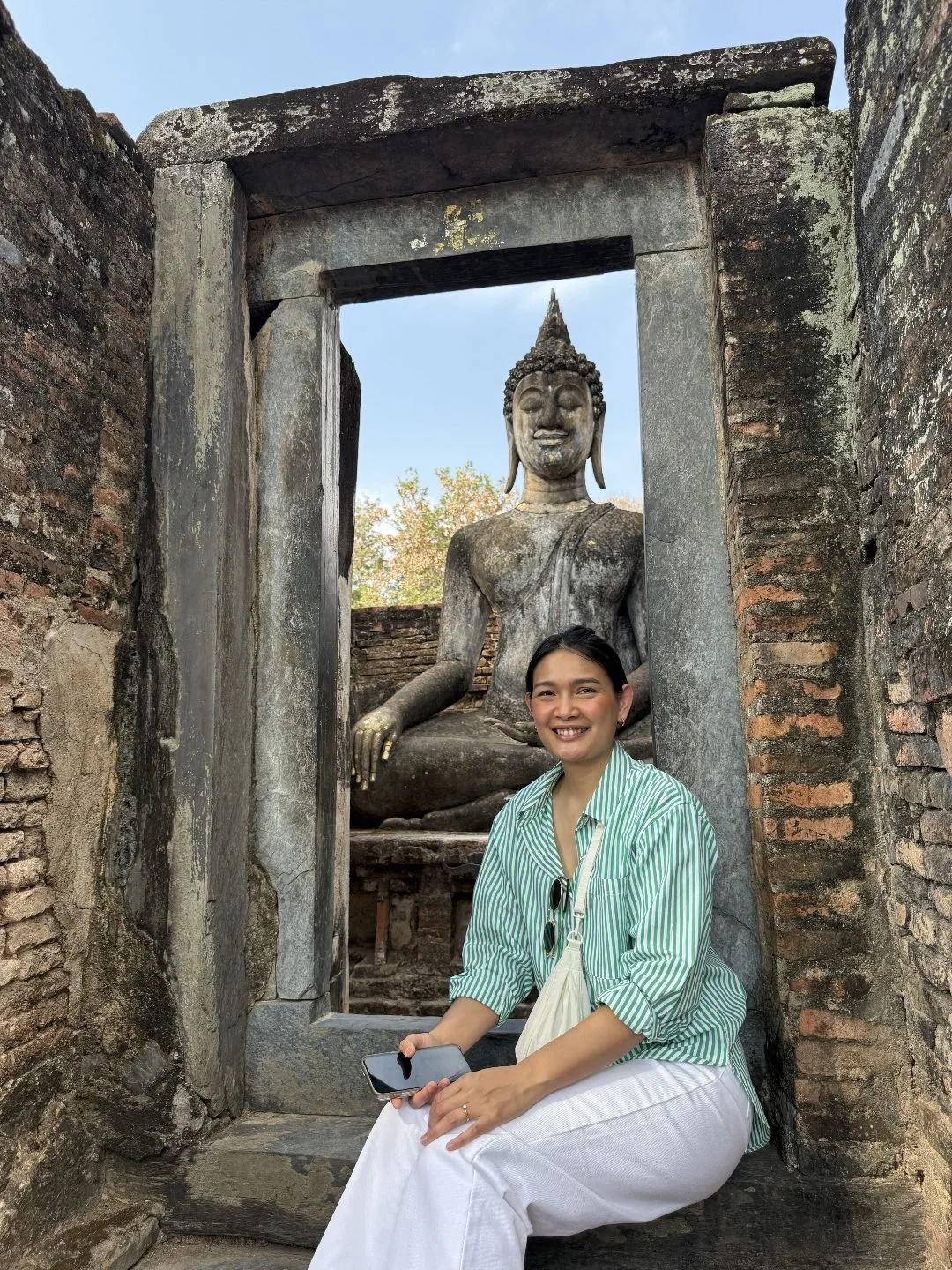
Wat Si Chum, situated just outside the Sukhothai Historical Park, is without doubt our favorite temple in Thailand. The entire visitor experience here is magical: walking towards the temple you slowly start to see the Buddha statue peeking its head through a small vertical gap in the brick walls - a reveal that’s reminiscent of the Treasury in Petra. Once you’re inside, you’ll be blown away by the presence of the seated Buddha statue and (if you’re lucky) get to watch locals making merit, which often includes placing gold leaf on the Buddha’s fingers. The entrance fee is 100 THB for foreigners and 20 THB for Thais, a small price to pay for such an incredible destination.
Wat Si Chum
Wat Si Chum
Wat Si Chum
2. Wat Phra That Pha Sorn Kaew - Phetchabun
Wat Phra That Pha Sorn Kaew has become a viral sensation on social media recently and it’s easy to see why. This temple is perched above the mountains in Phetchabun, with five white Buddha statues layered together like a Russian doll - each one becoming progressively smaller than the one before it. Located near Khao Kho, known as “Thailand’s Little Switzerland”, it’s best visited by car or scooter due to the scenic mountain roads and misty valley views that you can enjoy as part of the journey.

Wat Phra That Pha Sorn Kaew
3. Wat Paknam Phasi Charoen - Bangkok
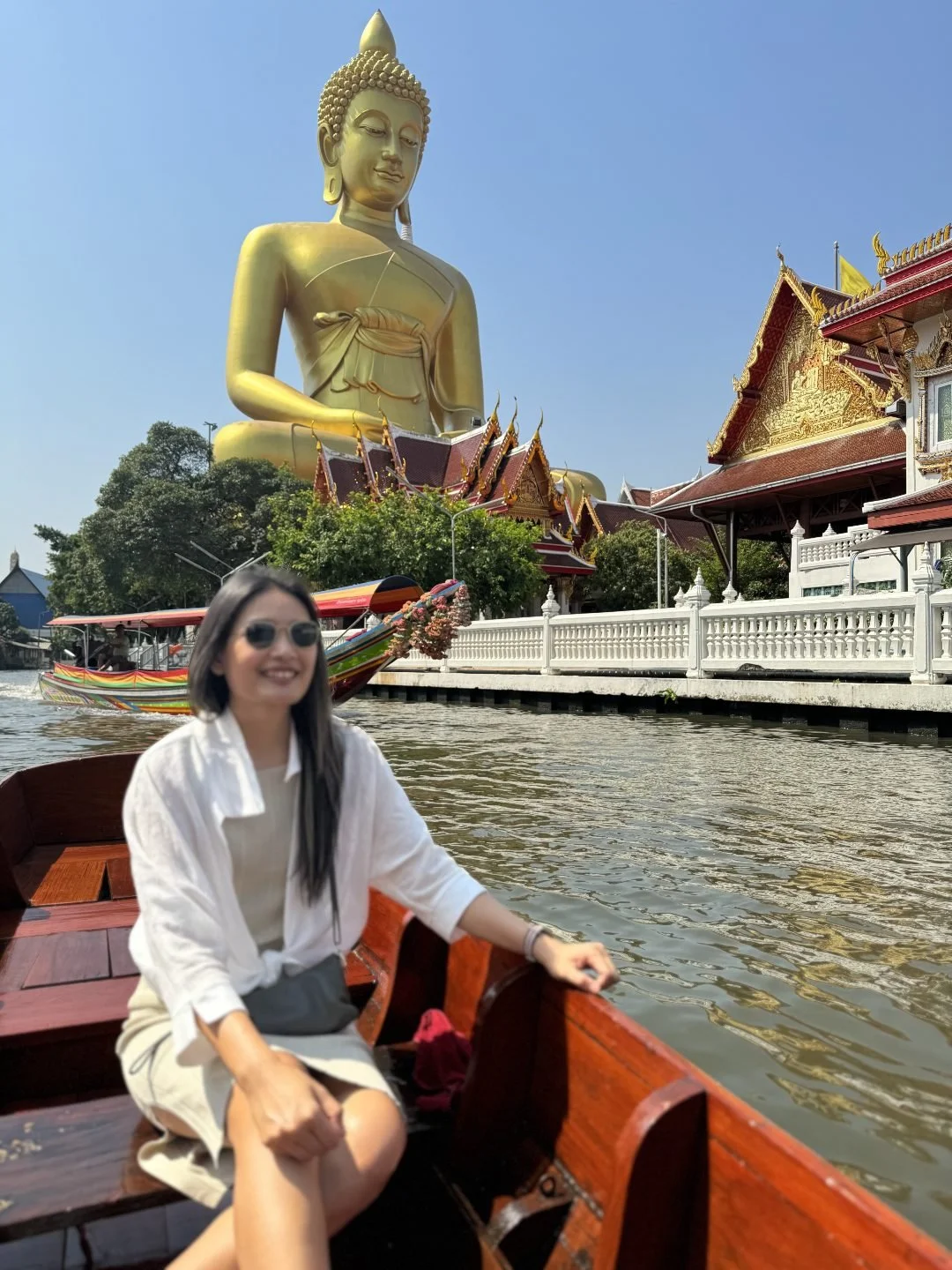
Wat Paknam Phasi Charoen makes for a unique temple visit, and not only for the large Buddha statue that overlooks the Khlong Dan Canal. For starters, you can take a short longtail ride on the canal to see the Buddha up close and then head inside the temple to see the stunning emerald stupa on the 5th floor. For us, the highlight of Wat Paknam was getting lost in the maze of “sois” (little alleys) that surround the temple - providing some unique photo-ops with the statue towering over the neighborhood rooftops.
Read more: Wat Paknam Phasi Charoen: How to See Bangkok’s Giant Buddha
Wat Paknam
4. The Blue Temple (Rong Suea Ten Temple) - Chiang Rai
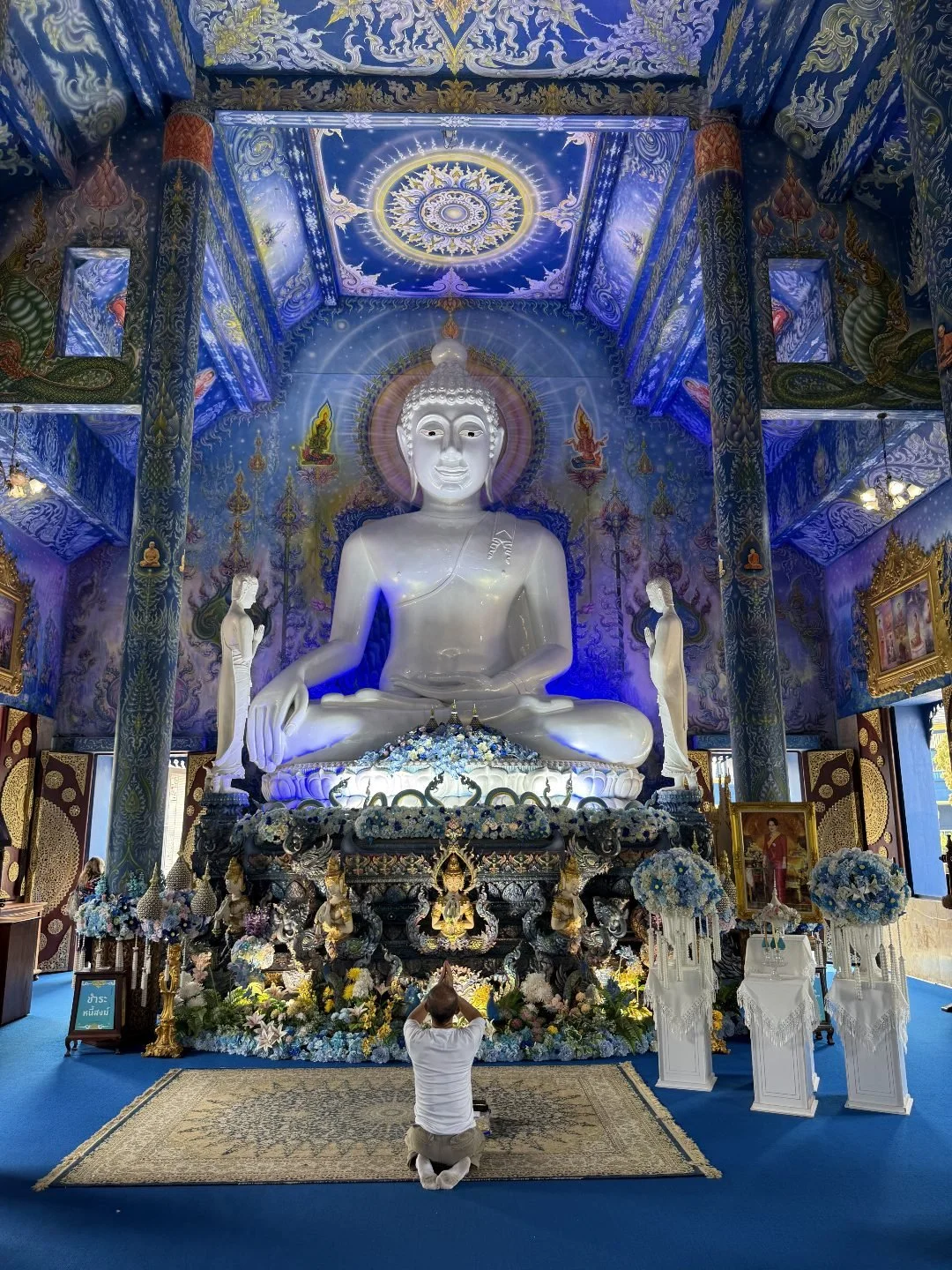
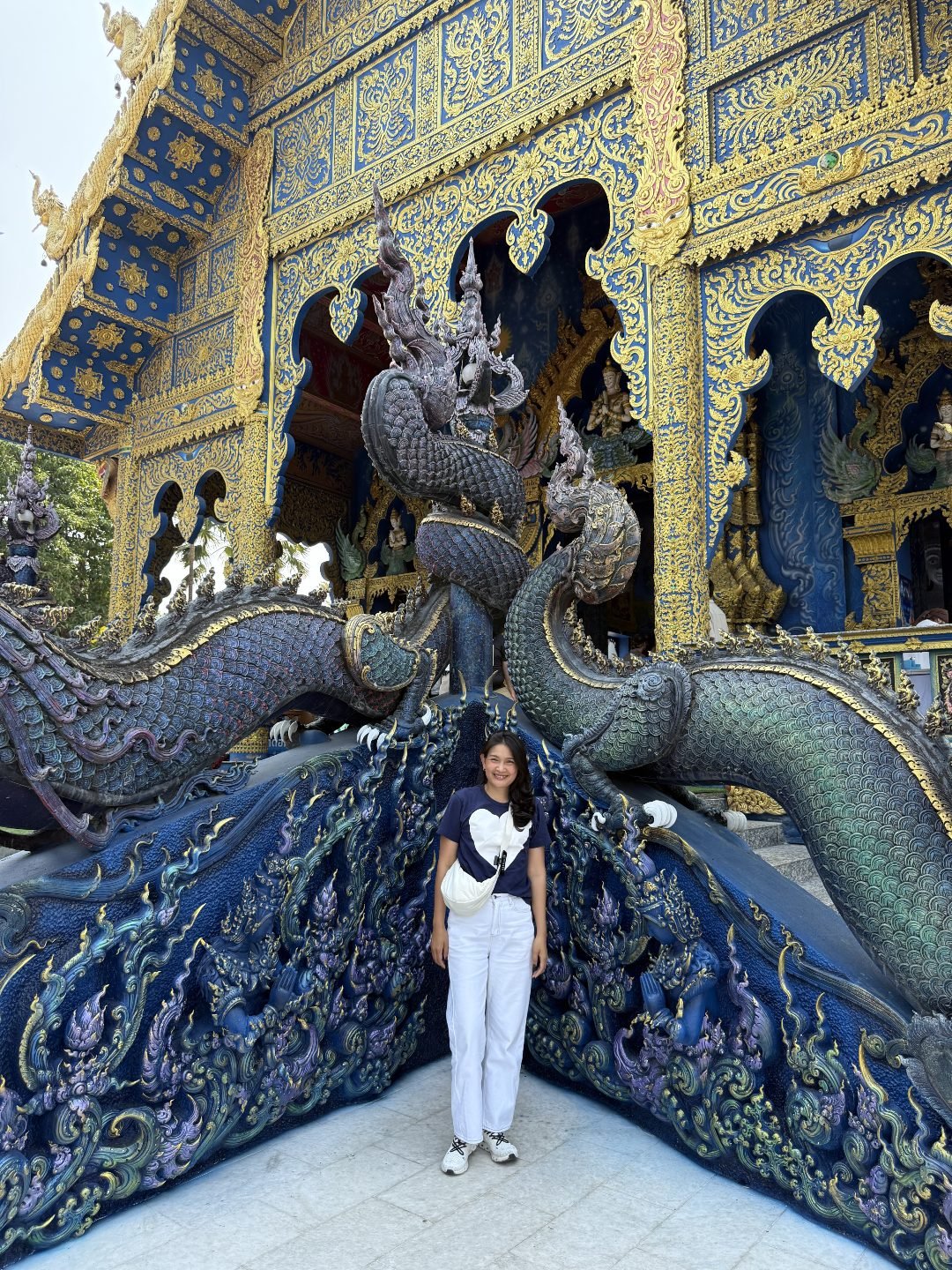
The Blue Temple is one of the most visually spectacular temples in Thailand and what’s better, entry is free (even for foreigners). While the blue and gold exterior is beautiful, and the interior murals are impressive, what stands out the most is the luminous white Buddha statue on the inside, glowing with a calm (almost mystical) expression. Seeing locals pray and make merit in front of the Buddha is a very special experience. A few other things make this temple visit even more fun: firstly, grab a “blue ice cream” from one of the local vendors and then wander over to Chimmit Thamma Da for lunch - a coffee house/bistro known for its European decor.
Read more: The Blue Temple: What to See & Do at Wat Rong Suea Ten
The Blue Temple
The Blue Temple
5. Wat Muang - Ang Thong
If you’re searching for hidden treasures, not too far from Bangkok, you can’t go past Wat Muang in the central Ang Thong province of Thailand. Here, you’ll discover a huge Buddha statue rising above rice fields and visible from miles away. You can get close to the statue, and even gently touch its golden fingertips for good luck, but to really appreciate its size it's best to find a good vantage point in the distance to take photos - such as a nearby cafe or roadside stop. Another highlight of Wat Muang is the Crystal Temple of Kaew Ratna Prahm-Suwannapal - with mirrored mosaics and religious displays that will impress you just as much as the Buddha itself.
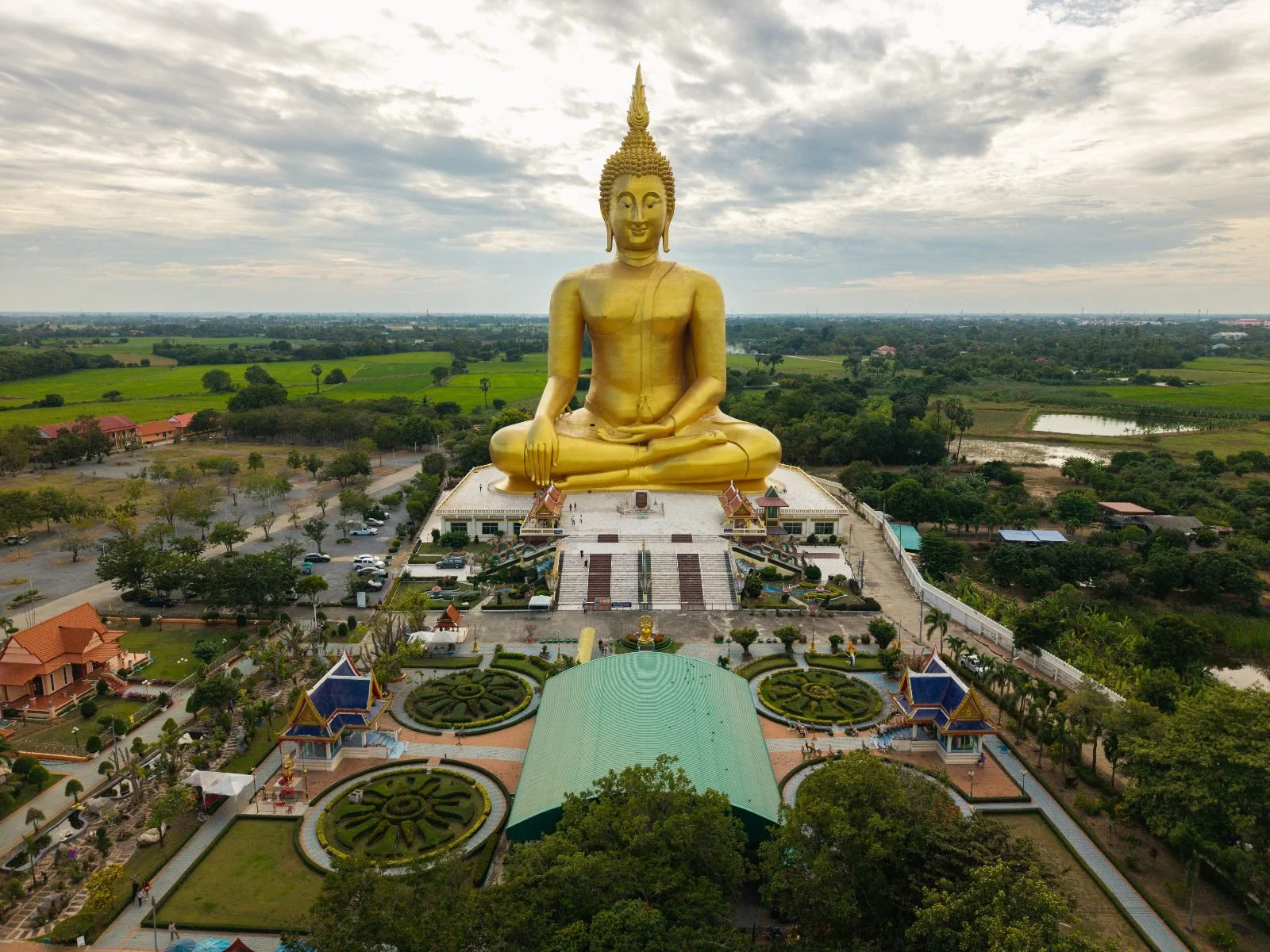
Wat Muang
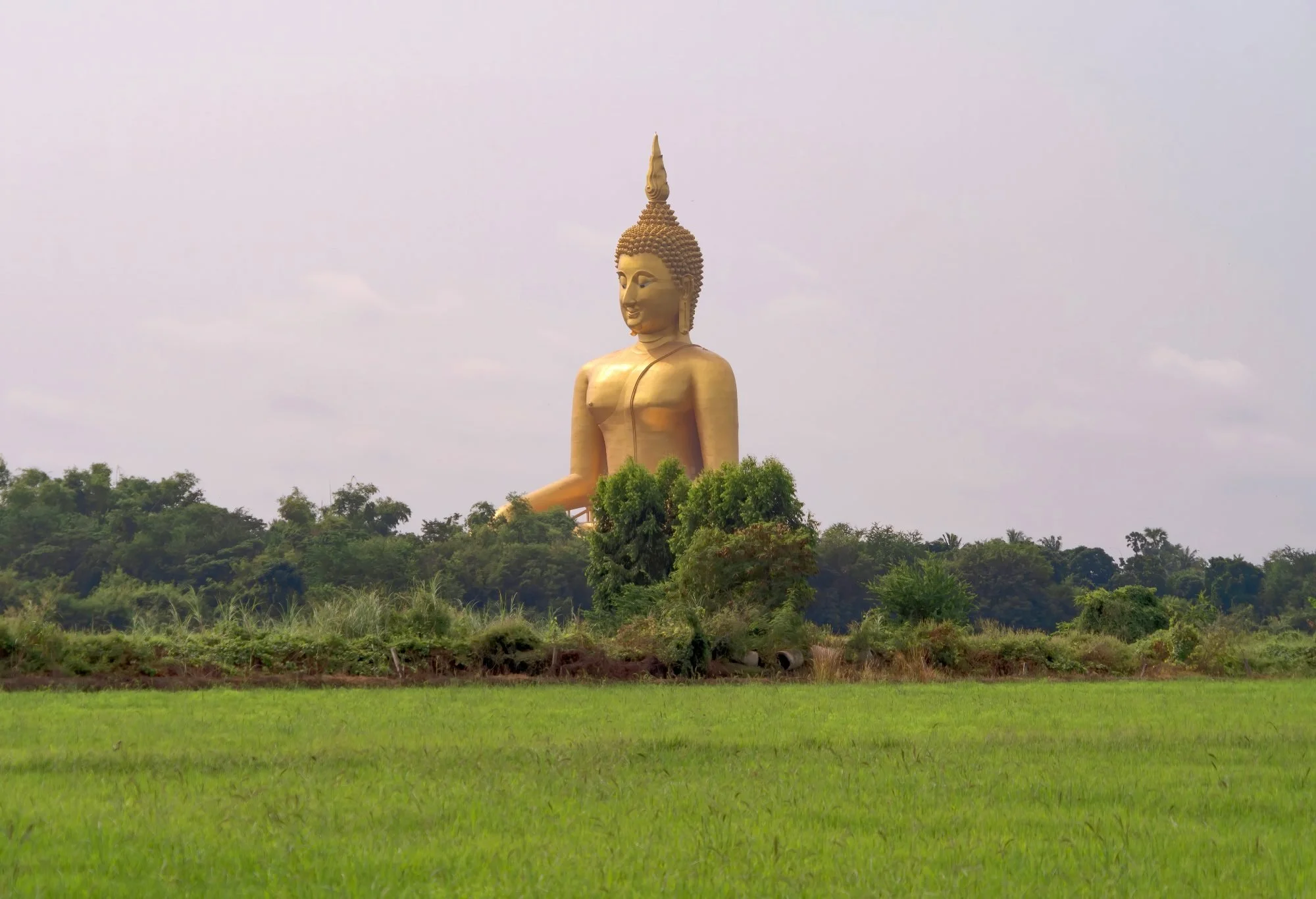
Wat Muang
6. Wat Ton Kwen (Wat Intharawat) - Chiang Mai
Wat Ton Kwen (Wat Intharawat) makes it in our list for one reason alone: it’s an awesome place to get a photoshoot taken. This might sound a little bit tacky but it’s honestly not. The temple is popular with Thais, rather than tourists, so it still feels like an authentic experience. You get to dress up in traditional Lanna outfits, and choose your own colors and accessories (such as hats and earrings). A photographer then guides you around the wooden structures - helping you pose with umbrellas, lanterns and incense. It costs between 800-1,000 THB, including all digital files, worth every baht in our opinion.
Read more: Wat Ton Kwen: Chiang Mai’s Photogenic Lanna Temple
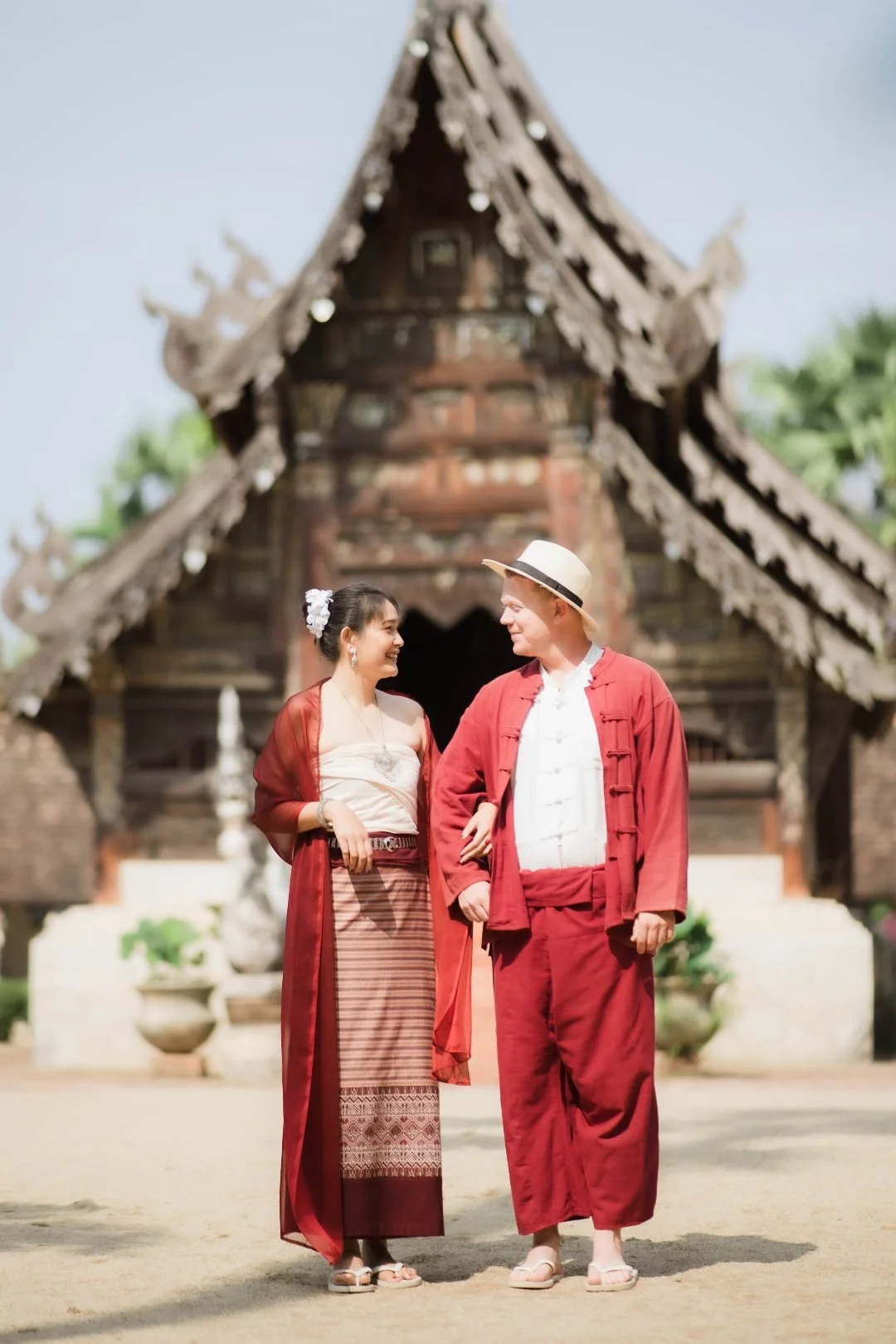
Wat Ton Kwen
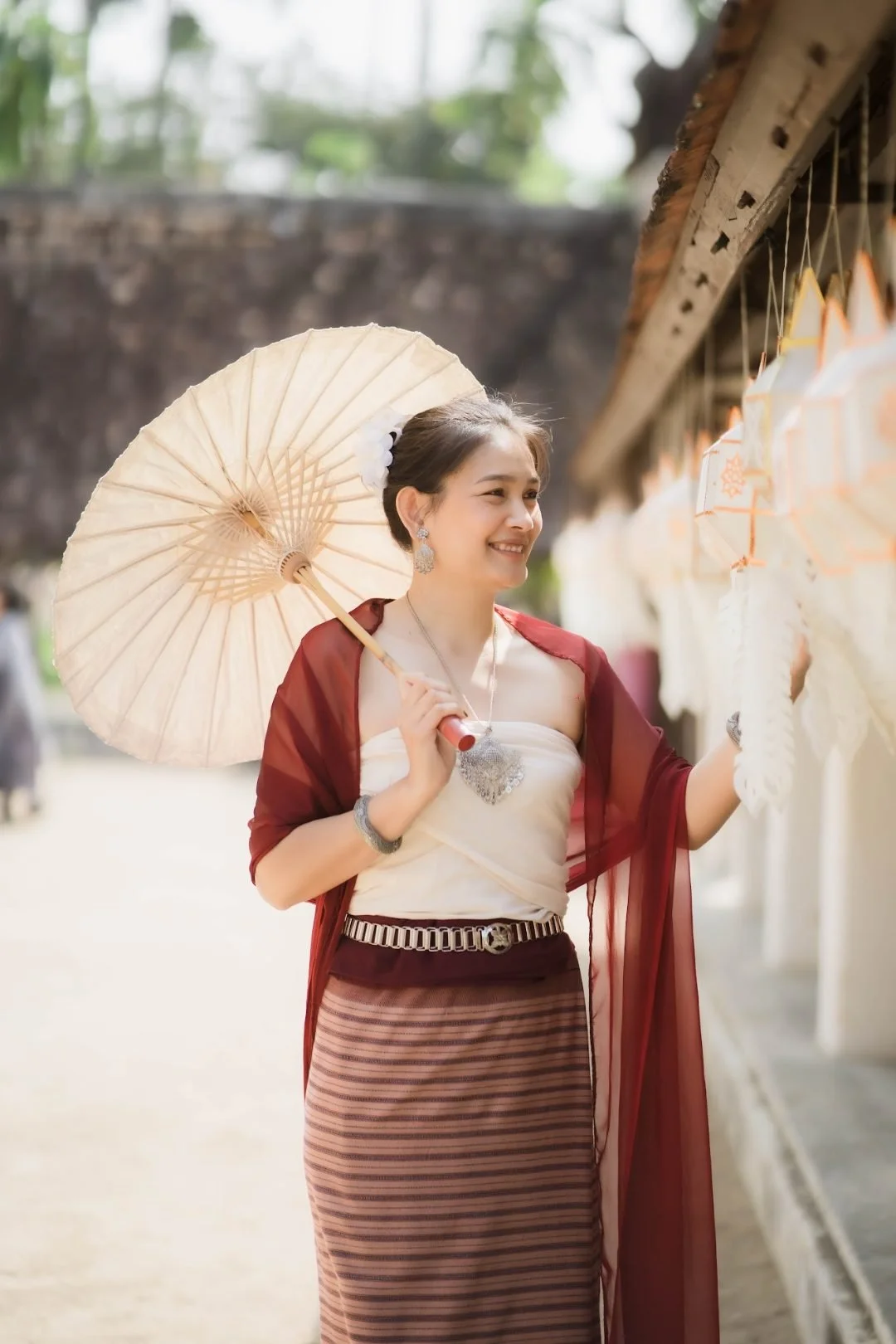
Wat Ton Kwen
7. Wat Yai Chai Mongkhon - Ayutthaya
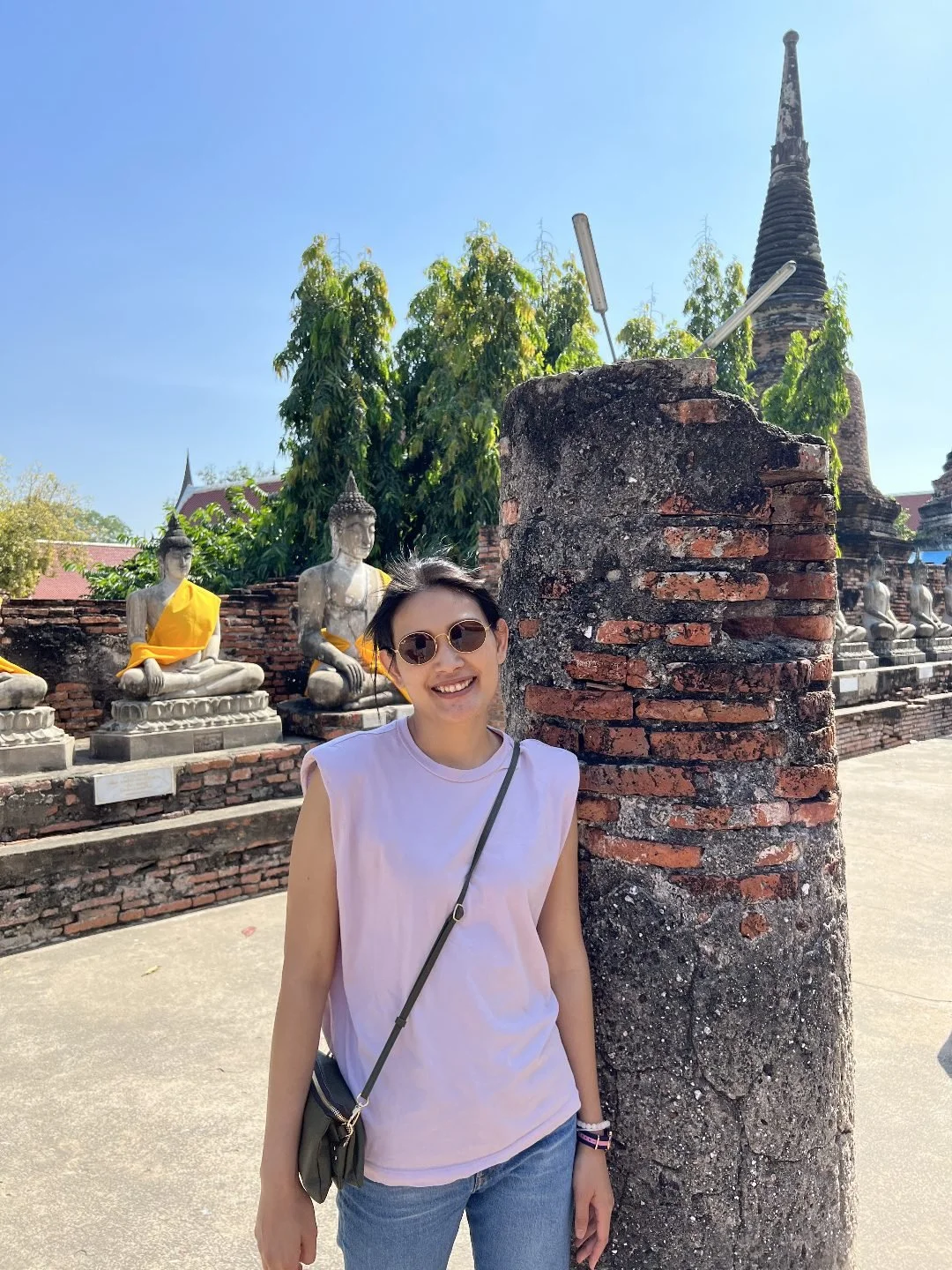
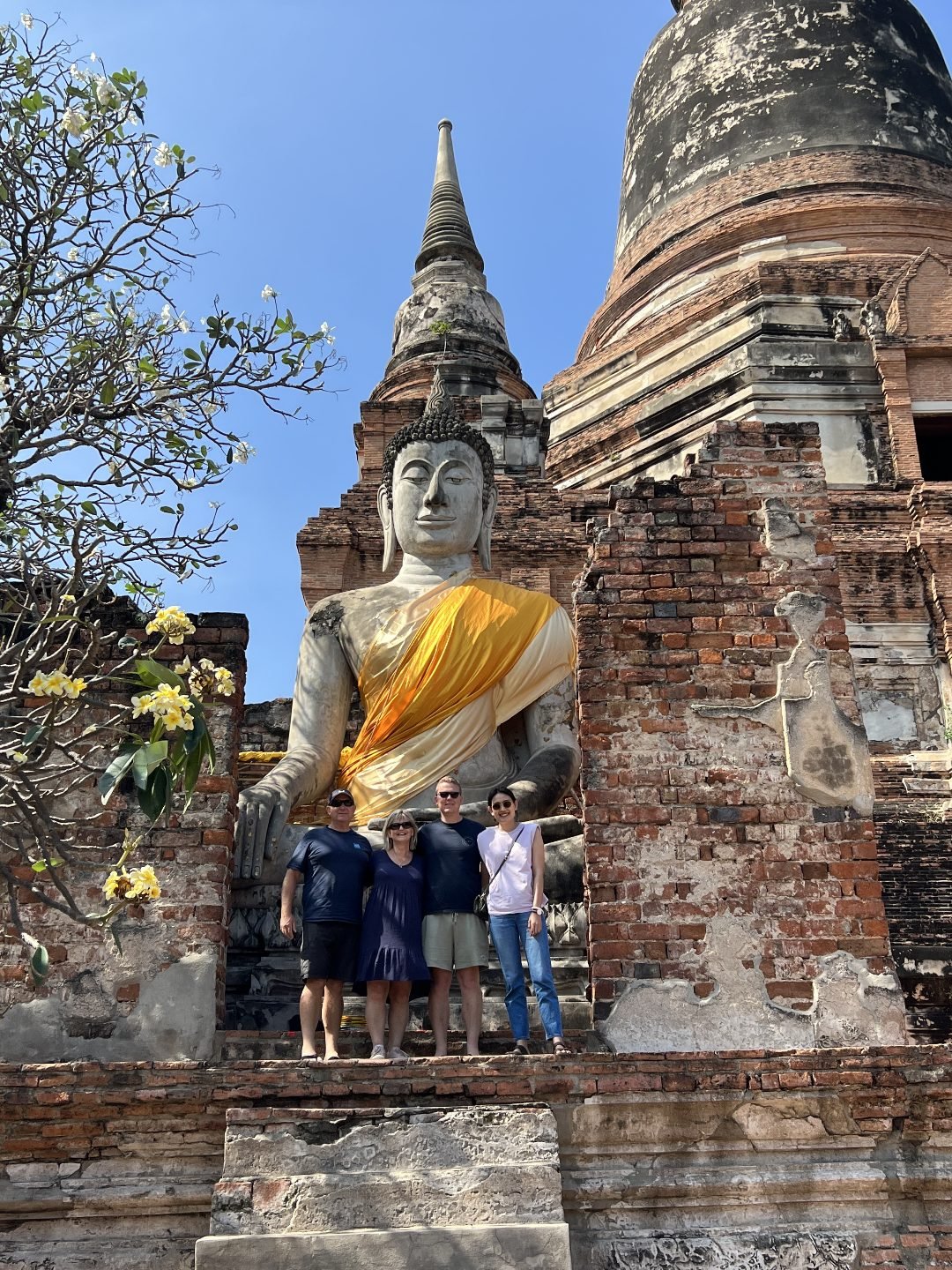
Ayutthaya makes for a wonderful day trip or overnight stay from Bangkok, with dozens of different temples to explore. The one that we loved the most was Wat Yai Chai Mongkhon, built all the way back in 1357. You can climb its bell-shaped chedi and enjoy the views from the top, walk alongside rows of Buddha statues wrapped in saffron robes, and marvel at the Reclining Buddha which even gives Wat Pho a run for its money.
Read more: Ayutthaya in One Day: The Complete Guide from Bangkok
Wat Yai Chai Mongkhon
Wat Yai Chai Mongkhon
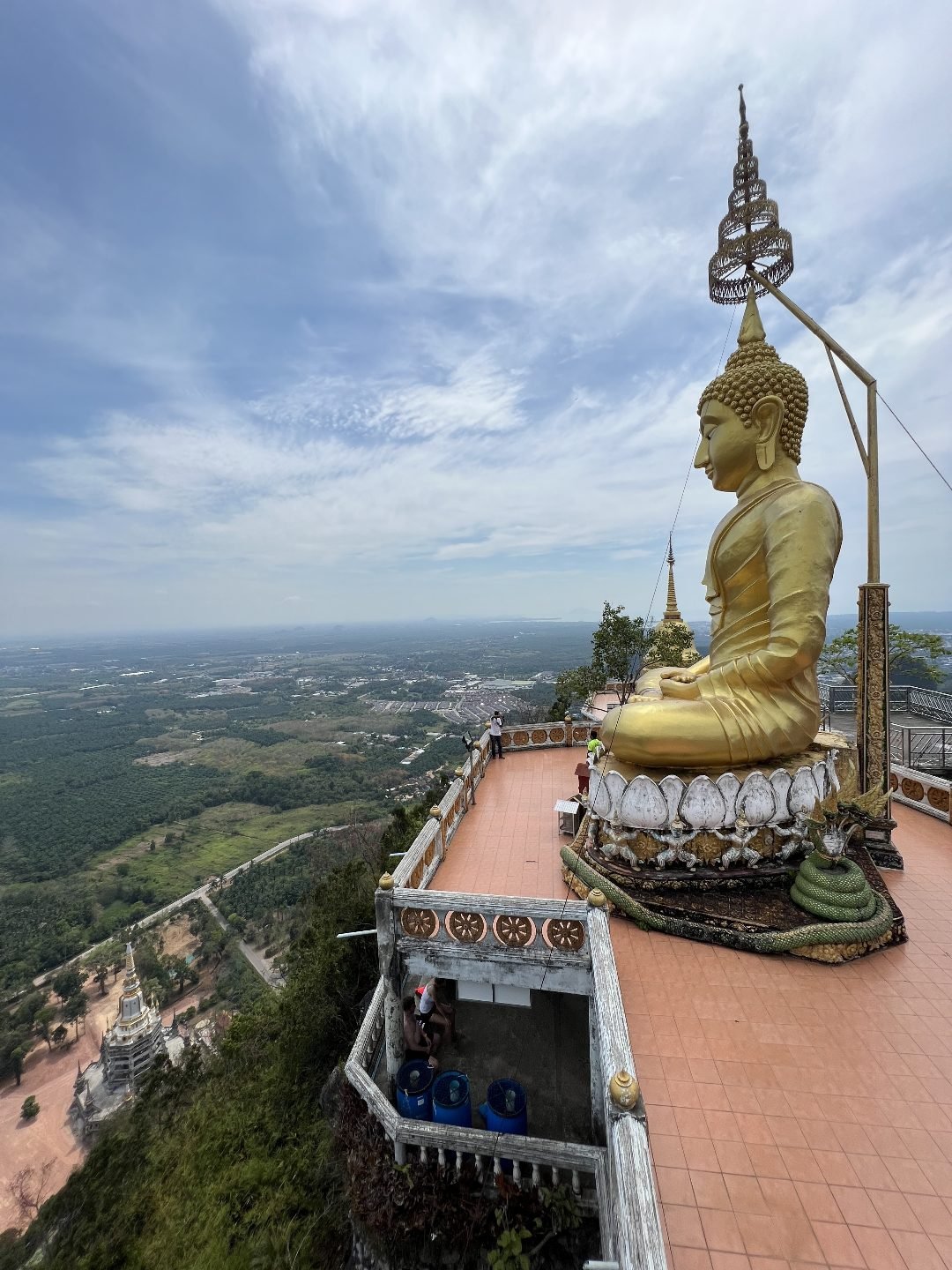
8. Wat Tham Suea (Tiger Cave Temple) - Kanchanaburi
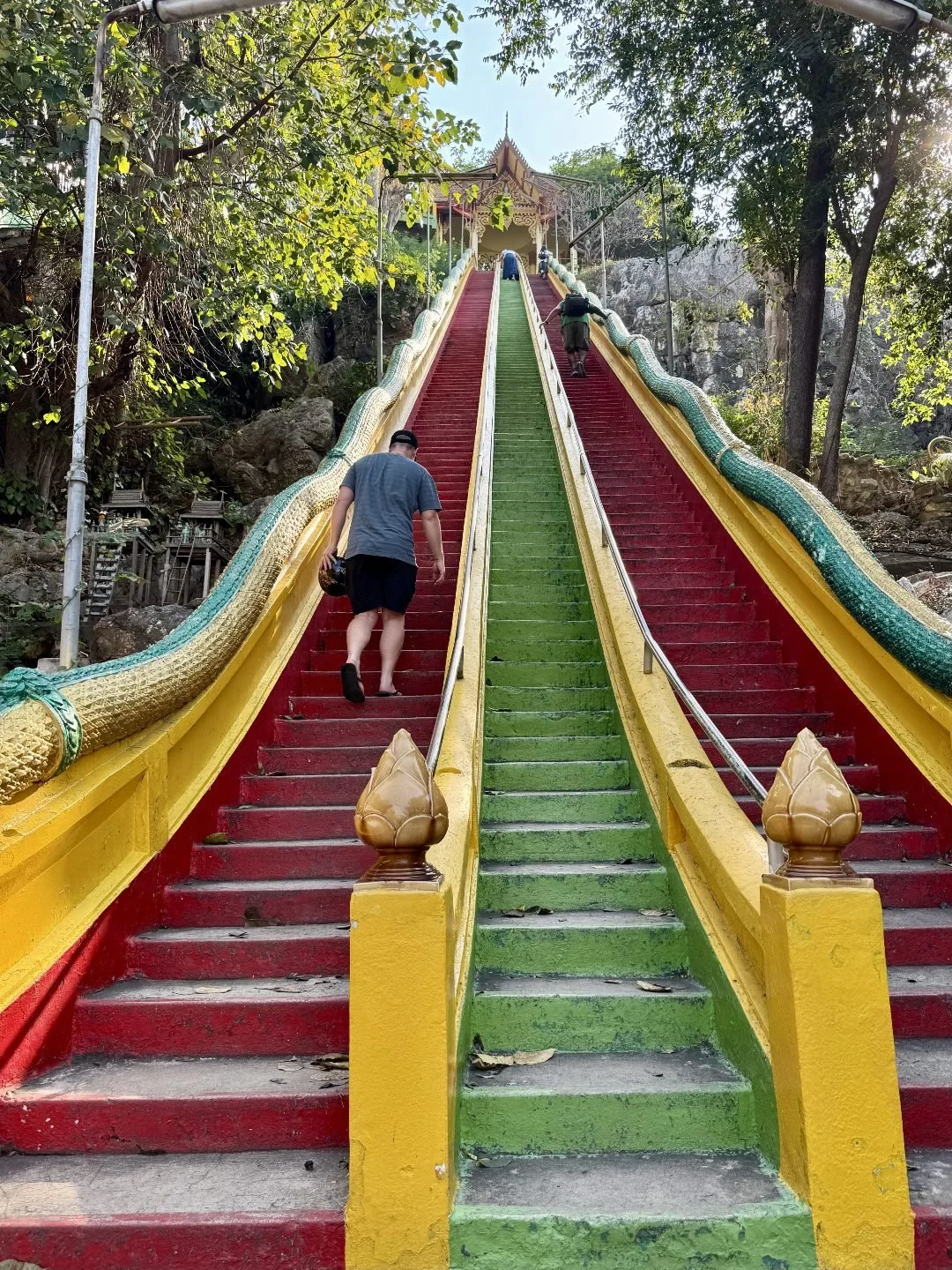
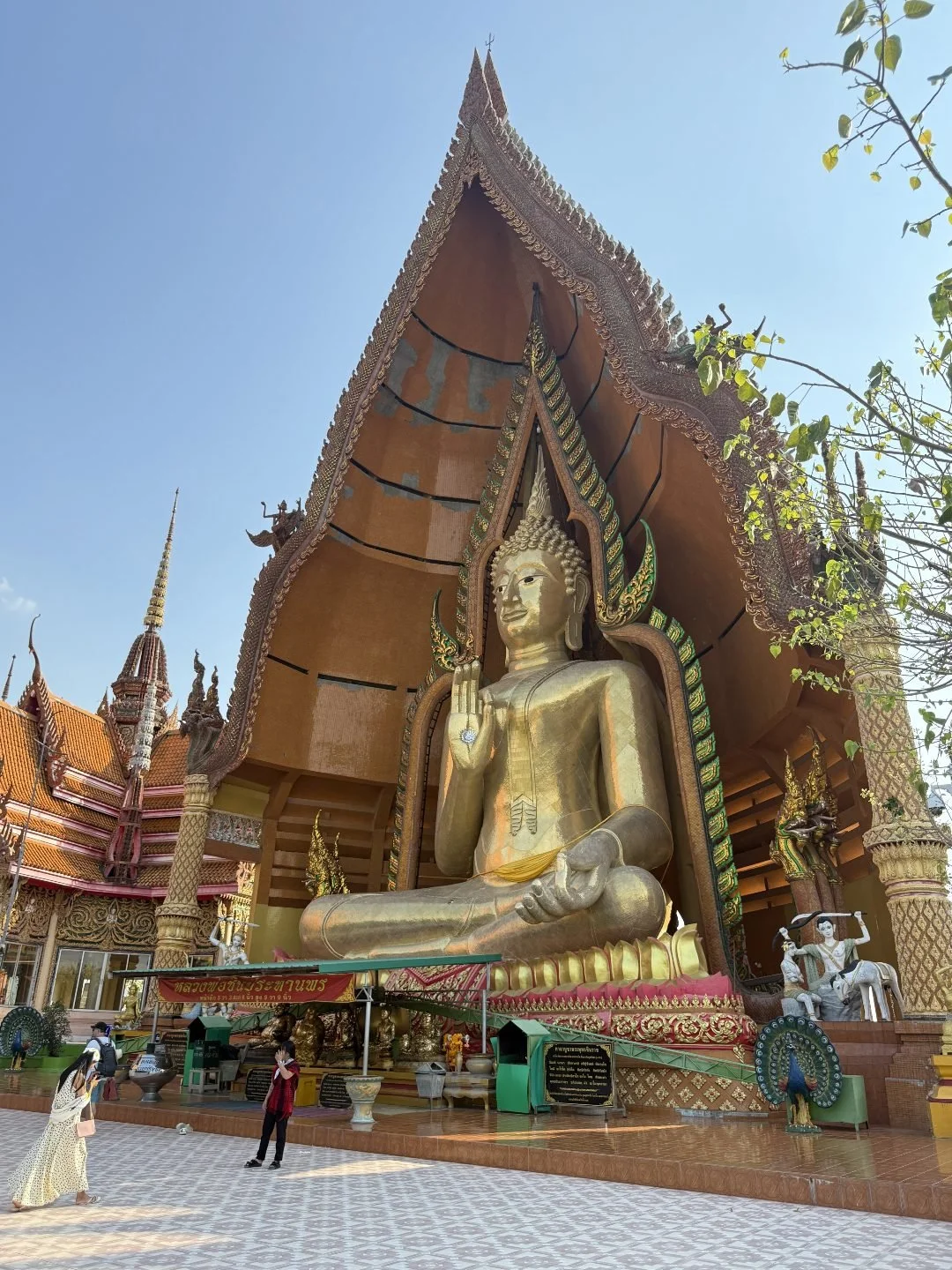
Wat Tham Suea sits majestically on a hill overlooking the Kanchanaburi countryside, just a short scooter ride away from the main city. The focal point of the temple is Chin Prathan Porn - a big buddha statue housed in a unique shell structure. Getting to the top to see the buddha is half the fun - you can either jump on the cable car or venture up 157 steep steps, with breathtaking views along the way. Wat Tham Suea just goes to show there’s more to Kanchanaburi than just WWII history and the River Kwai.
Read more: 10 Best Things To Do in Kanchanaburi: The Ultimate Guide
Wat Tham Suea
Wat Tham Suea
9. Phraya Nakhon Cave - Sam Roi Yot
Hidden deep inside Khao Sam Roi Yot National Park lies the Phraya Nakhon Cave, home to the tiny but highly photogenic Kuha Karuhas Pavilion. This royal pavilion is lit by an opening in the cave, with sunlight streaming down during certain times of the year - best viewed between the months of November and March from 10:00 AM - 11:30 AM. To get to the cave, you can either hire a longtail boat to the nearby Laem Sala Beach or hike in, but it requires tackling a steep final ascent of 430 meters.
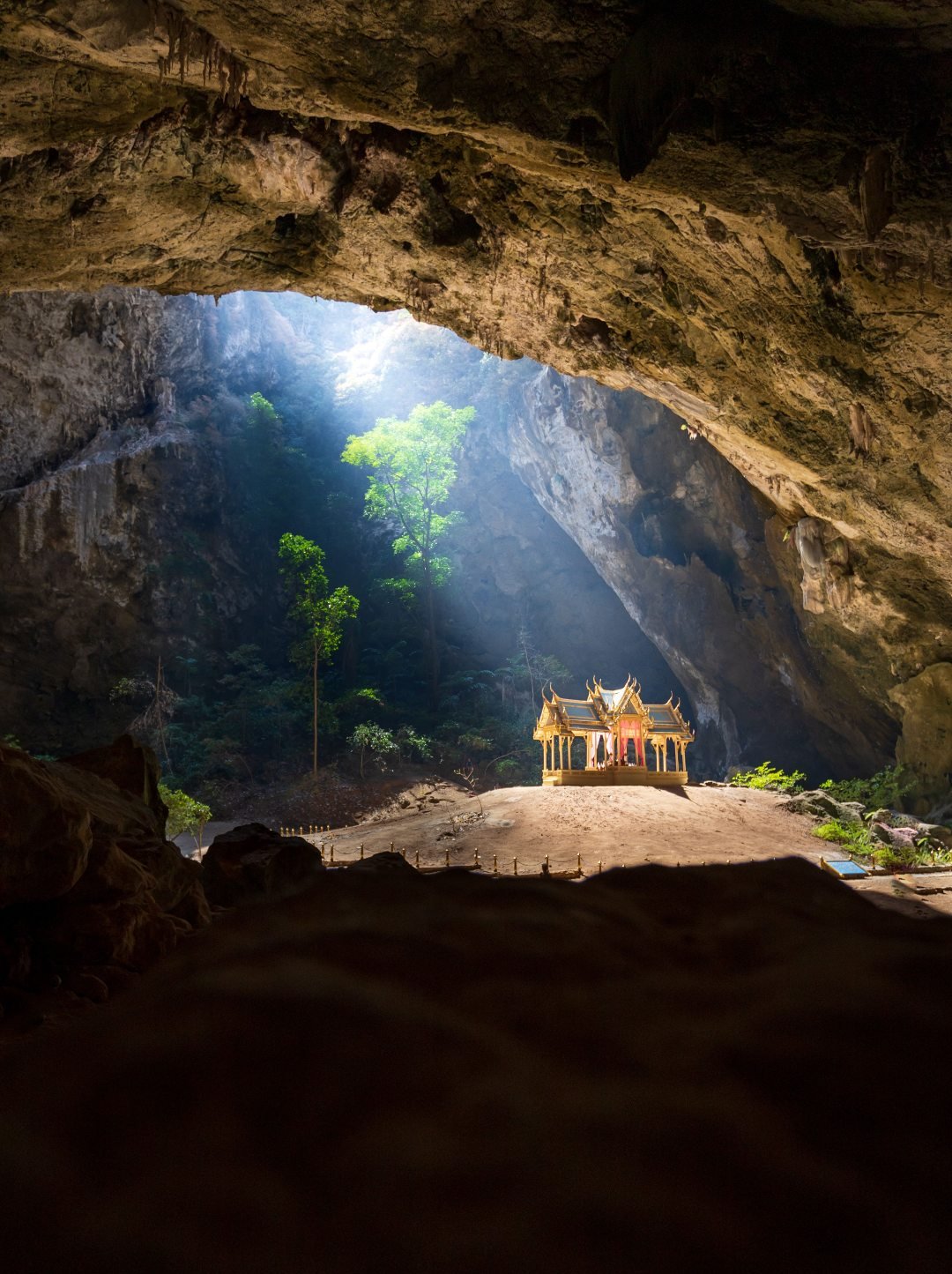
Phraya Nakhon Cave
10. The Grand Palace - Bangkok
Despite its popularity, and inevitable queues during peak hours, the Grand Palace is still one of the most amazing attractions in Thailand. There’s not just one temple on display here - it’s a complex of sacred halls, shrines, chedis and courtyards all boasting dazzling architecture. You start in the Ramakien Gallery where colorful murals showcase ancient mythology and then you see Wat Phra Kaew - known for its Emerald Buddha and striking multi-tiered roofs. As you explore the temple grounds, you’ll also see Giant Asura Guardians, The Royal Pantheon with its blue-tiled walls and golden doors, and The Library covered in green and gold glass mosaics.
Read more: How to Visit the Grand Palace in Bangkok: A Detailed Guide
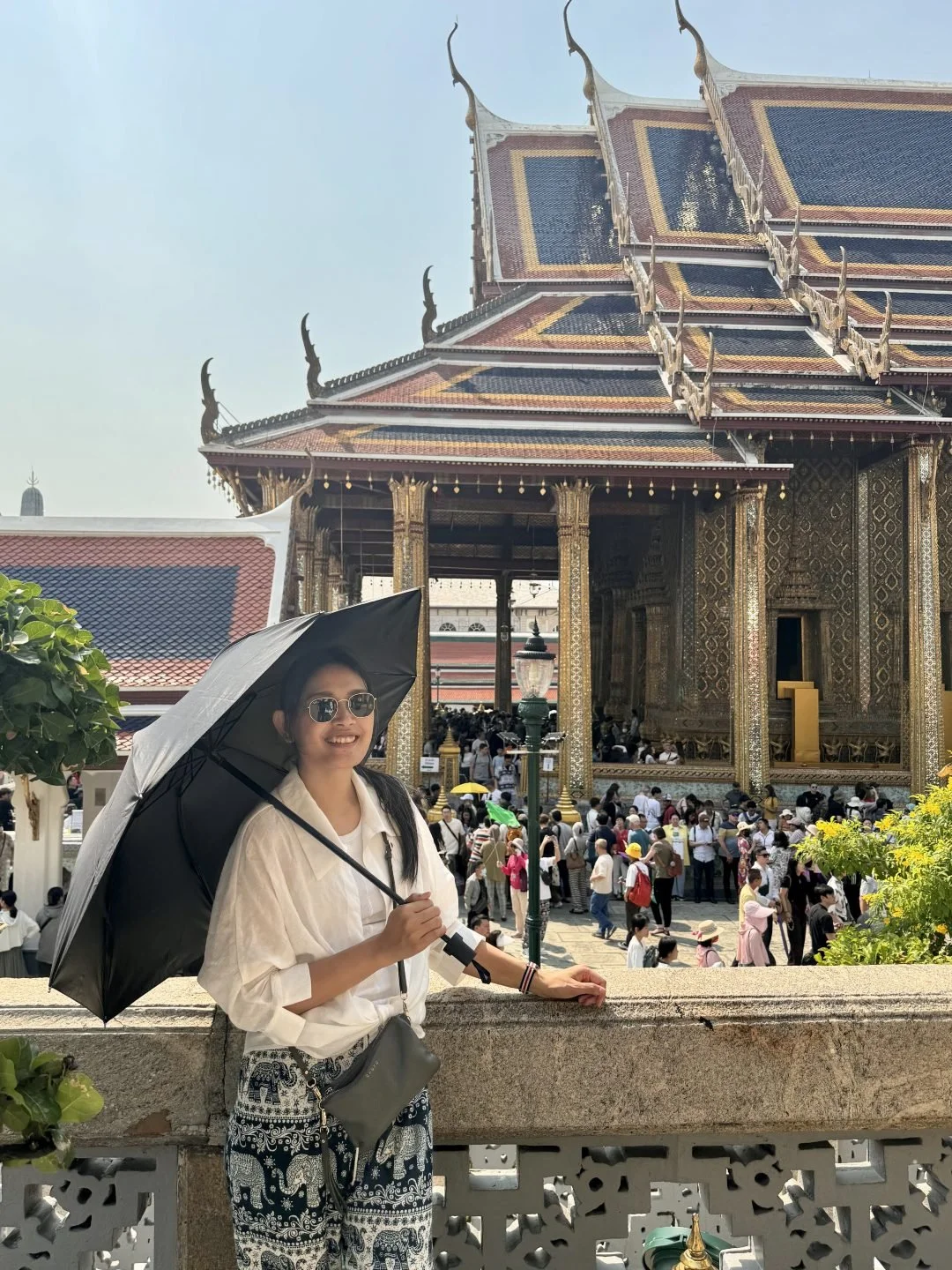
The Grand Palace

The Grand Palace
FAQs About Visiting Thai Temples
What is the dress code for Thailand’s temples?
Shoulders and knees should be covered for both men and women. In practice though, due to the heat, men normally get away with wearing shorts as long as they don’t show too much skin. The most notable place where men are required to wear long pants is The Grand Palace due to their strict dress code. As a general rule, try to avoid revealing clothing like short shorts, mini skirts, singlets and crop tops. Long pants, long skirts or a sarong are all respectful options. If in doubt, get yourself a pair of those famous Thai elephant pants and you’ll fit right in. It’s custom to remove your shoes before entering temple halls, so just keep that in mind as well.
What behaviour is respectful inside temples?
Most temples in Thailand are active religious sites, rather than mere tourist attractions, so it’s important to move calmly and quietly. Never touch Buddha statues and avoid pointing your feet at the image or standing higher than it, even in places where the figure is low to the ground such as the famous Buddha in the Tree in Ayutthaya (you’ll need to sit in front of it). Tourists are welcome to participate in prayer and merit making rituals, but it should be done with respect, and local worshippers and monks need to be given space. In regards to photography, read the signs and be as discreet as possible, and only use drones where permission is granted.
What time of day is best to visit Thai temples?
Early mornings are best for Thai temples, especially in Bangkok where the crowds start pouring in after 10:00 AM. This is crucial advice to follow at temples like Wat Pho and Wat Arun, otherwise you’ll be drowned in a sea of tourists. Early mornings also help you beat the heat in places like Sukhothai and Kanchanaburi, which can become stifling from mid-day onwards. That being said, some temples like The Golden Mount (Wat Saket), are suitable for early evening visits where you can watch the sunset.
