
Thailand’s New Visa Rules (2026): How to Stay for 60-90 Days
Arriving at Suvarnabhumi Airport is always a blissful experience for us. Despite the jetlag and the long flight from New Zealand, we land bursting with energy ready to hop in a taxi and head straight into the beating heart of Bangkok. It’s a far better feeling than taking that one depressing escalator up as you depart. We’ve never had any issues at passport control and up until now we loved getting that 60-day stamp, no questions asked.
Cam also recently learned that he could join the Thai immigration line with Kat, which totally bypasses the tourist queue. It’s more of an “unofficial privilege” than an actual policy, though it’s a cool perk to take advantage of when you’re traveling with a Thai person. But we digress. The new visa rules for Thailand - starting from September 15, 2026 - mean that visa-free stays are being reduced down to the standard 30 days. As a New Zealander, Cam is one of the 60 nationalities and territories affected by these changes.
We were sad to hear this news but after doing some research, we’re now confident that it won’t hamper our plans for longer trips. All that’s required is applying for the right visa and extension (not the end of the world) and then it’s party time as usual. If you’re worried about these new travel requirements for 2026, don’t panic. Keep calm and carry on reading, and you’ll see how easy it is to continue visiting this beautiful country.
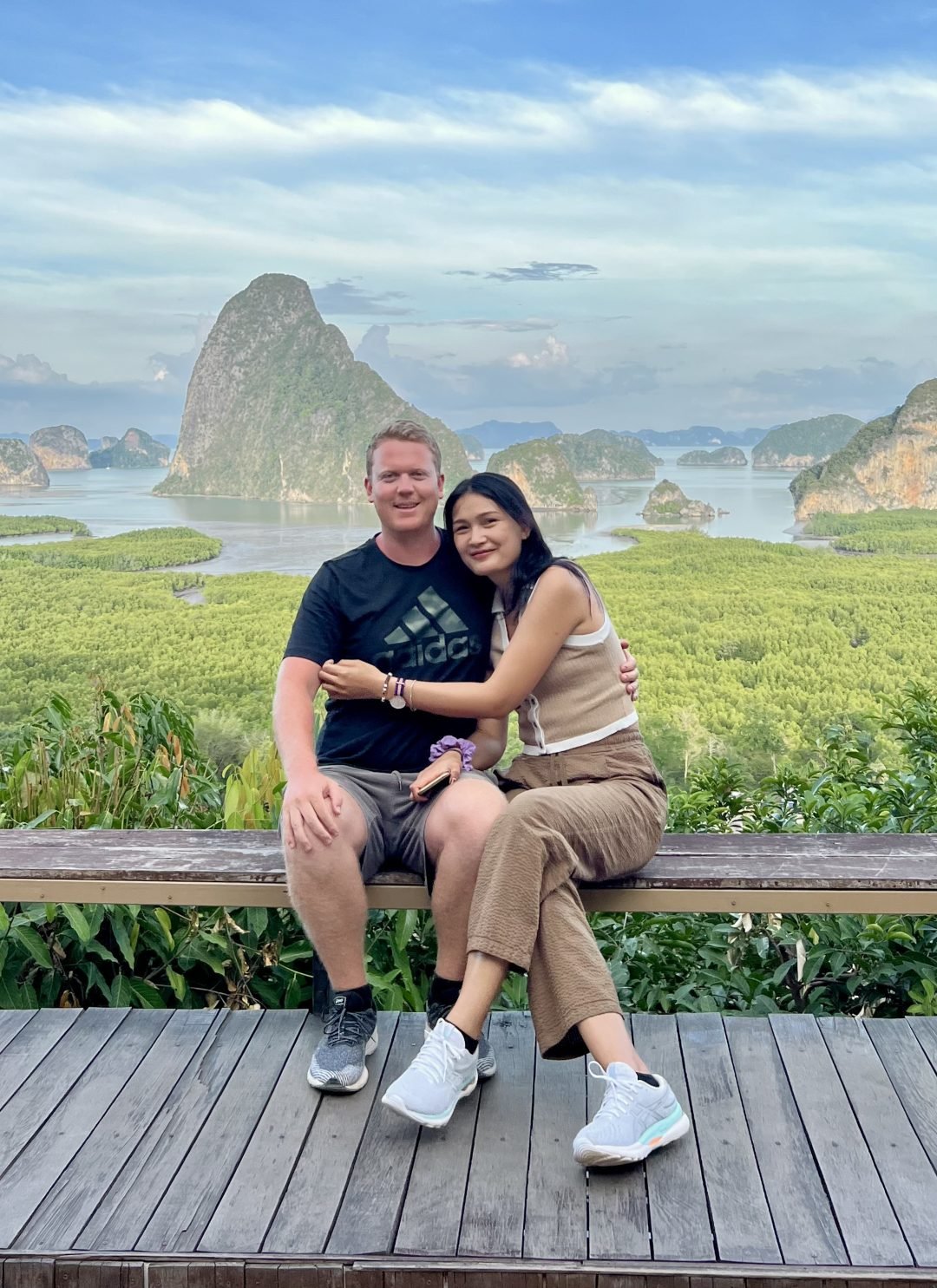
Kat & Cam in Thailand
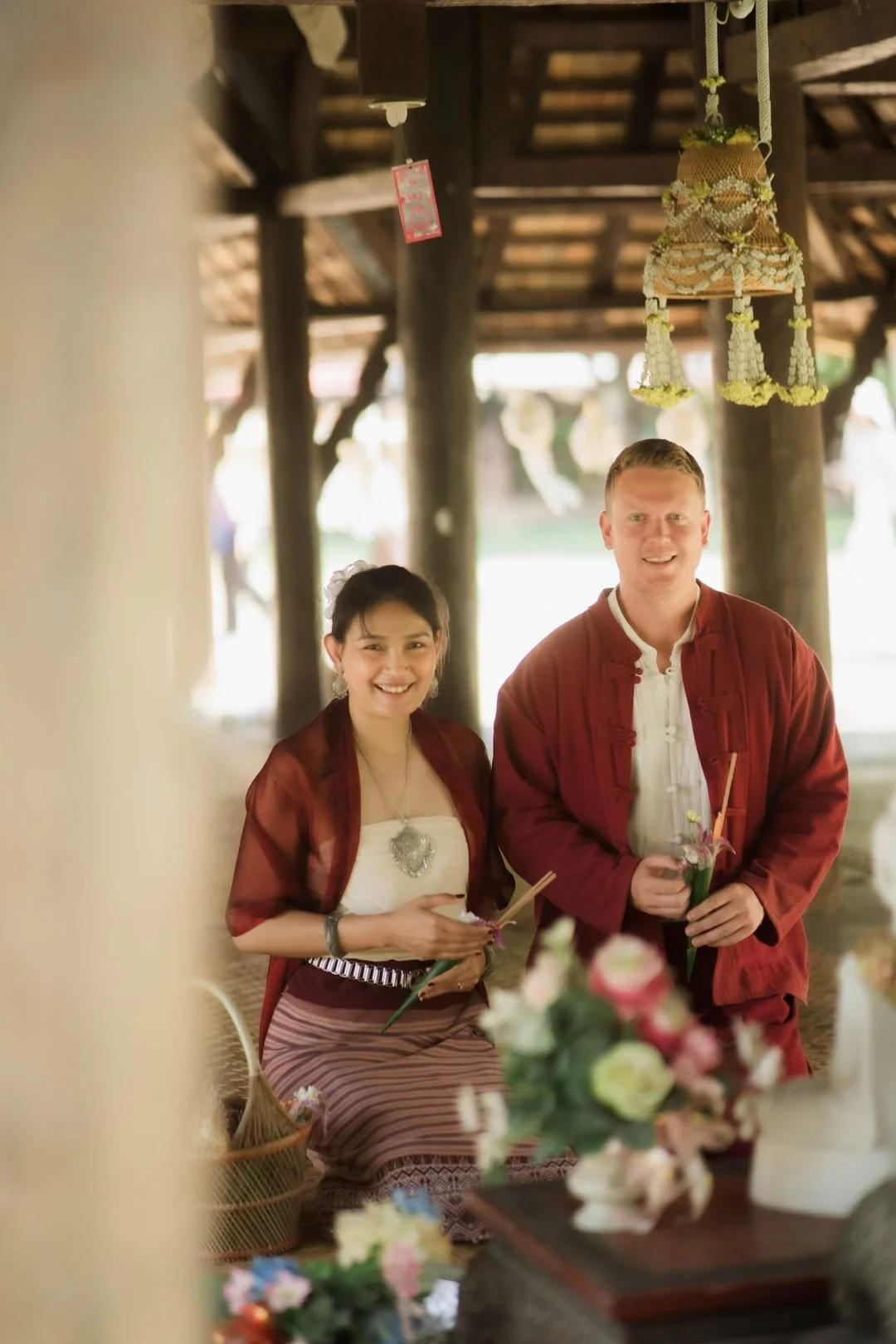
Kat & Cam in Thailand
The Big Cut: Thailand’s New 30-Day Visa Rules
The first question to ask is why did Thailand make these changes? It basically boils down to one major problem: overstayers who work illegally. This has been a big problem in tourist hubs like Phuket and Pattaya for years, so we’re not surprised tighter border controls have finally been called for. Most genuine holidaymakers would visit for less than 30 days anyway and it was only the illegal workers who were exploiting the 60-day window.
The good news is that Thailand still wants (and needs) tourism and is making visa pathways easier for real travelers. So what does all of this mean for you? If you’re from the United States, Canada, the United Kingdom, Ireland, Italy, France, Spain, Portugal, Germany, Netherlands, Sweden, Australia, China, Singapore, Japan, India, Russia and many other countries, your visa-free entry has been cut down from 60 days to 30 days.
Only citizens from South Korea, Brazil, Argentina, Chile and Peru can visit for longer than 30 days visa-free thanks to bilateral agreements. This lets these lucky passport holders travel for a whopping 90 days. But for the rest of us, we’ll have to make do with roughly a month. But this isn’t cause for concern: Thailand is still worth visiting for 30 days, and there’s still plenty of ways to extend your stay if you’d like to embark on a longer trip.
Read more: The Best 7-Day Thailand Itinerary: Bangkok, Beaches & Beyond
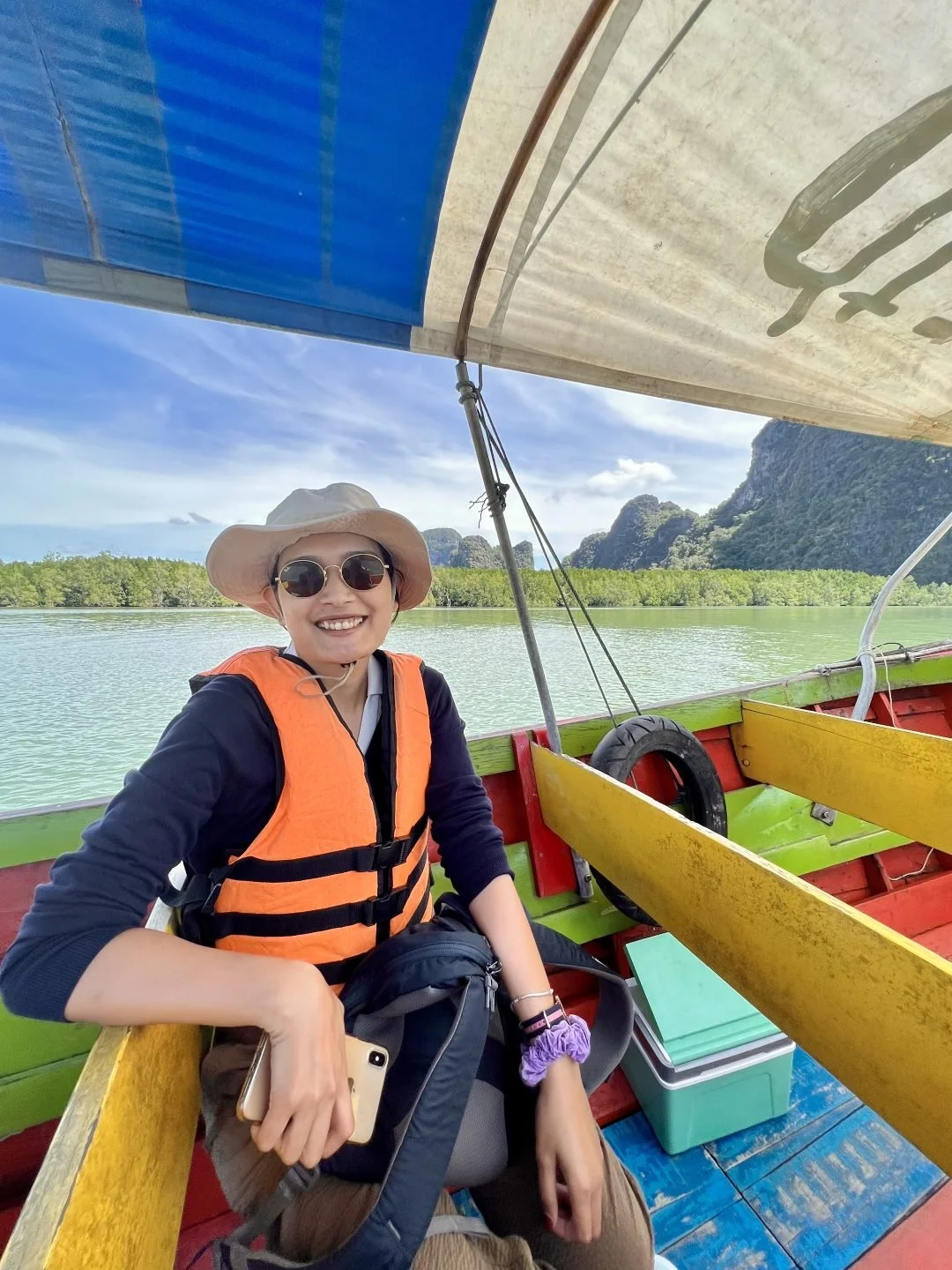
Day trip to Phang Nga Bay from Phuket
How to Visit Thailand for 60 or 90 Days
Sometimes a month is all you need for Thailand, enough for a nice getaway by the beach. Other times, you’ve got an extended break and want to go island hopping in the Andaman, head off the beaten track in Isaan, or just hang out in Bangkok. Whatever your reason, Thailand can still be visited for two or three months by utilising a mix of different strategies: visa-free stays, in-country extensions, e-visas before you go, and the notorious border run.

Island hopping in the Andaman Sea
The 60-Day Option: The In-Country Extension
One of the easiest ways to get 60 days is by visiting a local Immigration Bureau (easily found in Bangkok, Phuket and Chiang Mai). You can extend your visa-free entry once for an additional 30 days by applying in person. You’ll generally need to bring your physical passport and a couple of passport photos, fill out the TM.7 Form, pay the 1,900 THB fee, bring signed photocopies of your passport photo page and your entry stamp page, and (importantly) bring a printed TM30 registration slip from your hotel.
Alternatively, you can handle the paperwork for this online through VFS Global (an official partner of the Thai Immigration Bureau). Once your application has been approved, you book an appointment at a designated immigration office. This allows you to get that extension stamp quicker, instead of waiting in line for hours. The e-extension is a great option if you’re in a city like Bangkok. But if you’re in a remote province or sleepy beach town somewhere, the paper application in person is your best bet.
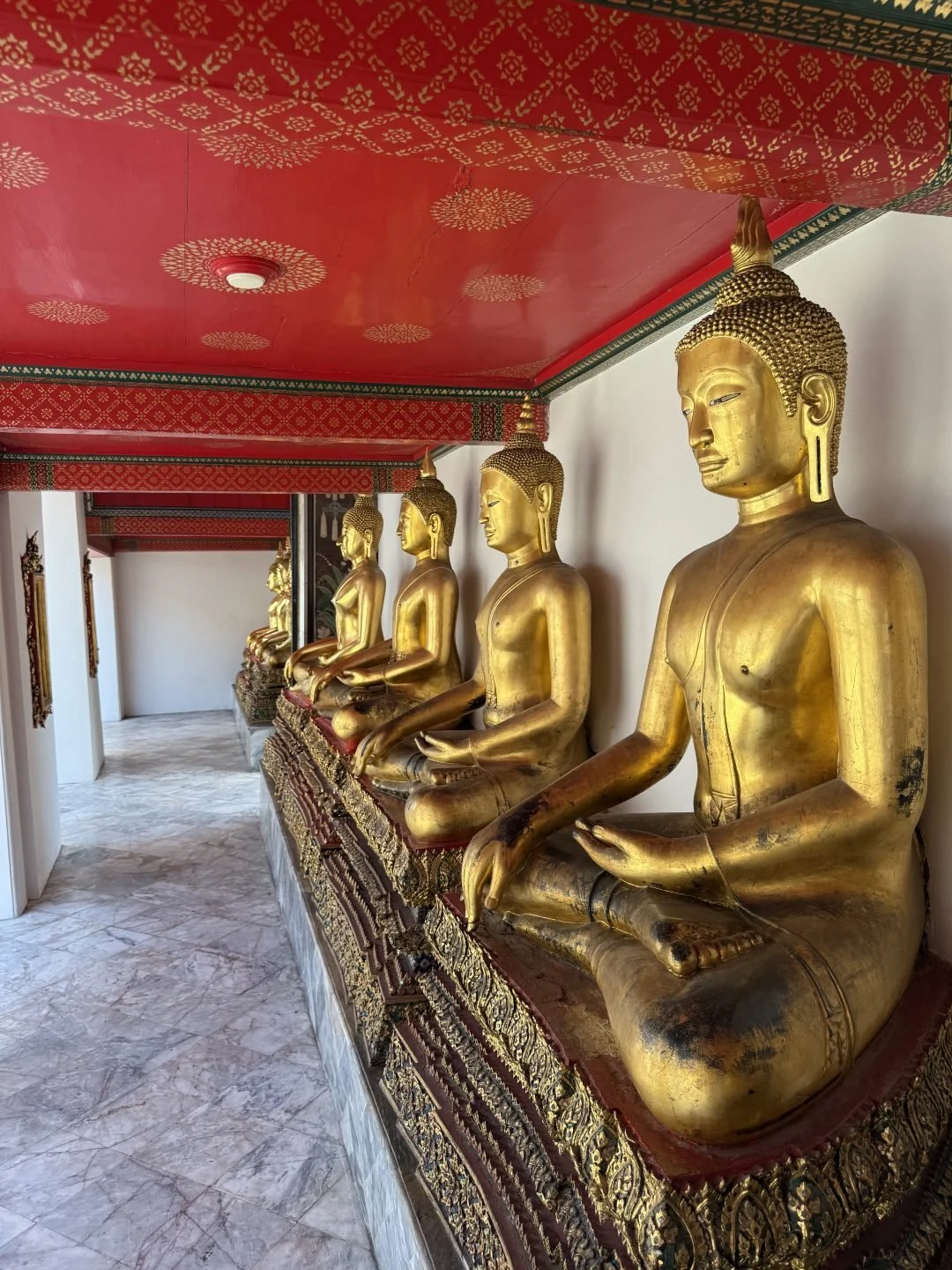
Wat Pho, Bangkok
The 60-Day Option: Applying for an E-Visa Before You Fly
Many travelers will hate the idea of spending a morning stuck inside an immigration building. If this is you, you can get all your ducks in a row before you go by applying for an e-visa online. Simply head to the official Thai E-Visa Website, upload your documents and get approved. Make sure you print out a copy of your approval email to show at the airport, then you’ll land in Bangkok with a clean 60-day stamp in your passport.
The 90-Day Option: Combining Your E-Visa With an Extension
For a 90-day stay, you first need to apply for the 60-day e-visa before you go and then add the 30-day extension while in Thailand - it’s that simple. The cost and process is exactly the same as mentioned above: 1,900 THB and a visit to a local Immigration Bureau with all your paperwork organized beforehand. This allows you to travel around Thailand for almost three months without considering a border run, or a flight out and back in.
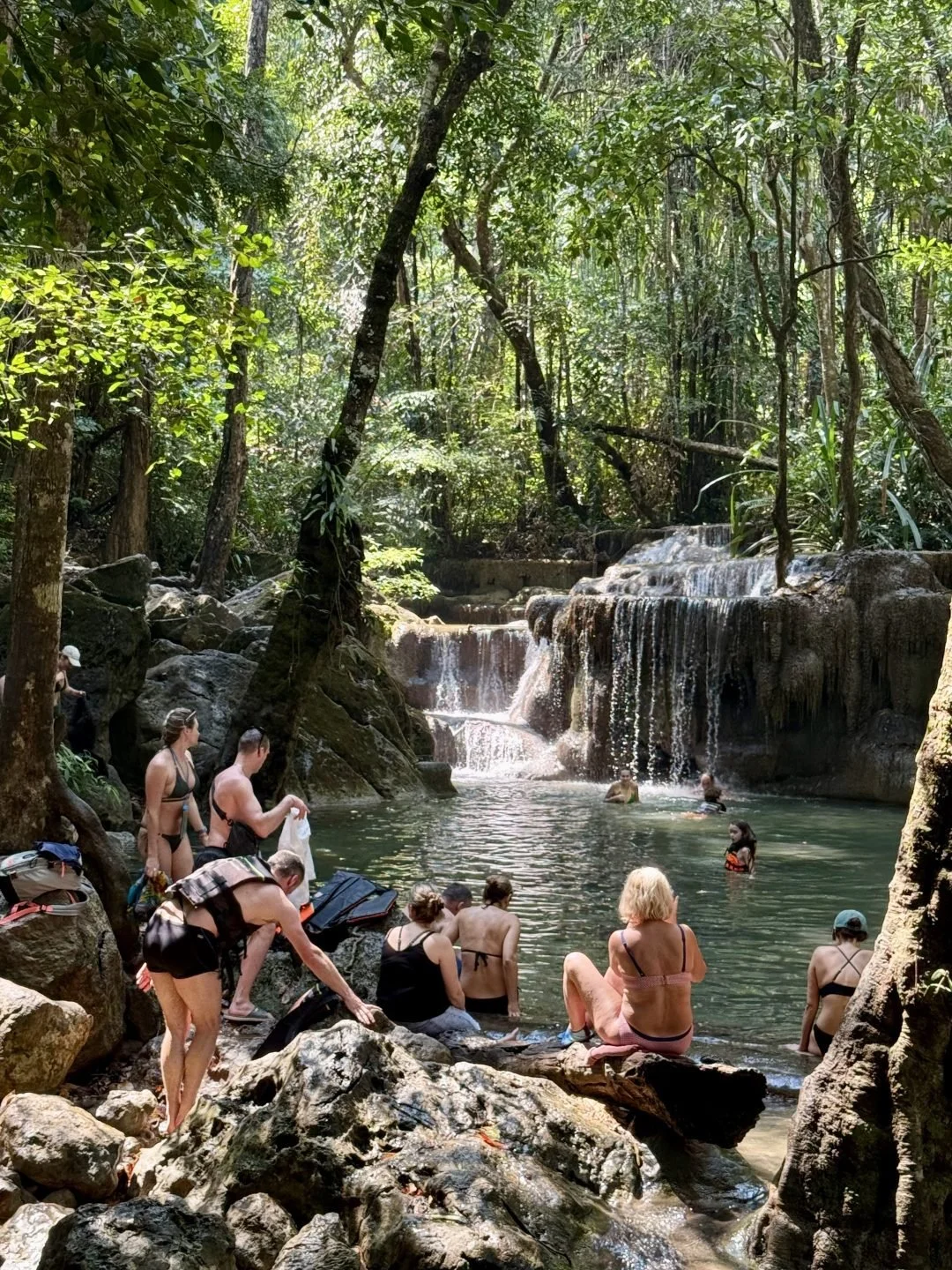
Erawan Falls
What About Border Runs or Multiple Entries Per Year?
Another option which has been a traveler favorite for decades is the classic border run, where you cross overland into Laos, Cambodia or Malaysia and turn straight back for a new 30-day stamp. This is still possible in 2026 but with further restrictions: you’re limited to two land border entries per year. In the past, many people were using border crossings to stay for years either as long-term residents (without a visa) or for unauthorized work.
That being said, you might be able to enter multiple times per year via the international airports as long as it’s for genuine tourism purposes. You could easily break up your Thailand trip with a few weeks in Vietnam - something we’ve done and enjoyed in the past. The key is to make your travels look natural and whatever you do, don’t try to return to Bangkok on the same day. That might alert immigration officers of a clear “visa run”.
What This Means for Your Next Trip
If you can’t be bothered with the e-visa or extension and are happy with the 30 days, you can still experience a lot of the country. Your itinerary could include a week spent in Bangkok and Kanchanaburi, two weeks in Chiang Mai and Chiang Rai, and finished off with a week in Koh Chang and Koh Kood. Alternatively, you could focus purely on the Gulf Islands. 60-90 days is only needed if you plan on exploring large swathes of the country.
Keep in mind too that you need to fill out the Thailand Digital Arrival Card (TDAC) within three days of your arrival. It’s also wise to book your onward flight before you depart just in case your airline requires it for boarding. We know this all sounds a bit stressful but we promise you Thailand is worth it. There’s simply no other country on Earth that combines food, beaches, culture and friendly locals in the way that the Land of Smiles does.

Thai Airways flight
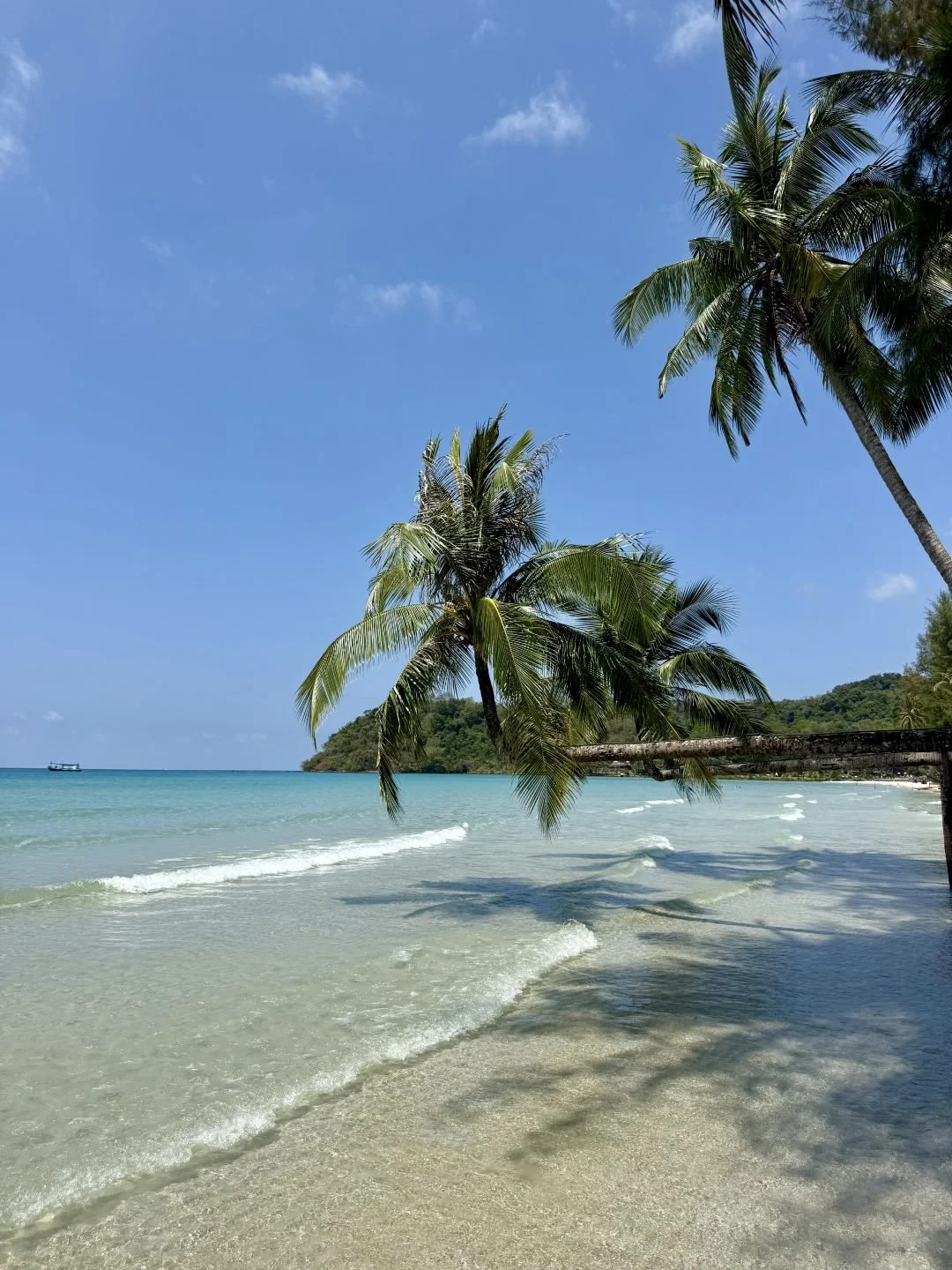
Koh Kood
Stricter Rules for Digital Nomads (DTV Visa)
A raft of changes have also been made to other visa classes such as the Destination Thailand Visa (DTV). This gives digital nomads and remote workers the ability to visit for five years (up to 180 days at a time), with multiple entries permitted. However, tighter controls have been put in place for 2026 including stricter proof of residence and criminal record checks. There’s also been a closure of a specific loophole around Thai language schools, which now no longer qualifies for the DTV. But if you’re simply visiting Thailand on vacation, this won’t be of concern to you.
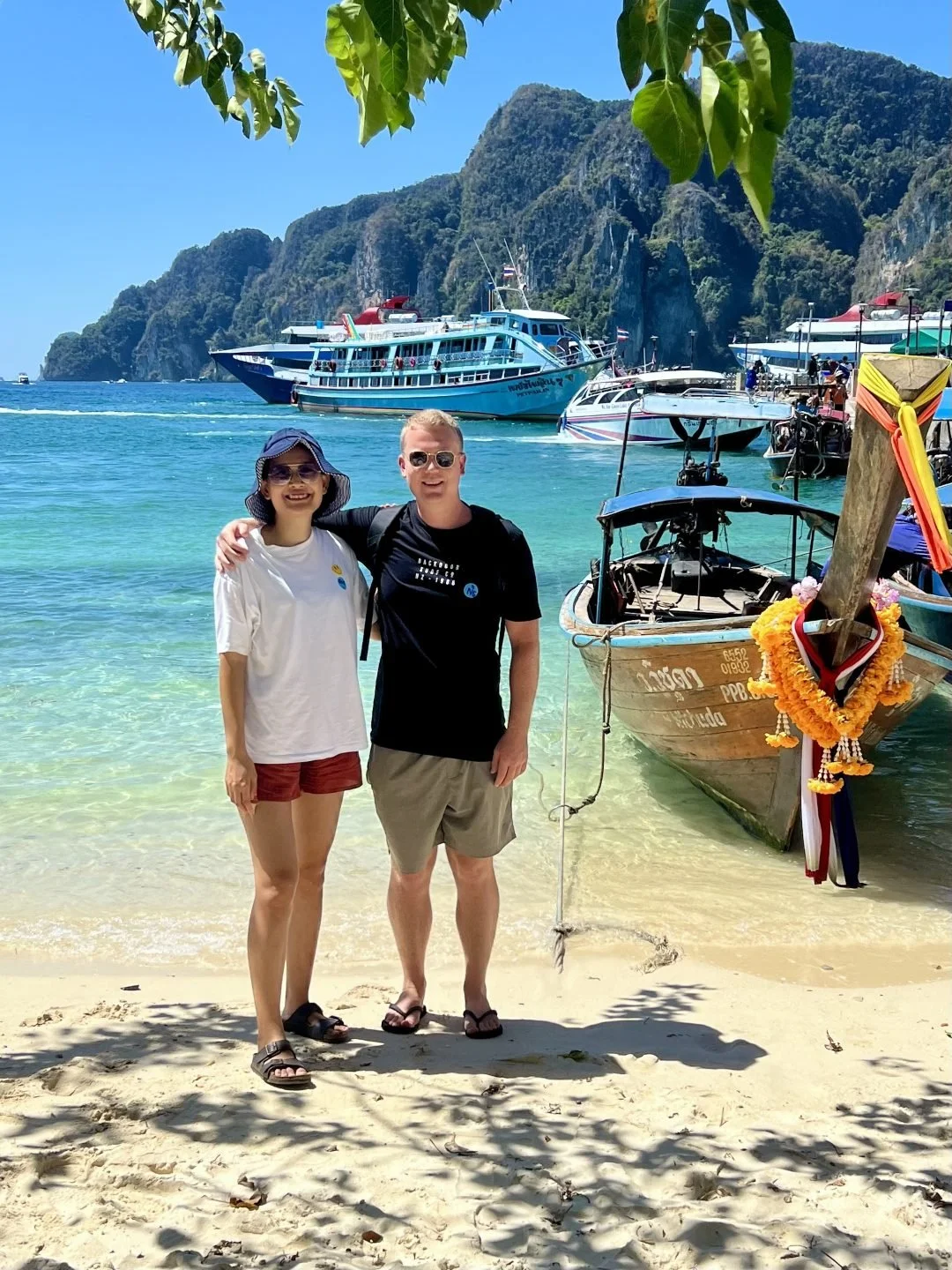
On holiday in Thailand
FAQs About Thailand’s New Visa Rules
What happens if I overstay my 30-day visa?
Thailand may seem like a relaxed place but breaking their laws can have severe consequences. Accidentally overstaying for a few days probably isn’t going to cause you much trouble, apart from paying a fine at the airport (500 THB per day). However, blatantly exceeding your stay by months for no reason can lead to a travel ban or worse being caught in public, detained by police and immediately deported. Like any country you travel to, it’s important to respect the law and just be grateful you get to visit.
Do I need travel insurance to enter visa-free?
Travel insurance isn’t a legal requirement to enter Thailand on the new visa exempt scheme. We do recommend getting it though, mainly for things like scooter accidents or random illnesses. If you get admitted to a public hospital, you’ll generally get treated but they might not discharge you or return your passport until you’ve paid. This can cripple you financially, even though Thailand has relatively cheap and effective medical care.
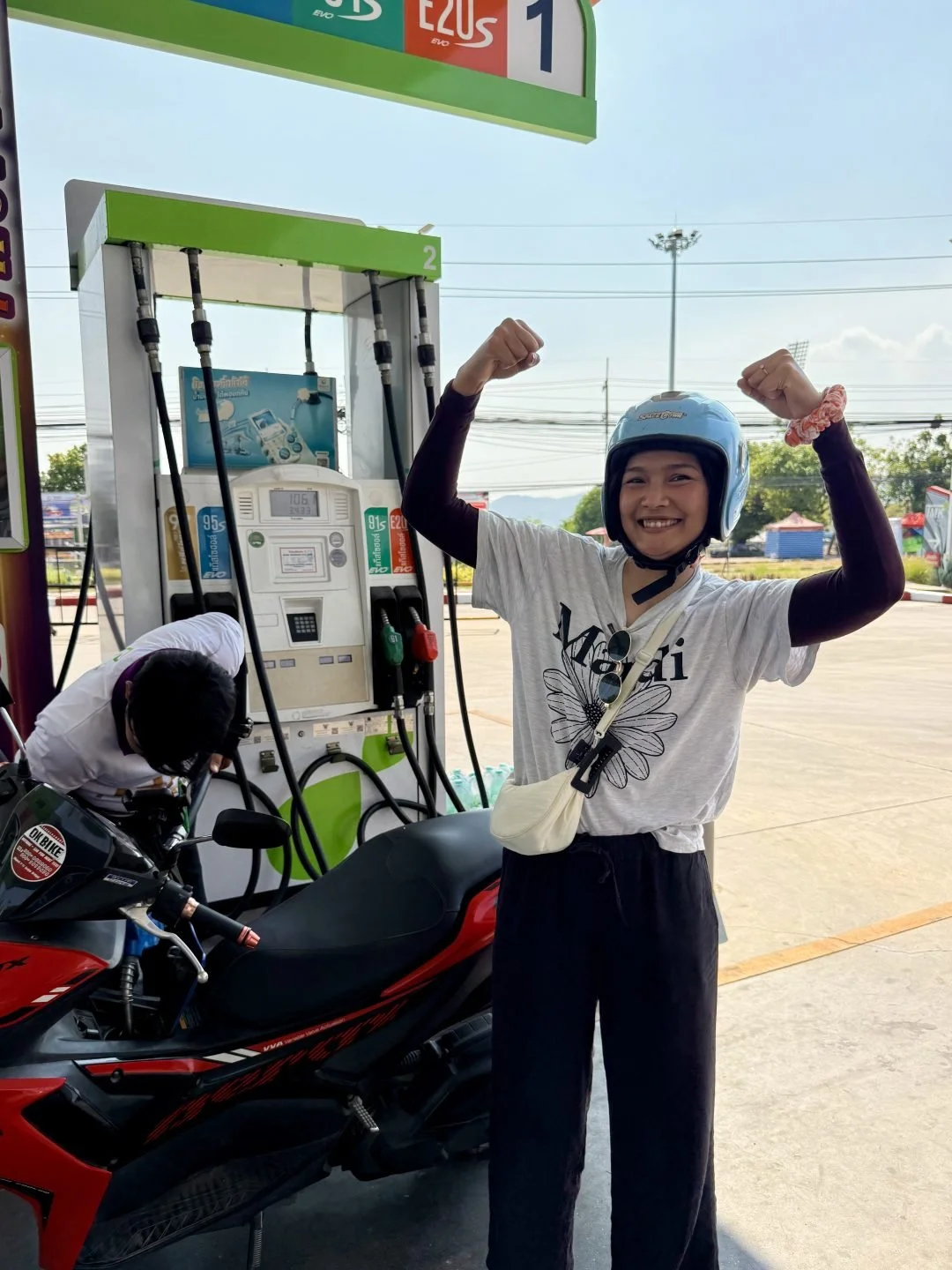
Exploring Kanchanaburi via motorbike
Is there an easy way to stay in Thailand long-term?
Thailand offers a range of long-term visas including work, marriage and residency. As you can imagine, you’re required to meet strict conditions and there’s tons of paperwork involved. The easiest way to stay for the long-term, with unlimited entries, is to get your hands on a Thailand Privilege Visa. Although it’s super expensive - priced at 900,000 THB for a 5-year gold membership - it comes with heaps of benefits. It sounds like a dream and is something we’d love to do in the future if we have the funds.
