
50 Thailand Travel Tips: What to Know Before You Go (2026)
Planning your first trip to Thailand can be a stressful process. There are so many incredible places to see, how do you possibly choose? Plus there’s the challenge (and excitement) of traveling to a foreign country where you have to embrace a new language, culture and way of life. We know what it’s like to be a first time visitor - Cam first arrived in Thailand almost a decade ago and it’s safe to say he was unprepared for what was in store.
But we also know what it’s like to live as a local - with Kat growing up here before she moved to NZ with Cam. Over the years, we’ve taken dozens of trips back to Thailand and always find a new way of falling in love with the country. By now, we believe we’ve got a good grip on Thailand travel which is why we’ve put together this guide: 50 essential tips (and other surprises) to help you experience The Land of Smiles in a more immersive way.
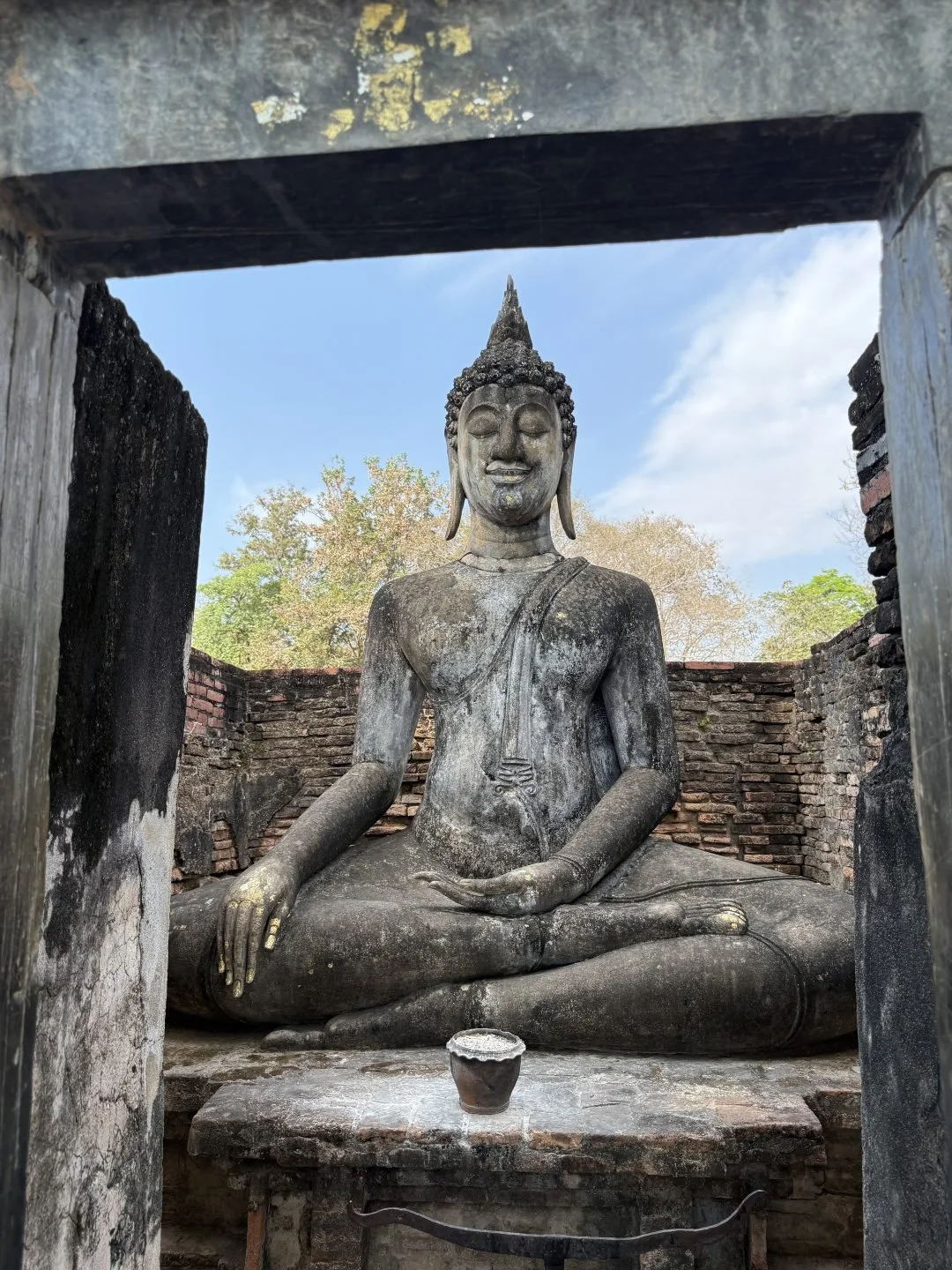
Sukhothai
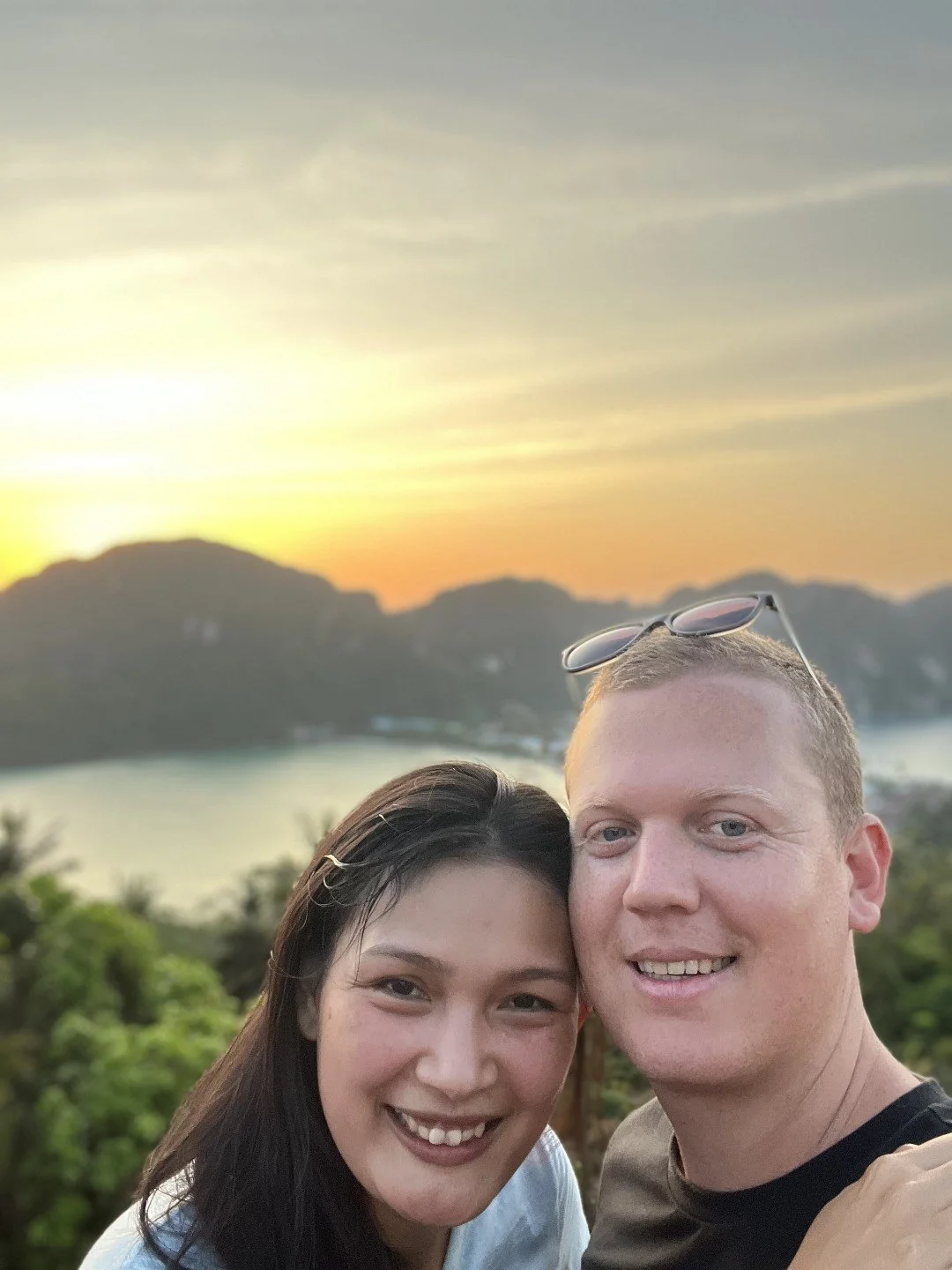
Kat & Cam in Koh Phi Phi
50 Essential Thailand Travel Tips
1. Understand Thailand’s Visa Rules
Starting from September 15, 2026, many nationalities can visit Thailand visa free for 30 days. This applies to most Western countries, including the USA, Canada, the UK, most of Europe and Australia. If you’d like to stay for up to 60 days, you can apply for a pre-arranged Tourist Visa online before your trip through the official Thai E-Visa website. This 60-day stay can then be extended by a further 30 days at a local immigration office (once you’re actually in Thailand), allowing you to stay for up to 90 days in total.
Alternatively, those entering Thailand under the 30-day visa exemption can apply for a 30-day extension at a local immigration office as well, giving them up to 60 days in total. Regardless of your visa, all foreign visitors must complete a Thailand Digital Arrival Card (TDAC) within three days before arriving. In our opinion, 30 days is still plenty of time to have a proper Thai holiday.
Read more: Thailand’s New Visa Rules: How to Stay for 60-90 Days
2. Choose the Best Time to Visit Thailand
If you want pretty much guaranteed sunshine and calm seas, visiting Thailand between November and April is the best option. April and May can get hot and humid, and in general, we advise against going during this period - unless you want to partake in the water celebrations of Songkran. We took a trip to Phuket in April once and the heat made it hard to enjoy afternoon activities. June to October is the rainy season, which tends to put a dampener on island hopping. Some far-flung islands close during the wet season for ecosystem recovery - such as the Similan and Surin Islands.
However, the Gulf Islands of Koh Samui, Koh Phangan and Koh Tao are open year-round and can still have nice weather from June to October. For a city stay in Bangkok or Chiang Mai, the odd downpour won’t exactly ruin your trip - there’s just too much to do. The benefit of visiting Thailand in the rainy season, of course, is reduced crowds and much better hotel deals.
3. Plan Your Thailand Itinerary Wisely
You’ll want to spend at least 2 weeks in Thailand (a month is better) and then pick 3 or 4 destinations to explore properly. For example, this could be Bangkok → Koh Chang → Koh Kood or Bangkok → Krabi → Koh Phi Phi or Bangkok → Chiang Mai→ Chiang Rai. One of the biggest mistakes travelers make is trying to see it all. Thailand is deceptively big, and the last thing you want is to spend half your time at the airport or on a bus. You should also leave in a little wiggle room for spontaneous adventures.
Read more: 2 Week Thailand Itinerary: Island Hopping or Culture Trip?
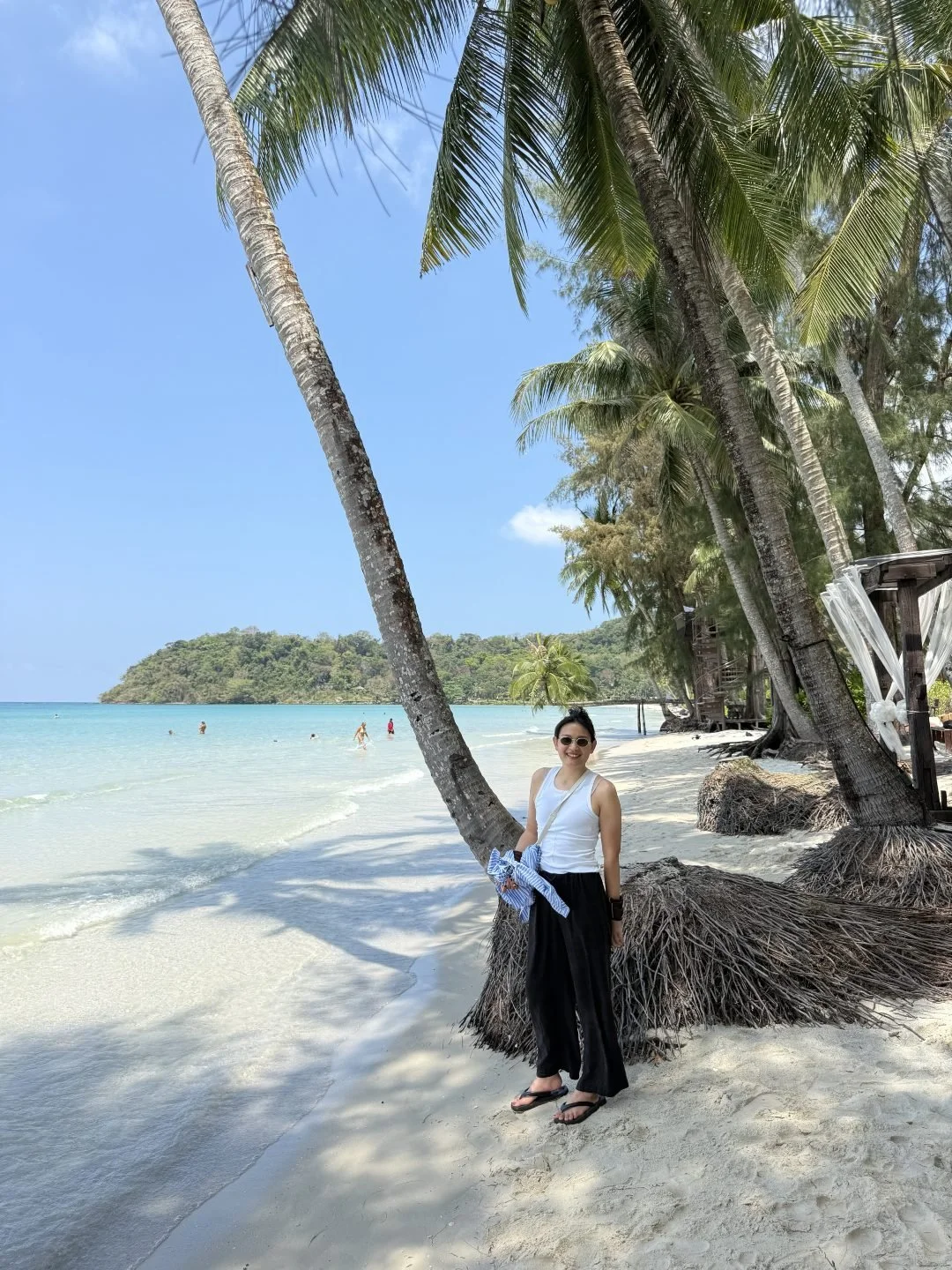
Koh Kood
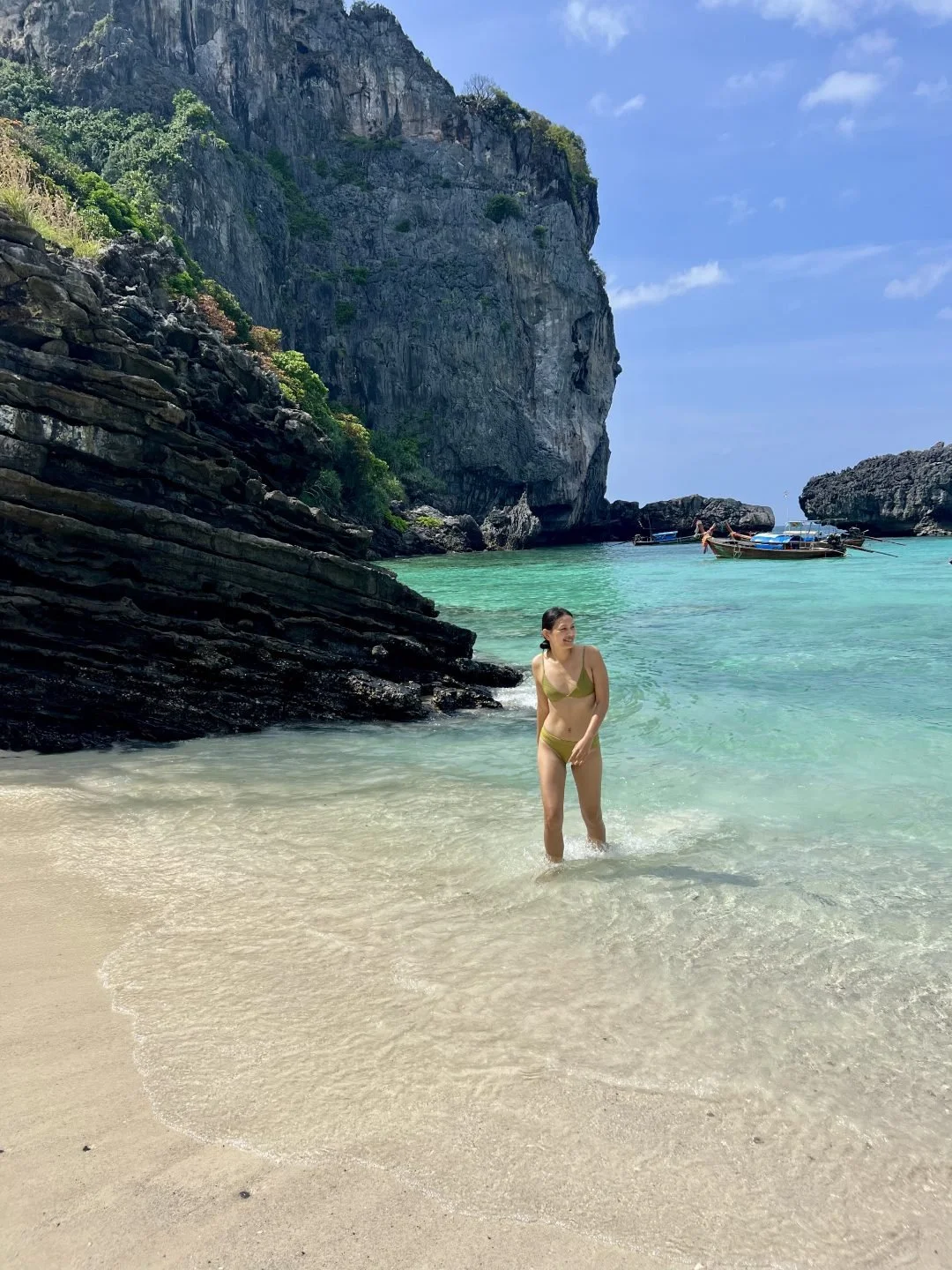
Koh Phi Phi
4. Sort Out Your Thailand Travel Insurance
Sorting out your insurance before you arrive in Thailand is a good idea, just so you're protected from things like lost luggage and scooter accidents. Just know that technically you need to hold a motorcycle license at home and an International Driving Permit to be covered. But many travelers don’t bother and risk it anyway - we will leave that decision up to you.
5. Organize Your Accommodation in Advance
This is an important travel tip to follow as popular hotels and resorts can get booked out months in advance, particularly between December and February. If you’re visiting an island or small town that has limited accommodation, such as Koh Kood or Mae Kampong, you’ll also want to make your bookings early (at least three months prior). If you’re looking for somewhere to stay as a first time visitor to Bangkok, we recommend Casa Vimaya - a fantastic midrange hotel walking distance to Khao San Road.

Resort in Koh Ngai
6. Prepare for the “Mai Pen Rai” Way of Life
It took Cam a couple of trips to understand the “Mai Pen Rai” attitude but now he fully gets it. It means “no worries”, like the Hakuna Matata of Thailand, and Thais truly do live this way. The saying represents the calm, relaxed and forgiving spirit of Thai culture. When something goes a little wrong, a dose of “Mai Pen Rai” will put you back in good spirits.
7. Be Wary of ATM Fees & Swallowed Cards
One thing to be wary of in Thailand are the ATM fees that can quickly add up. It costs 220 THB to withdraw money - and this fee applies no matter how much you’re taking out. For this reason, you’ll want to withdraw a decent amount of cash each time (say 10,000 THB) rather than 1,000 THB per go. We’ve also had a few problems using the yellow ATMs, belonging to Krungsri Bank, which have swallowed our cards a couple of times.
We try to stick with the blue ATMs of Krungthai Bank or the purple ATMs of Siam Commercial Bank. One advantage of Krungsri Bank though is that it allows for larger withdrawals - up to 30,000 THB. Always remember to select “Without Conversion” on the ATMs in Thailand, so your bank processes the exchange rate - otherwise you’ll get a less than ideal rate.
8. Always Have Cash & Small Change on You
Most major hotels, restaurants, and shops accept card payment in Thailand but many of the small businesses are cash only. It’s good to carry a wallet with at least 2,000 THB in addition to a purse to keep the 10 Baht coins.
9. Don’t Be a “Farang Kee Nok”
“Farang Kee Nok” translates to “bird-poop foreigner” and yes it’s an insult. It’s mainly used for backpackers or rude tourists who are overly stingy. Of course it’s okay to travel on a budget, but (from what we’ve seen) many people come here and try to skimp and beg their way through the country. Instead of being a “Farang Kee Nok”, do the opposite and give small tips where you can. We do this for Grab drivers, massage therapists, and tour guides who do a good job - which is a common occurrence in Thailand.
10. Ride the BTS & MRT in Bangkok
The traffic in Bangkok is crazy and seems to get worse every time we visit. Luckily, the public transport in Thailand’s biggest city is world-class - particularly the BTS and MRT which allows you to avoid the heavy traffic congestion. For those who don’t know, the BTS Skytrain is a network that runs above street level and the MRT takes you underground. The trains are modern, comfy and (importantly) air-conditioned, taking you to stations close to temples, bars and anywhere else you need to go in Bangkok.
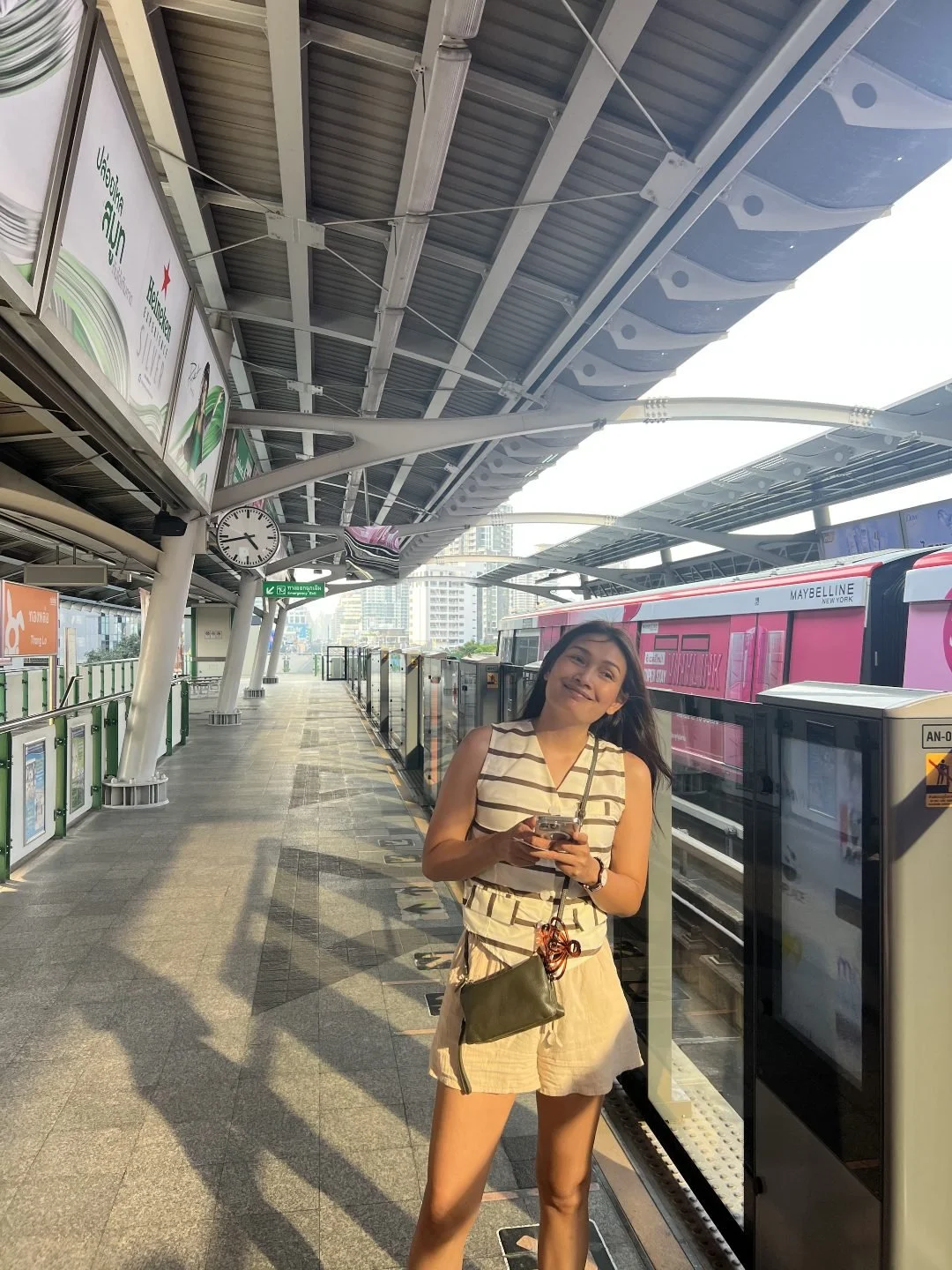
BTS
11. Use Grab, Taxis & Tuk-Tuks in Thailand
Grab is another popular way of getting around, basically Asia’s version of Uber. The app allows you to order rides from your current location and link your card, which eliminates language barriers and haggling. If you do need to hail a taxi, just ensure the driver uses the meter and for tuk-tuks negotiate the price beforehand. Tuk-tuks cost more but nothing beats the feeling of zooming through the streets in an open-air three-wheeler.
You can also take Grab motorbike rides - a common method of transport for locals. These are fantastic for weaving through traffic, or for short stints where a taxi seems overkill. Riding on the back of the bike is such a thrill, especially through Bangkok at night. It’s a legal requirement to wear a helmet, but again this rule is only occasionally followed. To be safe, and for insurance purposes, you can demand that your driver provides a helmet.
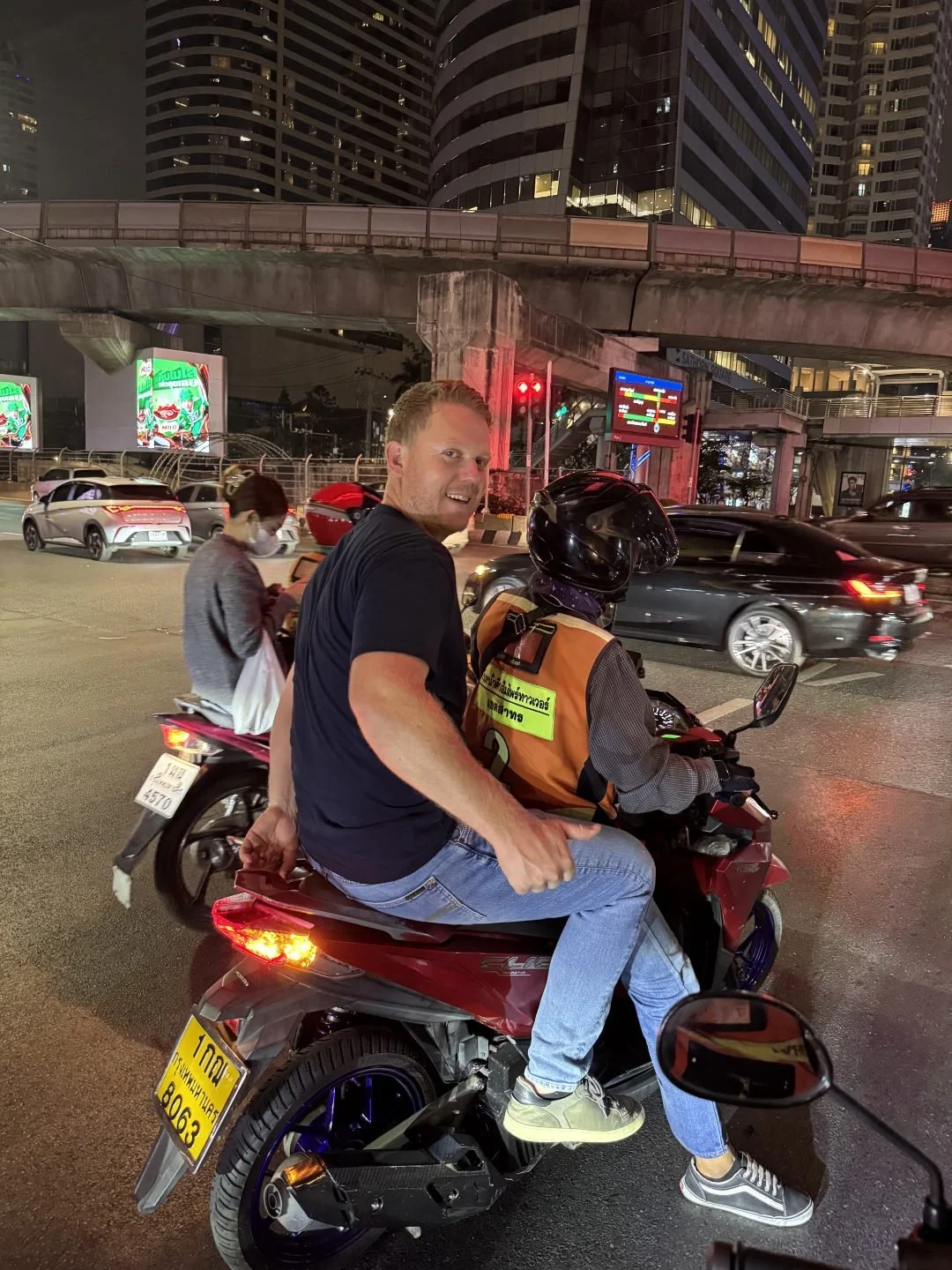
Grab motorbike rides
12. Jump in a Songthaew for a More Local Experience
Songthaews are the most “local” transport of them all - offered in cities, towns and islands right across Thailand. These are pickup trucks with bench seats and you pay cash at the end of the trip, normally no more than 50 THB pp. We love songthaews but only when they’re not crowded. It can get squashed and claustrophobic when too many people start piling in.
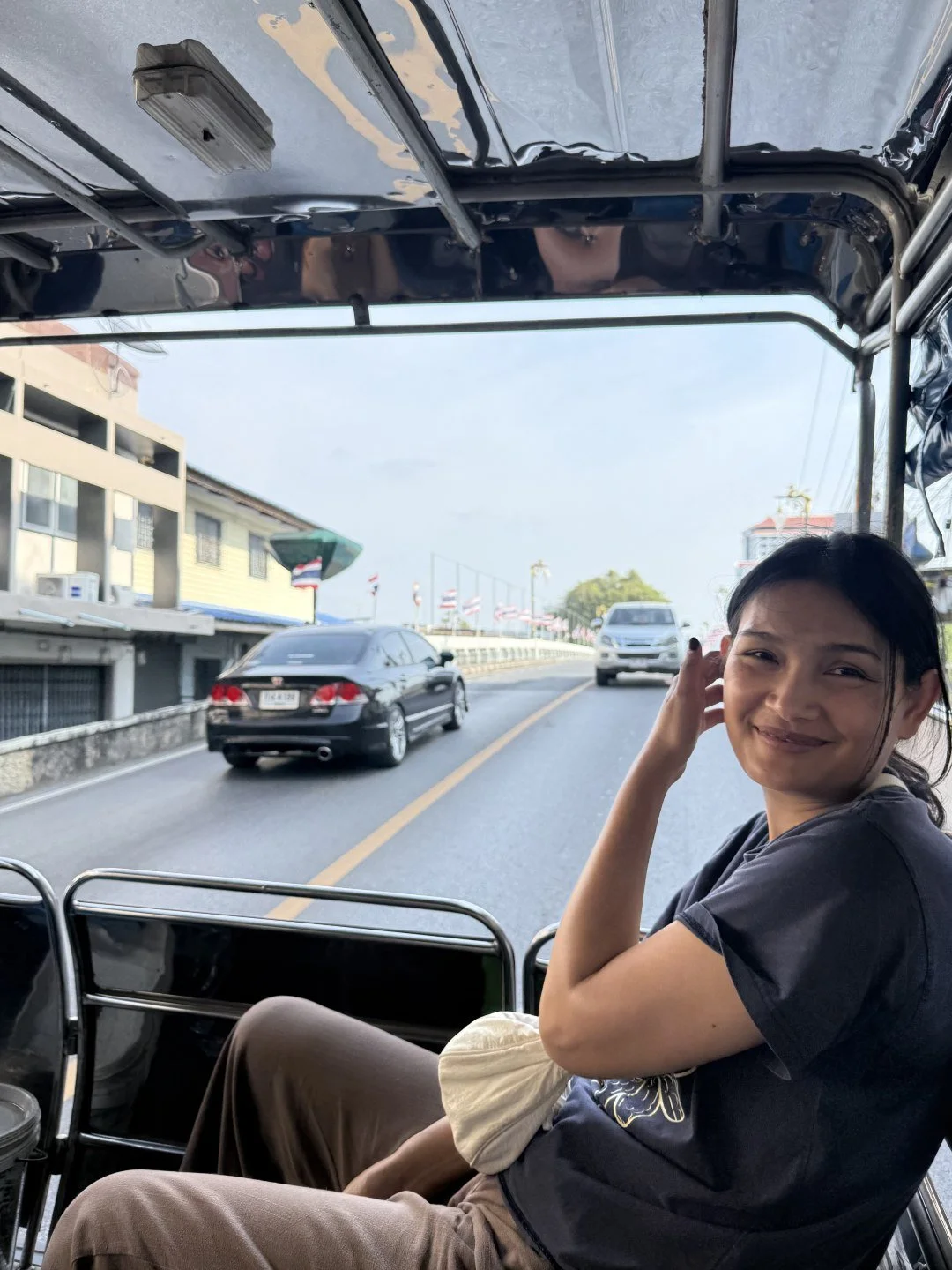
Songthaew rides
13. Take Cheap Domestic Flights in Thailand
Getting from Bangkok to the north and south is quite difficult if you don’t take a domestic flight. That’s why we recommend flying to places like Chiang Mai, Chiang Rai, Phuket or Krabi. AirAsia is the best budget airline or you could go with Bangkok Airways - a pricier option but a much more comfortable (and boutique) flying experience. They have private airports in remote parts of Thailand such as Trat, Sukhothai and even Koh Samui.
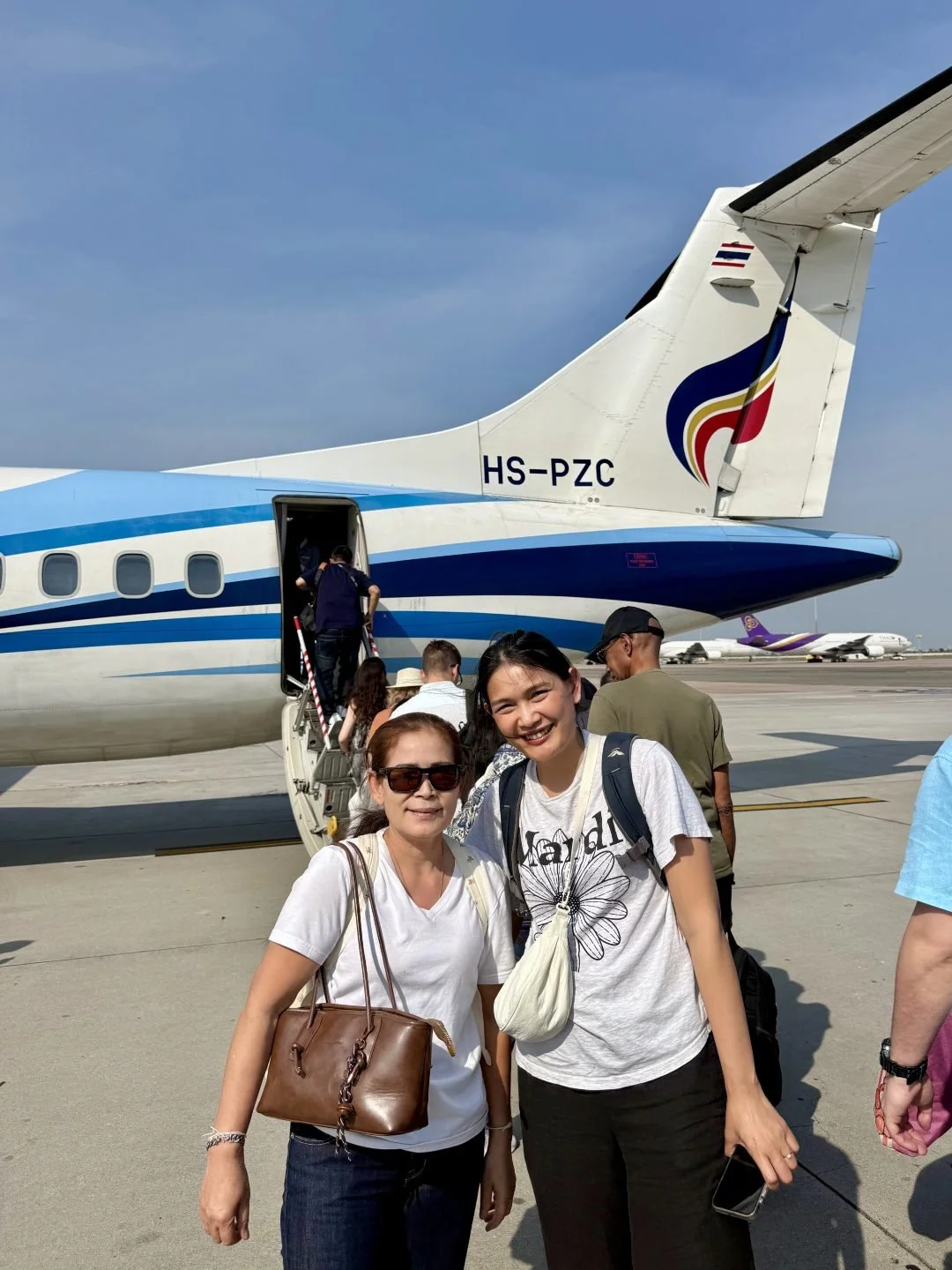
Bangkok Airways flight
14. Utilize Trains or the Bus for Short Distance Travel
Flights are best for long-distance travel in Thailand but trains and buses work well for shorter distances - for example from Bangkok to Ayutthaya, Kanchanaburi or Chanthaburi. We often take the bus to Chanthaburi and it’s normally a painless experience. Minivans are also popular in places like Phuket - getting you to Khao Sok National Park or the piers in Khao Lak.
15. Stop at the Roadside Stations Like PTT
Road trips are a lot of fun and make for a great way to see the real Thailand, whether you go by motorcycle or car rental. Most major highways are equipped with roadside stops full of Café Amazons, 7-Elevens, food courts, EV chargers, and bathrooms (always clean). The brands you need to look out for are PTT and Bangchak - lifesavers when you need a quick rest.
16. Get an eSIM for a Short Trip to Thailand
This will enable you to use Google Maps, contact hotels (if needed) and let loved ones know you’ve arrived safely. We usually use Airalo, Saily or Holafly but there are plenty of other reliable eSIM brands out there.
17. Buy a Thai SIM card for a Longer Stay
If you’re visiting Thailand for more than 2-weeks, it’s probably worth swapping out your SIM card for a Thai SIM. It can be handy to have an actual Thai phone number, plus you’ll get really good deals on 5G. Go with either the mobile networks of AIS or True - both are reliable and cheap.
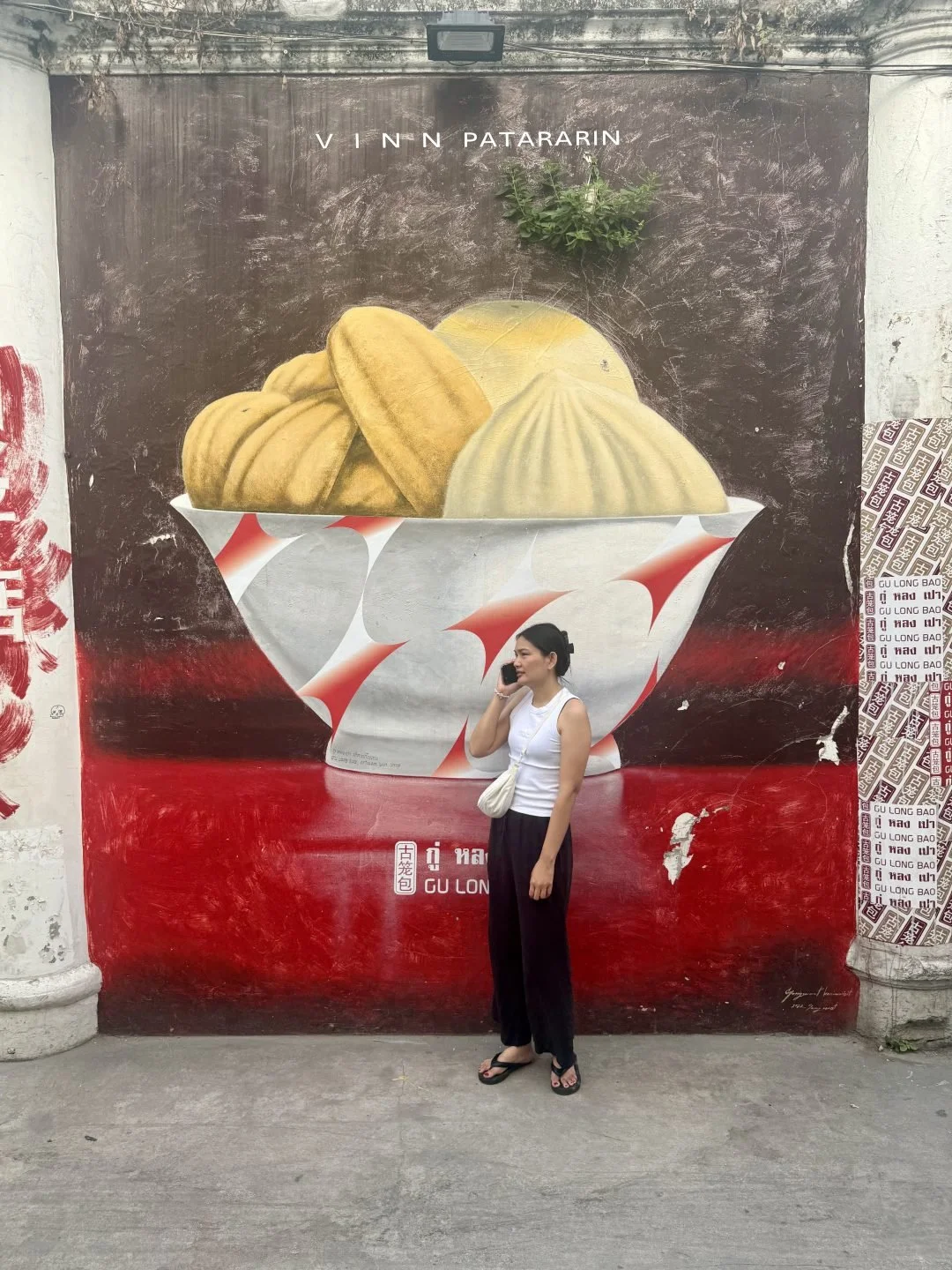
Song Wat Road, Bangkok
18. Download WhatsApp & Google Translate
WhatsApp is useful for contacting hotels and tour providers, and Google Translate is a godsend for communication. It might feel weird and unnatural to constantly use a phone when speaking to someone, but there’s simply no other alternative (unless you become fluent in Thai). Cam still relies on it to this very day when talking to Kat’s family and friends.
19. Learn a Few Thai Words Before You Go
Learning a few Thai phrases before you go makes a huge difference to the type of experience you can have. Locals really appreciate the effort, even if you pronounce the words slightly wrong, and it makes it easier to make new friends. You can get by with only saying “sawadee kha/khap” and “kop khun kha/khap”, but we recommend learning a few more phrases such as:
“Ped nit noi”: A little bit spicy
“Sabai dee mai”: How are you?
“Sabai sabai”: Relax, take it easy
“Bpa” or “bpai gan”: Let’s go or let’s go together
“Chai kha/khap” or “dai kha/khap”: Yes please
“Mai ow kha/khap”: No thank you
“Alai na”: What did you say?
“Tao rai kha/khap”: How much?
“Hong nam”: Bathroom
“Nam pao”: Normal water
“Ron”: Hot
“Naao” or “yen”: Cold (weather) or cold (drinks)
“Nung, song, sam, si, ha”: 1, 2, 3, 4, 5
“Roy”: 100
“Ha roy baht”: 500 THB
“Phan”: 1,000
“Song phan baht”: 2,000 THB
20. Respect Buddhist Culture & Thai Temple Etiquette
Most of Thailand is Buddhist, so you’ll come across endless temples on your travels - from the sprawling Grand Palace to the artistic White Temple. Make sure you dress respectfully and cover your shoulders and knees. You’ll also need to remove your shoes and not point your feet at Buddha images. Monks can be seen at temples and in everyday life - on trains, stopping for street food, etc. Give them space and don’t thrust a camera in their face.
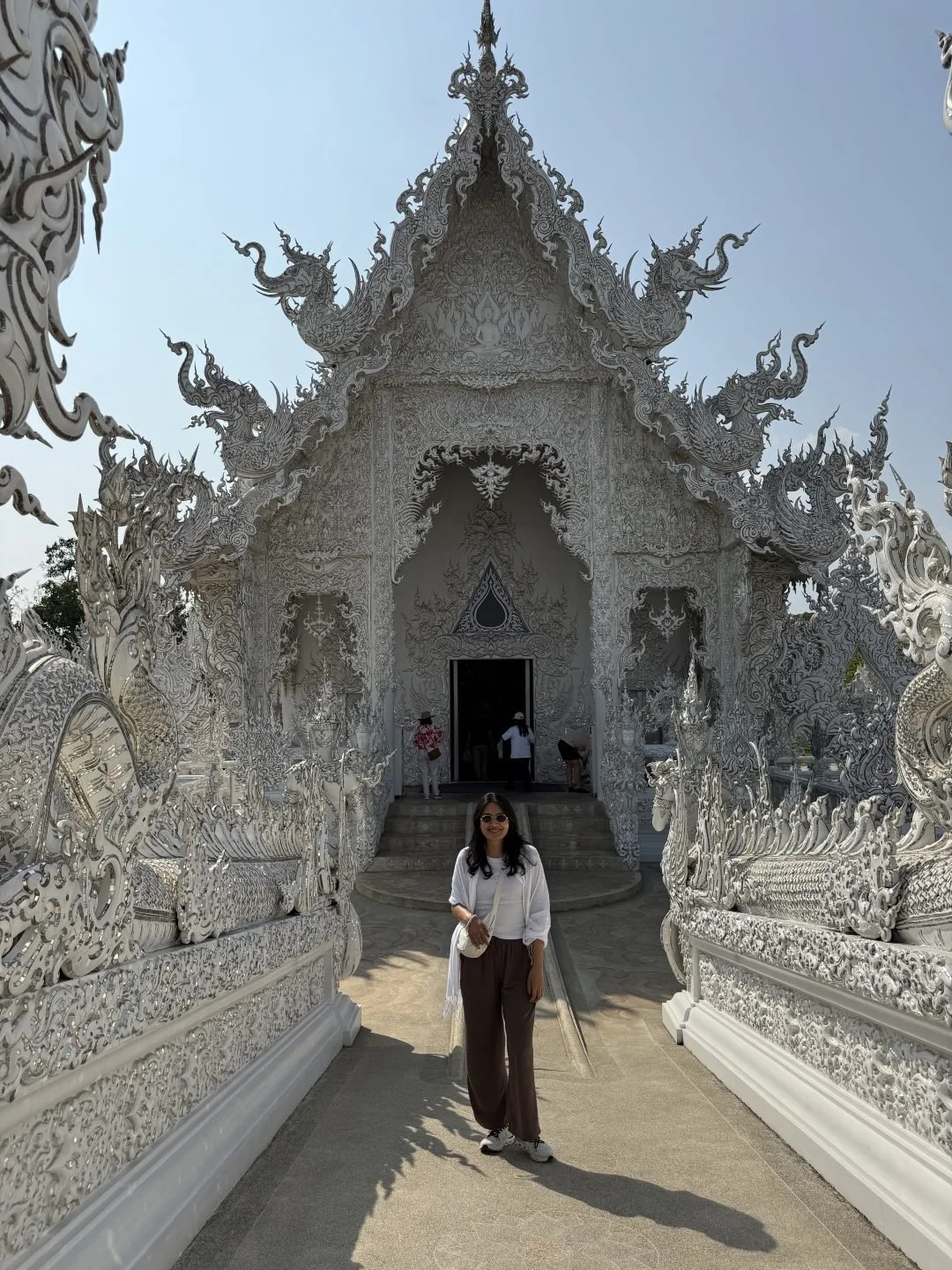
White Temple
21. Know Thailand’s Royal Rules and Local Laws
The Royal Family is a core part of Thai society, and being a guest in their country it’s best to show respect (regardless of your personal views). We suggest avoiding talking about the topic altogether, since laws for criticizing the monarchy can be severe in Thailand - including prison time.
22. Look for Restaurants Popular With Locals
The question of “what Thai food should I try on my first visit” is a good one but it’s not actually easy to answer. Everything depends on your tolerance to spice and whether or not you’re an adventurous eater. Som Tum is a great introduction to more bold food orders, known as one of the best salads in the world. The same goes with Khao Soi, Boat Noodles, Pad Krapow and Mookata. If you’re ready to eat like the locals, search for eateries or restaurants filled with Thai people - they’re usually popular for a reason.
Read more: What to Eat in Thailand: 50 Must-Try Dishes for Your Trip
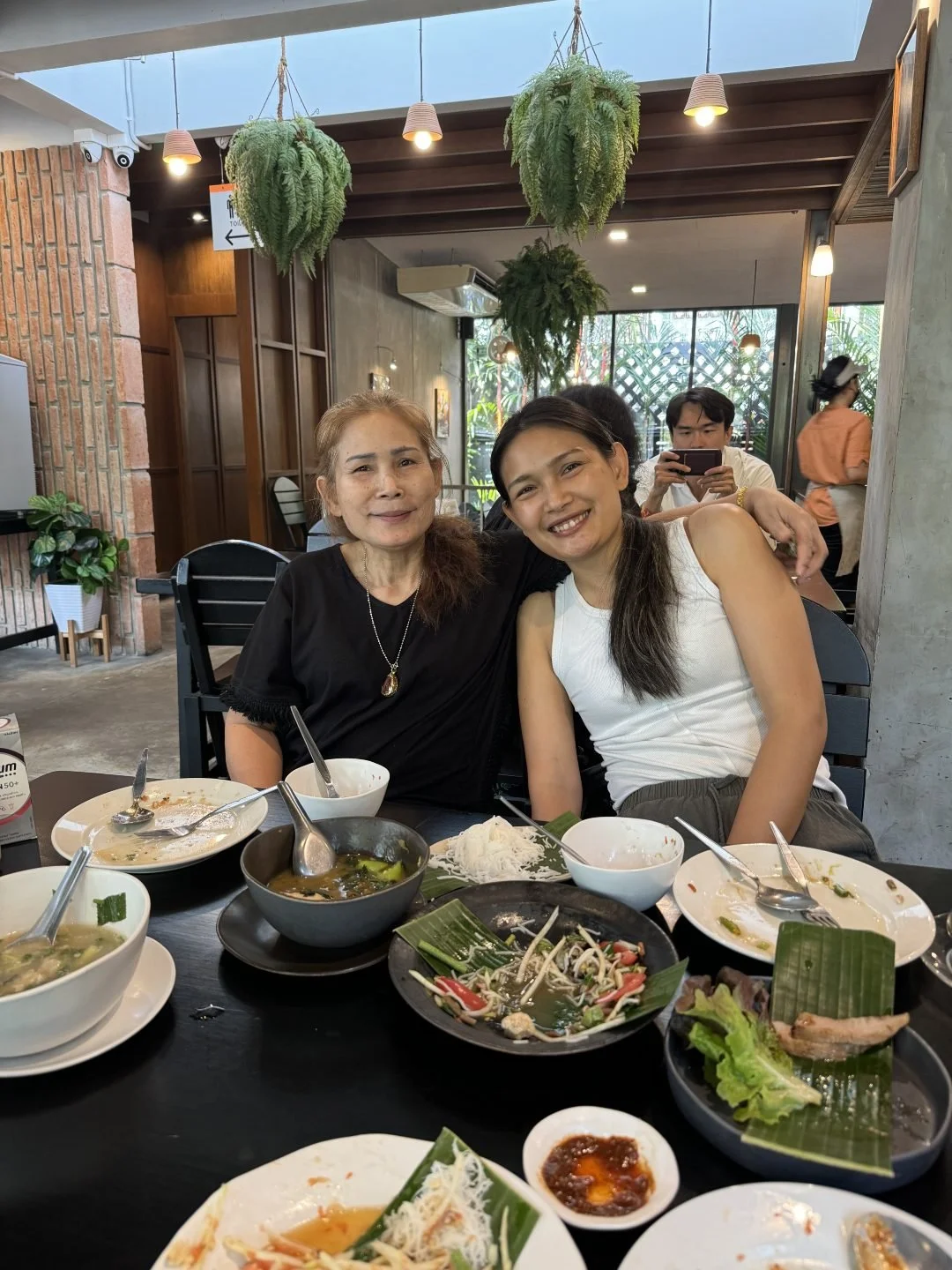
Kat with her mum at a popular local restaurant
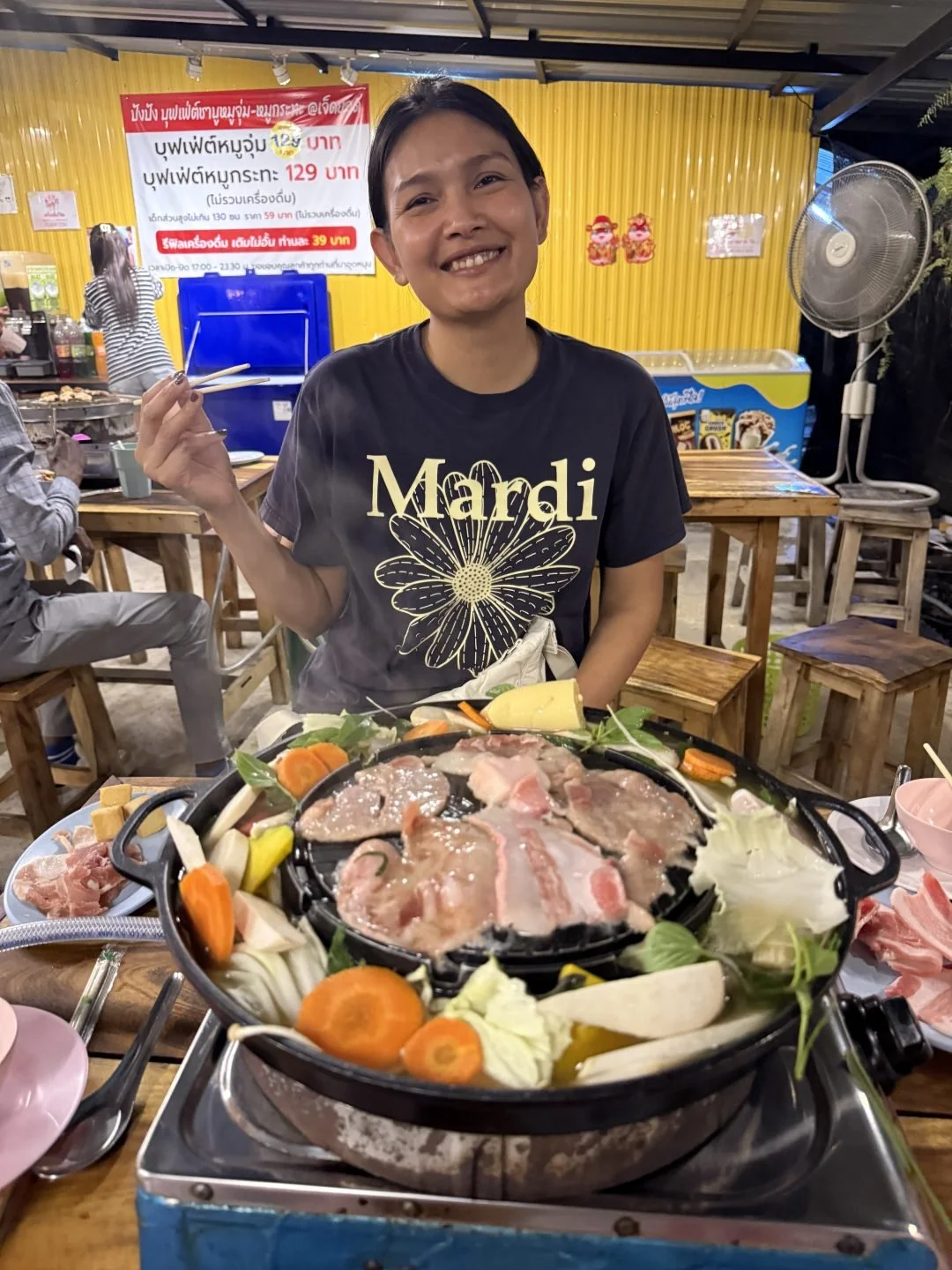
Mookata
23. Embrace Thailand’s Street Food & Markets
One thing that still blows us away about Thailand is the fact that we’ve never got sick from street food. It’s incredibly clean and safe to eat, and not to mention delicious. Whether you’re after Moo Ping or Mango Sticky Rice, the street food stalls in Thailand are usually a safe bet. Weekend markets, or daily markets, are great spots to find snacks and small meals but just know that they can get crowded, and we mean super crowded.
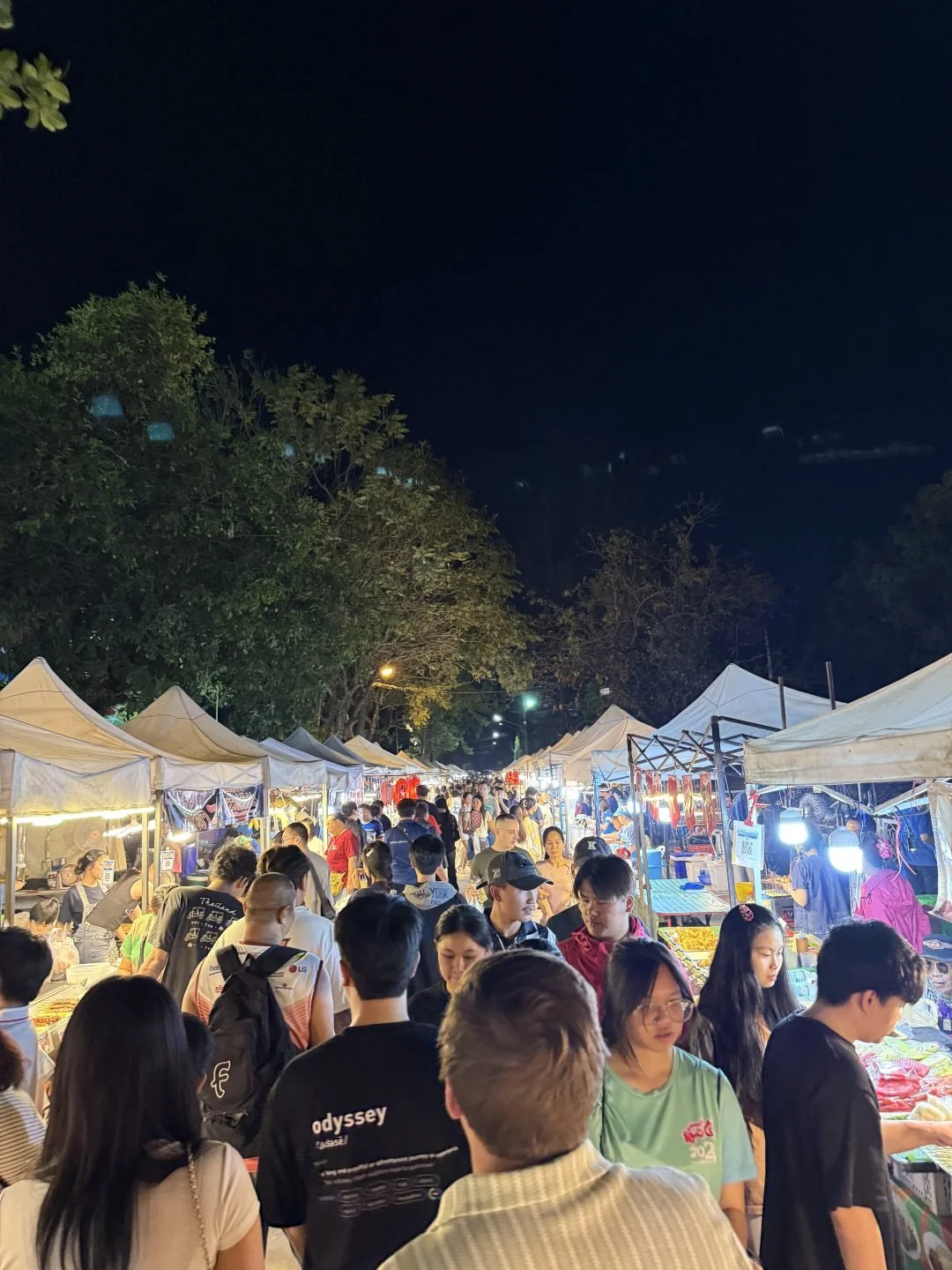
Busy markets
24. Remember the Saying “Ped Nit Noi”
Some people say Thai food isn’t that spicy, but Cam for one begs to differ. He’s seen how locals actually eat and the amount of chilli on the plate is breathtaking. Don’t try to match their spice level, instead ask for your dish “ped nit noi”, otherwise you’ll be spending hours on the toilet the next day. A little kick is nice and we find it gives you energy, and can even clear up a blocked nose or a nagging headache. Paired with a cold Leo or Singha, a spicy bowl of noodle soup (as you sit outside on plastic chairs) is heaven.
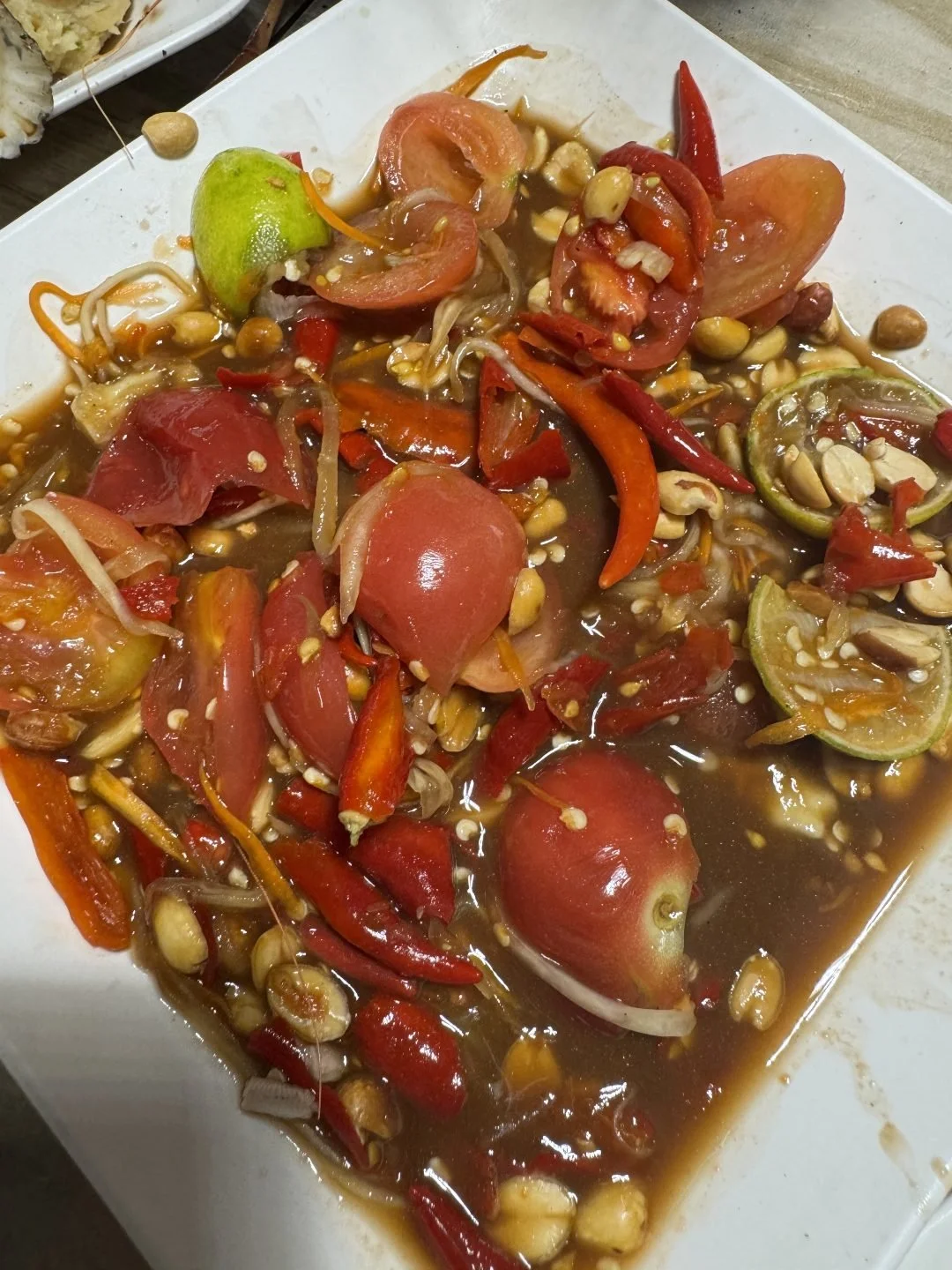
Incredibly spicy Thai food
25. Drink Bottled Water & Coconut Water
Ice is generally safe but what’s not is tap water. You have to stick with bottled water throughout your trip, which isn’t exactly eco-friendly we know. We drink lots of coconut water in Thailand, one of the country’s top exports. The brands you find at the stores are great, however nothing beats a freshly opened coconut on the beach. Thai coconuts are the best tasting coconuts in the world, in our opinion, much better than other parts of Asia.
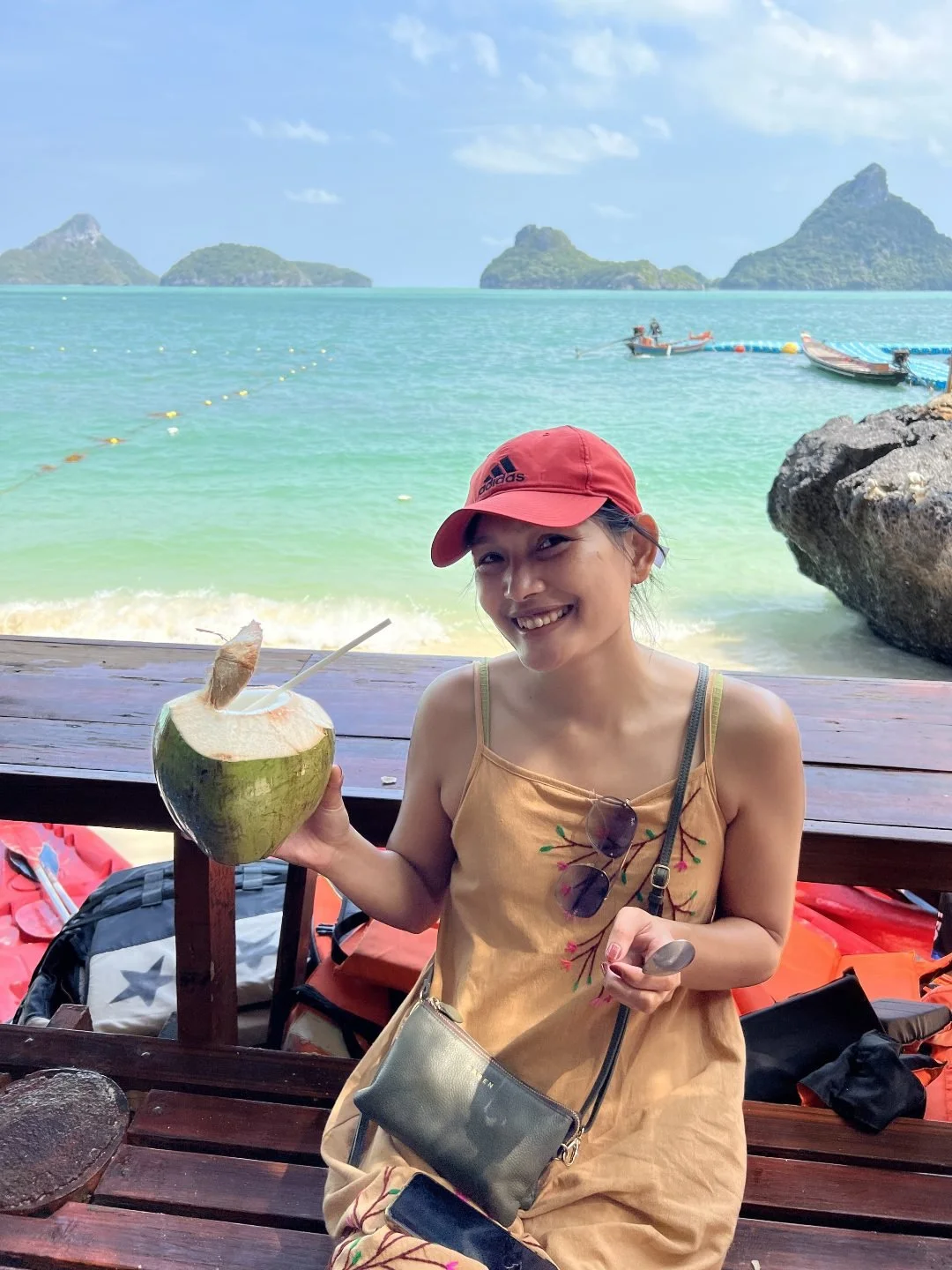
Fresh coconuts in Ang Thong Marine Park
26. Eat Durian at Least Once in Thailand
Durian smells like a mix of vomit and dirty socks, or something along those lines, and is so strong that hotels and taxis often ban it. That being said, it’s one of those delicacies that requires time - in the same way that you might not like coffee the first time, but slowly develop a liking for it.
Kat’s family is from Chanthaburi, the “Durian Capital of Thailand”, and some of the local varieties are quite nice: smooth, rich and much less odorous. Durian chips are a good alternative, if you simply can’t handle the smell, but they do come with a heavy price tag. One thing to be careful about with Durian is that it’s not compatible with beer - it can get you intoxicated much quicker, as it reduces your liver’s ability to break down alcohol.
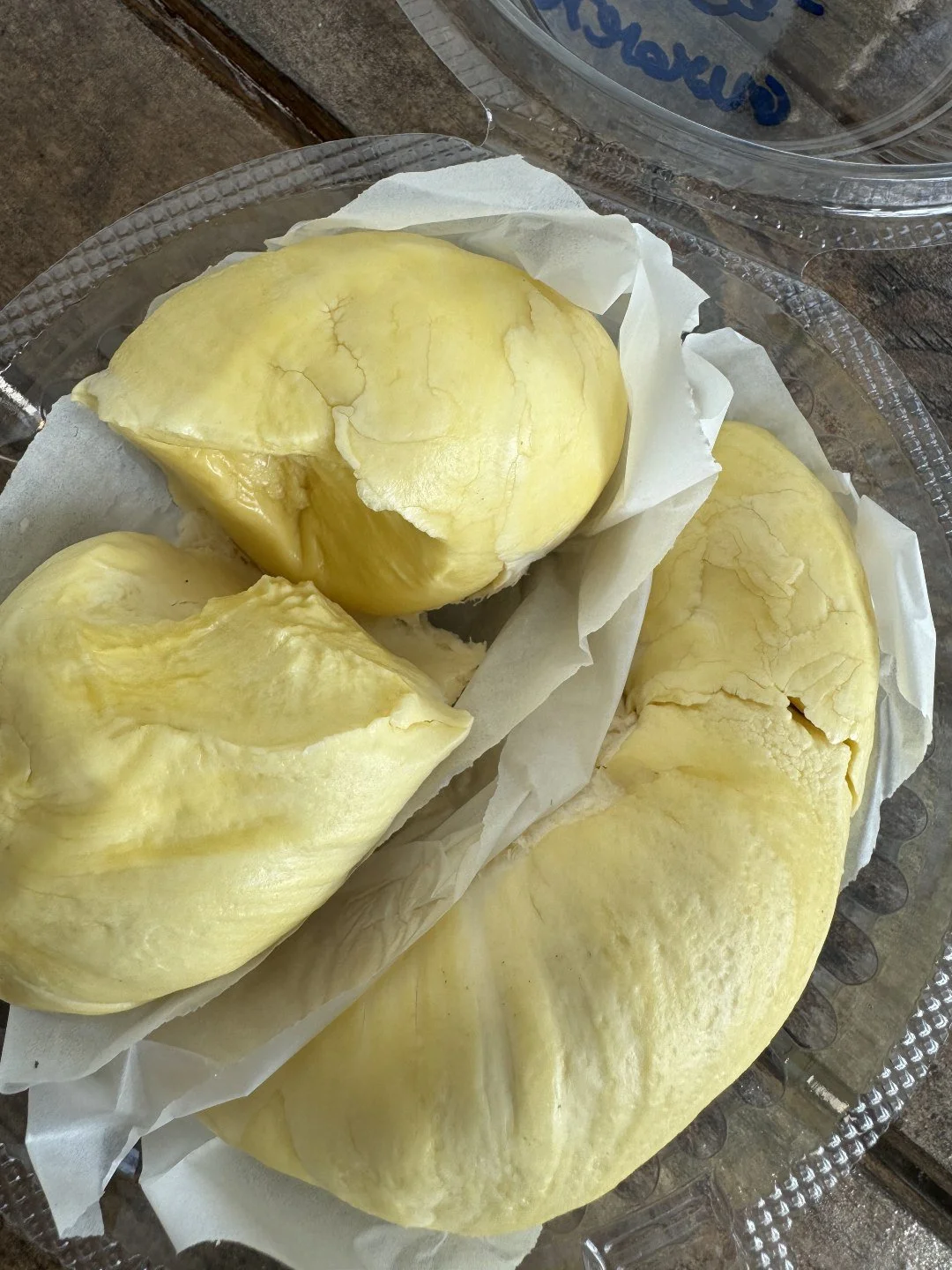
Durian
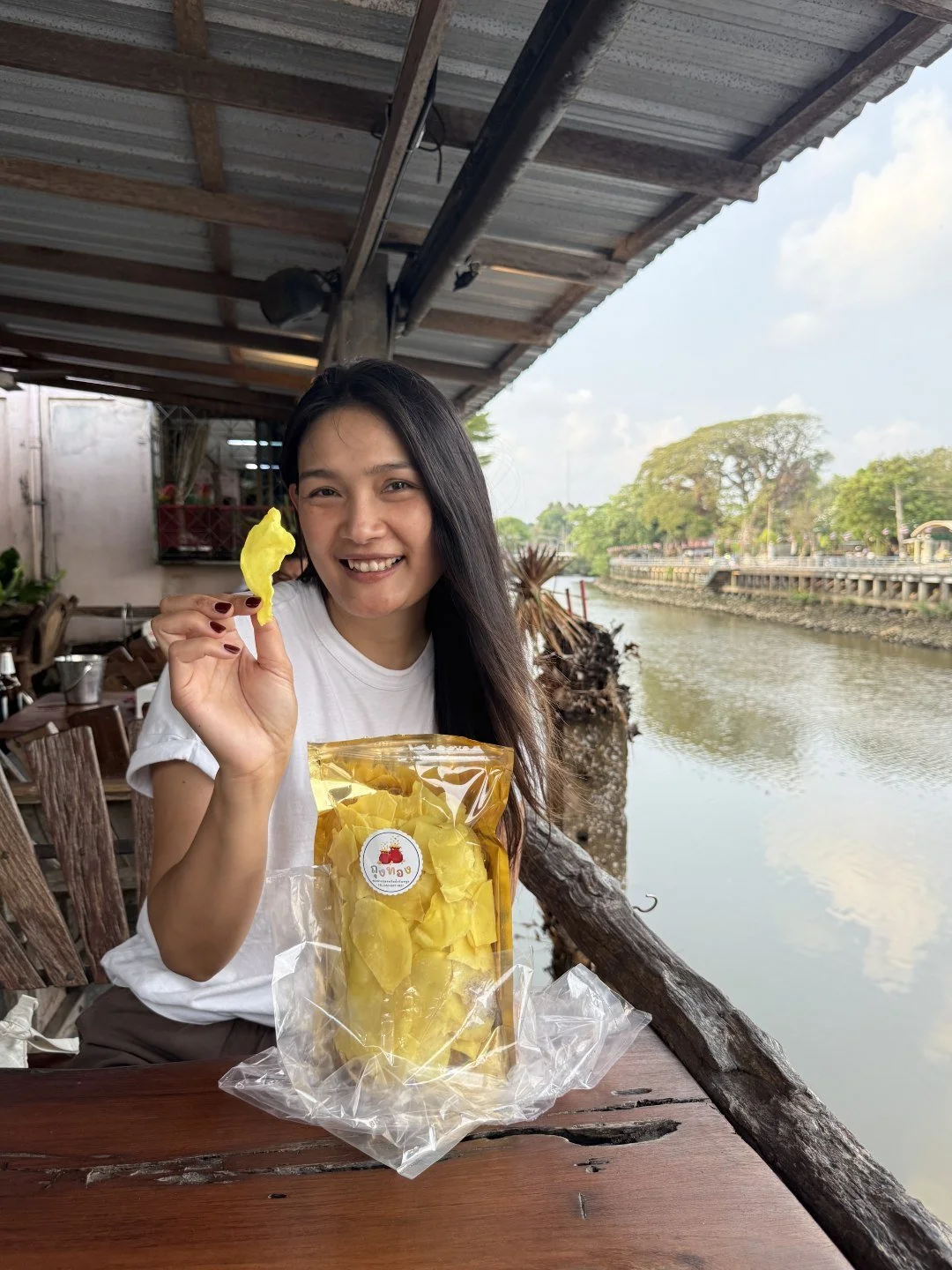
Durian chips
27. Taste the Best KFC in the World
The KFC in NZ (where we live) is shocking but Thailand is a different story. It’s the most popular fast-food outlet in the country, with over 1,000 stores compared to McDonalds which only has 240. Be sure to try “Wingz Zabb”, a spicy chicken recipe that’s incredibly addictive, and the egg tarts. We reckon it’s the best KFC in the world and many food critics agree with us.
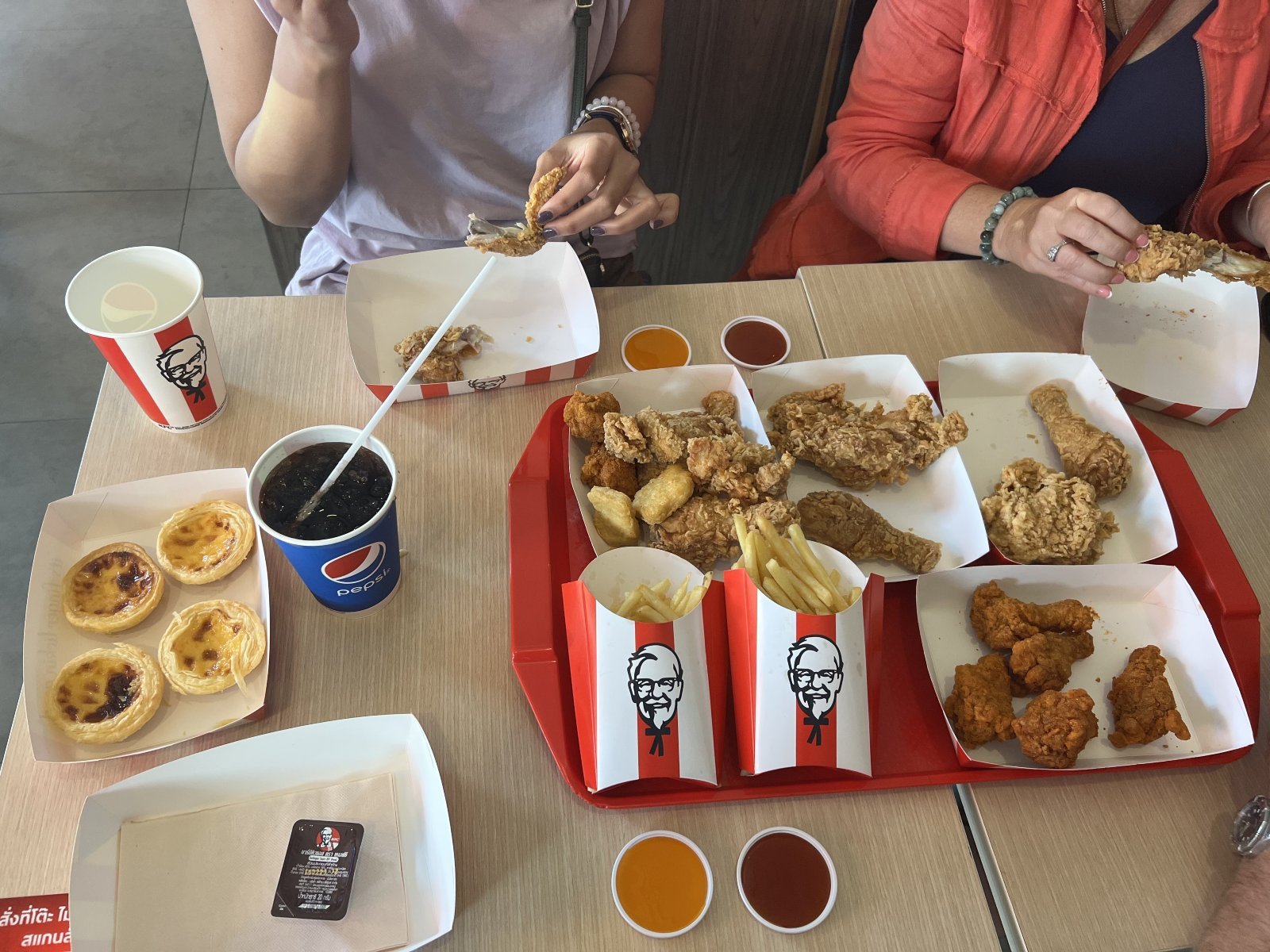
KFC in Thailand
28. Stick With Chicken, Pork, Fish & Seafood
On our early trips to Thailand, we just presumed the steak would be good. We ordered from a local restaurant once and it came out thin, mangled and tasteless. From then on in, we stuck with chicken, pork, fish and seafood. The seafood in Thailand is fantastic by the way, especially in coastal areas. There are a few specialty steak restaurants which still do a decent job, mainly in Bangkok, where you can order imported beef from Australia. Although, Cam still believes the beef from NZ is much better.
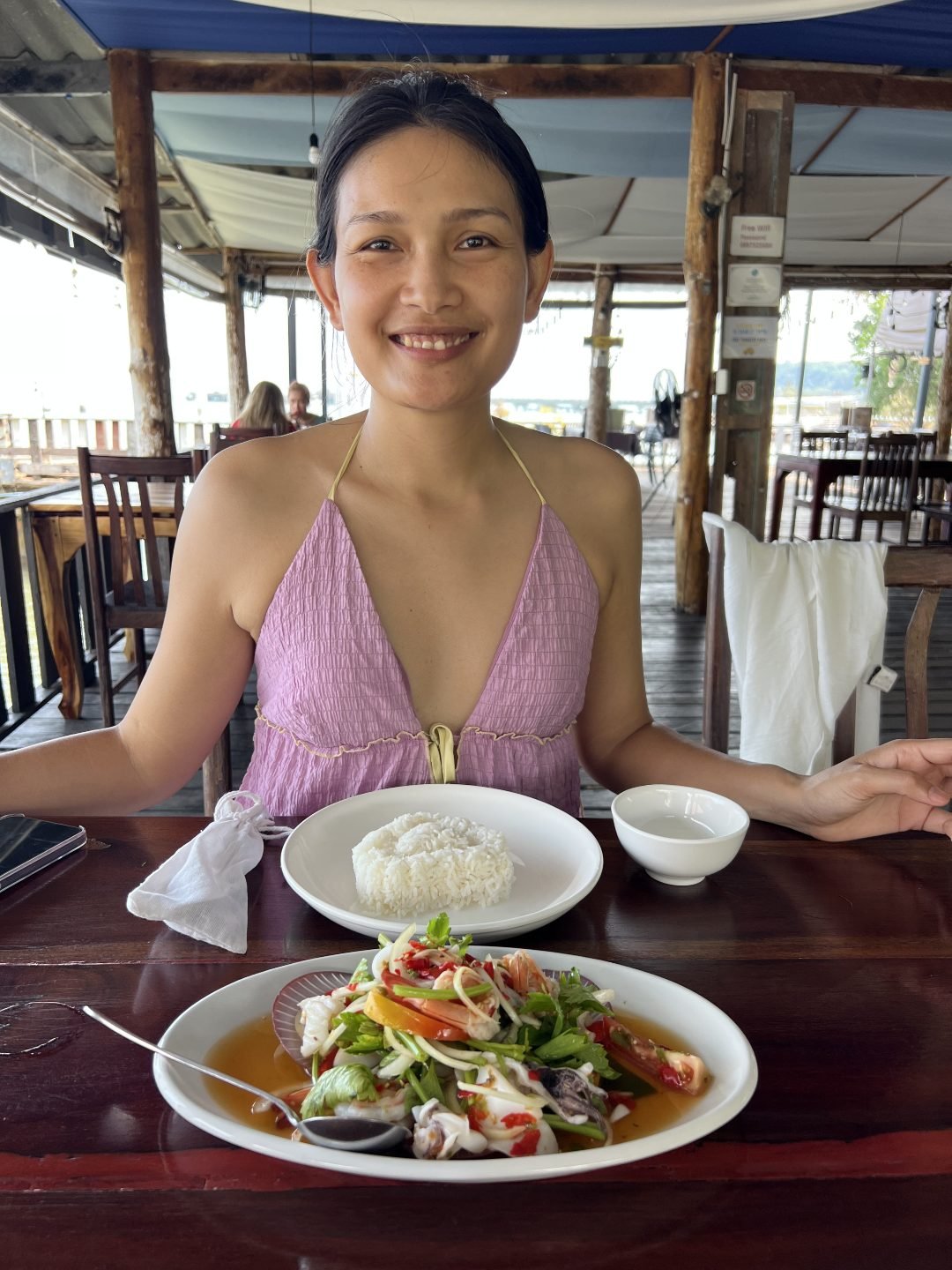
Seafood in Koh Mak
29. Try the Weird & Wonderful Food up North
Foodies venturing north will find another world of weird and wonderful cuisine. In Chiang Mai and Chiang Rai, dishes incorporate all sorts of strange creatures - from frogs and field rats to ant eggs and bee larvae.

Grilled bee larvae
30. Keep an Eye on Your Weight in Thailand
Thai food is mouthwatering, and usually quite healthy when eaten in moderation. However, first time visitors might find it hard to stop eating. Cam has battled with this over the years - how can you say no to more banana roti and Thai milk tea? A lack of discipline can lead to some serious weight gain when traveling in Thailand. Even if you’re swimming at the beach, going on hikes, and hitting the Muay Thai gym everyday, just be mindful of how many calories you’re actually putting into your body.
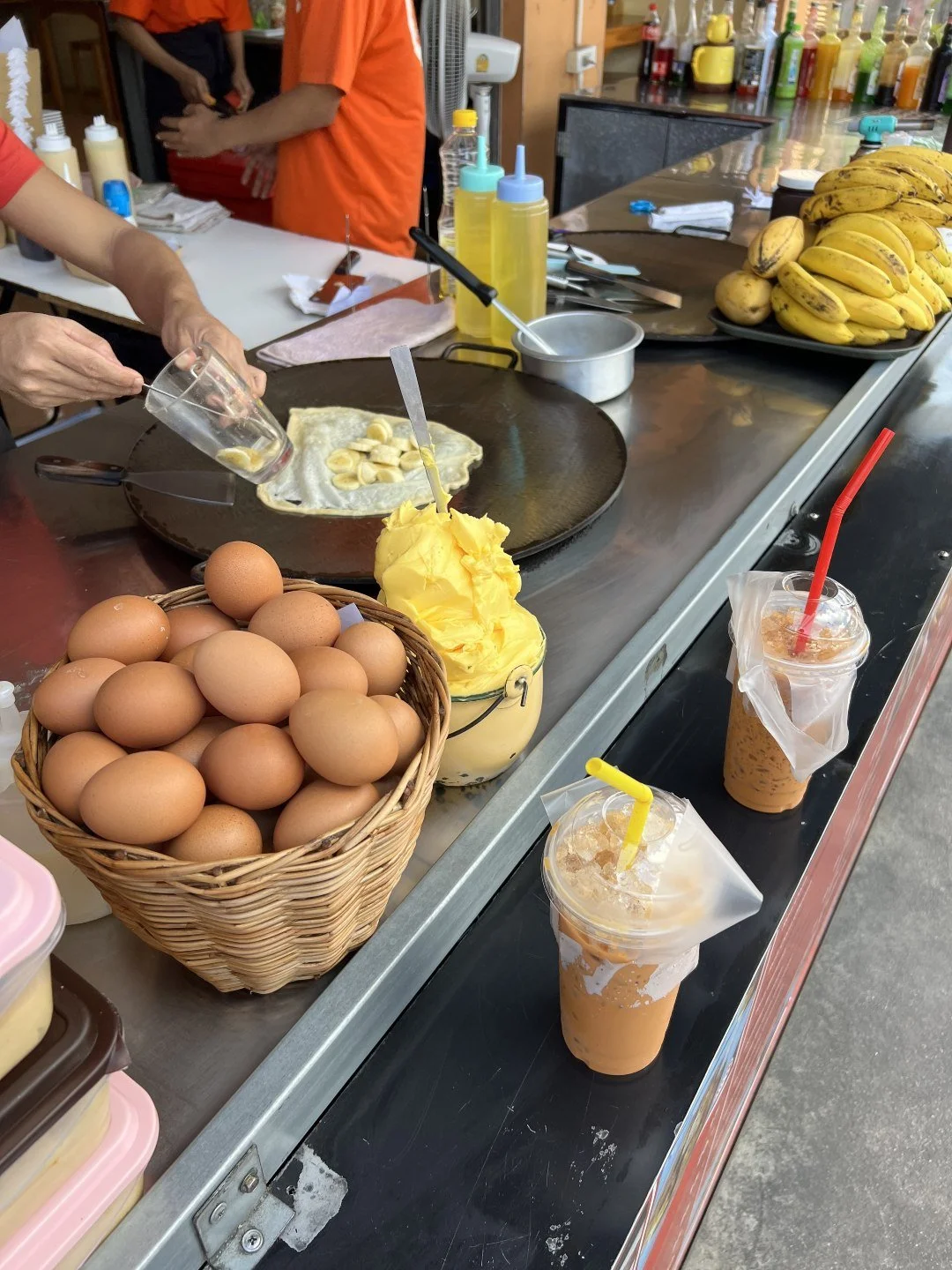
Banana roti & Thai milk tea
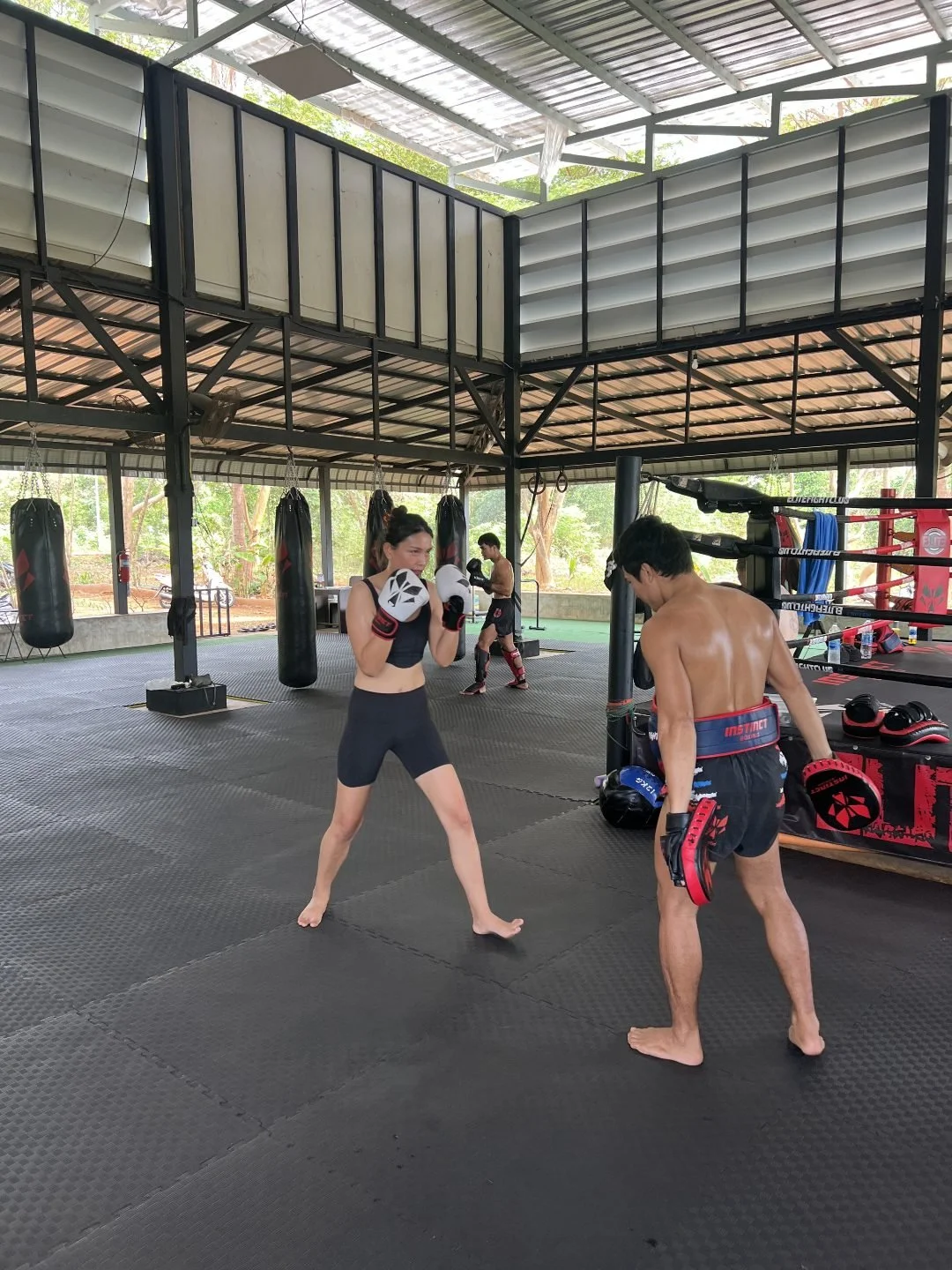
Muay Thai gym
31. Stay Safe on Your Scooter or Motorbike
Riding scooters across tropical islands, or motorbikes through mountain passes, is part and parcel of the Thailand travel experience. But it comes with a warning: don’t be reckless. We’ve seen tourists with some horrific injuries and the motorbike is always the main culprit. Be sure to wear a helmet, and be careful when weaving in and out of traffic. Traffic isn’t just limited to Bangkok too. The outskirts of Chiang Mai, for example, are notorious for traffic buildup - something you’ll want to keep in mind before tackling the 762 curves to Pai or before heading off to Chiang Rai.
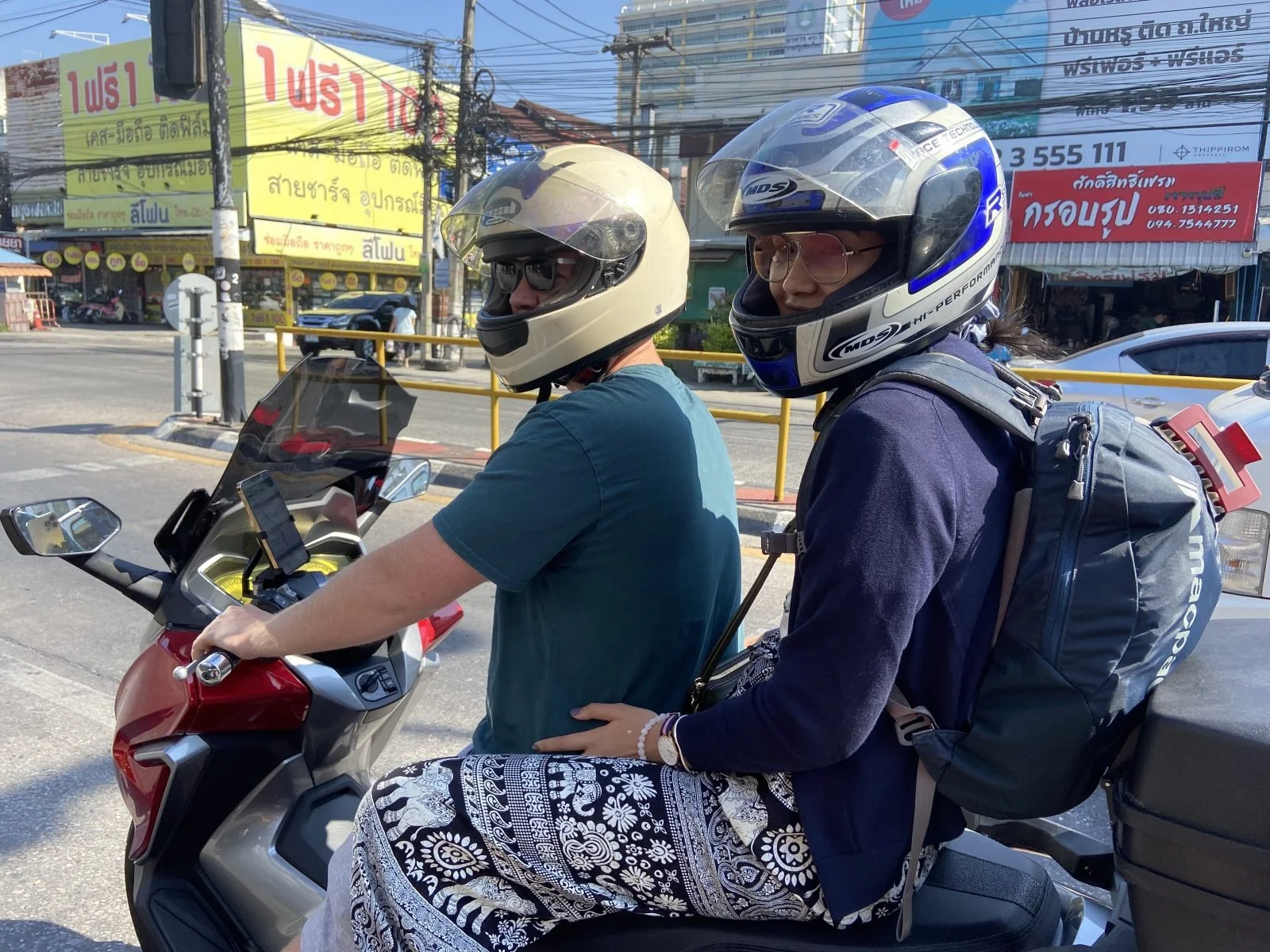
Chiang Mai
32. Watch Out for Common Tourist Scams
Like all touristy places, scams are an unfortunate reality of life. We’ve never been scammed ourselves but you do read about this happening online. The most famous one is at the Grand Palace where drivers claim the temple is “closed today” and proceed to detour you to their friend’s gem or suit shop. Another infamous one is the “you caused damage to the motorbike” scam, which is why we take videos of the bike before renting it.
33. Protect Yourself From Mosquito & Bug Bites
Bugs are everywhere in Thailand, due to the country’s tropical climate. To protect yourself, simple bug spray works a treat or just cover yourself when going out at night. Grab a couple of bottles of Soffell from 7-Eleven when you first arrive - it’s the one with the pink cap and it smells great.
34. Check Out Bangkok’s Rooftop Bars
We can’t get enough of Bangkok’s rooftop bars, perched magnificently above hotel complexes and office buildings. A dazzling new rooftop bar seems to pop up every few months, and some are even more impressive than Lebua (made famous from the Hangover movie). Have a read of our article below and start planning your night out above the Bangkok skyline.
Read more: 10 Best Rooftop Bars in Bangkok: From Nobu to Lebua
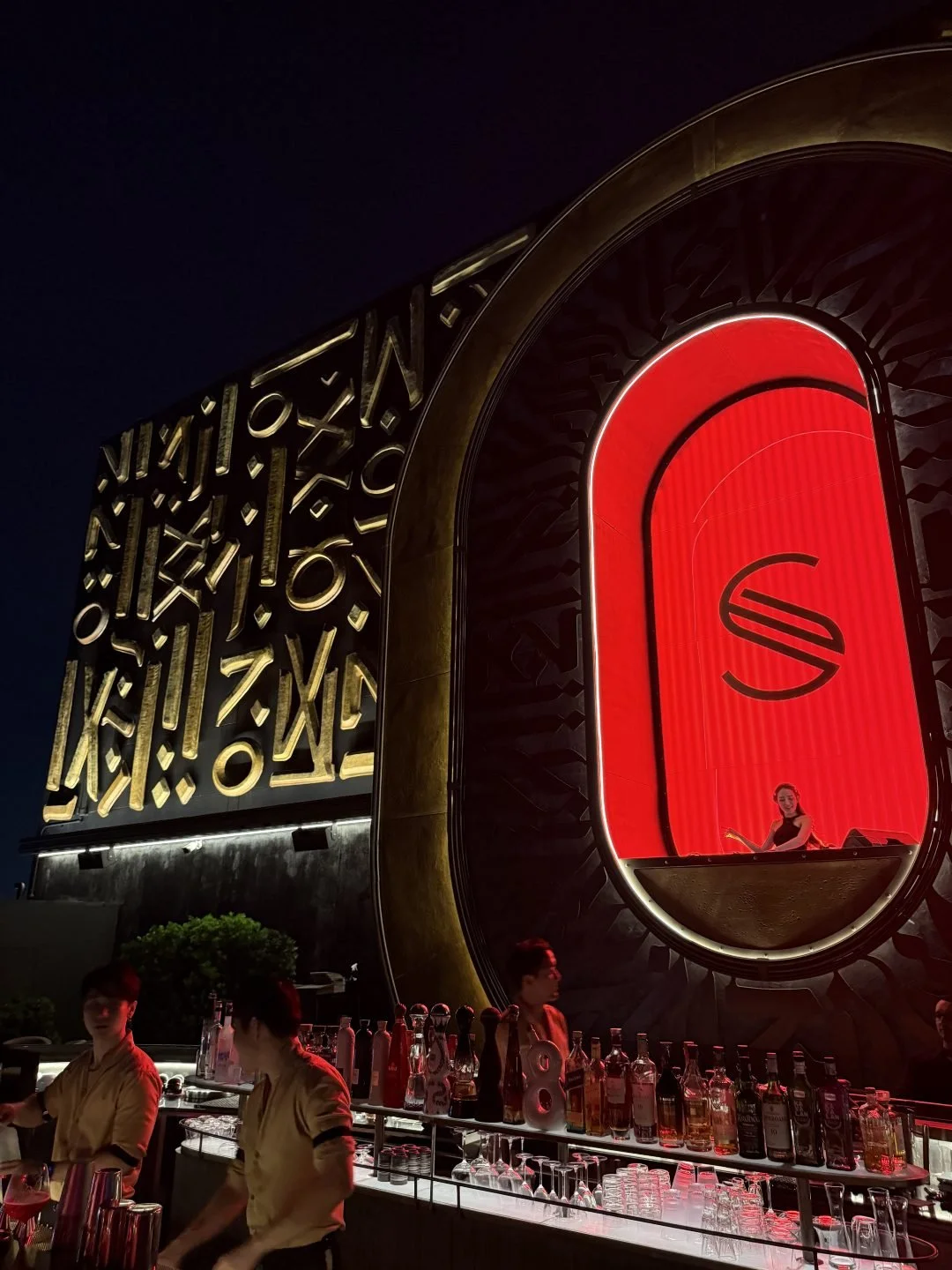
SIN Rooftop Bar
35. Immerse Yourself in the Diverse Food Scene
Bangkok is an outstanding food destination and global recognition is starting to pour in, recently ranked as Time Out’s Second Best City for Food. It’s not just the market stalls and Michelin restaurants that make it special - the city also has a burgeoning International food scene whether you’re after Indian, Japanese, Korean, or some comforting Western food.
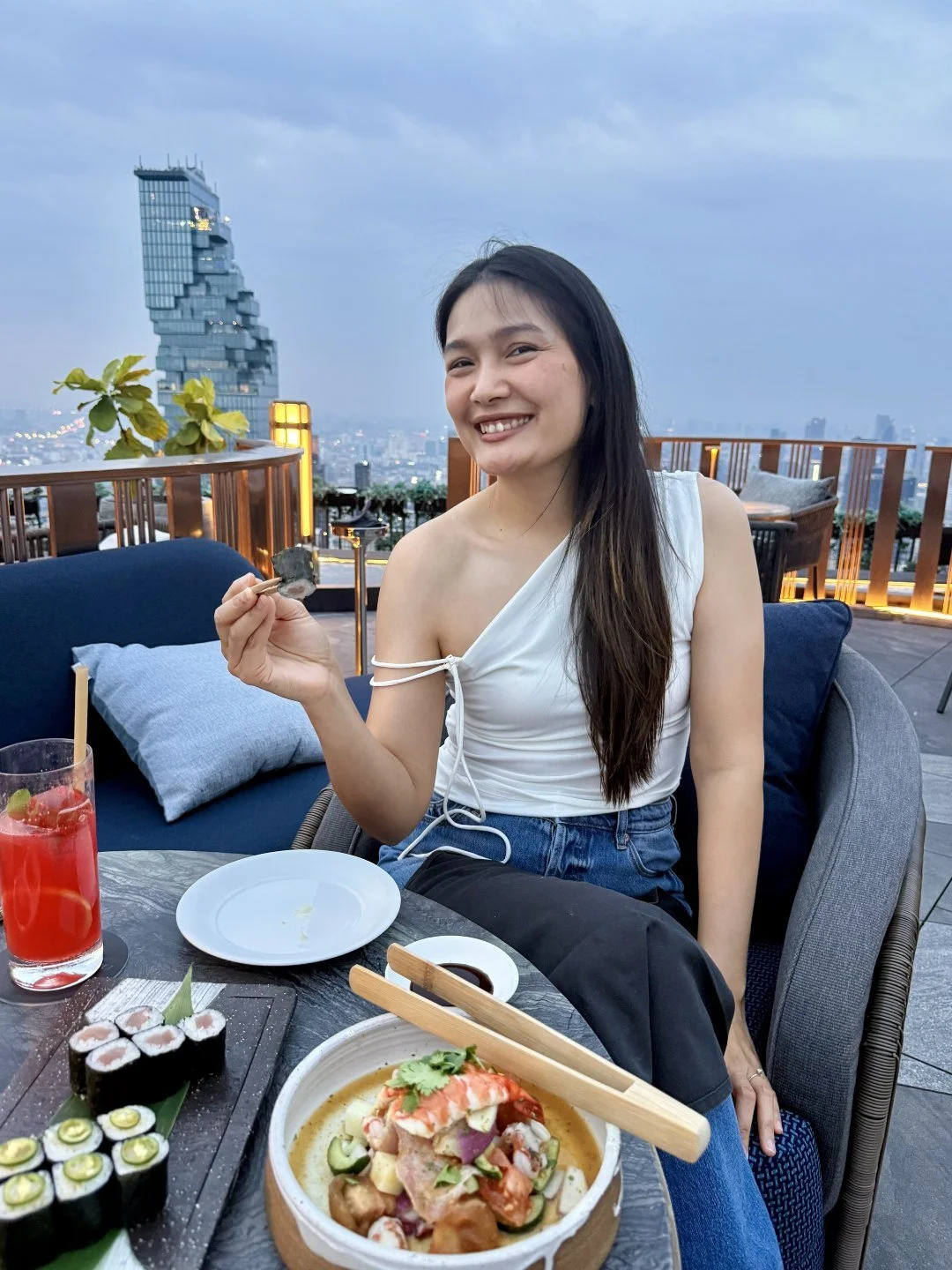
Japanese/Peruvian fusion food at Nobu Rooftop Bar
36. Steer Clear of the Bangkok Traffic
In the morning and late afternoon, Bangkok traffic gets hectic - making taxi rides a terrible option if you need to make a dinner reservation or arrive anywhere on time. Aside from the BTS/MRT, you can also consider motorbike taxis or the ferry system through the river and smaller canals.
Read more: How to Get Around Bangkok: 15 Ways to Beat the Traffic
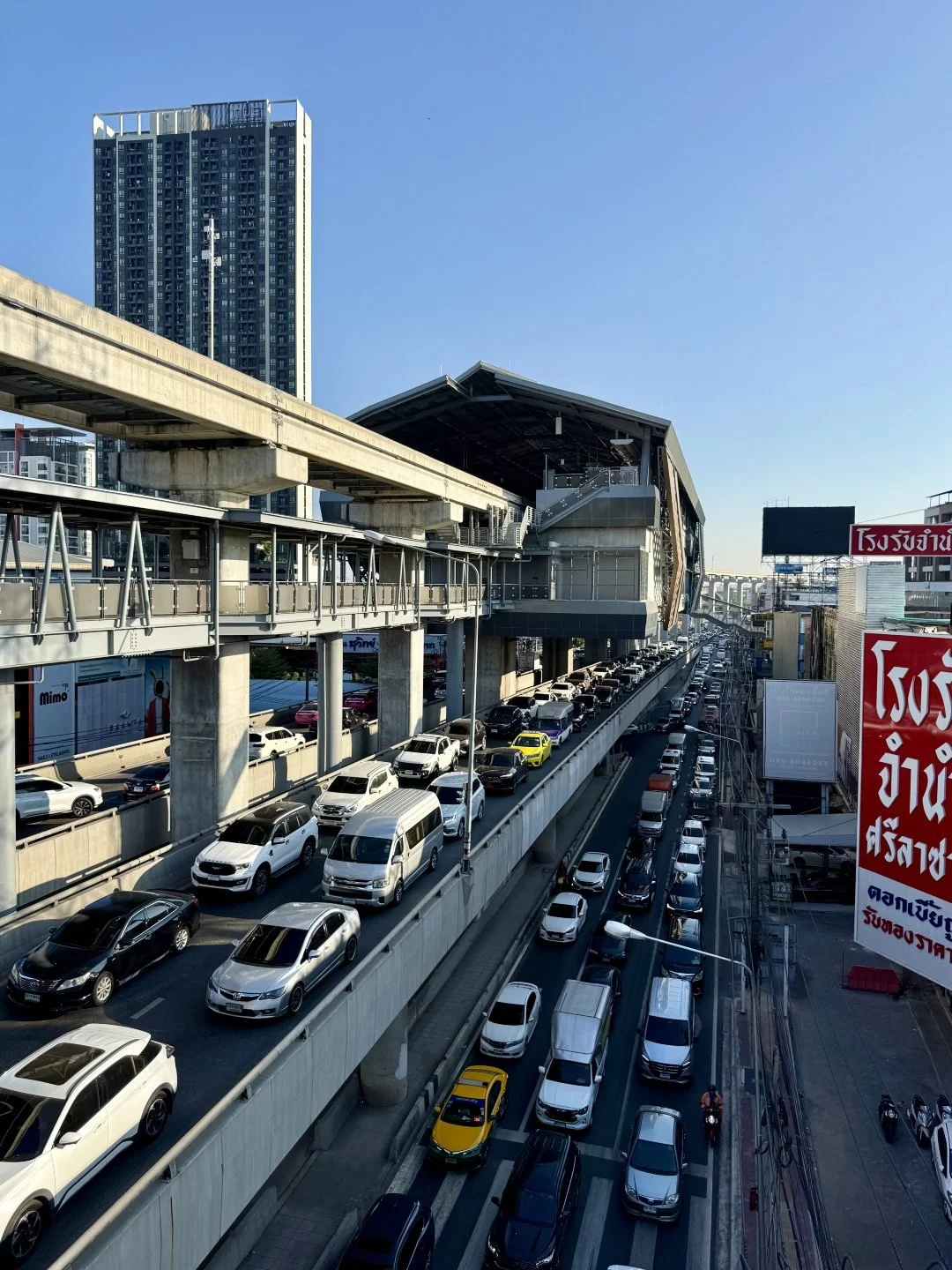
Bangkok traffic
37. Visit Bangkok With an Open Mind
Ignore the haters: Bangkok is an incredible place. Yes, it’s busy and chaotic but the energy here is unmatched. There’s not much you can’t do, from luxurious head spas to football games with locals. Give the city a chance before rushing off to the islands or up north - we suggest spending at least 5 nights in Bangkok. And make sure those days coincide with the weekend when you’ll see Thais enjoying the nightlife just as much as travelers.
Read more: 30 Best Things To Do in Bangkok: Skip the Tourist Traps
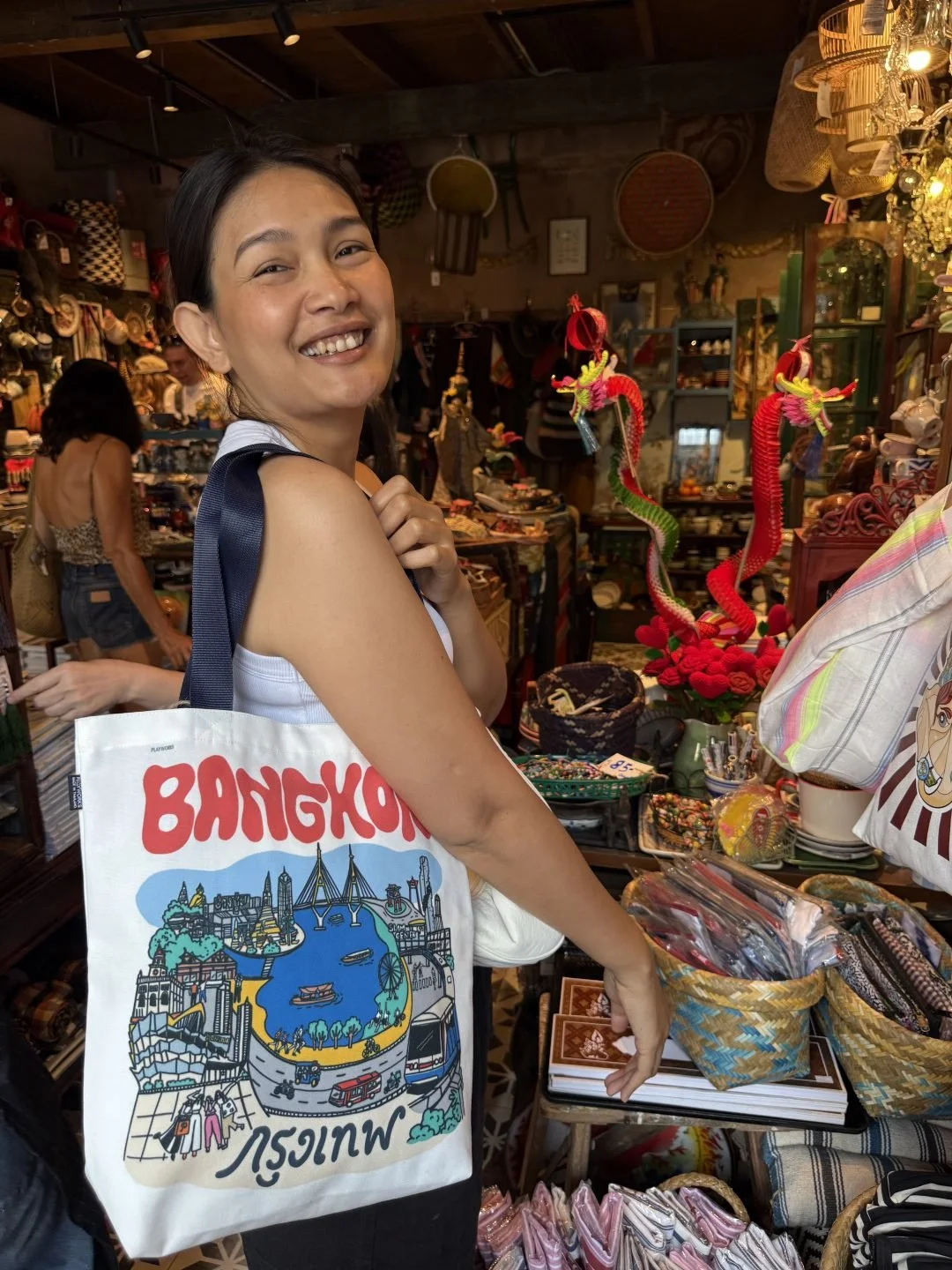
Shopping in Bangkok
38. Opt for Speedboats Between the Islands
Speedboats just make island hopping that much quicker and easier. The only downside, really, is that they’re more expensive than ferries or slow boats. That being said, don’t feel forced to take speedboats everywhere.
Speedboat trips
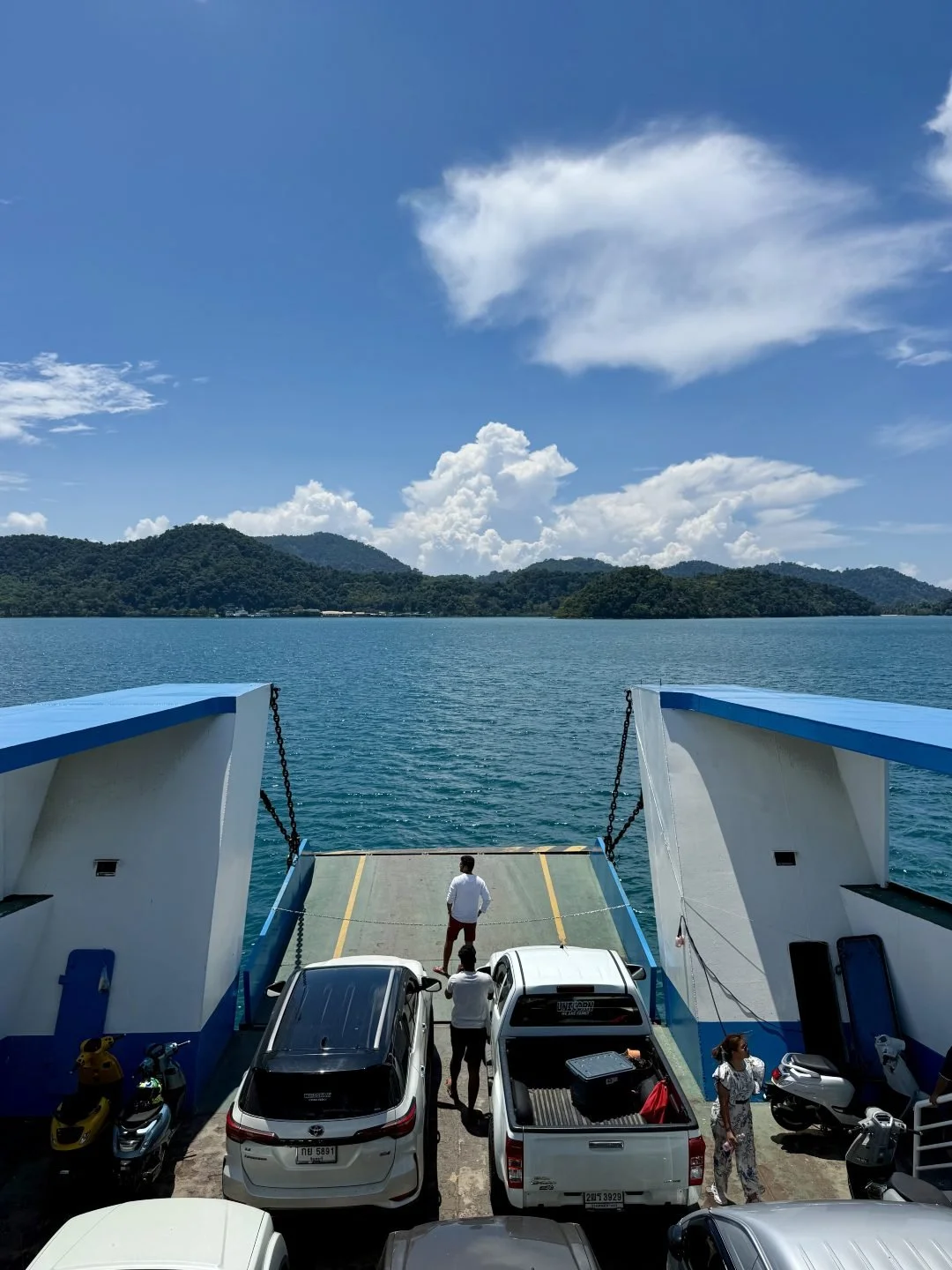
Commuter ferry to Koh Chang
39. Go With Longtail Boats for Shorter Trips
Everything about longtails is classic “Thailand travel”, from the unique shape to the colorful ribbons hanging off the prow. We’ve had some magical experiences on longtails over the years - one in particular to Wang Long Bay in Koh Phi Phi was memorable. We pulled into a tiny secluded bay surrounded by emerald waters and towering limestone cliffs, and it was just us in there for a while. As a rule of thumb, only take longtails for short distances and only when the seas are calm. When the sea’s rough, and the boat is jumping up and down, you’ll be hanging on for dear life.
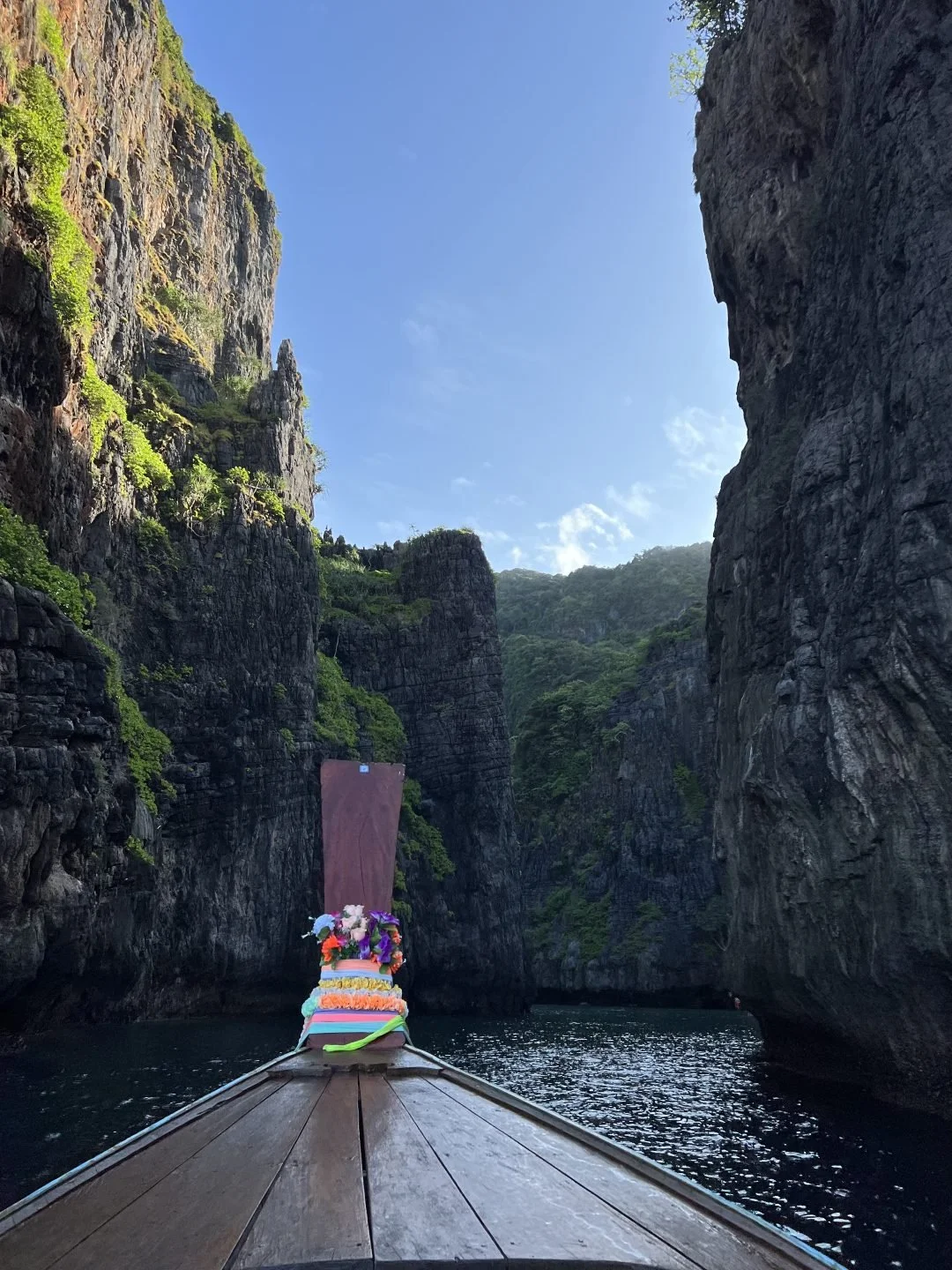
Wang Long Bay
40. Book Popular Island Tours Ahead of Time
Most island tours in Thailand don’t require much pre-planning but some do - especially day trips to the iconic spots of Maya Bay and the Similan Islands. These two can actually sell out quickly during the peak season, due to the fact that Thai authorities limit the number of daily visitors.
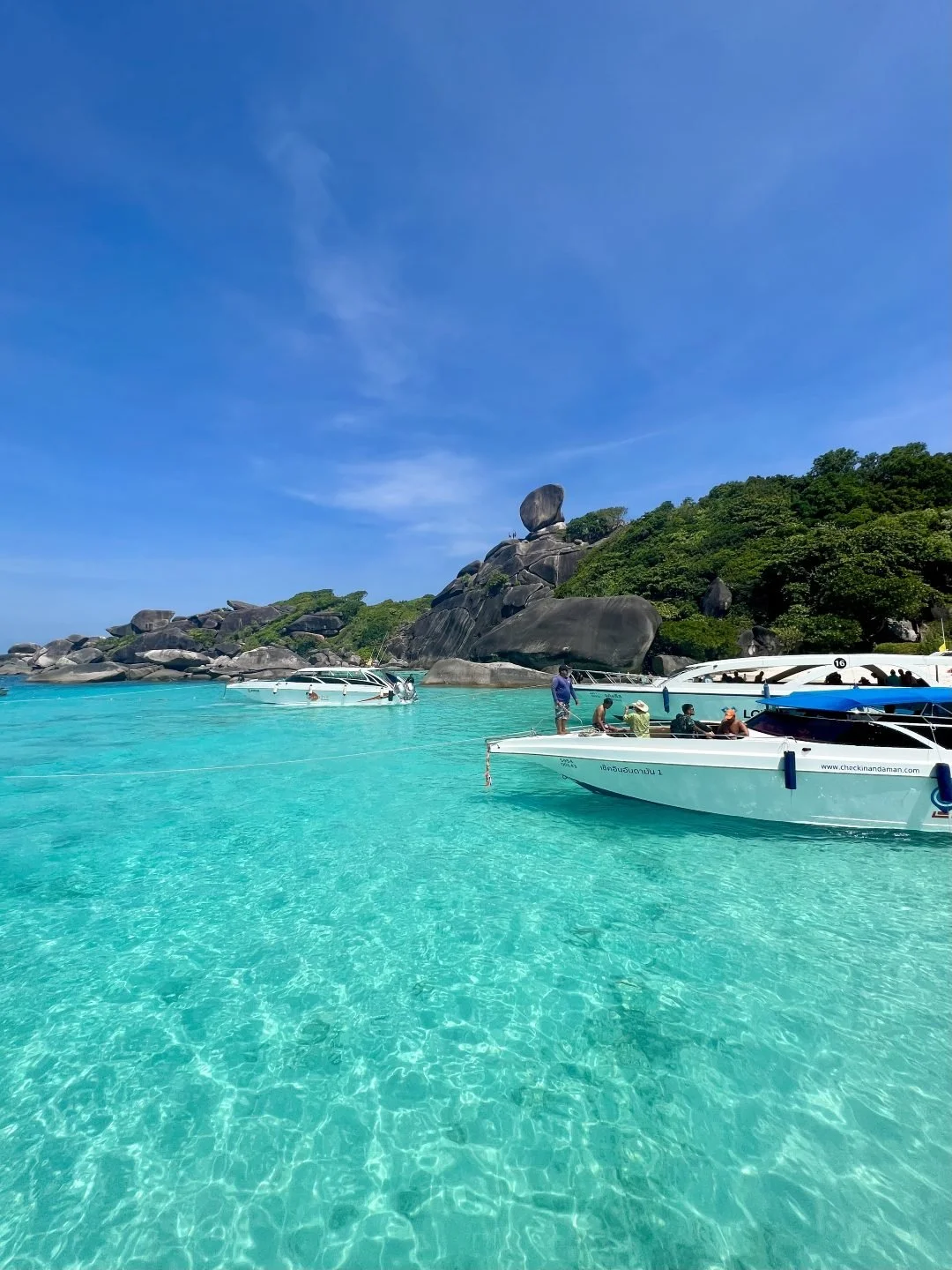
Similan Islands
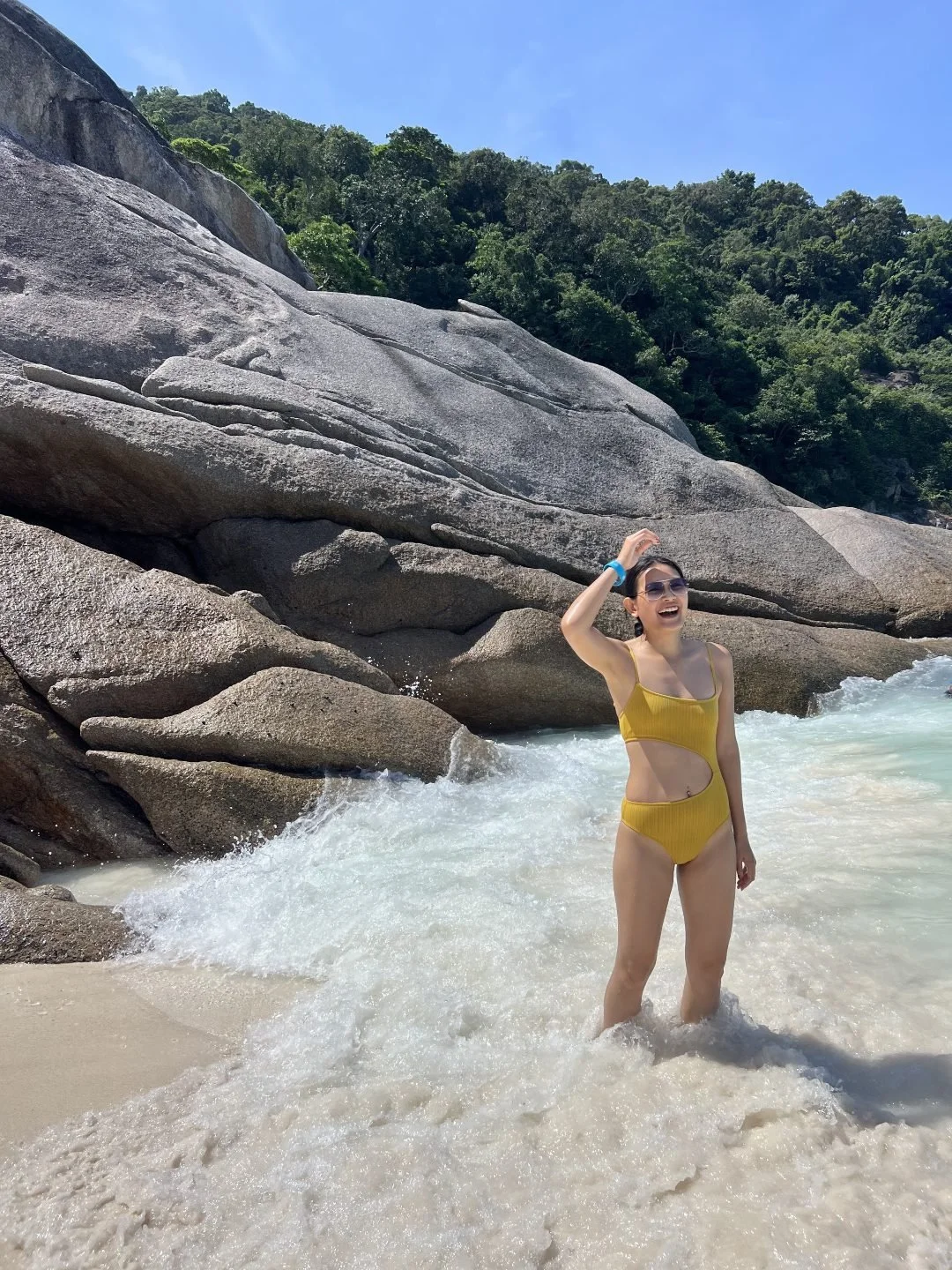
Similan Islands
41. Explore the Islands & Beaches Responsibly
The saddest thing about a few of Thailand’s islands and beaches is seeing them covered in litter. Sometimes this isn’t the fault of tourists, it stems from the rubbish wash-up originating in other parts of Southeast Asia. However, sometimes it is, specifically when you see things like cigarettes and beer cans. Do your best to not leave a trace - additionally you can join clean-up events that run in places like Koh Tao and Koh Lanta.
Read more: 5 Best Island Hopping Routes in Thailand: From Trat to Trang
42. Pack Lightweight Clothing for Thailand
Thailand is hot year-round, apart from certain mountainous regions up north that can get cold during the dry season (winter). For this reason, you’ll want to pack lightweight summer clothing and only one pair of comfortable sandals, trainers and dressy shoes - so shoes aren’t weighing you down too much. Leave some space in your bag for the compulsory pair of Thai elephant pants and a few Chang, Leo or Singha singlets too.
43. Ditch the Suitcase and Use a Proper Backpack
It’s also wise to use a backpack with proper shoulder straps, rather than a clunky suitcase, particularly when you go island hopping in the south. Sometimes you have to wade through shallow waters upon arrival at the beach (Koh Ngai) or wind your way through walking-only streets to get to your hotel (Koh Phi Phi), and a heavy suitcase just makes life difficult.
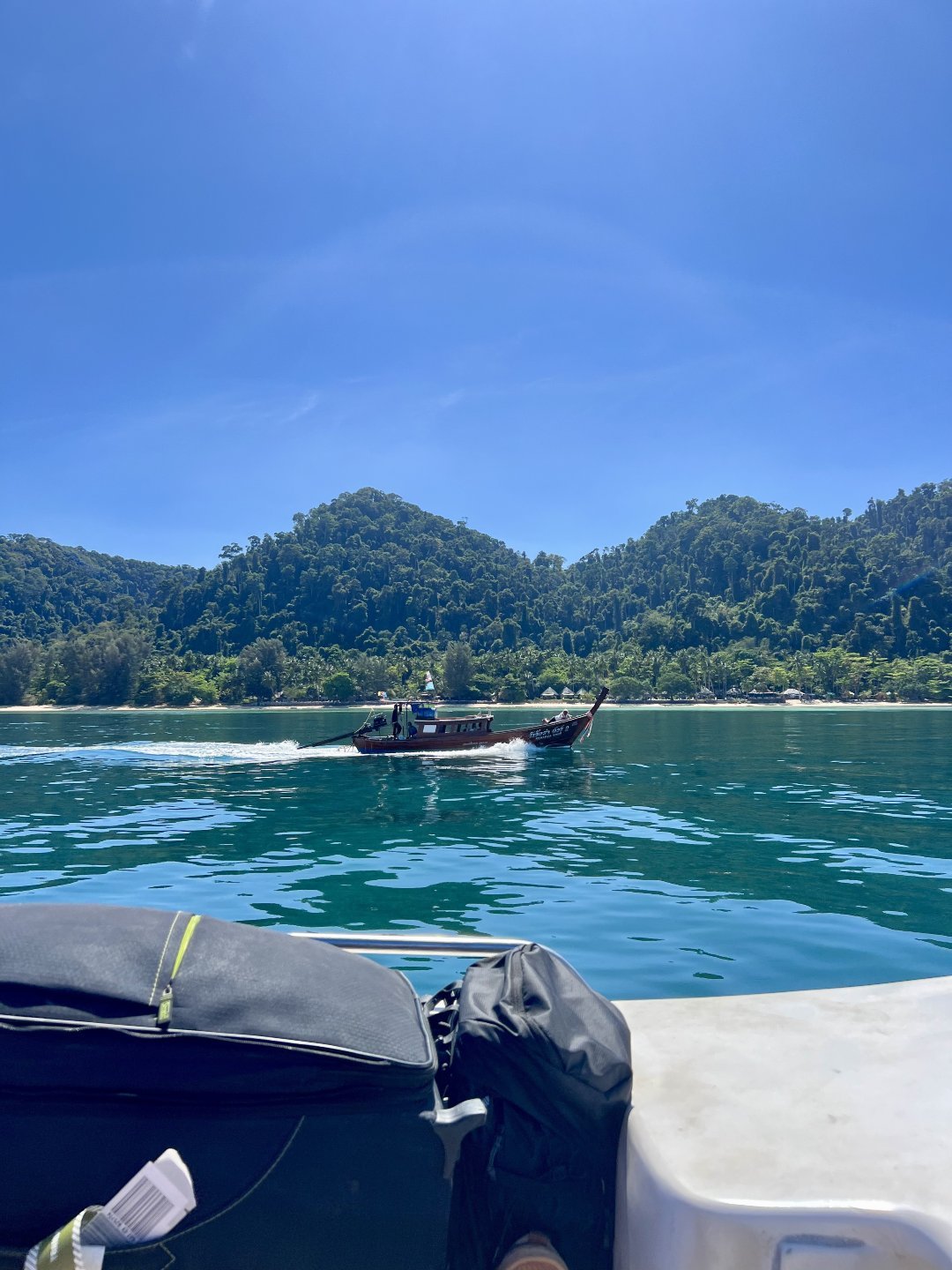
Arriving in Koh Ngai
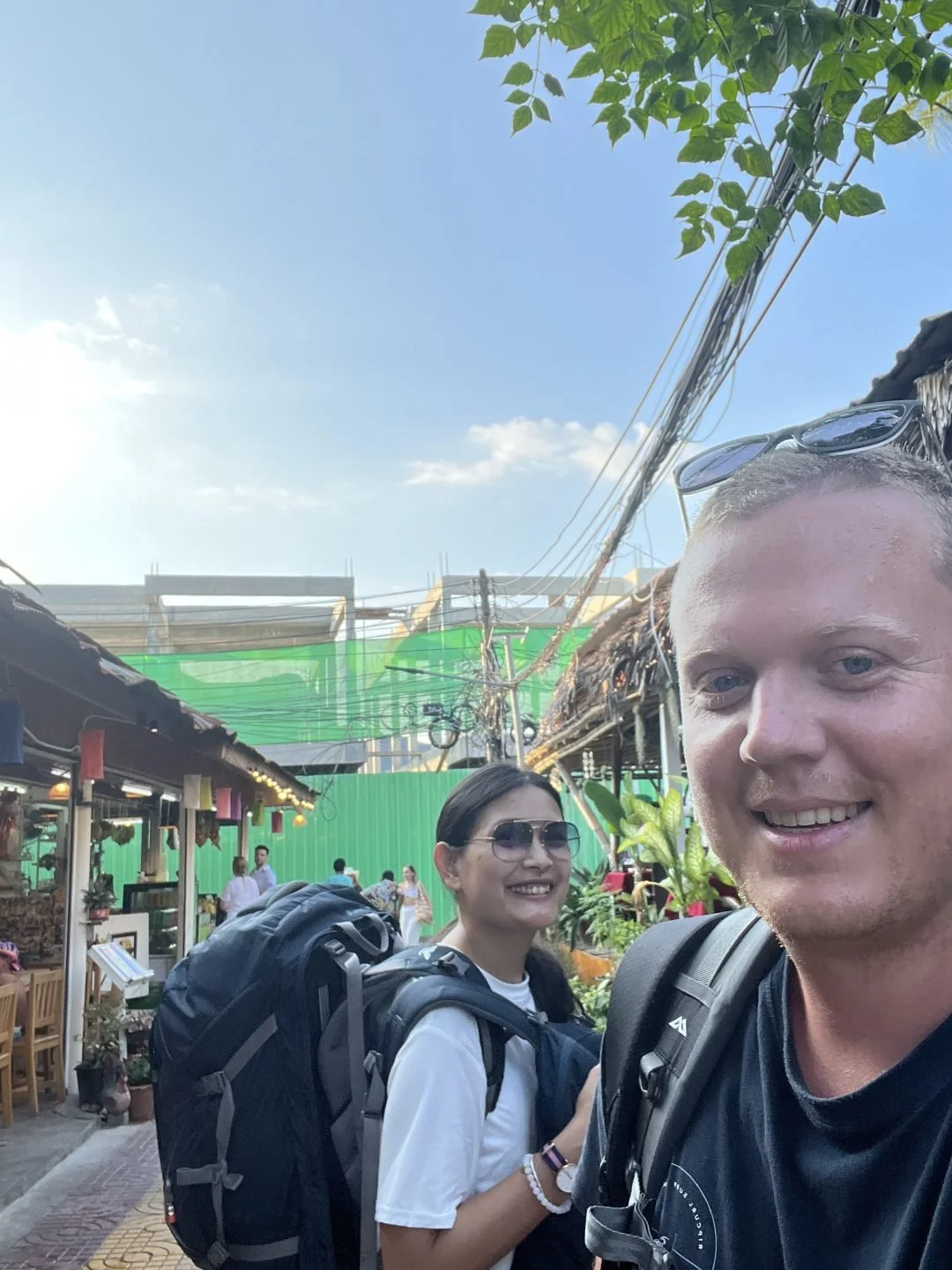
Backpacks in Koh Phi Phi
44. Only Bring the Essentials for Thailand
When we say essentials we mean things like toiletries, camera gear, a universal adapter, and a few items to use at the beach like a waterproof phone case and quick-dry towel. You can always pick up items in Bangkok, if you’ve left anything behind. MBK Center or Siam Paragon Shopping Mall are great for tech equipment, clothes, and the odd bits and bobs.
45. Carry Tissues With You for Thai Toilets
Most bathrooms in major cities are modern, clean and come with sit-down toilets. However, they often have a “bum gun” rather than tissue paper. This is why carrying tissues with you at all times is so important, especially for the ladies. Just know that you’re not supposed to flush tissues down the toilet in Thailand as it can block the pipes. Instead, you dispose of them in a bin. It’s not the most hygienic situation but you just have to adapt.
46. Arrive Early at Thailand's Major Attractions
We can’t stress enough how important arriving early is for all the major attractions in Thailand, it can literally make or break your experience. The best example we’ve seen of this is at Wat Pho: it’s so peaceful in the morning, with plenty of space to take photos of the Reclining Buddha and wander around the different temples. At mid-day though, it turns into a frenzy of people jostling for positions and getting cranky with each other.
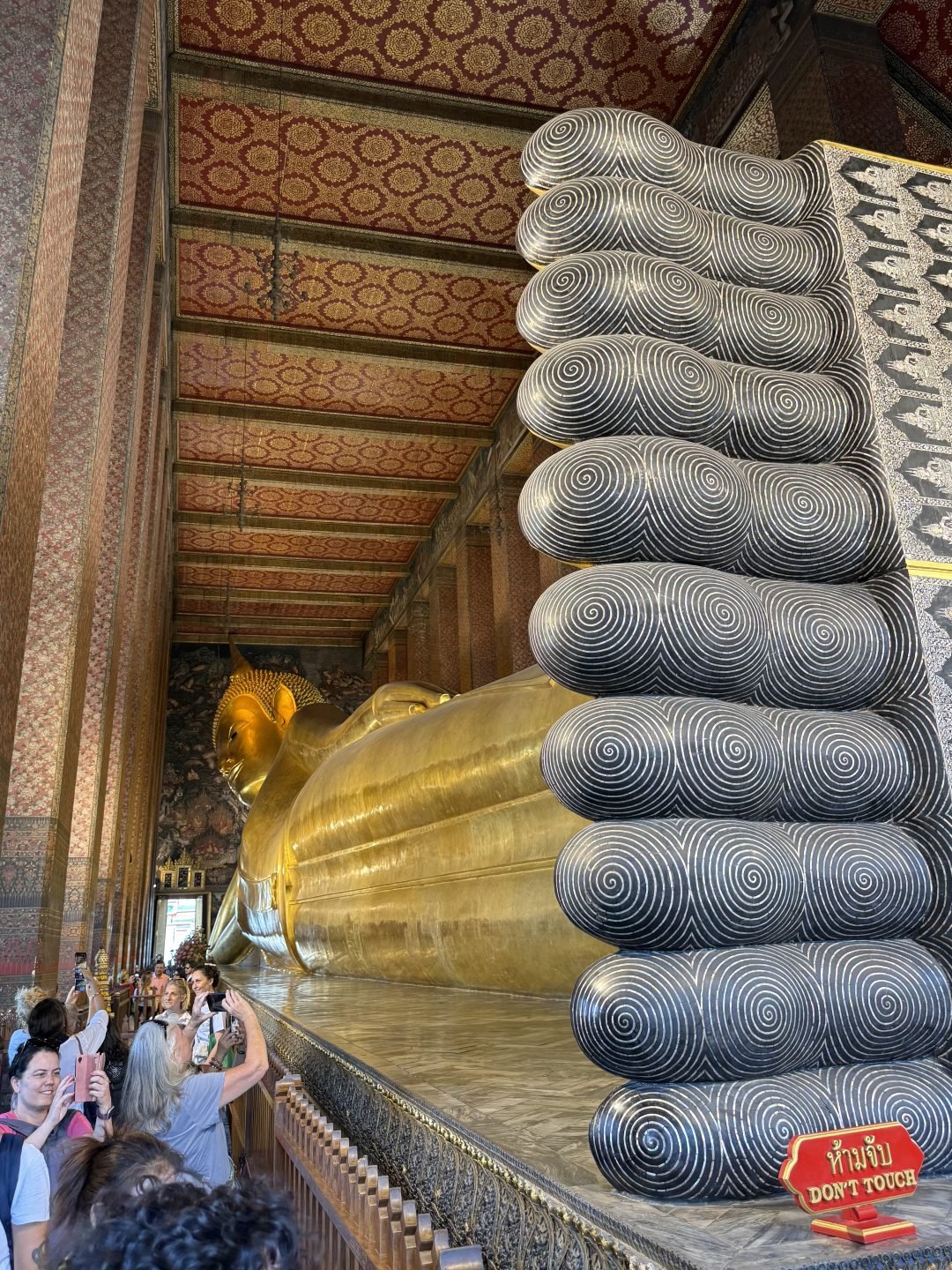
Crowds at Wat Pho
47. Avoid Unethical Animal Sanctuaries
Sadly, Thailand still operates a few unethical elephant sanctuaries where the gentle giants are chained and even ridden for the sheer pleasure of tourists. The good news is that there’s many ethical alternatives nowadays where elephants roam largely free in nature and the visitor experience is much more respectful. One place that we struggled with a bit was Tiger Kingdom in Chiang Mai - as impressive as it was to see the massive cats up close, they looked depressed being stuck inside such small quarters.
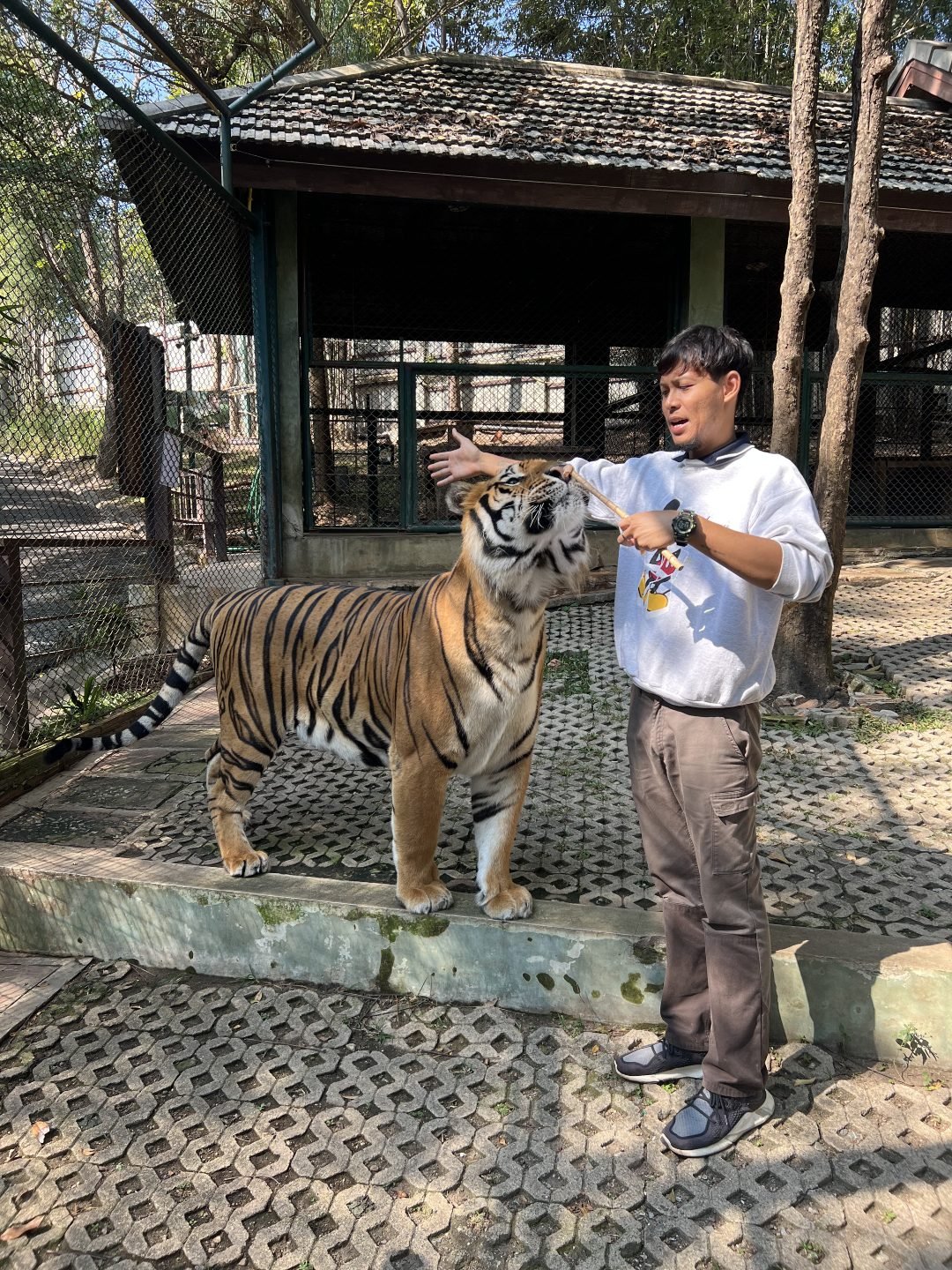
Tiger Kingdom
48. Support Small Local Businesses in Thailand
As you travel across Thailand, make a conscious effort to support small local businesses - whether it be a family running a cute little homestay or a young freelance photographer offering photoshoots. We had a photoshoot at a temple in Chiang Mai called Wat Ton Kwen and it was phenomenal.
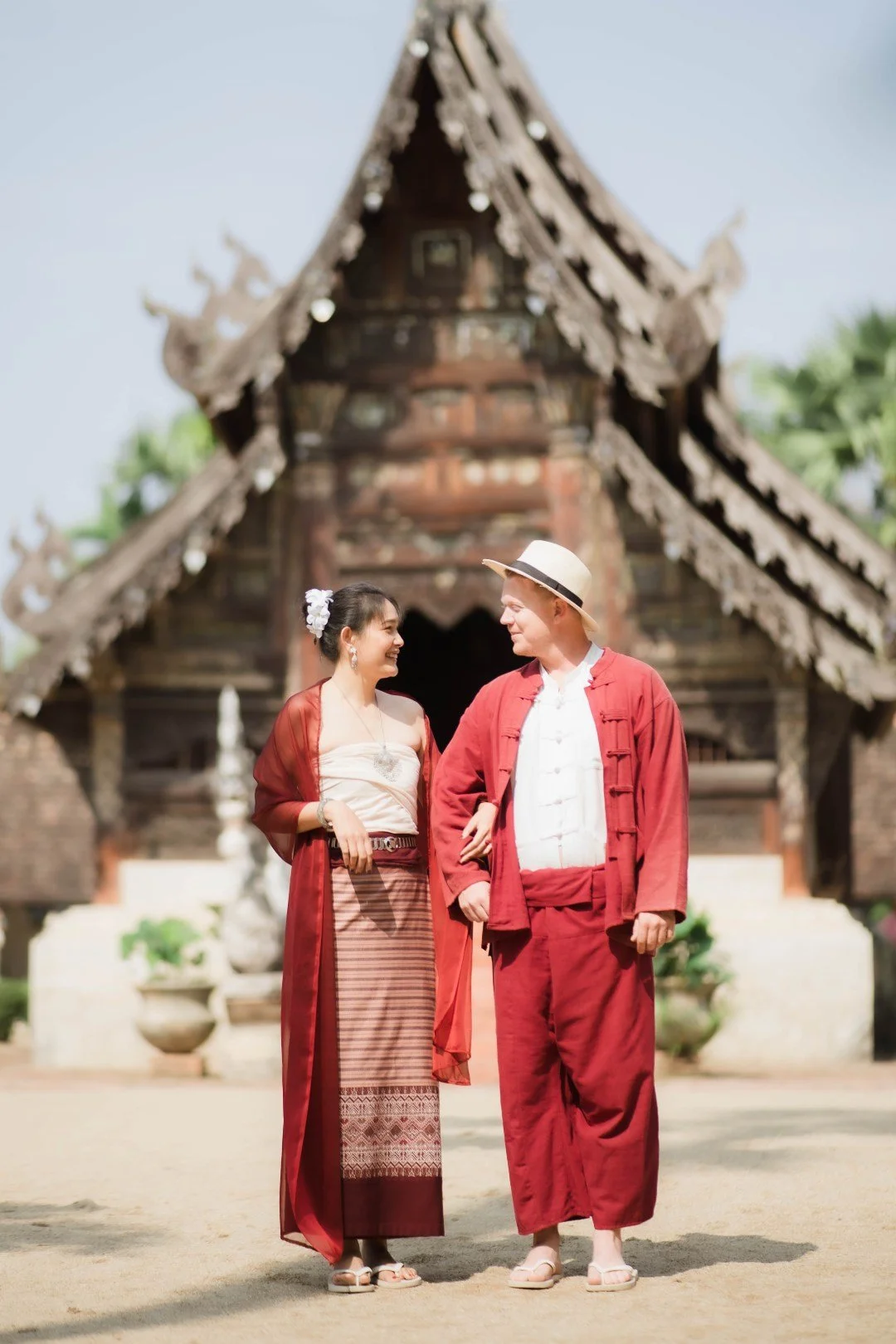
Photoshoot at Wat Ton Kwen
49. Reduce Your Plastic Waste Where Possible
The tap water situation forces you to buy lots of plastic water bottles. However, there are ways around this. You can get larger cases of water delivered to your hotel (via Grab) and then fill up with a reusable bottle.
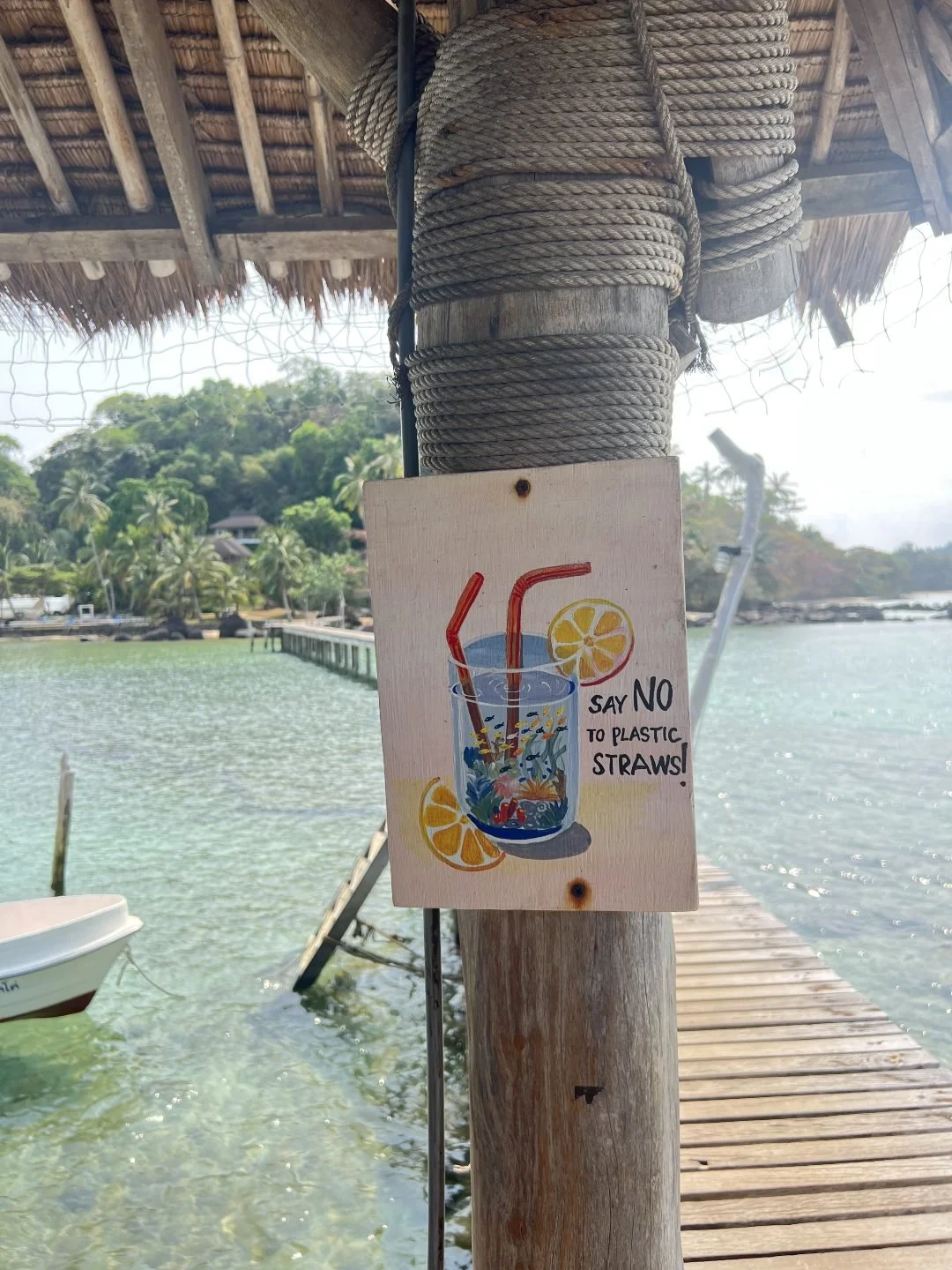
Koh Mak
50. Only Fly Your Drone With Explicit Permission
A constant bugbear of ours when we travel through Thailand is people being inconsiderate when they fly drones. Oftentimes drone operators hog spaces, like at viewpoints, too concerned with their footage rather than being courteous. The high-pitched buzz of the drone also causes noise pollution. Please only fly your drone when it’s not going to interfere with others and when you have explicit permission from the proper authorities.
How Thailand Might Surprise You
Thailand Attracts a Great Mix of Travelers
Due to Southeast Asia’s central location, Thailand attracts a wonderful mix of travelers from around the world. You’ll meet people from the UK, Europe, North America, South America, China, Japan, South Africa, Australia, NZ and more. It’s not just Russians (like in Phuket) and Indians (like in Pattaya).
There’s also a great diversity of travel styles, from backpackers and party-goers to history buffs and family vacationers, which makes it easy to find your own crowd. We’ve met some awesome travelers in Thailand.
Thailand is Very Green (Outside of Bangkok)
Once you get out of Bangkok, you’ll be struck by how green Thailand is. There’s jungles, waterfalls and lush countryside everywhere. Places like Erawan National Park are famous for their waterfalls and Kat’s hometown (Chanthaburi) is bursting with greenery and rich soil, known as the “Fruit Bowl of Thailand”. Even the beaches on islands are backed by jungle.
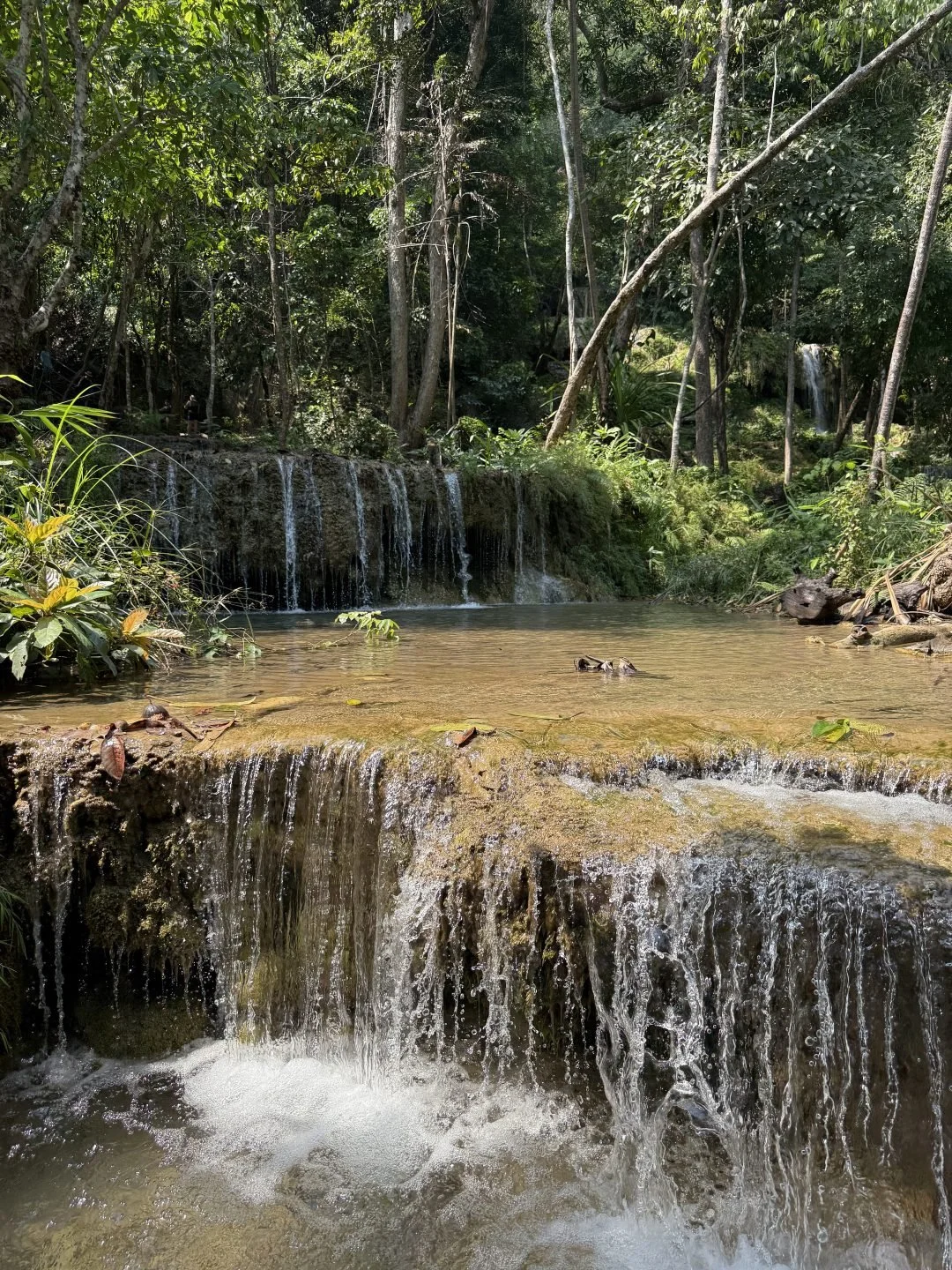
Erawan National Park
Bangkok is Surprisingly Clean & Modern
Bangkok can be hazy and polluted at times, and the outskirts are still a bit rough, but much of the central areas are clean and modern. In recent years, the city’s administration has done a good job of addressing the trash issue on the streets - the footpaths are spotless and free of rubbish pile-up.
Thailand's Malls are Actually Amazing
In most major cities, and even some of the smaller ones, there’s always at least one shopping mall on offer. In Bangkok, there’s endless to choose from - whether it be IconSiam or Central Pinklao. These are great places to escape the heat, and shop and eat until your heart’s content. We like going to the movies at the shopping malls (in English with Thai subtitles) and ordering the massive buckets of popcorn - a relaxing activity for a rainy day.
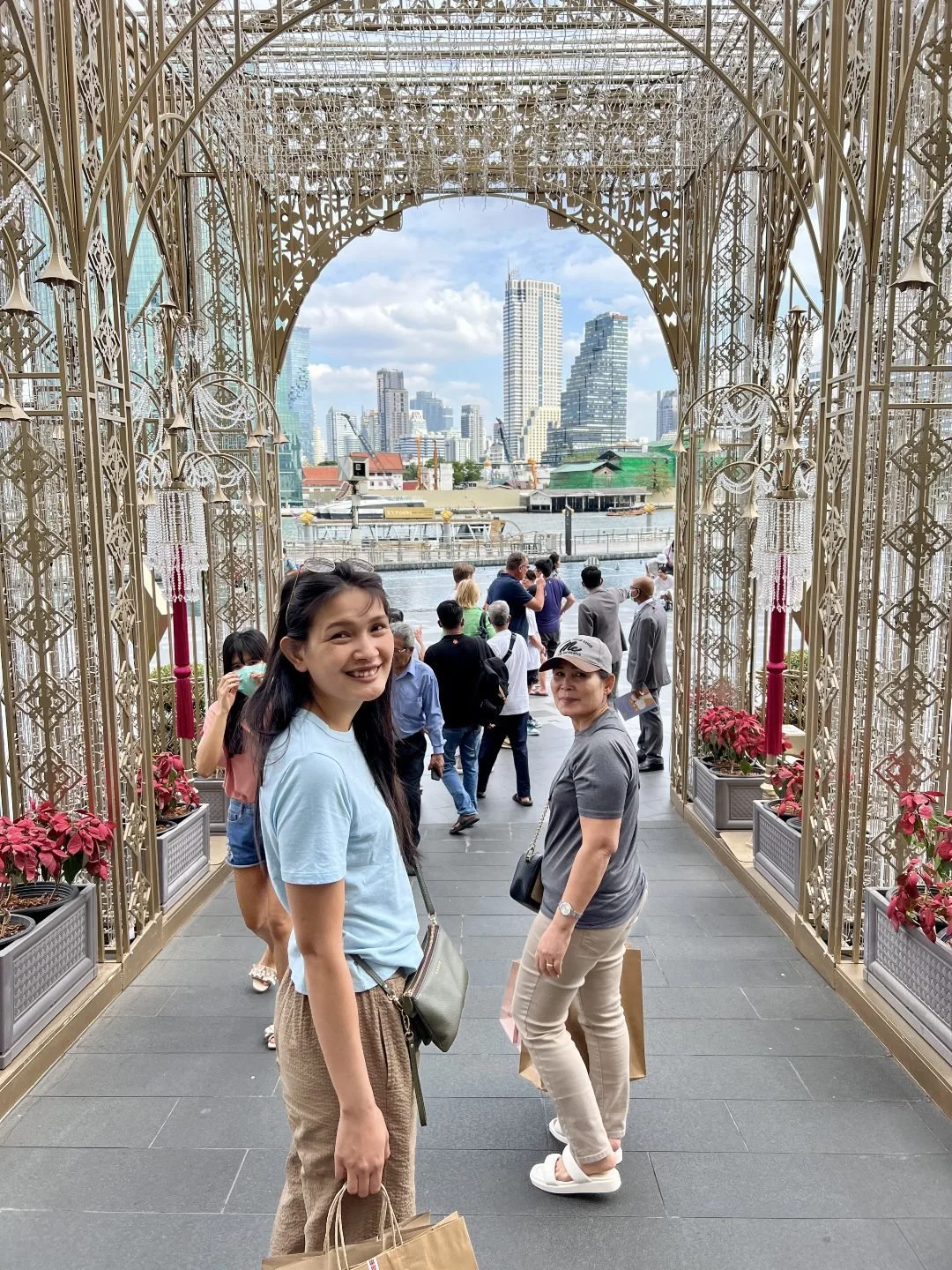
Shopping at IconSiam
Medical Treatments & Dentistry is Super Cheap
Things like medical procedures and dentistry are super cheap in Thailand, and it’s genuine quality. We visited a private hospital in Chanthaburi, when Kat’s niece was sick, and it was like stepping inside a luxury hotel. Cam also got fillings done on his latest trip to Bangkok - for the price of 1,000 THB each. This would’ve been 5-10 times the price in NZ. If you’re wondering “can I get a dental check on my first visit to Thailand” the answer is yes.
7-Eleven Isn’t Universally Loved
Believe it or not, 7-Eleven isn’t universally loved in Thailand. As much as we enjoy it, especially for those ham and cheese toasties, places like Koh Kood fight against the encroachment of these commercialized shops on their way of life. Koh Kood wants to keep ownership of their little convenience stores in the hands of locals. The neighboring Koh Chang is another story though - there’s literally a 7-Eleven around every corner on the west coast.
Read more: 20 Best Things To Do in Koh Kood: A Tropical Paradise
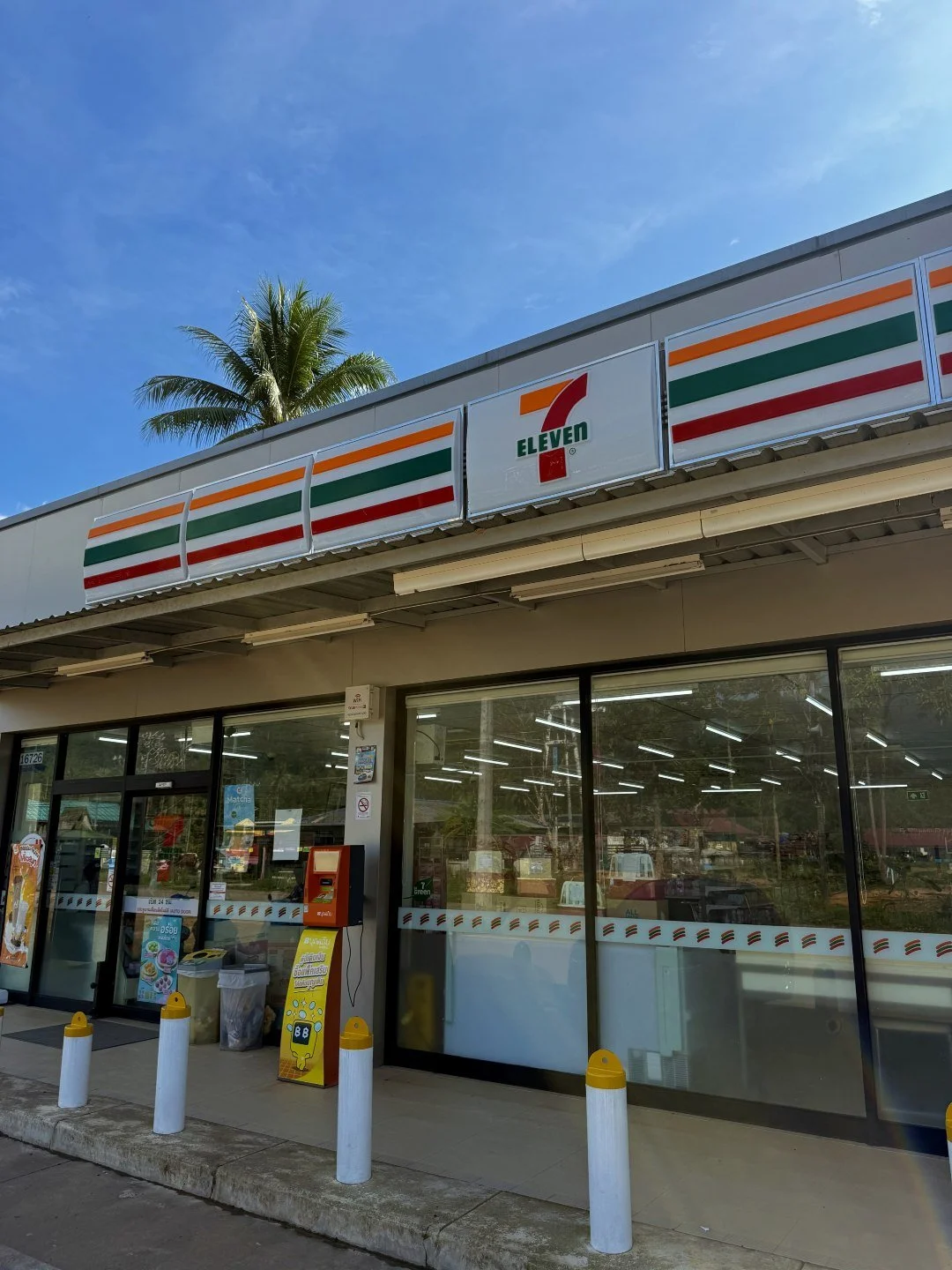
7-Eleven in Koh Chang
Thailand's Drinking Age is 20
If you come from a country where the drinking age is 18, you’ll be surprised to learn that in Thailand it’s 20. Keep this in mind if you plan to go on a pub crawl or clubbing. Another interesting fact about Thailand’s alcohol laws is that advertising is illegal. However, the big three beer brands of Chang, Leo and Singha have a way around this: you often see billboards or TV ads where people are drinking the labels but instead of beer it’s “soda water”. This is hilarious because (at a glance) it still looks like beer promotion.
The best beer in Thailand, in our opinion, is Singha with Leo being second. Chang is too sweet. Hard liquor is also something you need to try on your first trip to Thailand - brands such as SangSom, Hong Thong, Mekhong, or Regency. Beer is often poured into refrigerated glasses with ice.
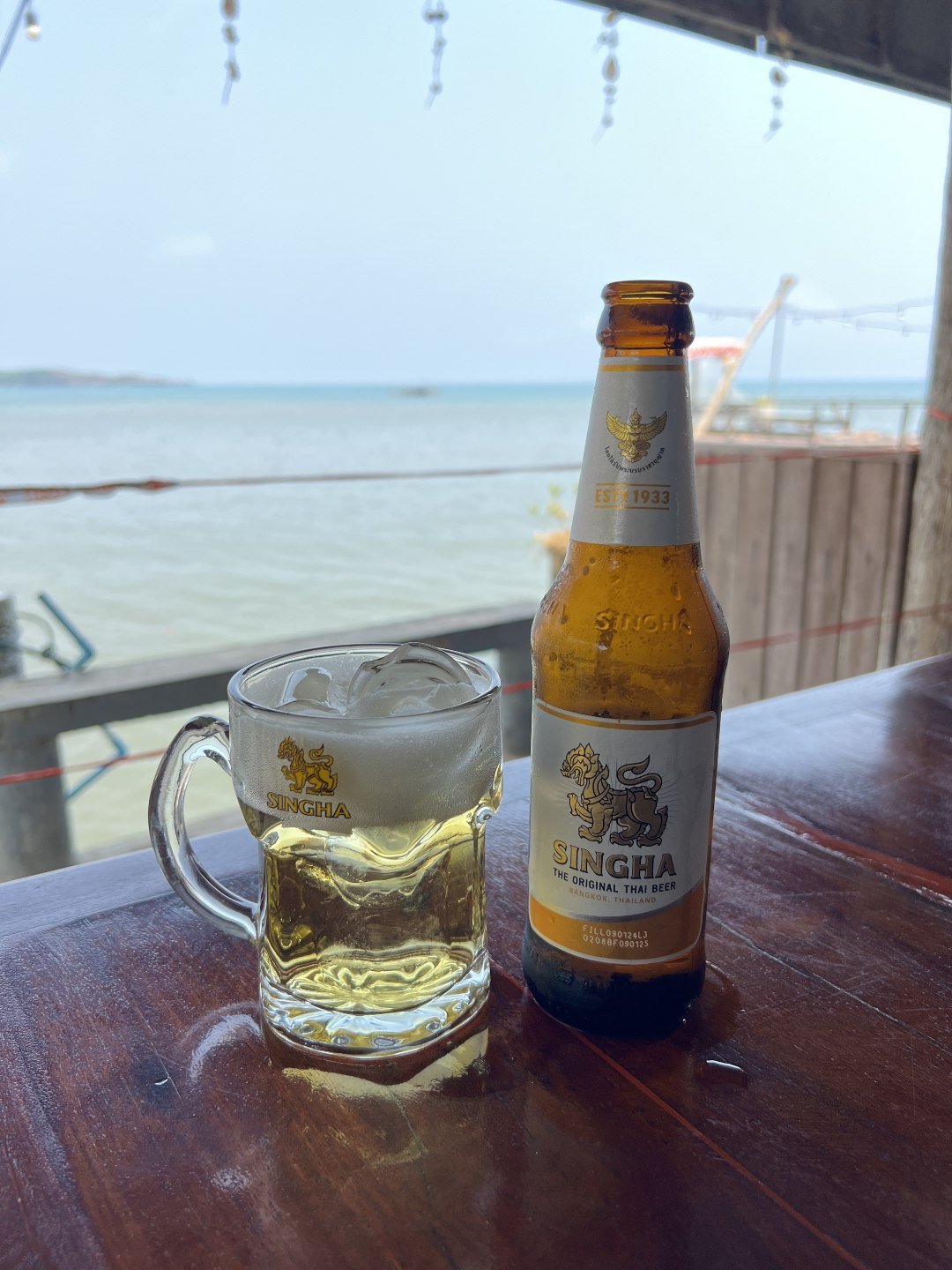
Singha with ice
Thais Like to Party & Have a Good Time
Young people in Thailand love to party and have a good time - the nightlife doesn’t just lure in travelers. But Thais don’t always go where tourists go - they often flock to more local venues which have sit-down tables where you eat and drink before hitting up the dancefloor. We experienced this in Chiang Rai, where we saw a Thai superstar named Kong Huayrai perform at a “show pub”. We were the only Westerners inside, and it turned out to be an amazing night drinking and partying with the locals.

Kong Huayrai
Sports Bars are Easy to Find in Thailand
Sports bars are easy to find in cities like Bangkok, Phuket and Chiang Mai, often run by expats. They’re awesome for watching live football, rugby or other sports matches. We watched Messi win the world cup back in 2022, at a sports bar run by an eccentric British chap, and it was an epic night.
Thailand Has a Growing Cafe & Coffee Scene
Café Amazon isn’t the only place to get your caffeine hit in Thailand. Cafe culture is a booming industry these days. Chiang Mai is known for its amazing coffee. We have a friend here who runs a coffee shop, who practiced his trade in Melbourne, so he knows the art of a Flat White.
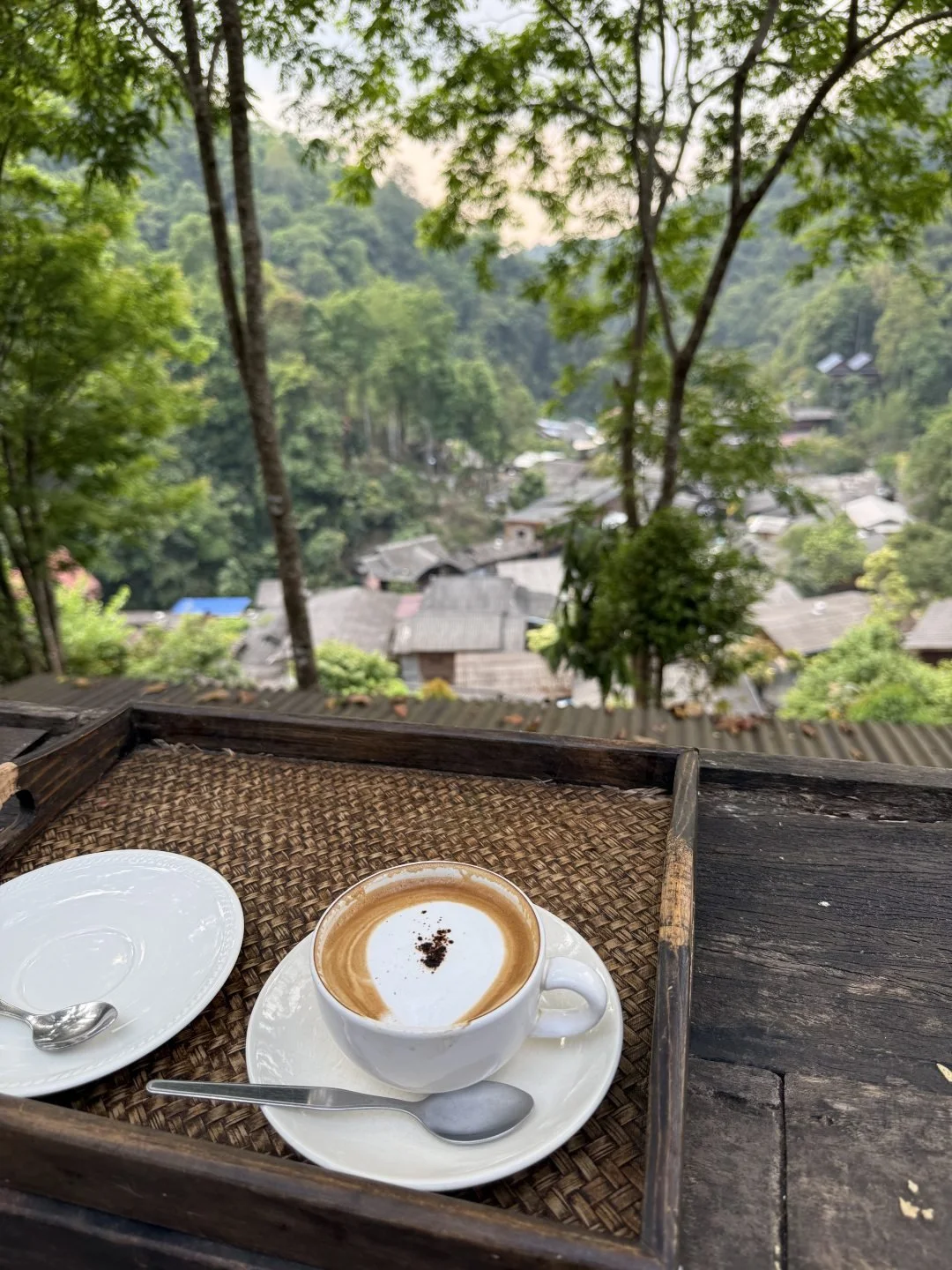
Coffee in Mae Kampong
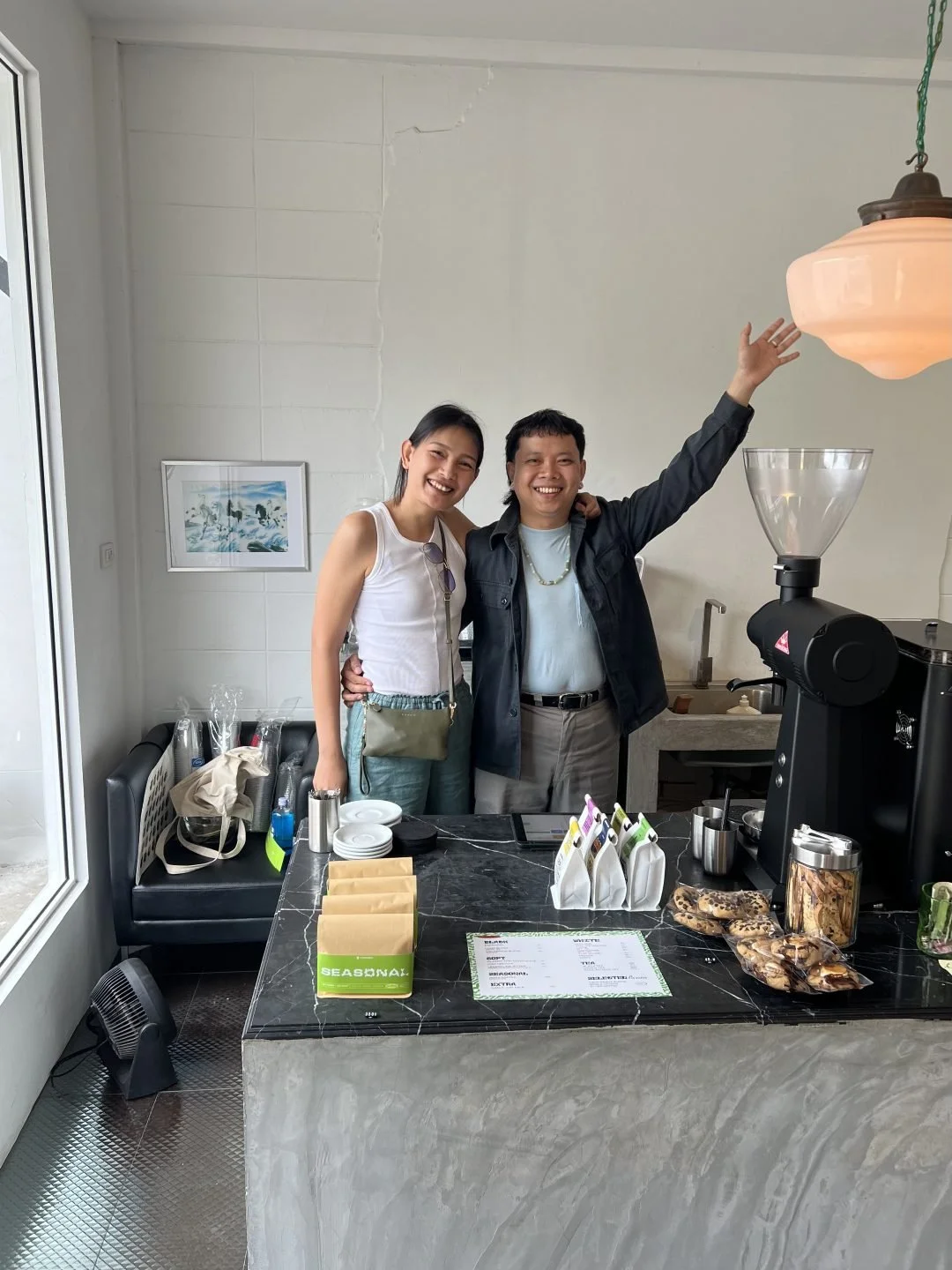
Our friend’s coffee shop in Chiang Mai
You Can Watch Muay Thai Fights Everywhere
The best venue to watch Muay Thai fights in Thailand is hands down Rajadamnern Stadium. However, if you can’t make it in Bangkok, there’s plenty more options across the country - such as the famous Reggae Bar in Koh Phi Phi where backpackers and tourists are invited into the ring.
Get your Rajadamnern tickets here: Muay Thai Boxing Tickets
Thailand is Quite Religiously Diverse
The cool thing about Thailand is that, in a way, it’s multi-cultural. Pockets of Chiang Mai and Chiang Rai are Christian and, on the other hand, Koh Lanta has a big Muslim influence seen in mosques and Islamic dress. Christmas is also celebrated - you’ll see Christmas trees popping up all over the place.

Cathedral in Chanthaburi
Chinese New Year is a Big Deal
Another cause for celebration in Thai culture is Chinese New Year, falling in January or February every year. We love seeing the red lanterns hanging from the streets and the celebrations in places like Bangkok’s Chinatown.
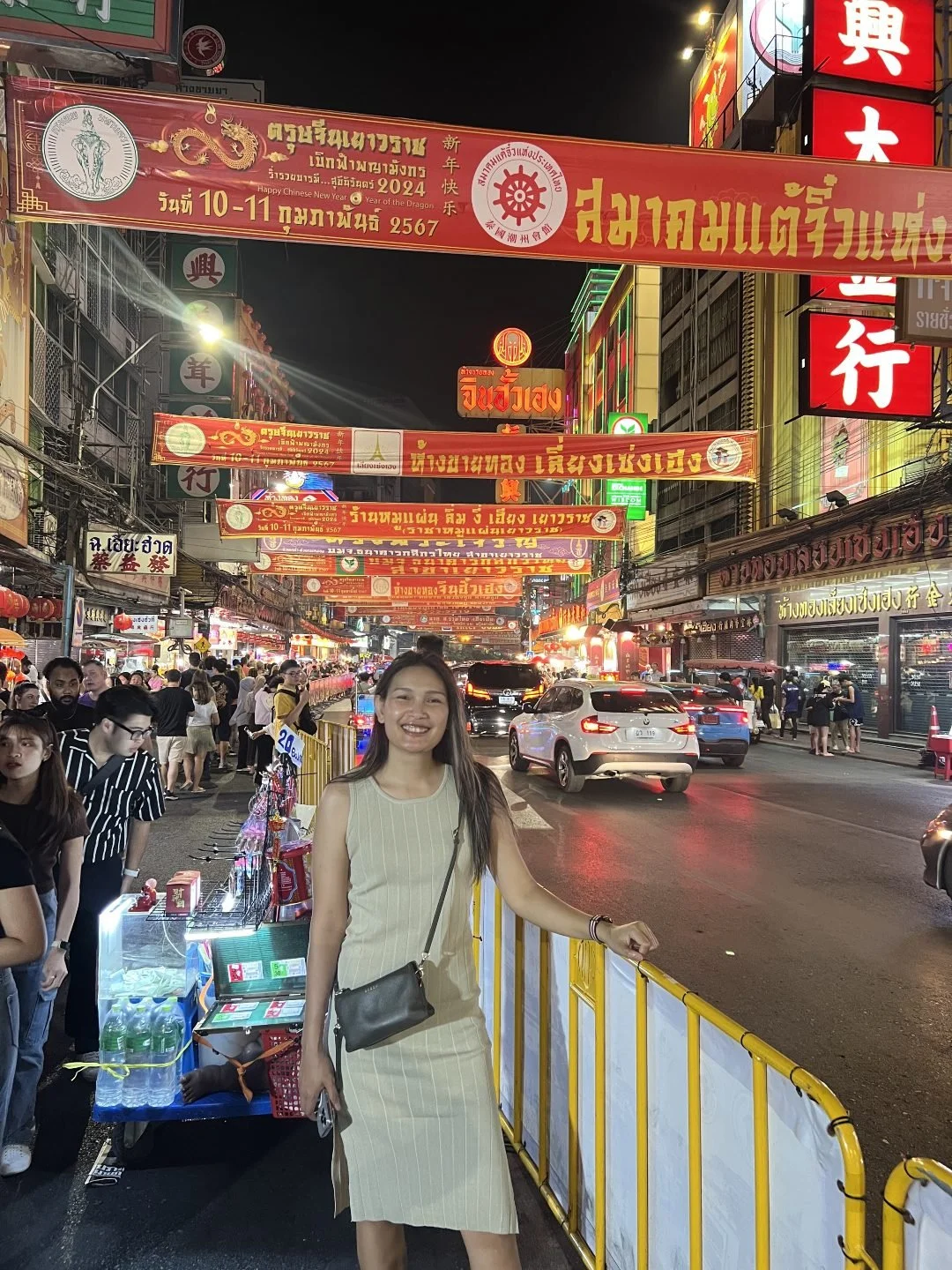
Chinatown, Bangkok
Thailand's Role in WWII May Surprise You
Not many people know that Thailand was dragged into WWII, after the Japanese invaded. This led to the Death Railway being built by the forced labour of POWs, in Kanchanaburi. To learn more about this tragic topic, visiting the museums and historic sites of Kanchanaburi is a must.
Read more: 10 Best Things To Do in Kanchanaburi: The Ultimate Guide
Flying to Other Parts of Asia is Cheap
Thailand is an amazing starting point to commence your Asia travels - it’s not too far from Vietnam, Laos, China, Japan, Korea, Malaysia and Bali. Booking flights to other parts of Asia, from Bangkok, is really cheap too.
Read more: Thailand vs Vietnam Travel: Which Country Wins?
Making Friends With the Locals is Easy
Cam is lucky to have Kat, and her Thai friends and family, which always makes visiting Thailand a unique and authentic experience for him. Wherever possible, try to make friends with the locals - they are warm, friendly and a lot of fun (the reputation is 100% true). They are very welcoming to foreigners as long as you treat them with respect.
FAQs for First Time Visitors to Thailand
Can Thai people speak basic English?
The majority of Thai people don’t speak English. They will know the odd word and a few cultural references, such as movies and music, but apart from that they speak Thai. However, many in the younger generation can speak basic English - thanks to a modern focus on language in schools - and staff in touristy areas will know enough to have basic conversations.
How safe is Thailand to visit?
Thailand is one of the safest countries in Asia to visit - we’ve never had a single issue here. The most common way we see tourists getting in trouble is arguing with police, if they get pulled over for not wearing a helmet. As long as you’re polite and friendly, you shouldn’t have a problem. Places like Phuket and Koh Samui are family-friendly, and the country as a whole is safe for solo female travelers. Of course, you still have to be vigilant when walking the streets late at night and when partying in nightlife districts.
Is Thailand still relatively cheap?
The answer to “is Thailand still cheap” is a resounding yes. Prices have gone up in recent years but what do you expect when a country is developing so fast? The north, and rural Thailand in general, is much cheaper than Bangkok and Phuket. Thailand only gets expensive when you visit remote islands, such as Koh Ngai, but the value for money is still sensational.
We live in NZ and often think about taking a vacation to Fiji. However, a week in a Fijian resort has a similar total cost to one month of travel in Thailand (including flights). That’s why we keep coming back to Thailand.
What are the biggest mistakes for first time visitors?
One mistake first time visitors make is getting too many massages, day after day. A massage every three or four days is about right, giving your body time to recover (especially from a deep tissue or Traditional thai).
The biggest blunder, though, is staying within your comfort zone and not embracing the local way of life. Try the street food without fear, buy your new Thai friend a Singha, and wander into a temple in a quiet suburb somewhere. The memories we cherish the most always come from local experiences - whether it be line dancing with locals in Chiang Rai or saying “chon gaew” (cheers) over a few Thai whiskies with friends in Chanthaburi.
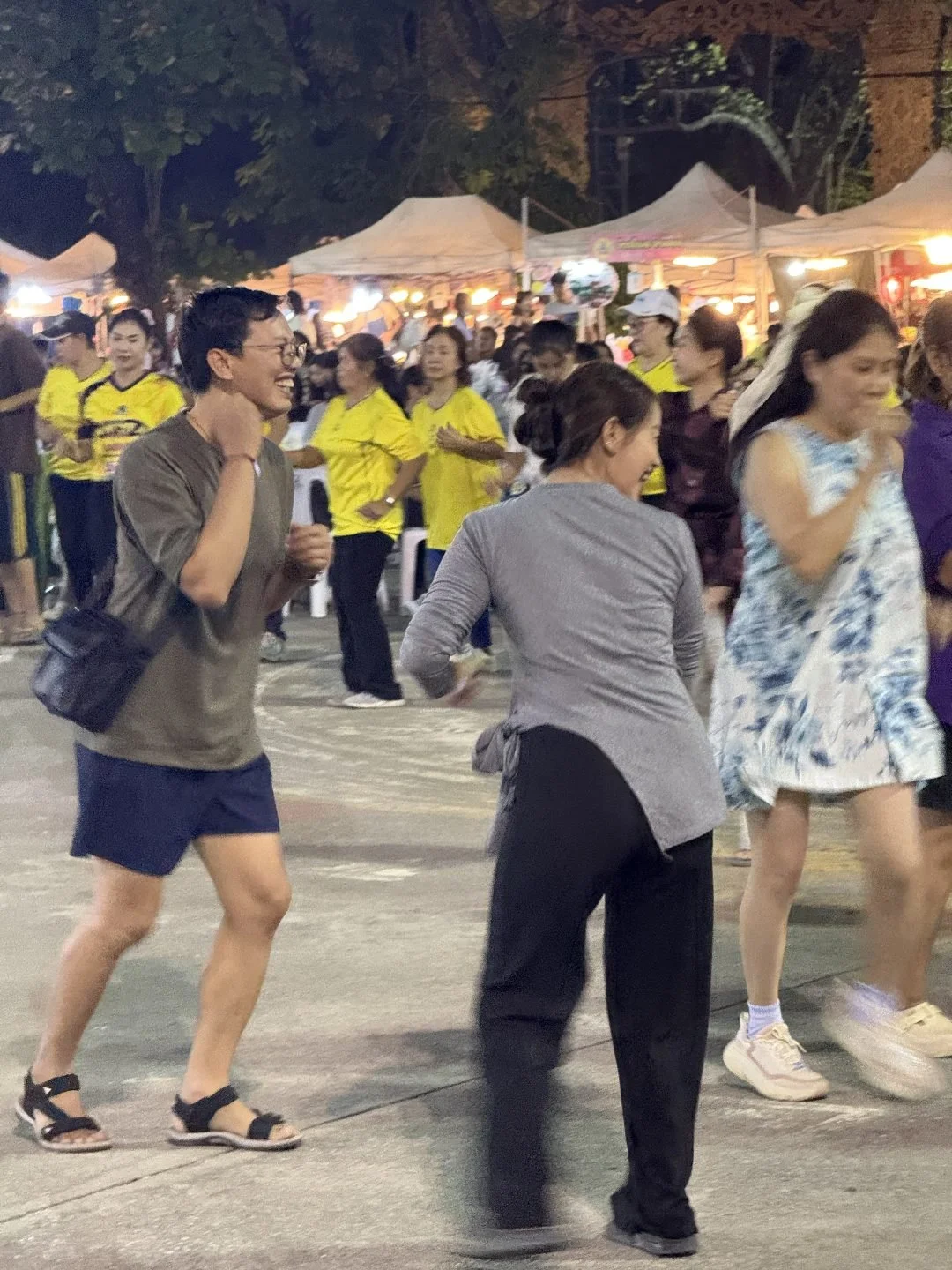
Line dancing with locals
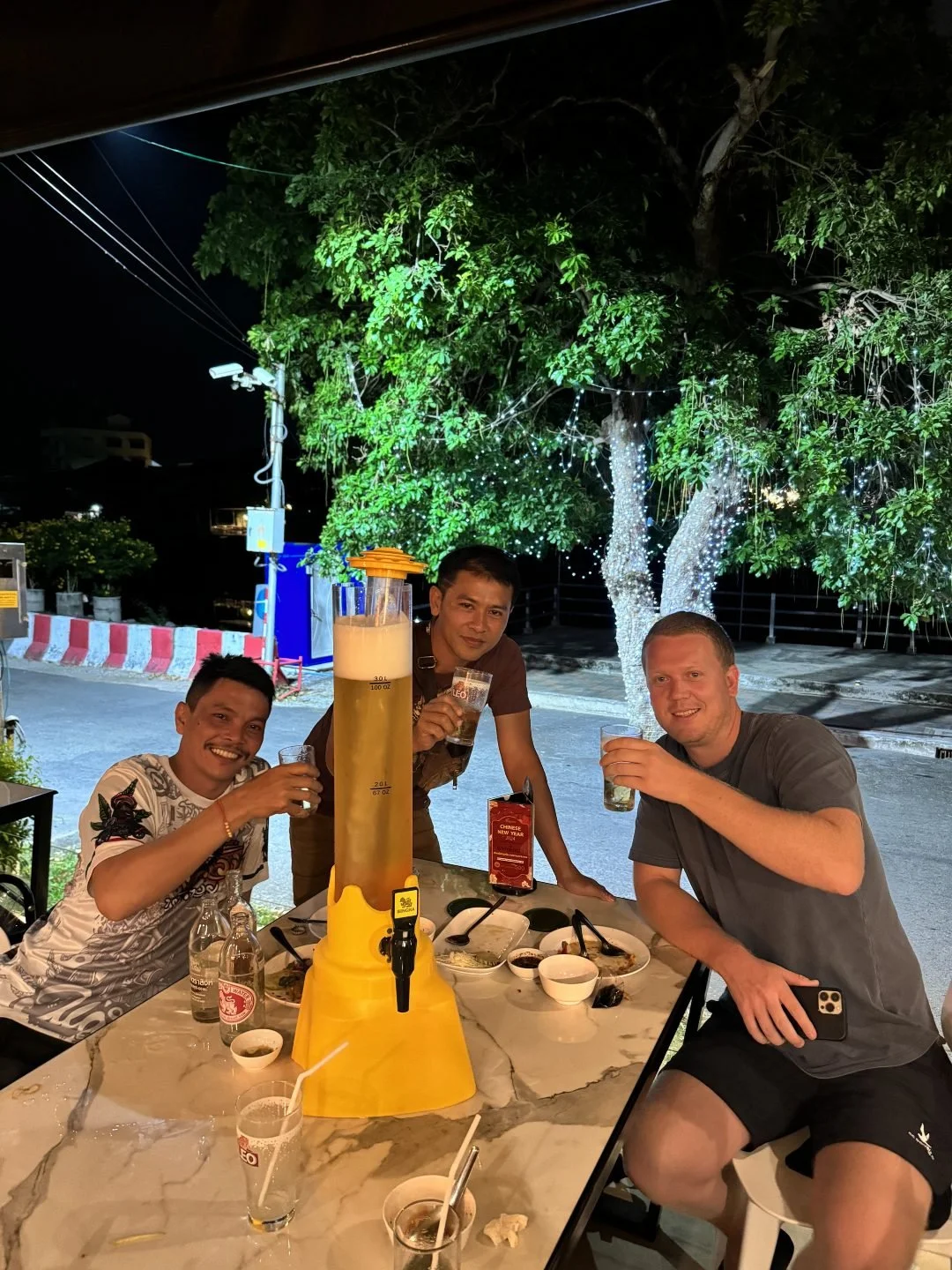
With friends in Chanthaburi
