
How to Get Around Bangkok: 15 Ways to Beat the Traffic
Getting around Bangkok is a daunting task for first-time visitors. The Thai capital has a massive population of over 9 million people and sprawls for miles, across 50 different districts. We used to rely on taxis and tuk-tuks to get from A to B, but over the years we’ve matured a bit and realized that the public transport system here is a godsend. Whether you prefer jumping on the BTS or the Chao Phraya Express boats, our guide equips you with the 15 best ways to beat Bangkok’s notoriously bad traffic.

Cam on a “Win” motorbike
Is Bangkok’s Traffic Really That Bad?
There’s no two ways around it: the traffic in Bangkok is terrible and only getting more severe year after year. It’s so bad that taxis should only be used as a last resort. The evening rush hour (5:00 PM to 8:00 PM) is the absolute worst time to be on the road and the morning rush hour (7:00 AM to 10:00 AM) isn’t much better. This can lead to things like missed dinner reservations and even missed flights if you don’t plan properly.
Google Maps can be wildly off when you get stuck in a doozy of a traffic jam, with the arrival times continuously being pushed later. This happened to us in Sathon once when we had to make a reservation at Nobu Rooftop Bar. We had to abandon the taxi in the end and run there for the final stretch. Ordering a Grab doesn’t exactly solve this issue either - the only surefire way to beat the congestion is public transport or motorcycles.
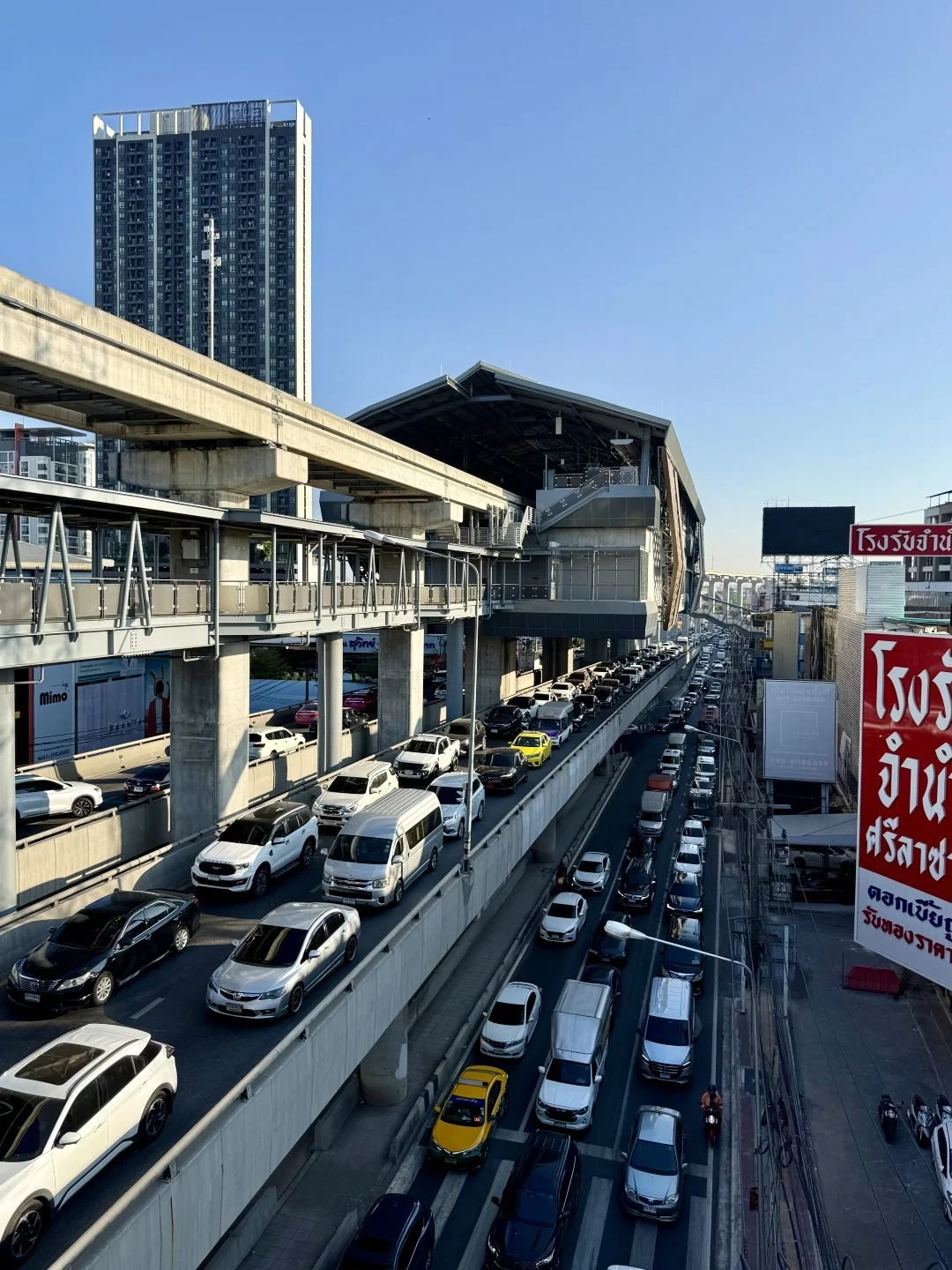
Bangkok traffic
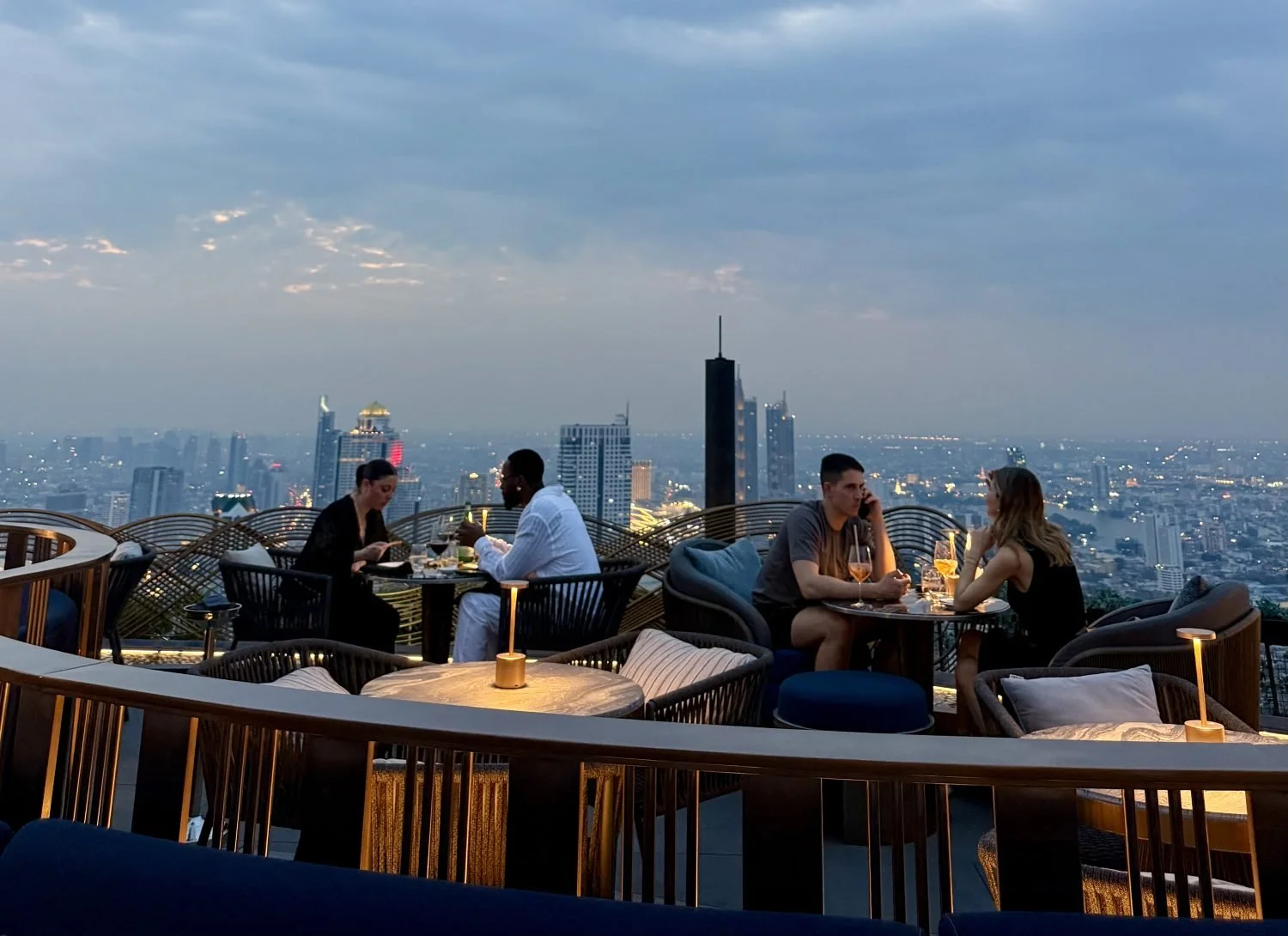
Nobu Rooftop Bar
Bangkok’s Layout Explained
The only major point of reference in Bangkok is the Chao Phraya River, which snakes through the city and shoots off to various smaller canals. Around that, Bangkok can basically be divided into three sections: the Old City, Modern Downtown and Business District. The Old Town is located by the river and where you’ll find Khao San Road, Wat Pho and the Grand Palace. This area relies heavily on river boats and certain MRT stations, as the BTS Skytrain doesn’t come through here. Thonburi also sits just across the river - a historic district that is in fact accessible via the BTS.
Then you’ve got the Modern Downtown that’s home to the mega malls of Siam, the skyscrapers of Sukhumvit, and the trendy nightlife of Thonglor. It’s primarily accessed by the BTS, which makes it easy to ride above the traffic. Finally, the Business District of Sathon and Silom is where the MRT and BTS conveniently intersect, featuring office towers, luxury hotels, rooftop bars and Lumphini Park. To get around all three zones, and other districts, you often need to combine a few modes of transportation. This could be a MRT or BTS trip, mixed with a river boat crossing or short walk.
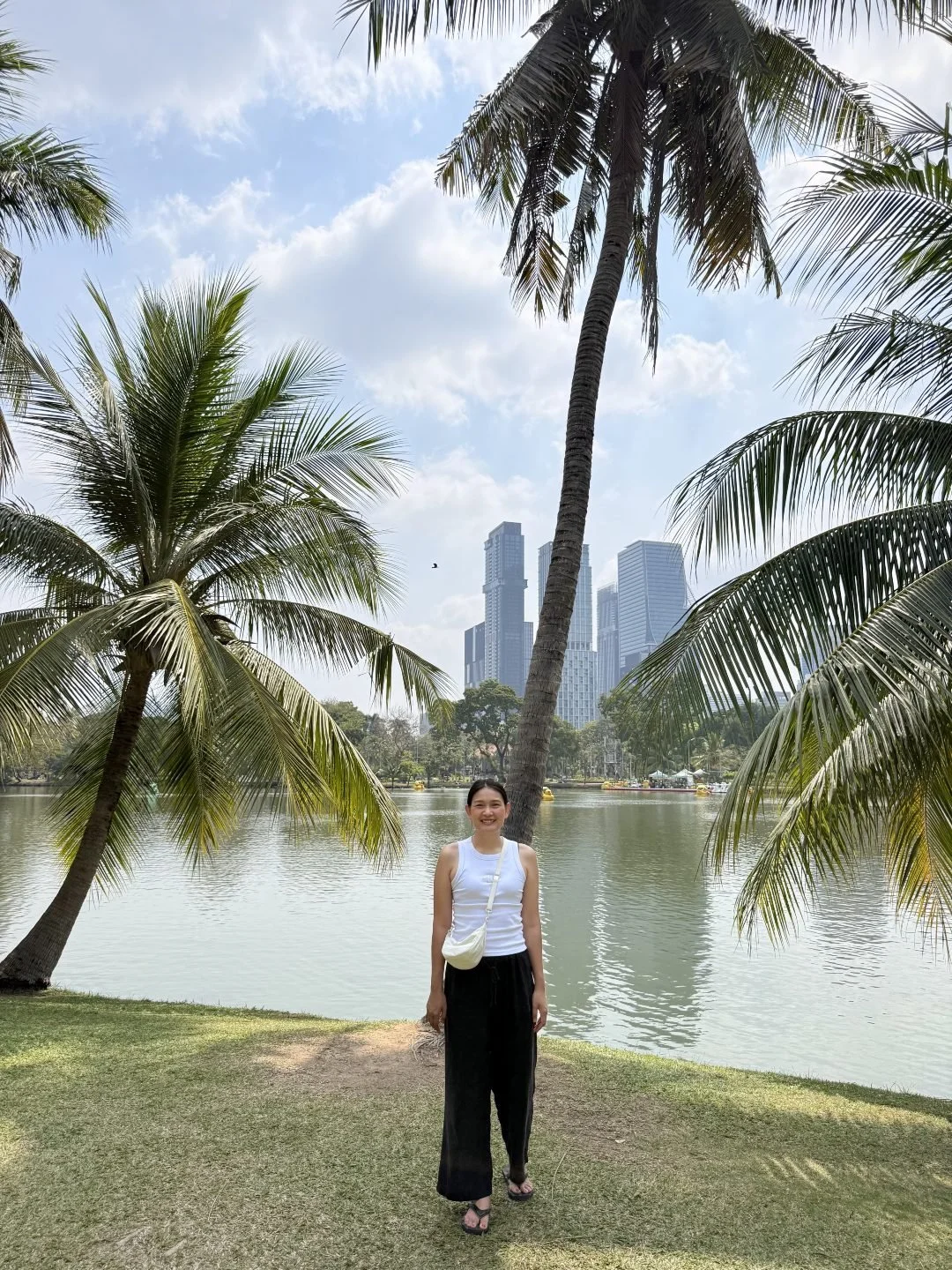
Lumphini Park
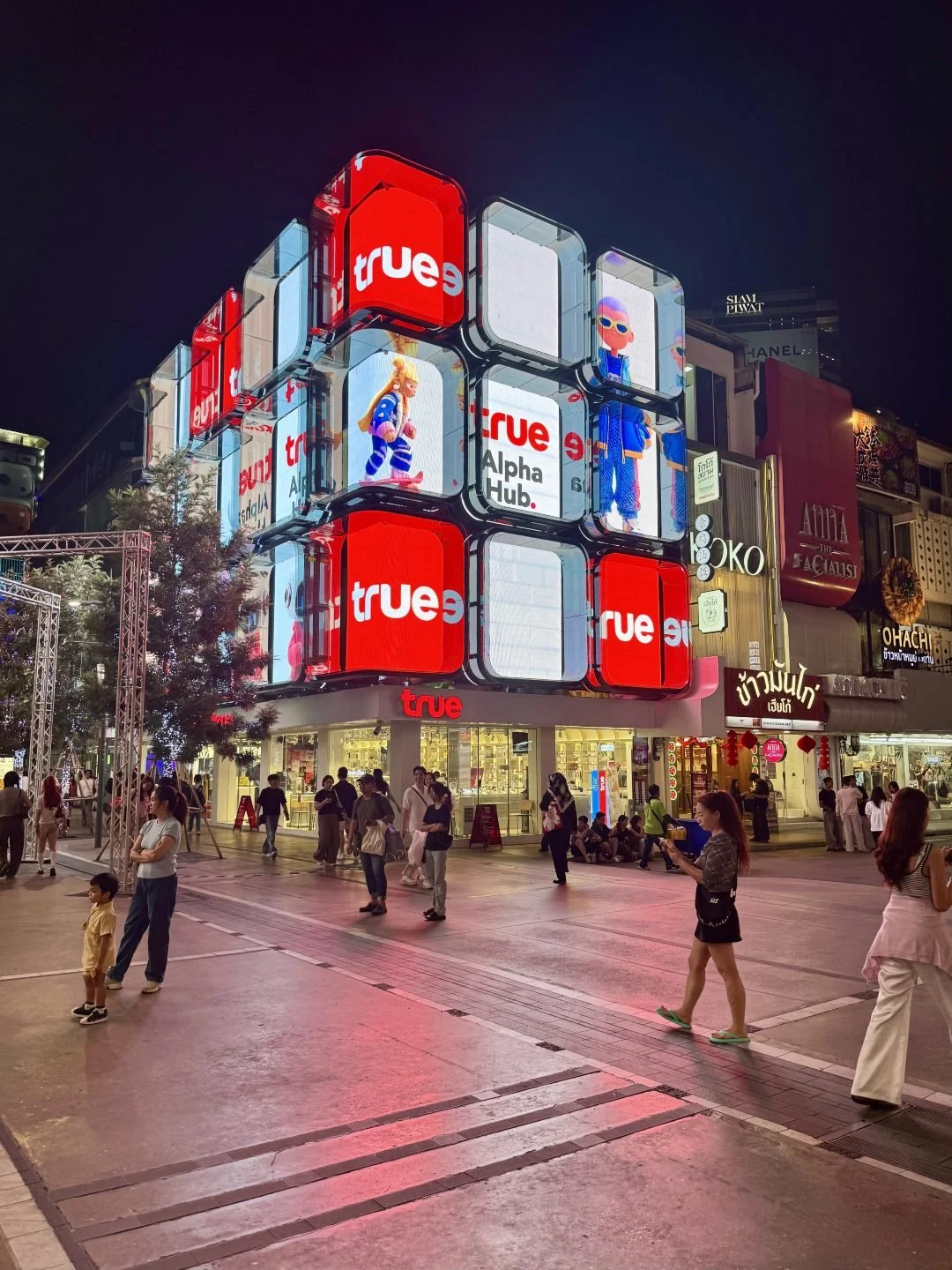
Siam Shopping District
15 Best Ways to Get Around Bangkok
1. Ride the MRT (Mass Rapid Transit)
The MRT is probably the public transport network you’ll use the most in Bangkok. Much of it goes underground, however some sections take you overground as well - especially toward the outer suburbs such as the Blue Line to Bang Phai Station (by Wat Paknam). The Blue Line is very popular, as it runs a loop through the city and connects you with Sanam Chai Station (by the Grand Palace), Sukhumvit Station (which links with the BTS), and Wat Mangkon Station (by Chinatown). In terms of costs, the MRT is roughly the same as the BTS and obviously a lot cheaper than taxis.
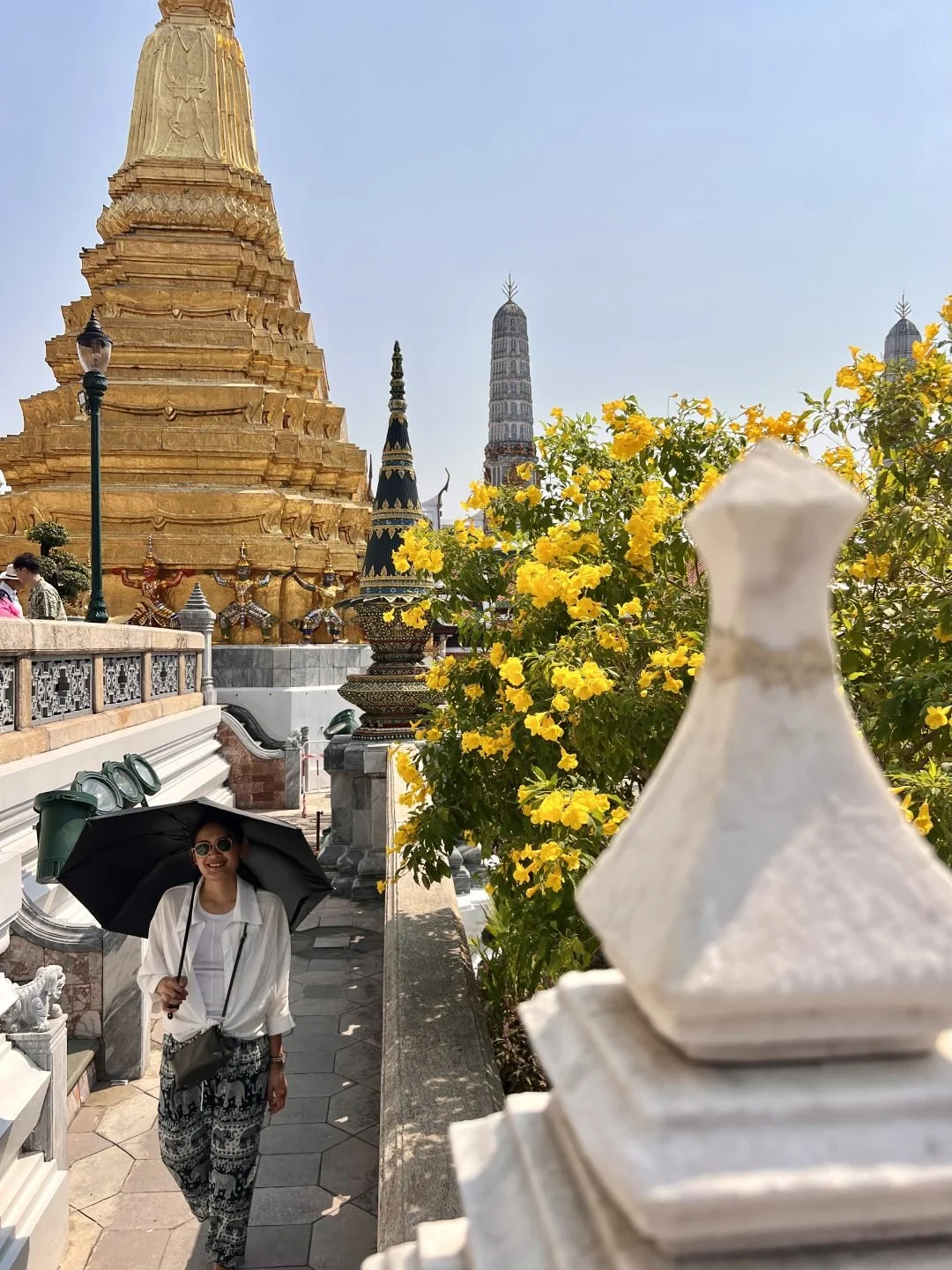
The Grand Palace
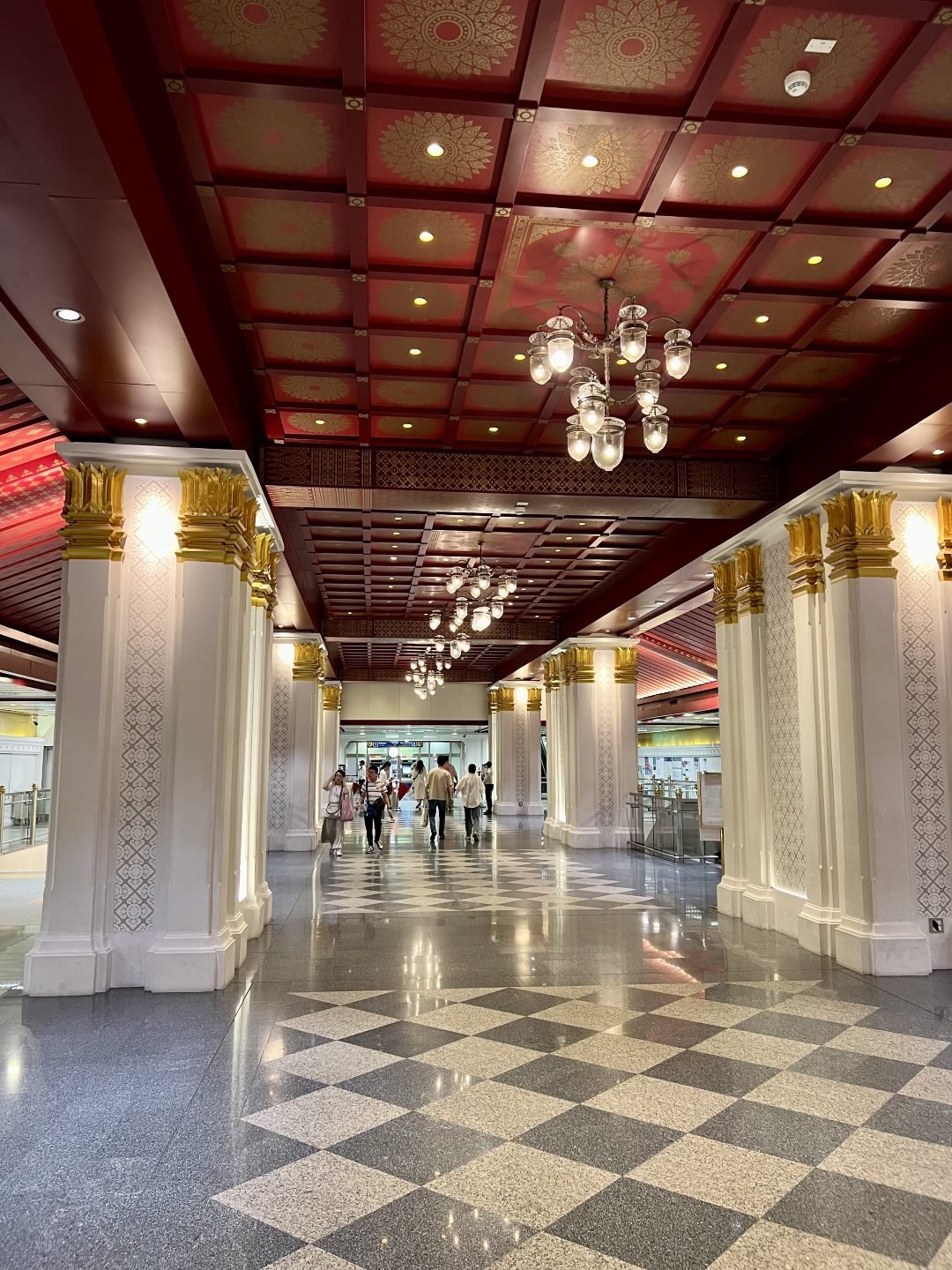
Sanam Chai Station (MRT)
2. Bypass the Traffic on the BTS Skytrain
Like the MRT, the BTS Skytrain is fully air-conditioned, giving you some much needed relief from Bangkok’s heat. This rail network is entirely above ground and offers incredible views of skyscrapers, markets and malls from your window. The main line travelers use is the Sukhumvit Line - one that runs down Bangkok’s commercial heart like an artery to the key stops of Siam and Asoke stations. The BTS can take you pretty far, both north and south of the city. For example: you can venture all the way to Kheha Station and then jump in a taxi for a quick ride en route to the Ancient City.
BTS sign
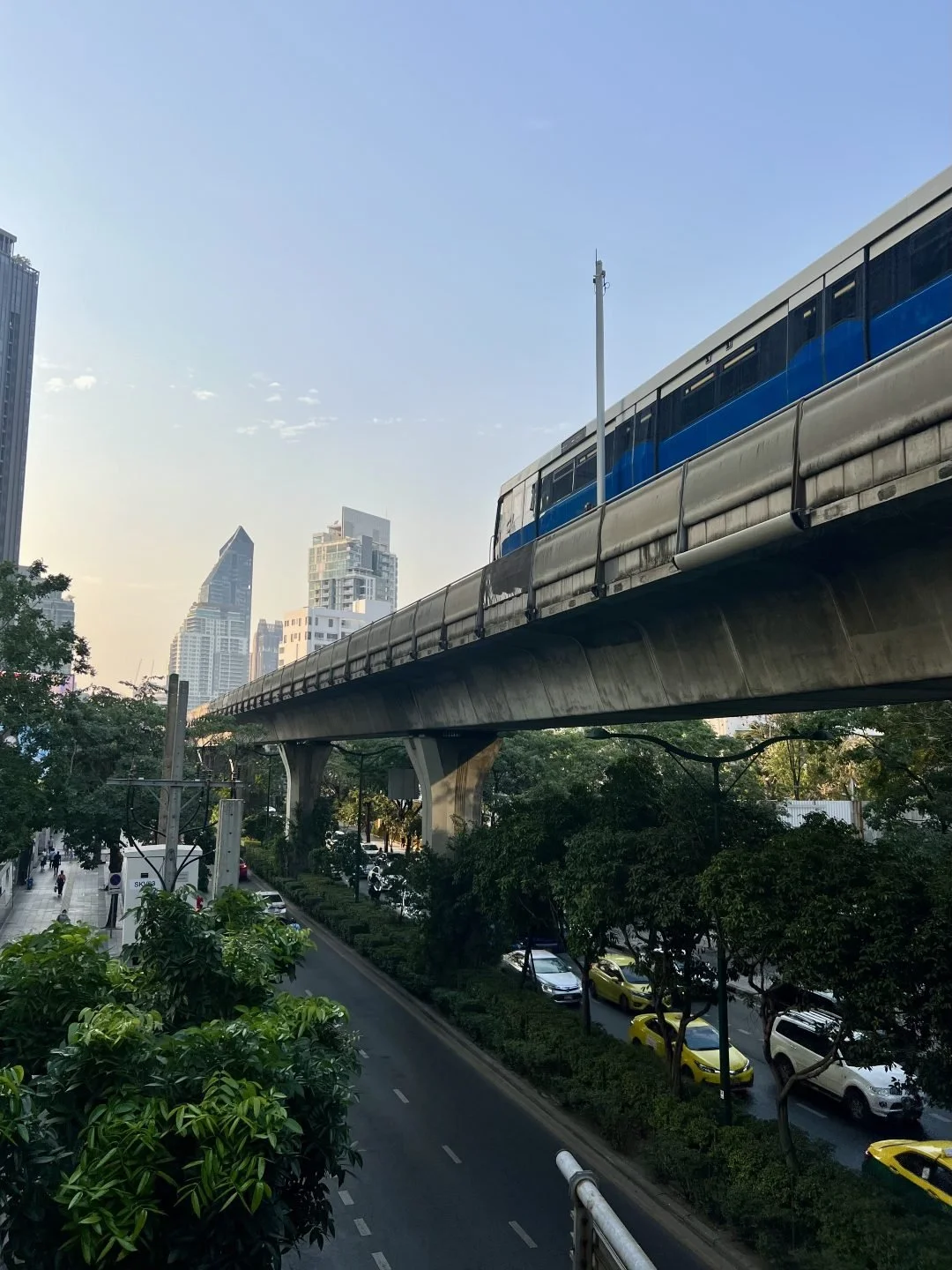
BTS Skytrain
3. Explore Bangkok on the Monorails
Similar to the BTS, the monorails of Bangkok operate overground. However, they aren’t used as much by tourists unless you’re heading well and truly off the beaten path: east on the Yellow Line or further north on the Pink Line. The line you’re more likely to utilize is the mini Gold Line, which takes you to the doorsteps of ICONSIAM from Krung Thon Buri Station. The monorails offer epic views and (of course) are more convenient than taxis.
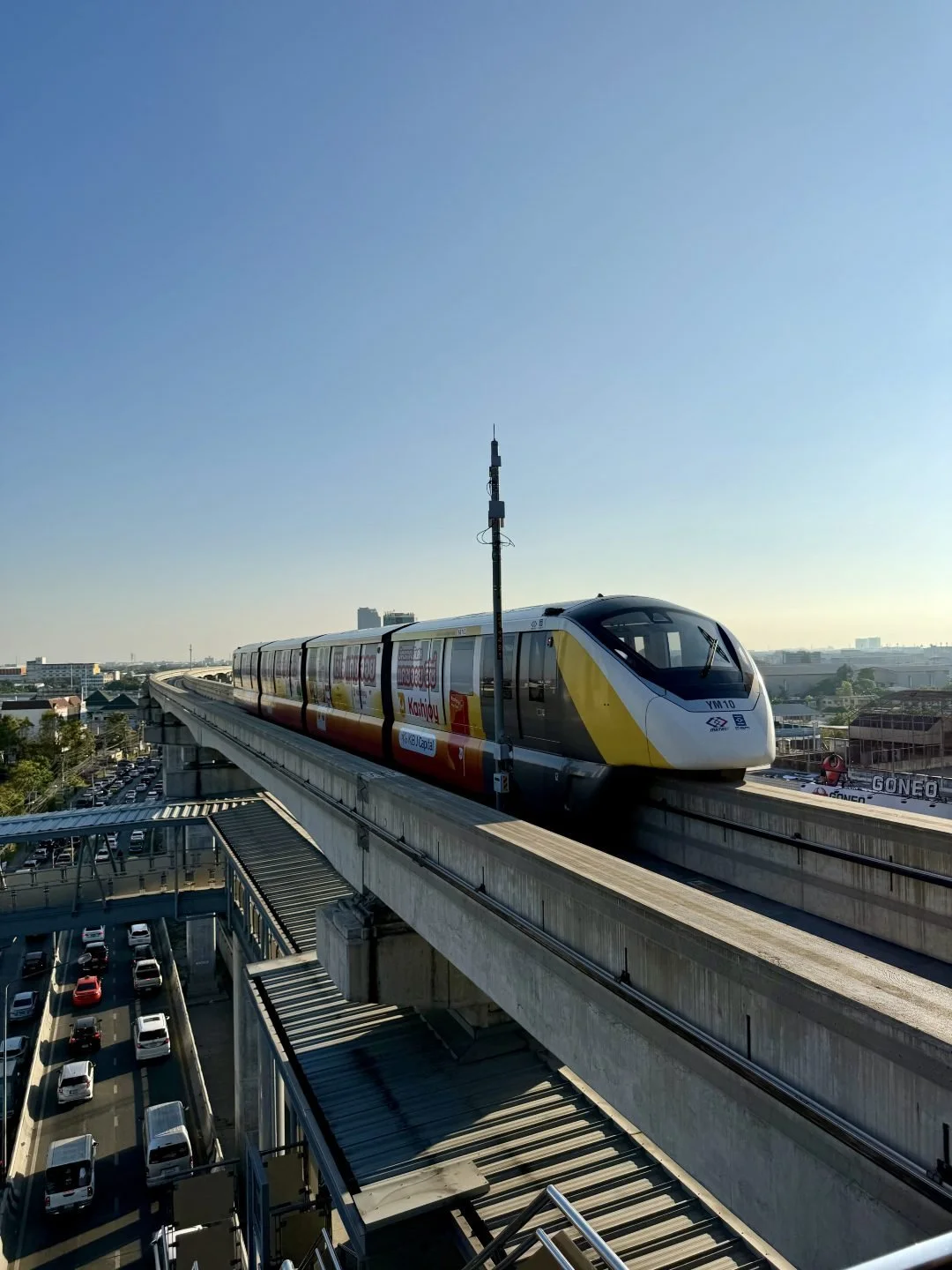
Monorails in Bangkok
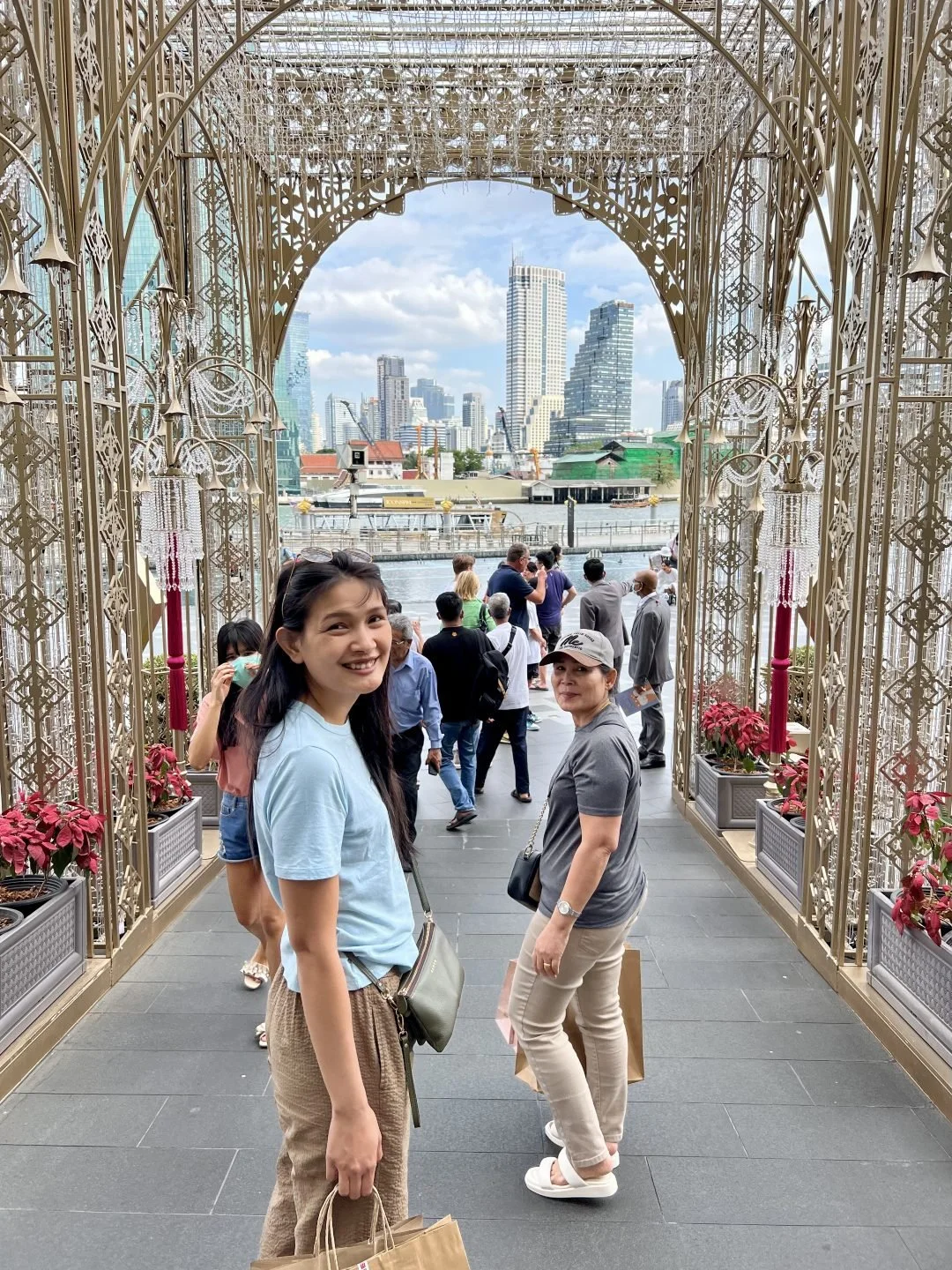
Kat with her mum at ICONSIAM
4. Take the SRT Commuter Train to Don Mueang Airport
If you’re ever flying out of Don Mueang Airport, usually for a domestic flight, one of the best ways to avoid traffic is to jump on the commuter train (SRT) which drops you right at the terminal via an elevated walkway. You need to head to Krung Thep Aphiwat Central Terminal Station (Bang Sue Grand Station) and take the electric train on the Dark Red Line. It shouldn’t take any longer than 20 minutes - a great alternative to a taxi.
5. Use Taxis as Sparingly as Possible
There are times in Bangkok when you’re forced to take a taxi, but they can still work well for short trips (outside of rush hour). The taxis come in all sorts of colors - from pink, to the green and yellow cars - and you can hail them from the street by simply waving your hand. Look out for the ones with green lights, meaning the taxi is available, and ensure the driver turns the meter on rather than quoting an arbitrary price. When the meter is switched on, you’ll get the local rate which costs even less than a Grab.
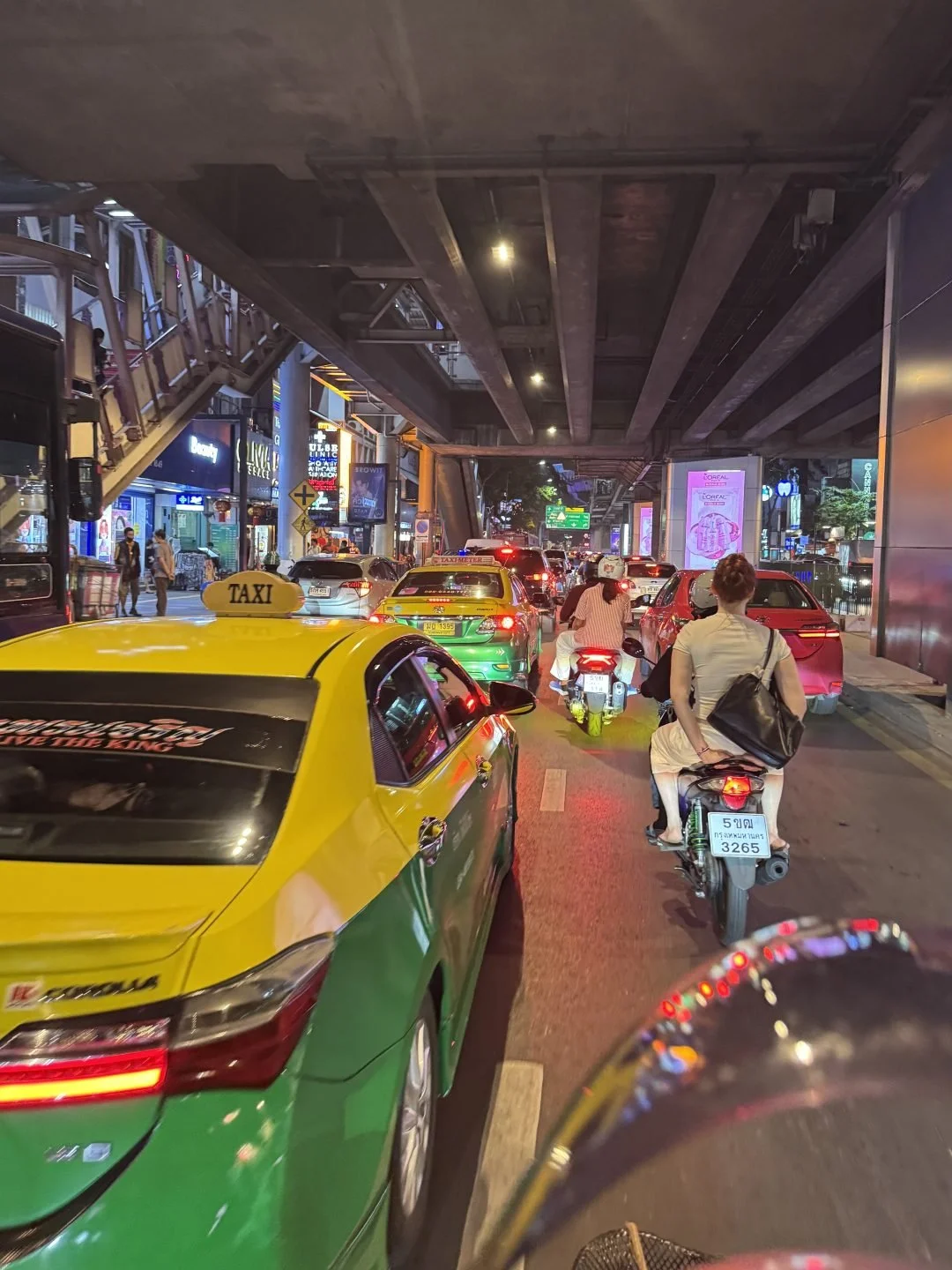
Green and yellow taxis
6. Order a Grab Outside of Rush Hour
Grab functions almost identically to Uber - a safe and reliable app you can use to order rides at the click of a button. Download the app before you go and link it to your card. In most cases, the drivers won’t speak English but the app has a translation tool if your route needs extra clarification. A popular alternative to Grab is Bolt, which sometimes offers cheaper fares. Whichever option you choose, only use ride-hailing apps outside of peak hours as this is when you’re hit with both traffic and surge pricing. And, if you’re up for it, you can also use Grab for rides on the back of a motorbike.
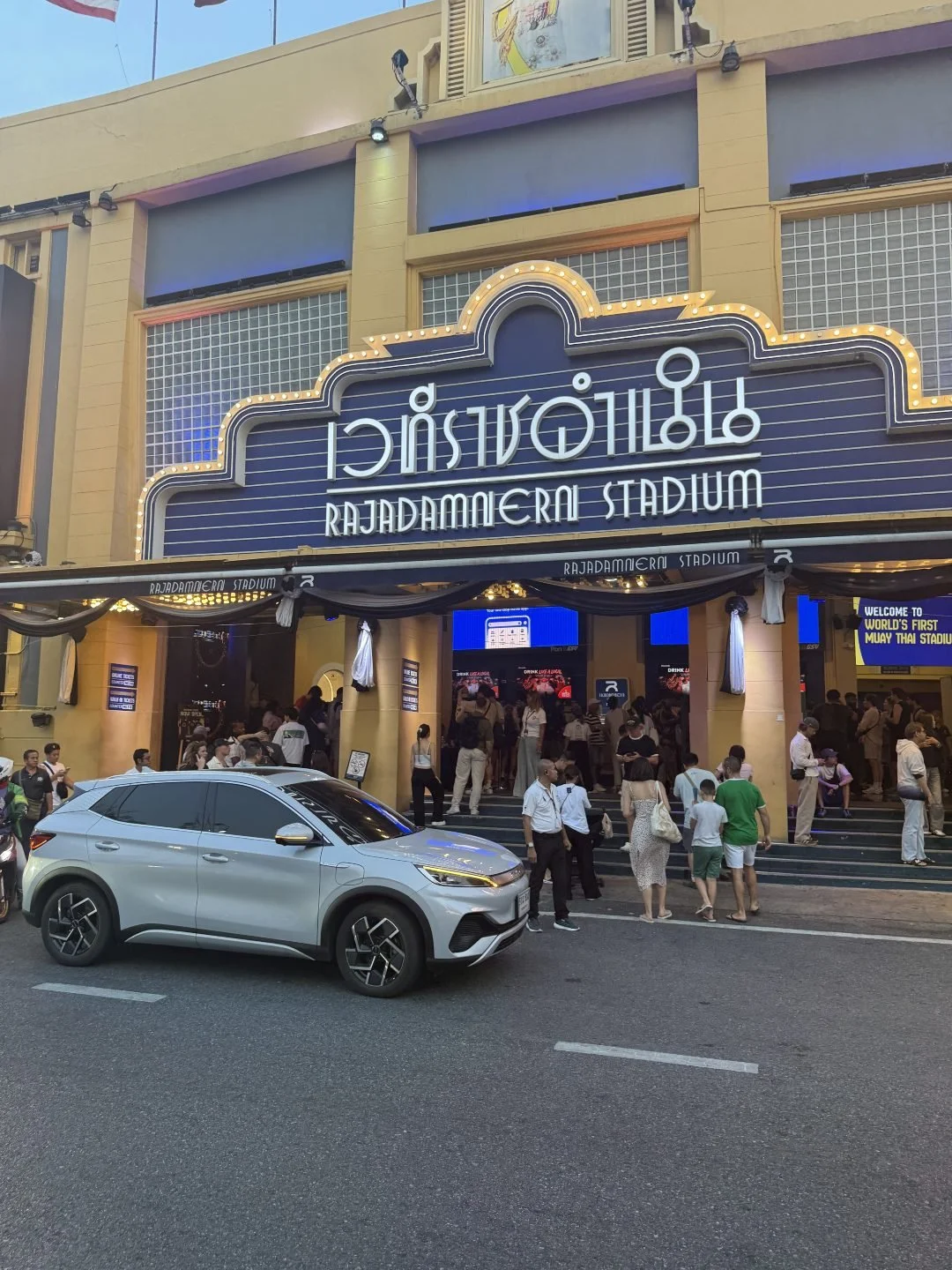
Grab drop offs at Rajadamnern Muay Thai Stadium
7. Jump on a “Win” Motorbike
If you need to beat the traffic but still want to experience the raw energy of the streets, go for a “Win” motorbike ride. It’s the most thrilling way of exploring Bangkok: you squeeze past rows of cars, take detours down little “sois” and feel the wind on your face as you’re surrounded by towering skyscrapers. Cam still has fond memories of the first time he did this in Bangkok. Kat organized a couple of motorbikes for us, and we hopped on the back and headed into a really local area where Kat’s mum was living at the time. It was so much fun weaving in and out of the backroads.
“Win” stands can be found everywhere - from major street corners to outside malls, markets, temples and MRT stations. Keep an eye out for the drivers with orange vests and make sure they provide a helmet. Most drivers keep one spare under their seat but they don’t always offer it to you. Just so you know: helmets are required by law but the locals hardly ever follow this rule. In spite of that fact, fines are becoming more common, and it’s not a silly idea to wear a helmet for safety and insurance purposes. Payment is made by cash and it’s always cheap for short trips.
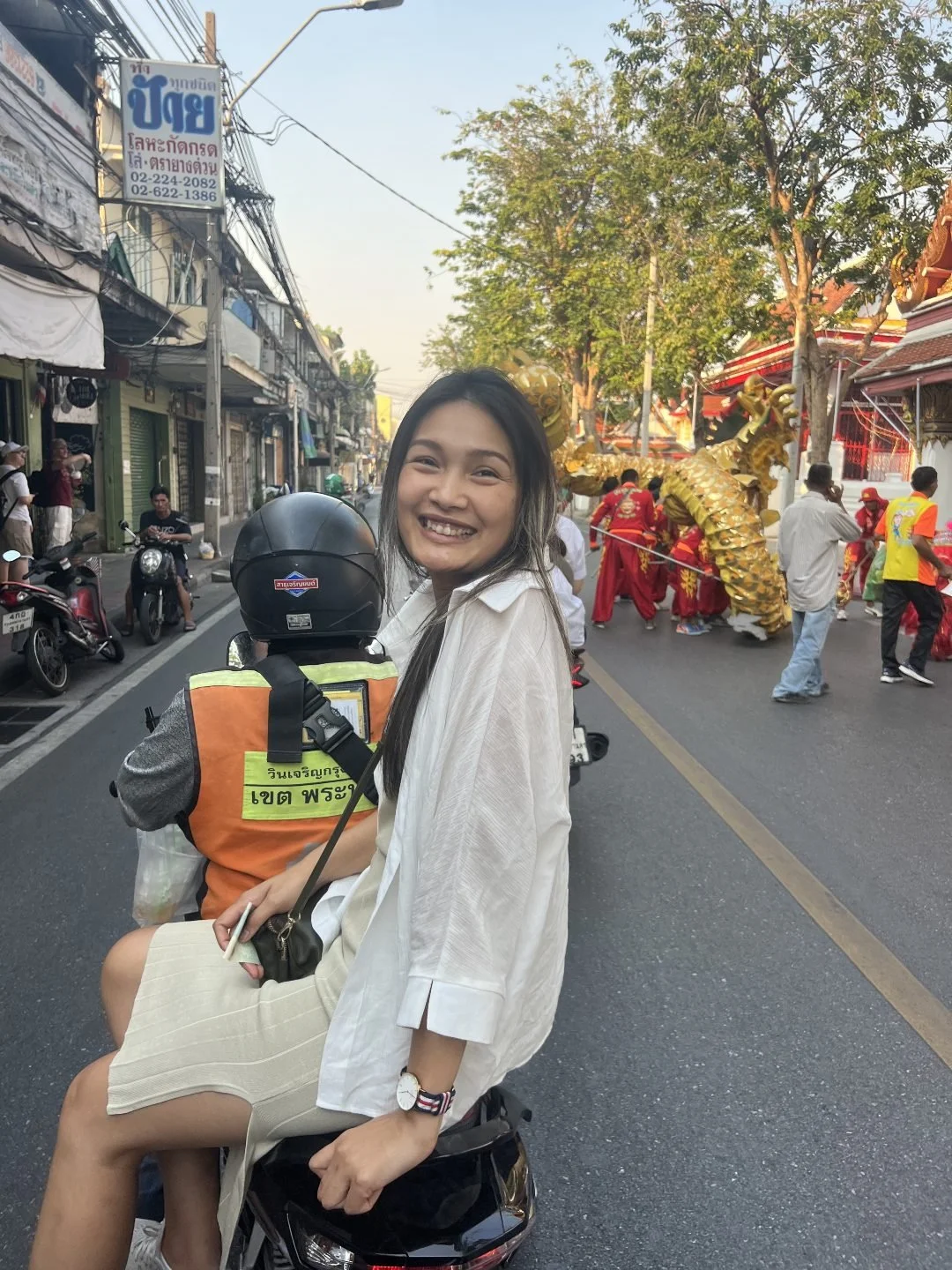
Kat on a “Win” motorbike
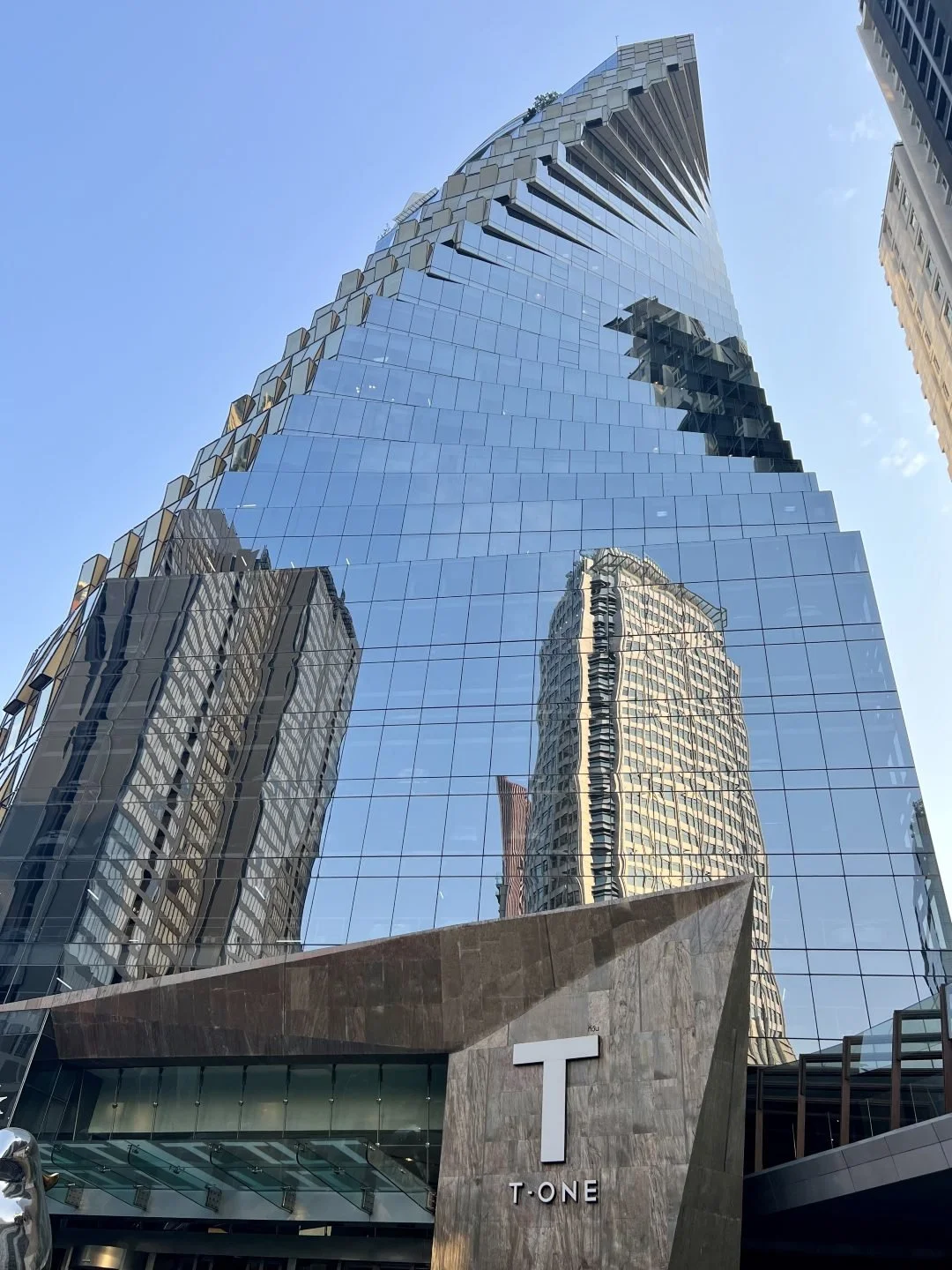
Skyscrapers of Bangkok
8. Zoom Across Bangkok in a Tuk-Tuk at Night
There’s something special about riding through Bangkok at night in a tuk-tuk, once the rush hour madness has ended. During the day, it can be an uncomfortable experience with bumper to bumper traffic, and hot air and exhaust fumes in your face. After 8:00 PM though, the traffic thins out and you’re left with more open avenues, the cooler night air and the city glowing around you. Due to the novelty factor, tuk-tuks tend to be more expensive than taxis, Grabs and Win motorbikes, so bartering a bit is a must. For something different, try an electric tuk-tuk via the MuvMi app.
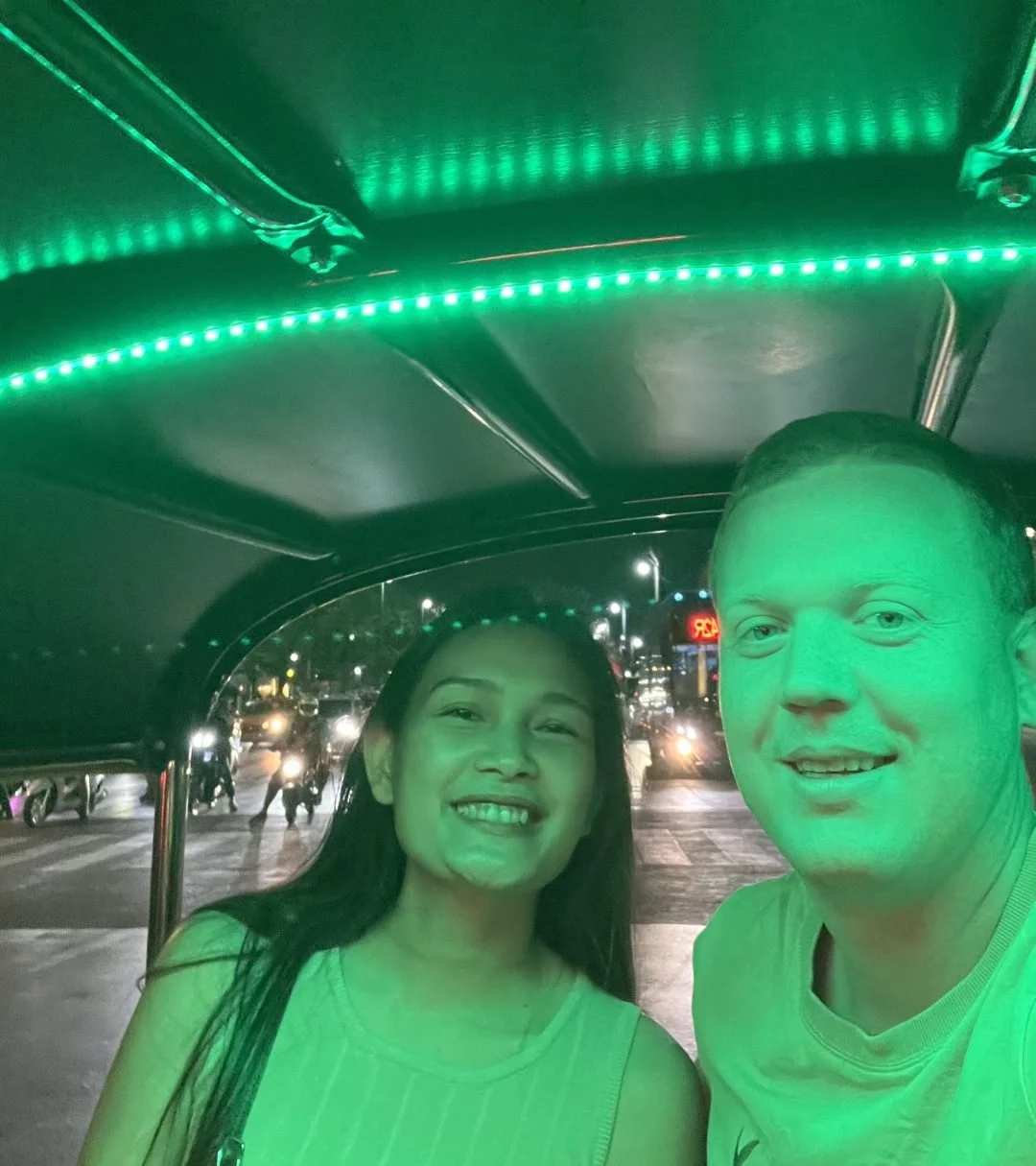
Tuk-tuk rides at night

Tuk-tuk rides at night
9. Leave Bangkok via Public Shuttles or Private VIP Vans
Getting around Bangkok is one thing but trying to leave is another. This is where the public minivan shuttles are a lifesaver - shared vans (smaller than buses of course) that connect Bangkok with outer suburbs and nearby cities like Pattaya and Ayutthaya. Bus terminals such as Ekkamai (Eastern) and Mo Chit 2 (Northern) are where you’ll find these minivans, and the tickets, which are very cheap, can be purchased upon arrival.
If you’re traveling in a group though, and want the ultimate in comfort and privacy, booking a VIP van is the way to go. You can arrange the vans through your hotel or with a local travel agency, something we often do when we make the 4 hour journey to Chanthaburi (Kat’s hometown). For both the public shuttles and the private VIP vans, we recommend leaving early in the morning - before 7:00 AM - otherwise you’ll face intense traffic.
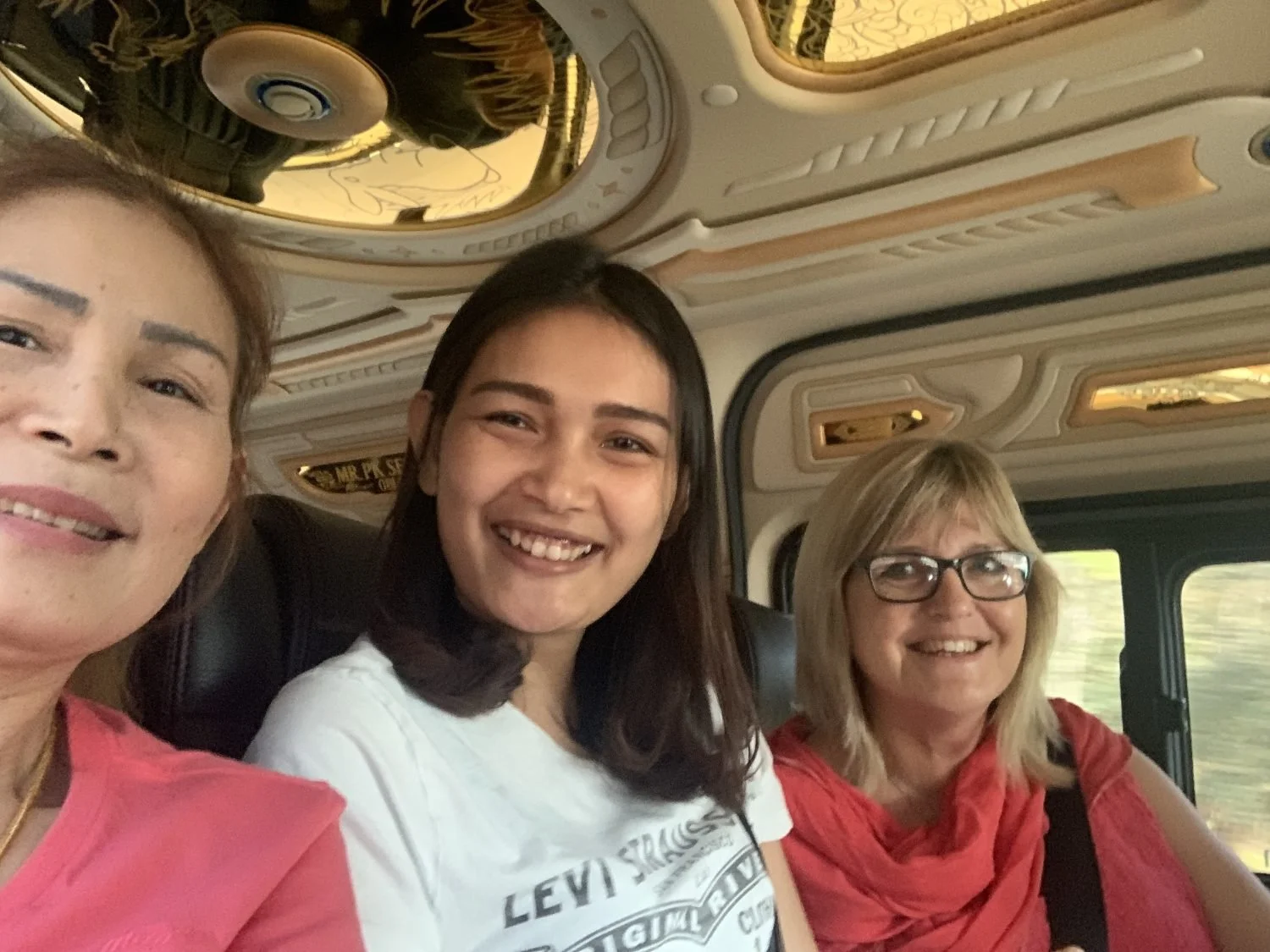
Kat with her mum and Cam’s mum in a private VIP van
10. Experience the Public Buses (BRT & BMTA)
Being a budget traveler in Bangkok comes with a few perks, one of which is taking advantage of the ultra cost-effective public buses. Not only are the buses cheap but they’re also enriching, as you get to rub shoulders with the locals. We’ve jumped on the bus a few times in the Chinatown area and it’s always a raw experience. That being said, only the BRT (Bus Rapid Transit) has its own bus lane for most of its route while the BMTA (Bangkok Mass Transit Authority) doesn’t - which means you’ll be stuck in gridlock.
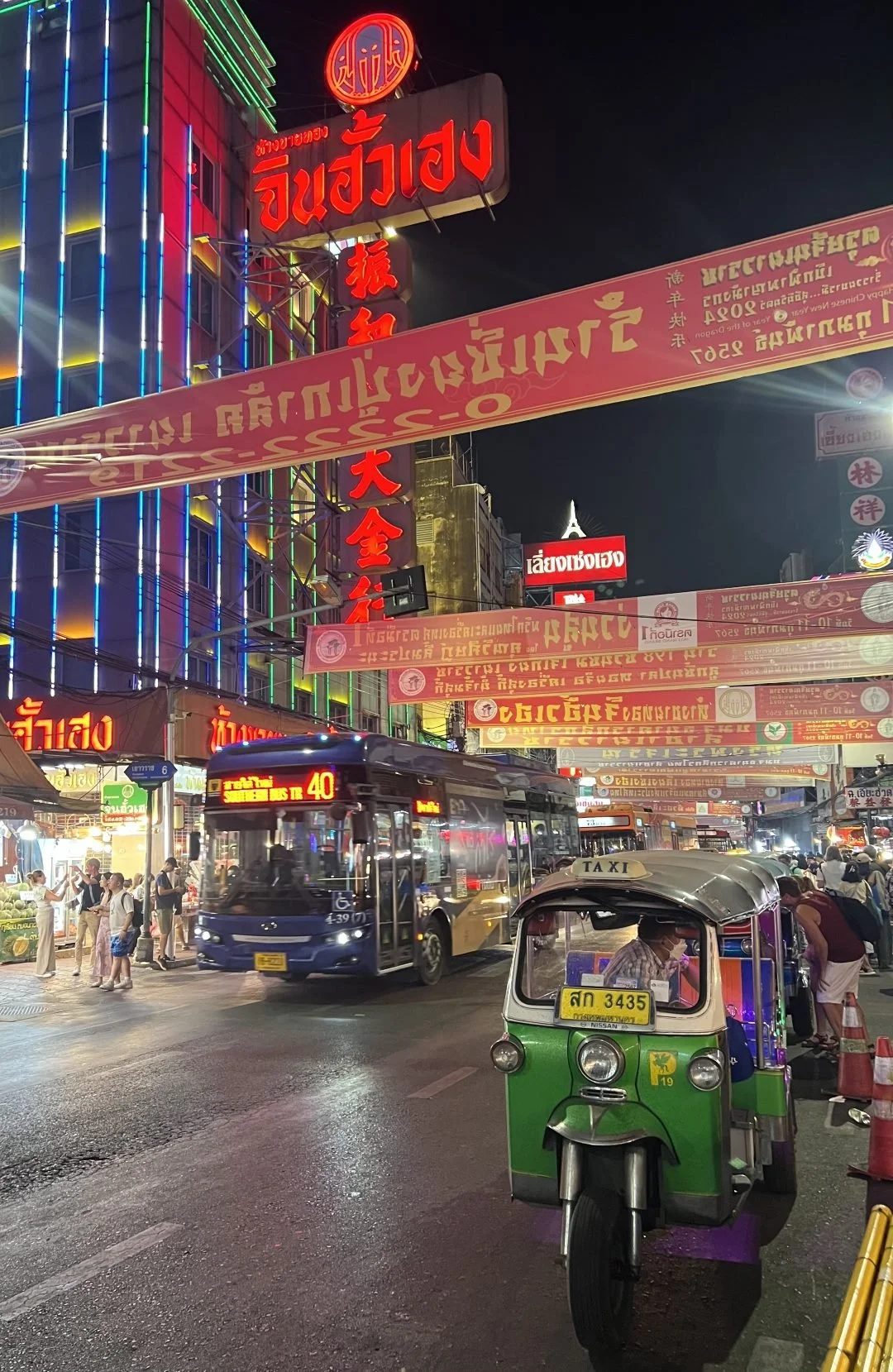
Public buses in Chinatown
11. Hop in a Songthaew for a Truly Local Ride
Perhaps the most authentic form of transport Bangkok has to offer is the glorious “songthaew”, essentially a pickup truck with bench seating. These vehicles act as local shuttles, perfect for short trips down sois or for getting around the outer suburbs. Tourists are likely to see them at markets and MRT or BTS stations, like Bang Chak. They’re as cheap as chips and can be convenient during off-peak hours, from 10:00 AM to 3:00 PM. Songthaews are a real adventure: no seatbelts and locals hanging off the bumper, but importantly (for safety) they drive at slow speeds through the streets.
12. Cruise Bangkok on the River & Canal Boats
One of the most efficient ways of navigating Bangkok is via the river and canal boats. There’s two main networks to know about: the Chao Phraya Express that zips you across the river and the Khlong Saen Saep Express that takes you down Bangkok’s historic canal. To connect from the train lines to the river, head to Saphan Taksin Station which sits right by Sathorn Pier. From there, you’ll want to look out for flags on the boats such as the Orange Flag. Popular routes include Sathorn Pier to Ratachawong Pier (by Chinatown) and Sathorn Pier to Tha Chang Pier (for the Grand Palace).
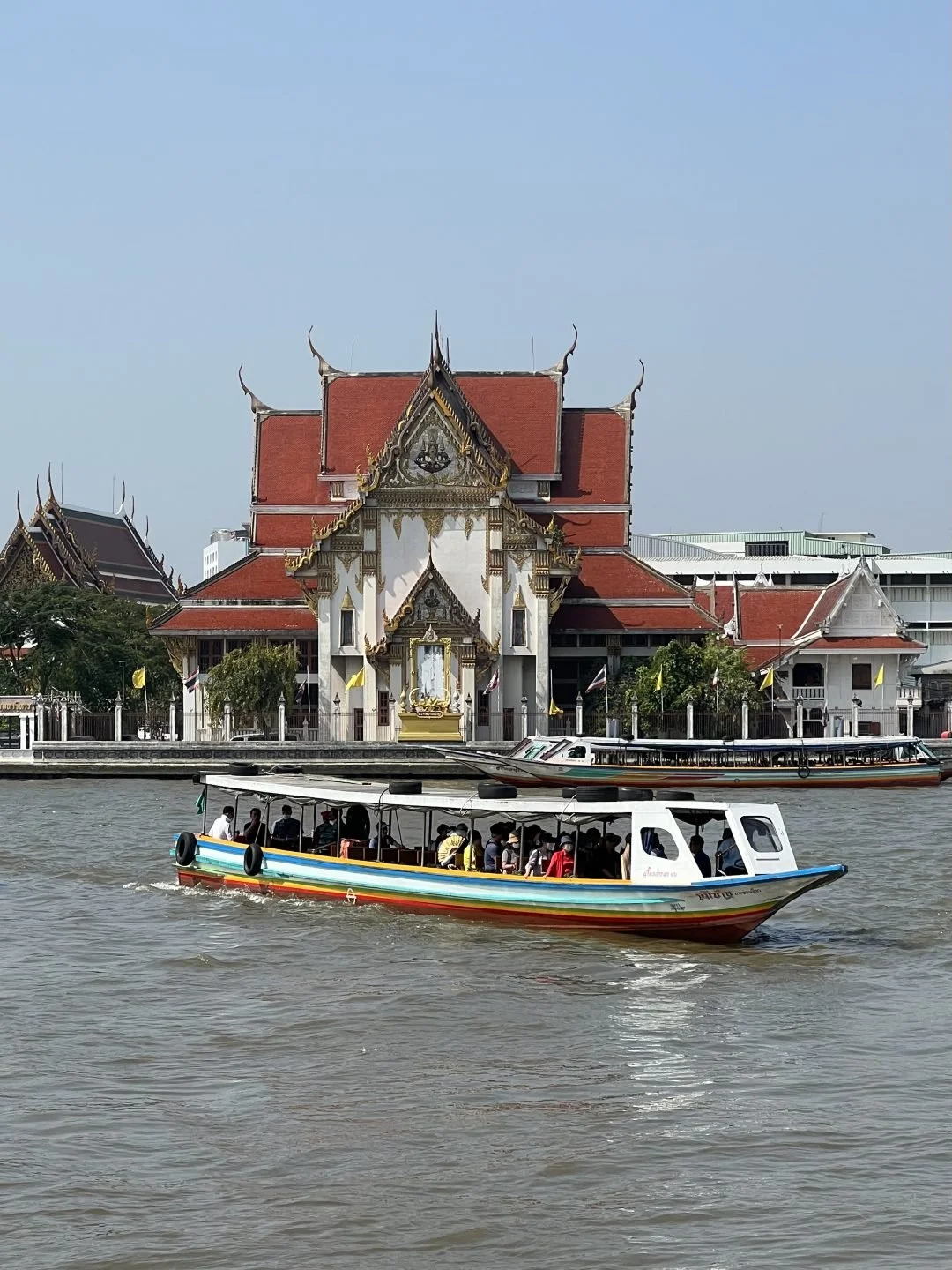
River boats of Bangkok
13. Charter a Private Longtail Boat
This is more of a tour you do once, rather than a means of getting around everyday, but it’s still a quintessential Bangkok experience and a great way to beat the traffic at that. Longtail trips can be booked online, such as this Private Bangkok Canal Tour, or you can simply head down to the tourist hubs of Sathorn or Tha Chang piers (but be careful paying too much). Cruising down the city’s hidden canals is an amazing experience - it’s gritty and not always clean but you’ll get to see an unfiltered version of local life.
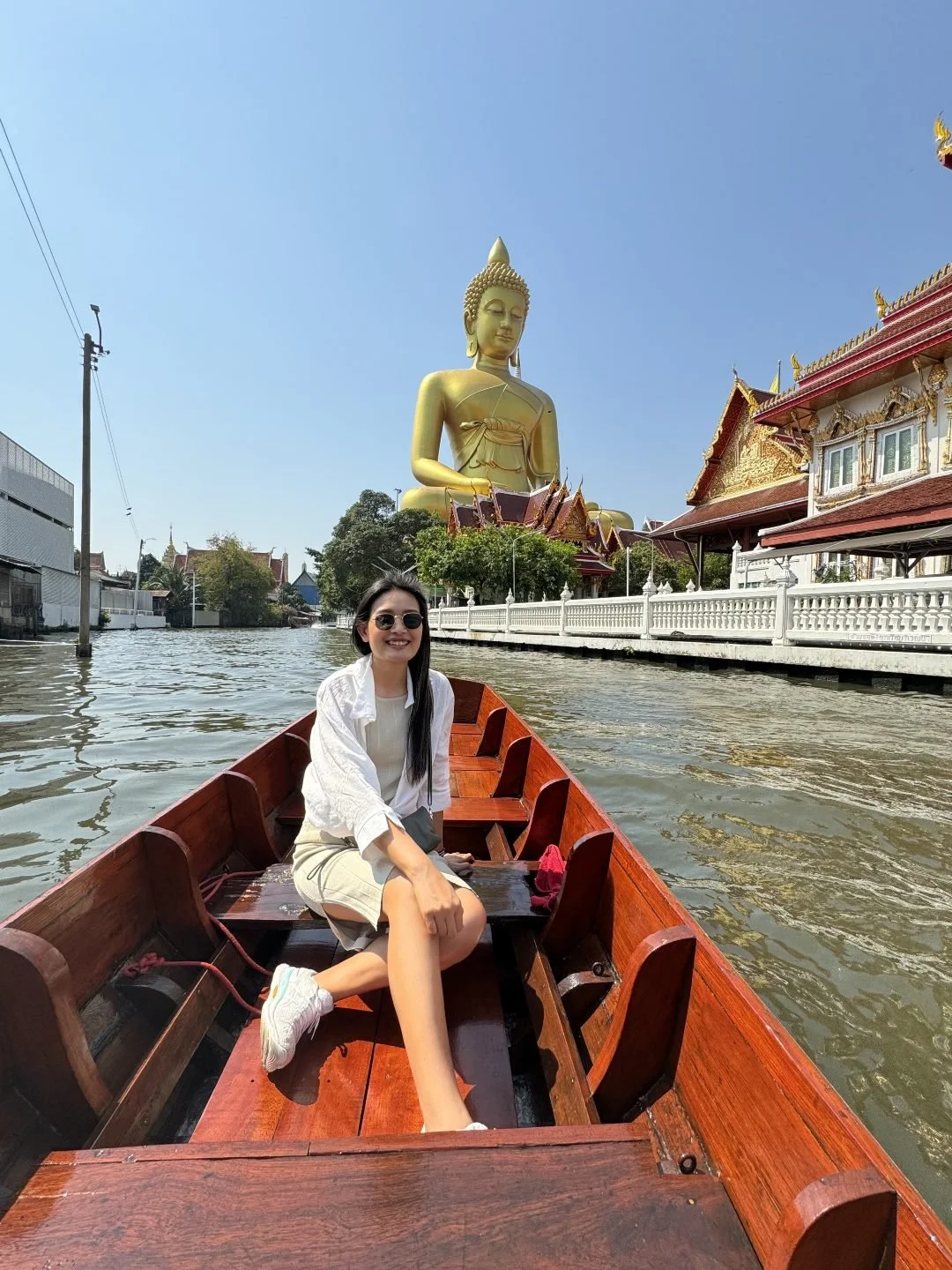
Longtail ride at Wat Paknam
14. Walk the Neighborhoods & Stick to Skywalks
To be honest, Bangkok isn’t the most walkable city in the world. The distances between attractions are quite far on foot and the sidewalks themselves aren’t exactly inviting: uneven, and blocked by street food carts, road works, and electricity poles with the famous bird’s nest of wires. Crossing the road is a bit of an art form as well. You’ll find pedestrian lights in certain areas, however even with a green light motorbikes can still zoom by. Add to that the heat and humidity, which leaves you drenched in sweat, and most of the time you’ll prefer to be inside the air-conditioned MRT.
Nevertheless, there’s a few pockets that make for an enjoyable walk, places like Sukhumvit, Siam, the Old Town and Song Wat Road. Sukhumvit and Siam in particular are superb due to the pedestrian skywalks, allowing you to stay completely above the traffic. If you’re planning on taking a long stroll, be sure to break it up by ducking into a coffee shop or sitting down at a roadside stall for a fresh coconut (Thailand has the best coconuts in the world in our opinion). Alternatively, you can head to the city’s green spaces for a nice wander such as Benjakitti Park and Dusit Arun Park.
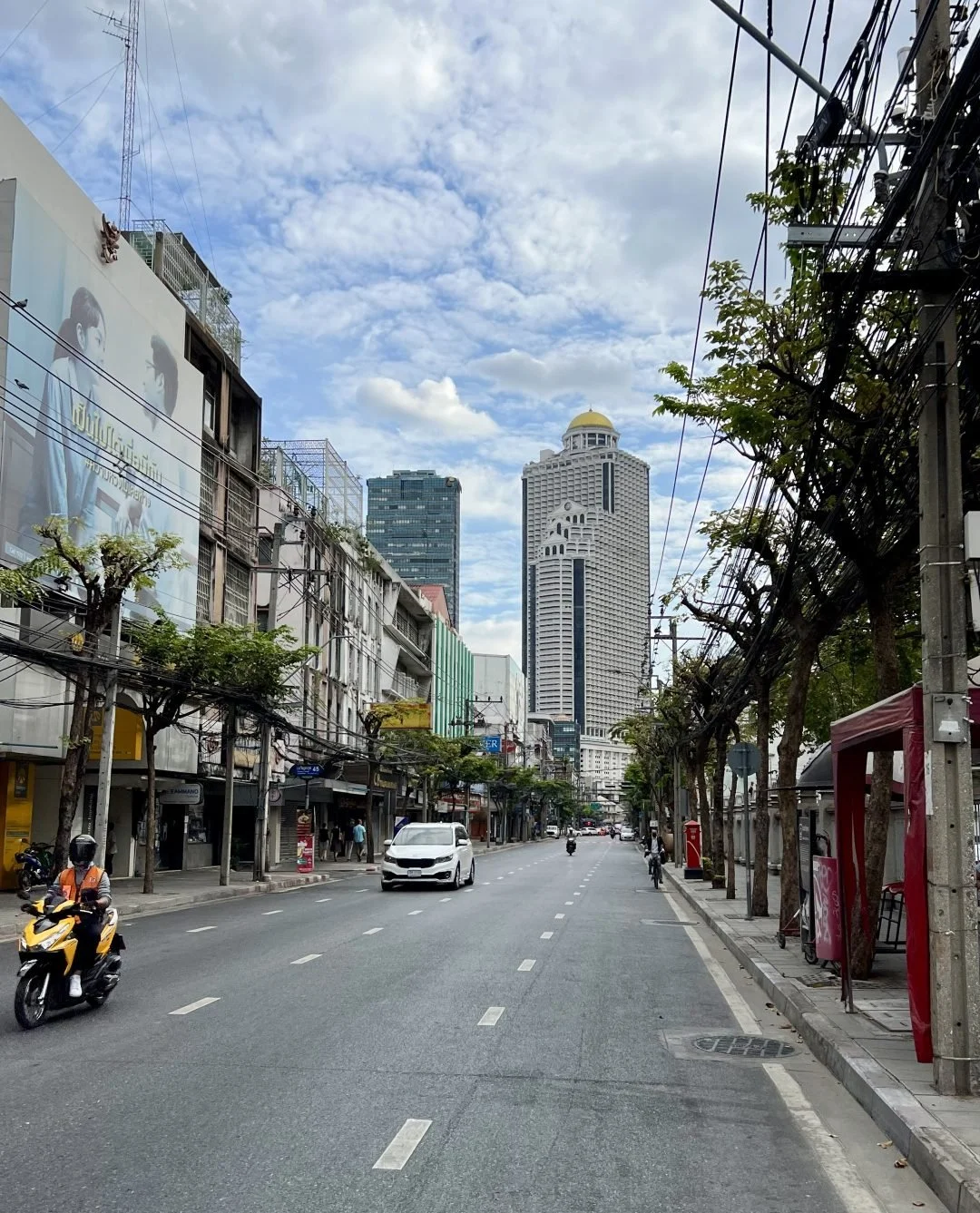
Walking around Lebua

Song Wat Road
15. Go Cycling in the Quieter Neighborhoods
Bangkok doesn’t offer the dedicated infrastructure of bicycle lanes but what it does have is a few quieter neighborhoods where exploring by bicycle is entirely possible. The maze of narrow “sois”, particularly in areas like Talat Noi and the Thonburi side of the Chao Phraya River, are fantastic for a casual cycle. You can easily rent bicycles from local shops, or your hotel or hostel if they provide it, or you could join a Bangkok Bike and Canal Tour that takes you to back alleys, markets, temples and more. This is a wonderful way to cover more ground while avoiding congested roads.
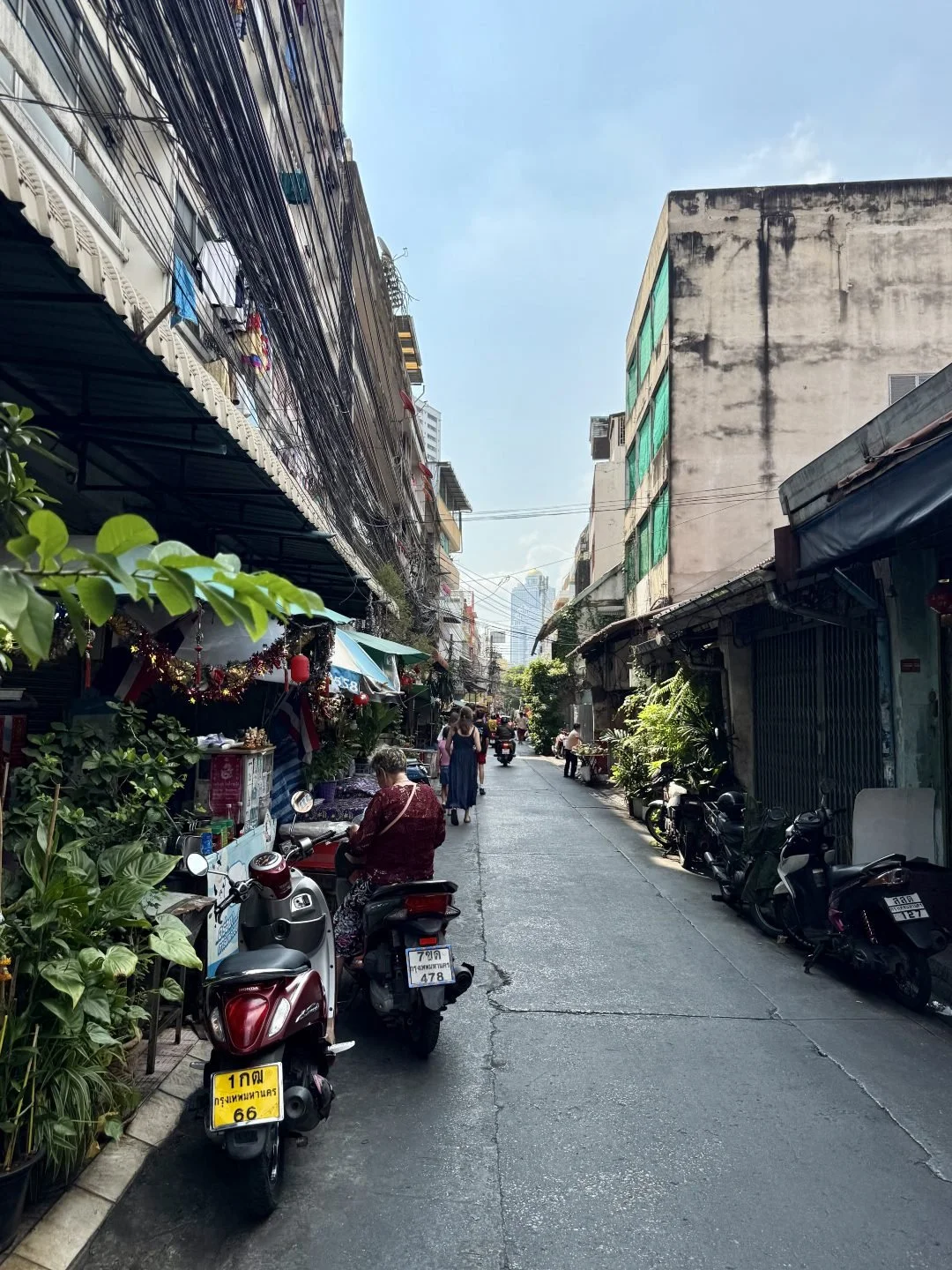
Talat Noi
Understanding Bangkok’s Ticketing System
The ticketing system for Bangkok’s public transport feels like a bit of a jigsaw, and that’s because it is. For starters, the two rail networks (BTS and MRT) are run by two different entities. You can purchase a Rabbit Card for the BTS, which allows you to pre-load credit, but annoyingly this can’t be used on the MRT. Instead, contactless payment with your physical Visa or Mastercard is accepted. For both, there’s also the option of buying single tickets or day passes - what most travelers will do on short stays.
In regards to the buses, the BRT does accept Rabbit Cards while the BMTA is old school in the fact that you can simply pay cash as you hop on. Lastly, the river and canal boats are run entirely on cash - with tickets purchased at the pier’s booth or onboard directly with the conductor. If you’re staying for 4-5 days, we recommend getting a Rabbit Card and then using your Visa or Mastercard for the MRT and cash for any other transportation.
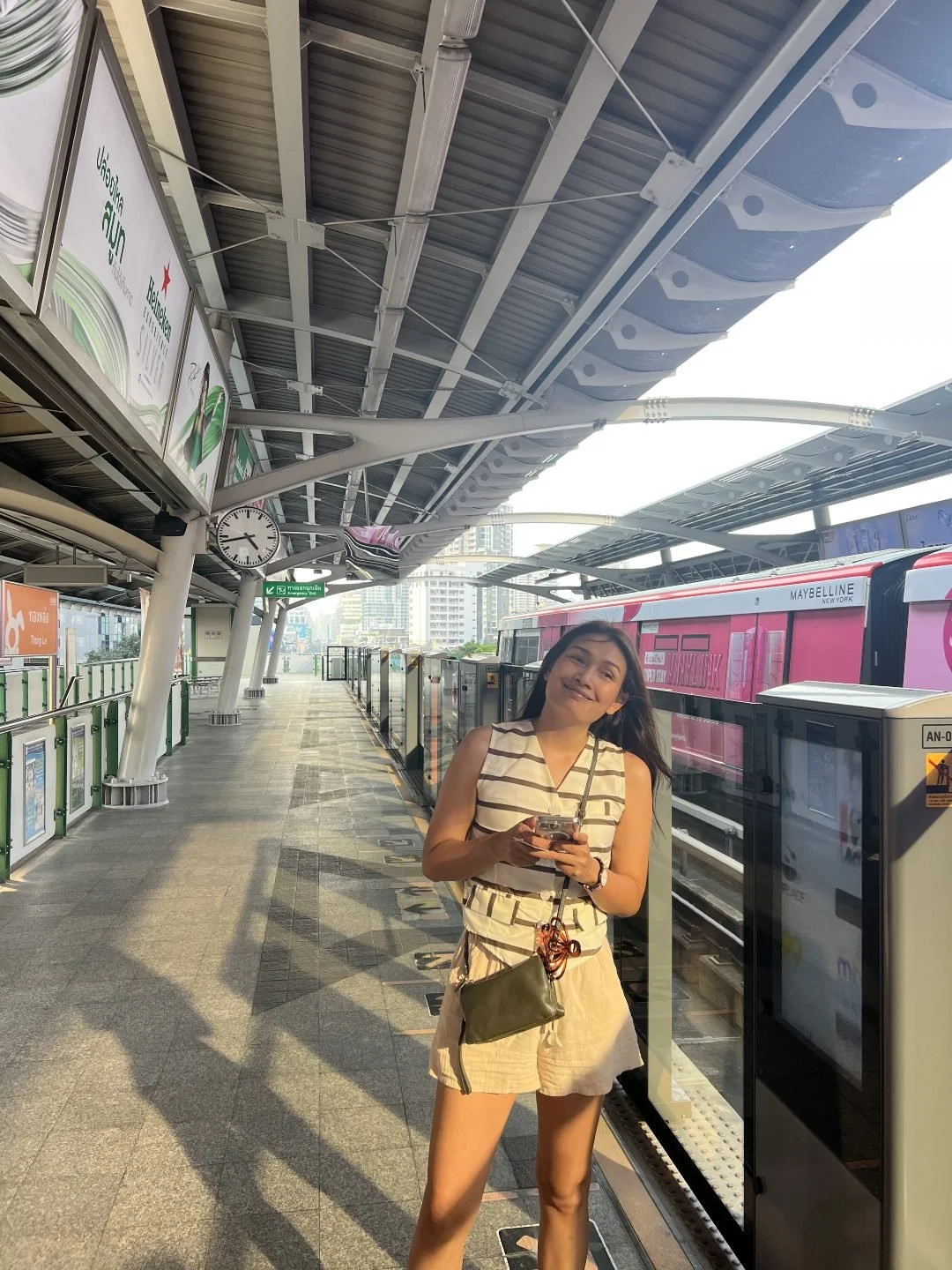
Riding the BTS
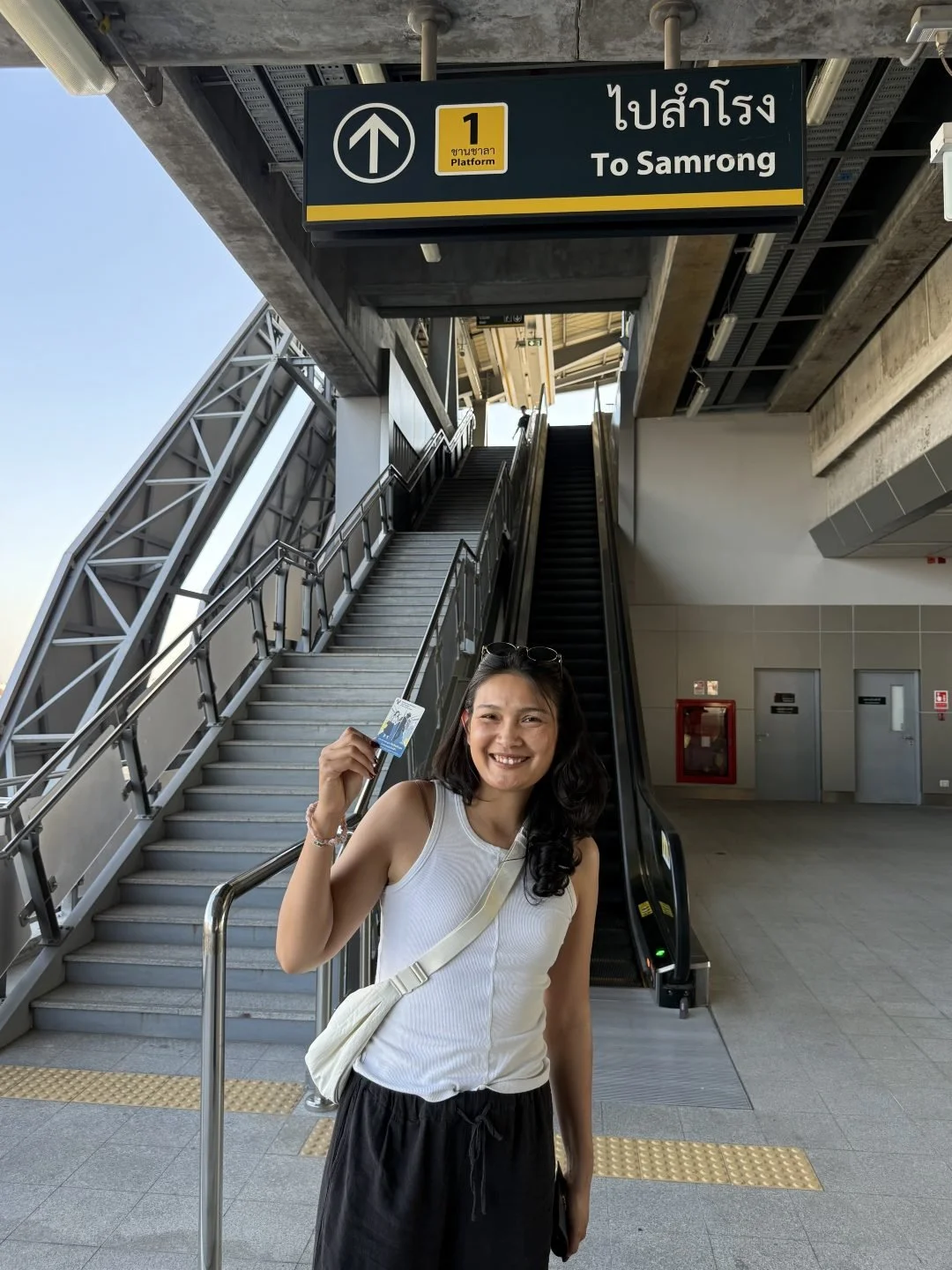
Bangkok’s ticketing system
Getting from Suvarnabhumi Airport to Downtown
Once you’ve landed at Suvarnabhumi Airport (BKK), getting to your hotel is the first priority. We normally just line up for a taxi ticket and wait around 10-20 minutes for one to become available. This is fairly stress-free and Kat always knows how to ensure the taxi driver isn’t ripping us off. Although, we have booked an Airport Transfer before and that was even easier - and pretty cool to see your name on a sign outside the gate. The other option is utilizing the Airport Rail Link and then linking up with the MRT or BTS to your hotel. Google Maps does a good job of setting out the steps for this.
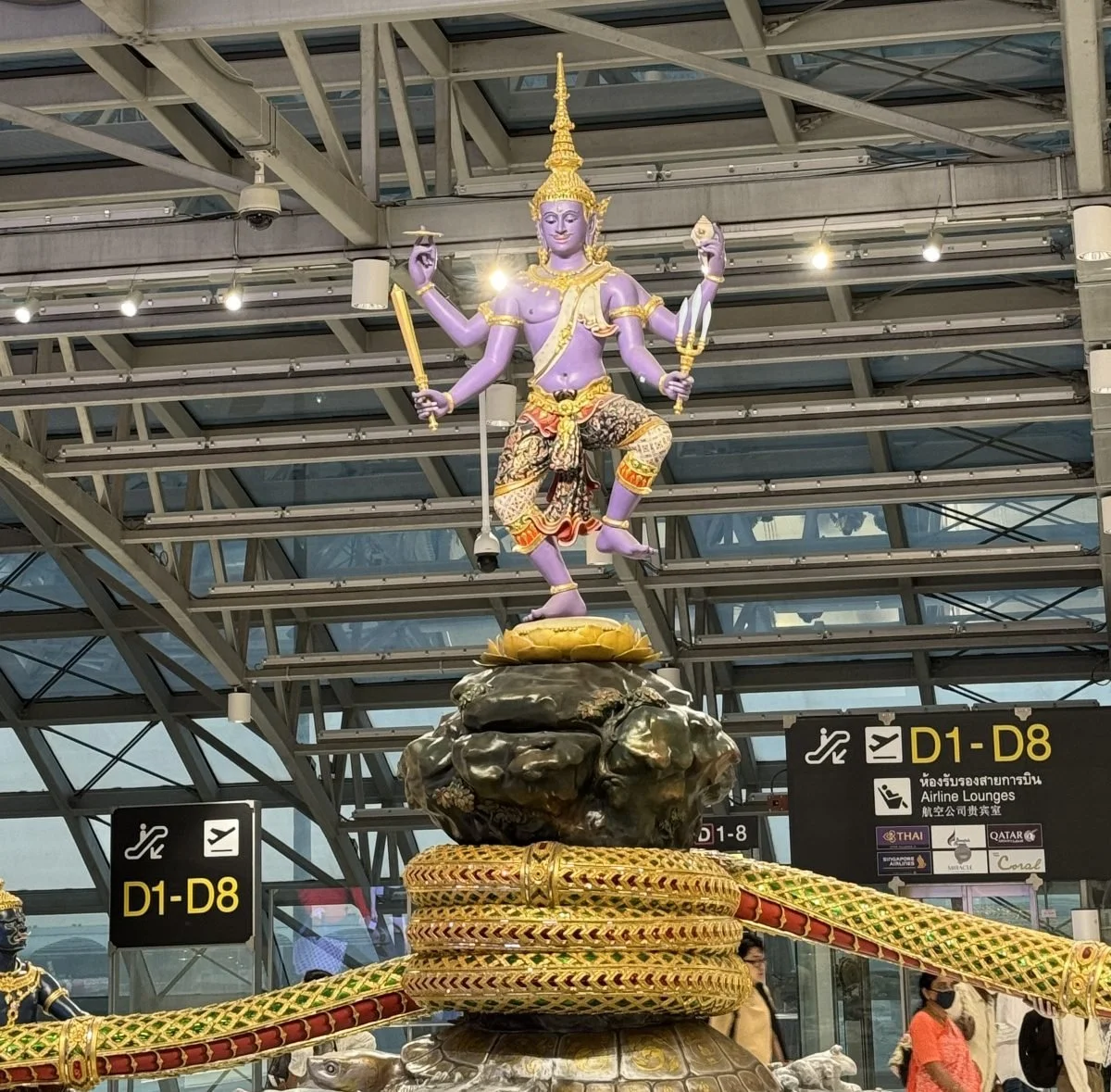
Suvarnabhumi Airport (BKK)
Where to Stay for Easy Access to Public Transport
The golden rule of Bangkok accommodation is to stay within walking distance to a MRT or BTS station. While Asok is the most convenient, due to its interchange, it has a seedy undertone (Soi Cowboy) that can ruin your stay a bit. That’s why we suggest staying in the Ari or Thonglor districts, both of which can be accessed on the BTS. For a budget stay consider The Yard Hostel not too far from Ari Station. Or for something a little more boutique, why not spoil yourself at Volve Hotel right by Thong Lo Station.
FAQs for Getting Around Bangkok
Is it safe to use public transport late at night?
Whether you’re traveling on the MRT, BTS or even the local buses - the public transport in Bangkok is very safe late at night. Most stations are brightly lit and well staffed (including security guards), and there’s usually locals eating out late in the vicinity which helps make you feel safe. One time we saw homeless people on the elevated walkways of the Pinklao area, when we were staying at Casa 17, but again it never felt dangerous.
Can I bring large luggage on the MRT or BTS?
You can definitely bring your suitcase or big backpack on the MRT and BTS, which is important to know when connecting with the Airport Rail Link. We’ve heard that occasionally the security guards check your bags but this has never happened to us. One thing we highly recommend is to avoid the trains at rush hour - it’s almost impossible to fit in with your luggage and you might have to wait for several trains to go by before there’s room. If you’re forced to, take a taxi or Grab to the airport instead (and leave early).
Should I rent a car or scooter/motorbike in Bangkok?
We’d advise against hiring a car or scooter/motorbike for Bangkok itself. Traffic, as discussed, is difficult and then there’s the question of parking which opens up a whole new can of worms. We’ve hired cars in Chiang Mai before, and it was easy to get around but we wouldn’t consider Bangkok viable to be honest. Luckily, you don’t need your own wheels to experience the best of Bangkok. You can navigate the city via public transport and some good old fashion walking.
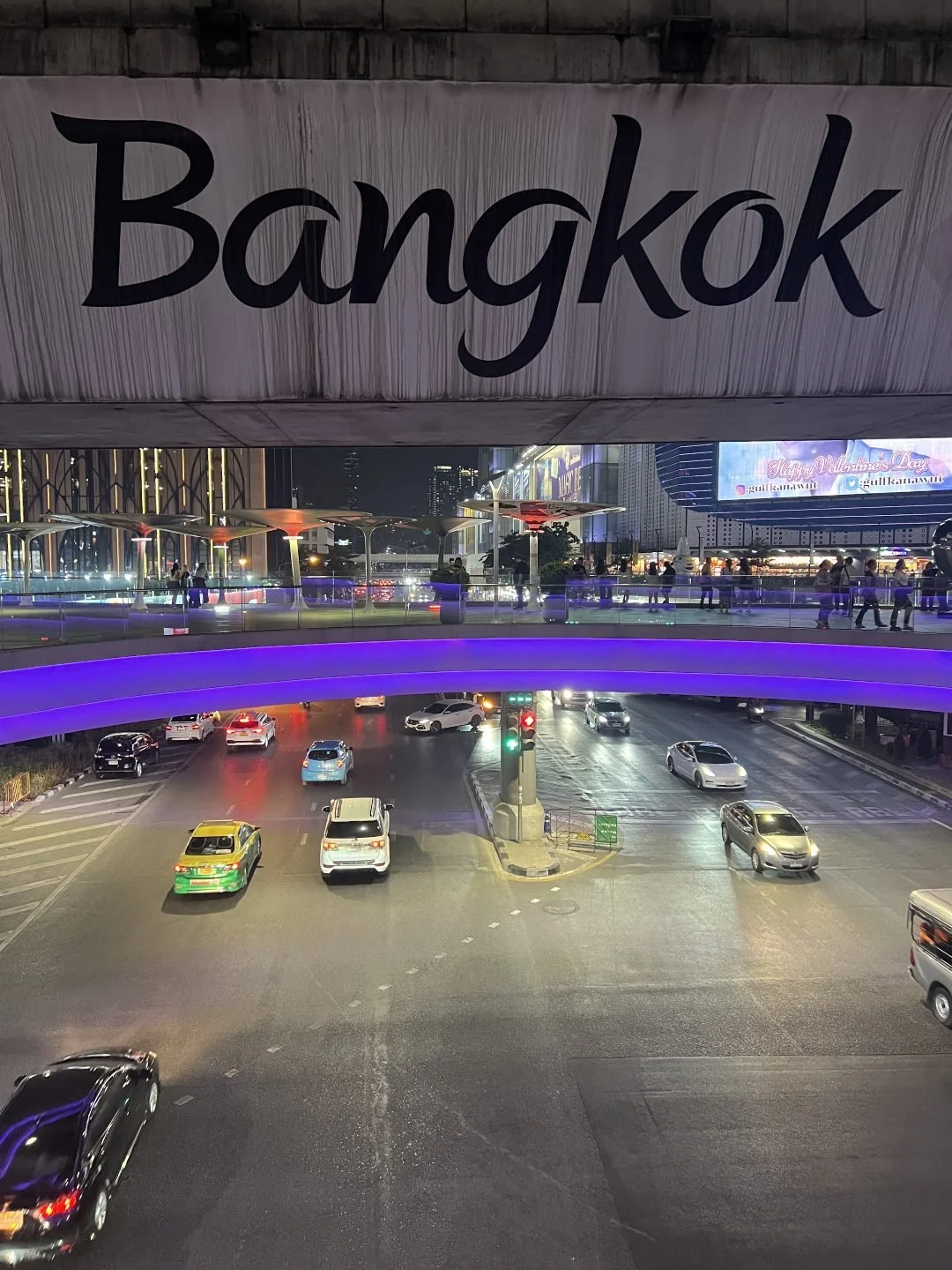
Bangkok late at night
