
How to Spend 3-5 Days in Bangkok: A First-Timers Guide
Coming up with a Bangkok itinerary can feel overwhelming for first-time visitors. The Thai capital is massive in scale and fast in pace with so many temples, neon-lit skyscrapers and bustling street food markets that it can make your head spin. But don’t let its size put you off. After visiting dozens of times over a decade, and falling in love with its infectious energy, we can confidently say that it’s one of Asia’s most captivating destinations.
Bangkok’s biggest strength lies in just how multidimensional it is. You can easily find a neighborhood and set of attractions that suits your travel style, without blowing a hole through your budget. To save you the stress, we’ve put together this ultimate Bangkok itinerary for 3-5 days which maps out everything you need to know. Below we share tips on where to stay, how to beat Bangkok’s traffic, and what to do day by day.
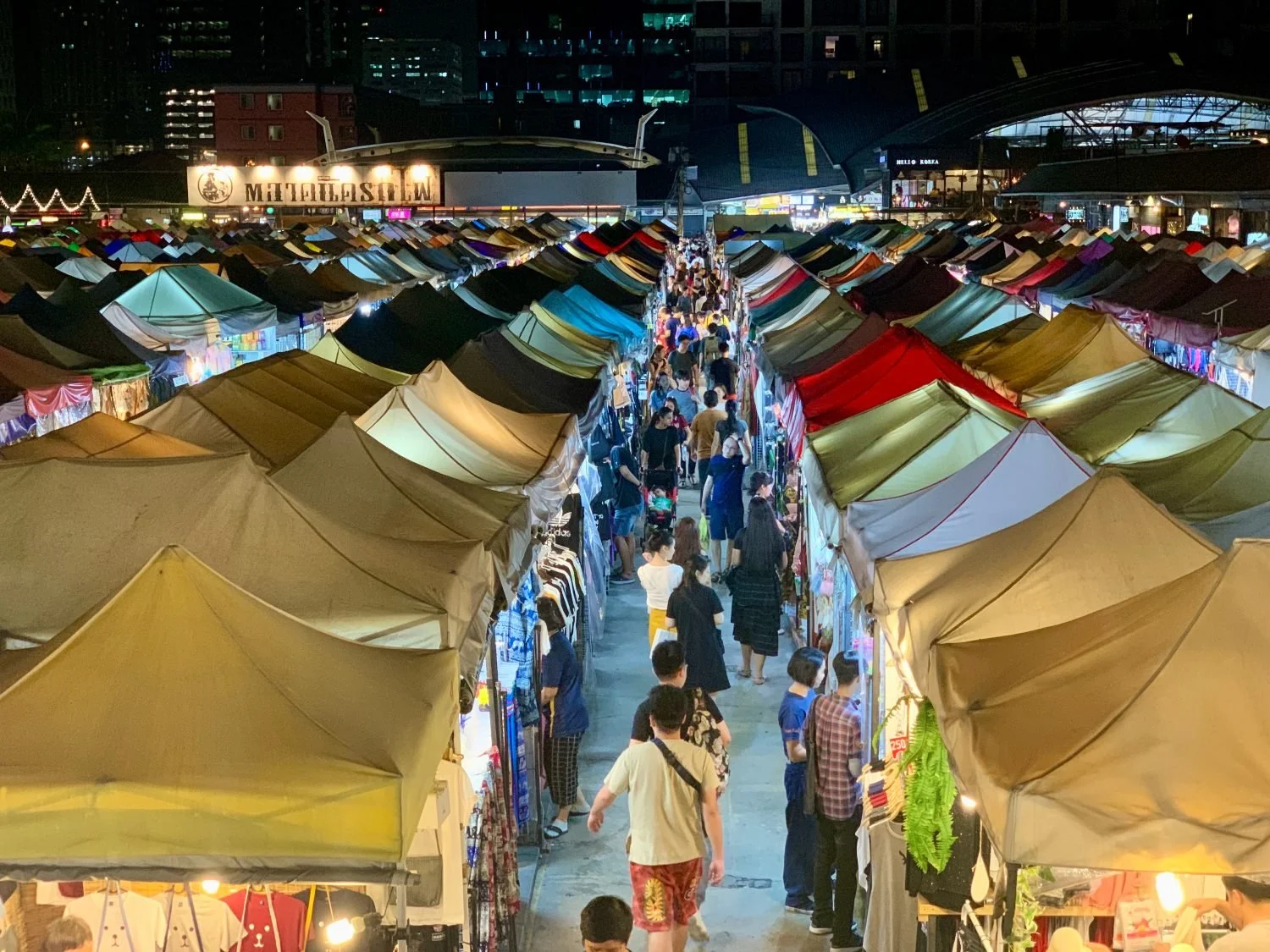
Ratchada Train Night Market
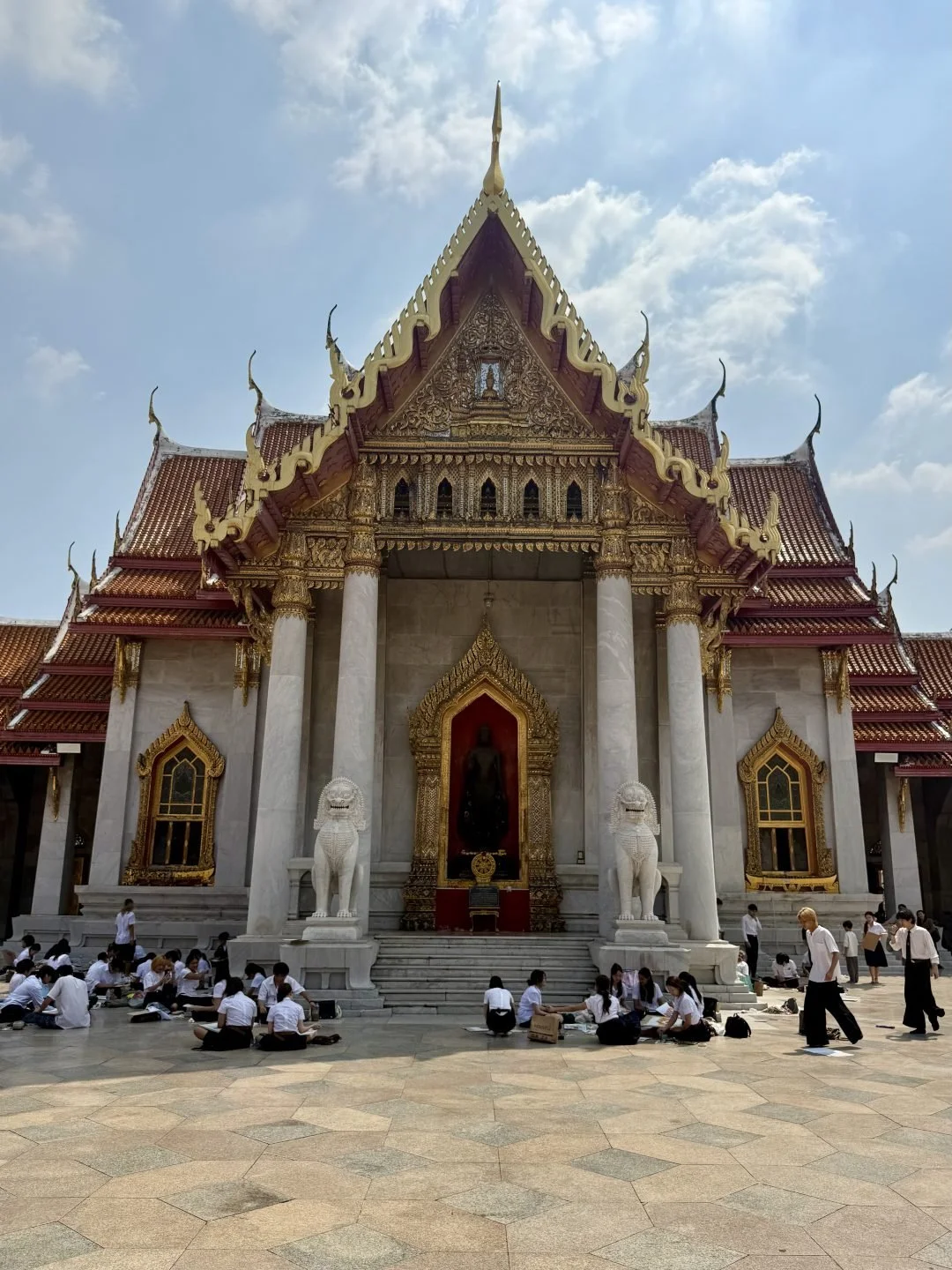
Marble Temple
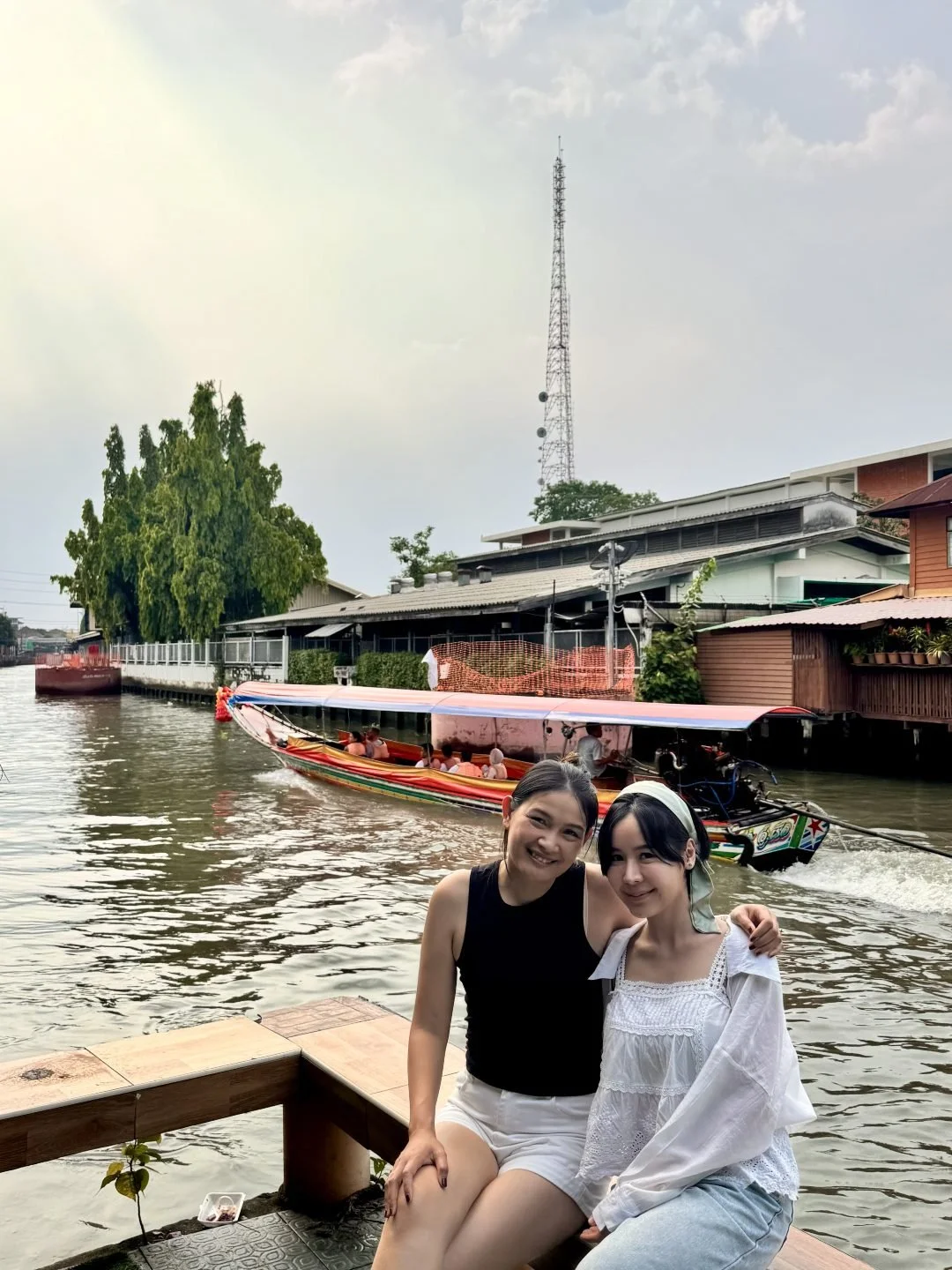
Kat with her friend by the river
How Many Days Do You Need in Bangkok?
We think 3 days is the minimum for Bangkok and by that we mean full days, not including any time lost to airport transfers or jetlag recovery. We often arrive in the afternoon and spend our first few hours getting dinner, and perhaps a massage, before heading to bed. New Zealand (where we live) is 5-6 hours ahead of Thailand, so we always need a day to acclimatize.
To be honest though, even 3 full days isn’t enough to experience Bangkok properly. Most of the top sights are spread out, and the traffic jams and unrelenting heat can slow you down and make you exhausted. That’s why, ideally, you’ll want 4-5 days in Bangkok. It’s also worth timing your visit over a weekend in order to explore the Chatuchak Weekend Market and enjoy the rooftop bars at their most lively. Here’s a breakdown of what your Bangkok trip could look like depending on the length you choose:
1-2 Days (The Layover/Short Stay): Best for catching the major highlights in the Old Town such as the Grand Palace, Wat Pho and Wat Arun. You could also watch Muay Thai fights at Rajadamnern Stadium, also located in the Old Town, and then head down Khao San Road for some street food and to soak up the nightlife.
3 Days (The Classic Introduction): The perfect amount of time to get a little sample of Bangkok’s diversity. You can see all the attractions of the Old Town, book a special night out at one of the rooftop bars, dedicate a day to shopping (both markets and malls), and take a canal boat tour to hidden gems like Wat Paknam.
4-5 Days (The Deep Dive): This gives you enough breathing room to take day trips out of the city (like to Ayutthaya or The Ancient City), get lost in more local neighborhoods like Ari, Talat Noi and Thonglor and maybe relax a bit in the city’s green spaces including Lumphini Park, Benjakitti Park or Chatuchak/Wachirabenchathat Park.
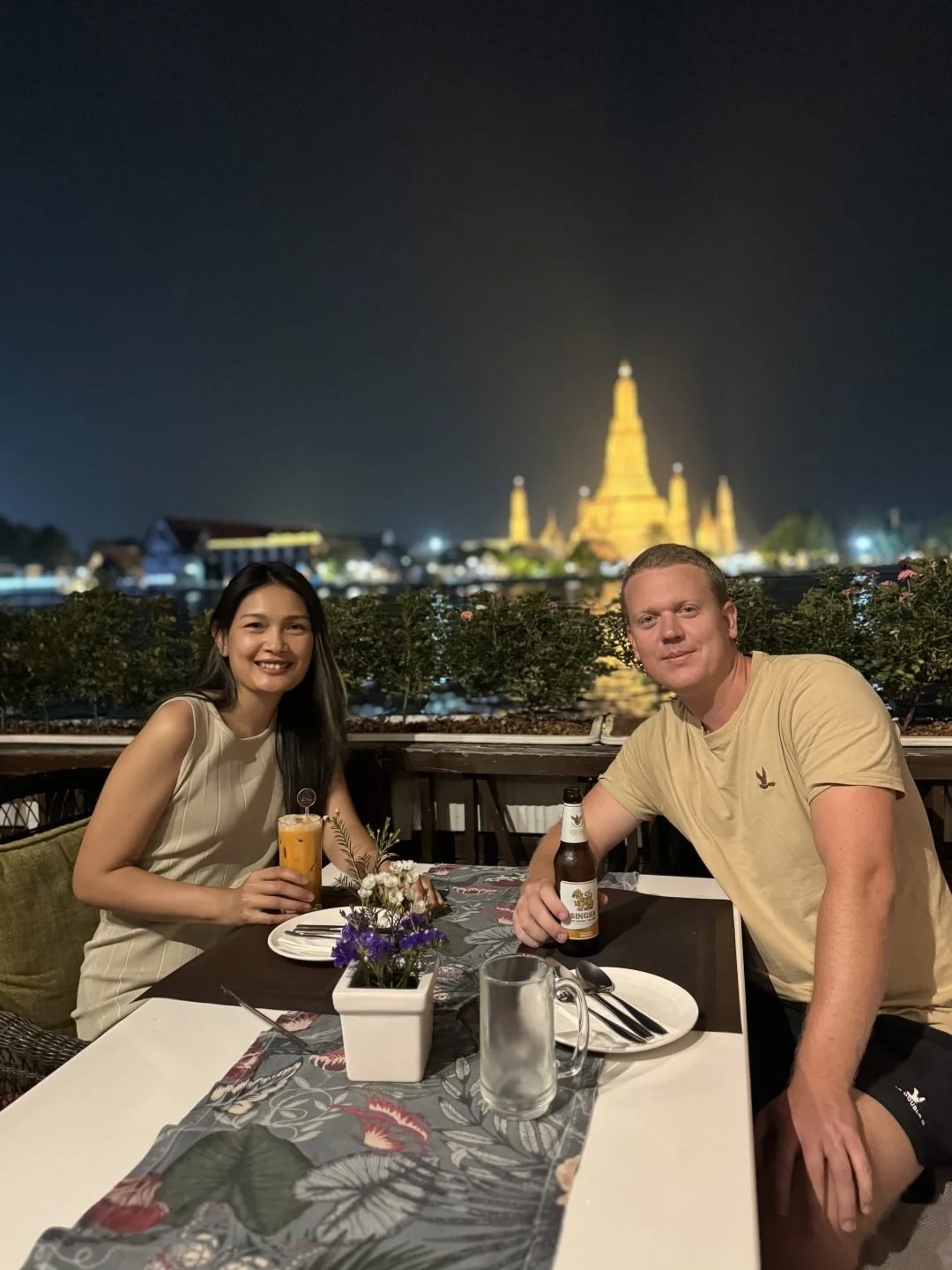
Wat Arun at night
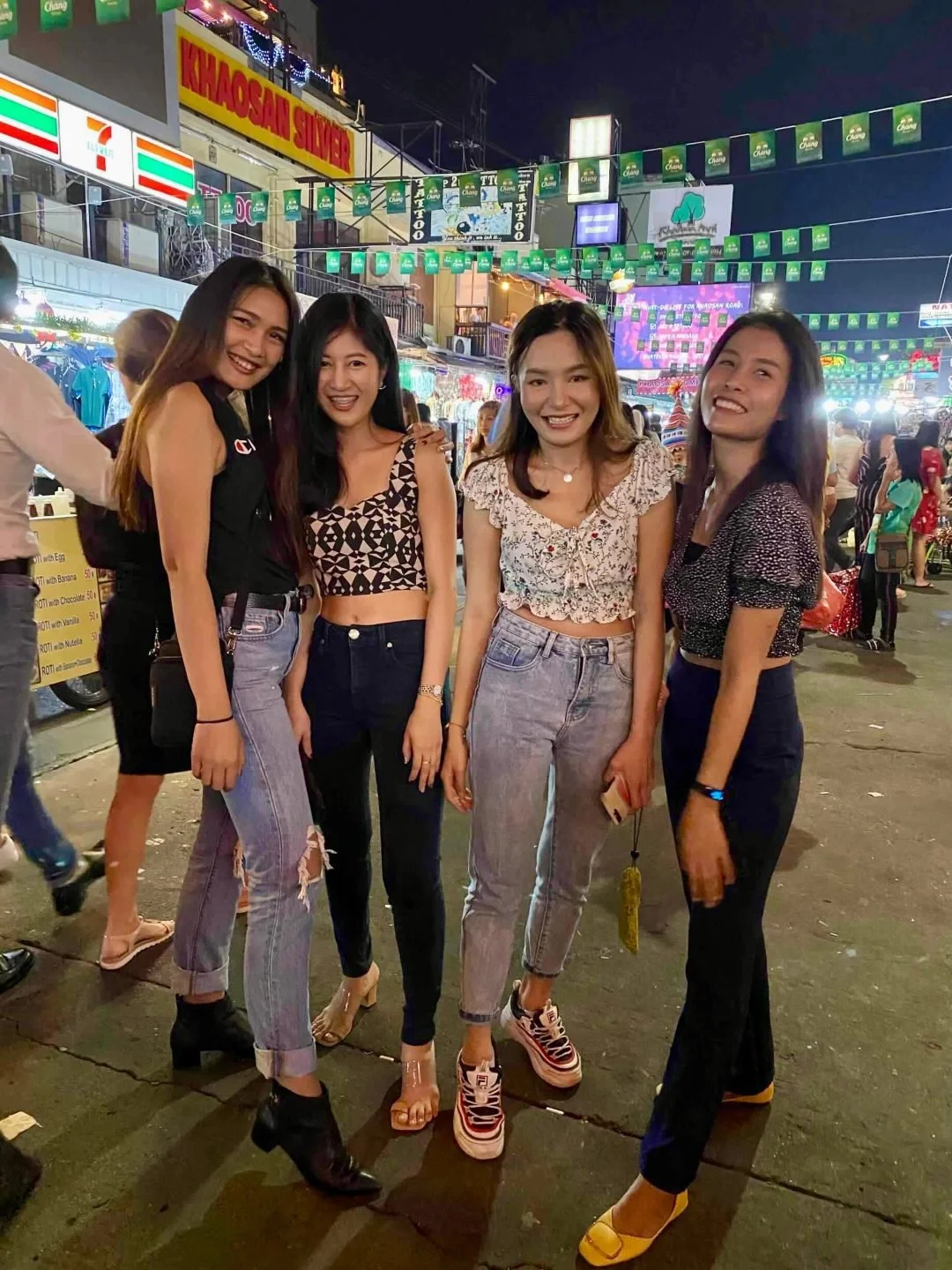
Kat with her friends down Khao San Road
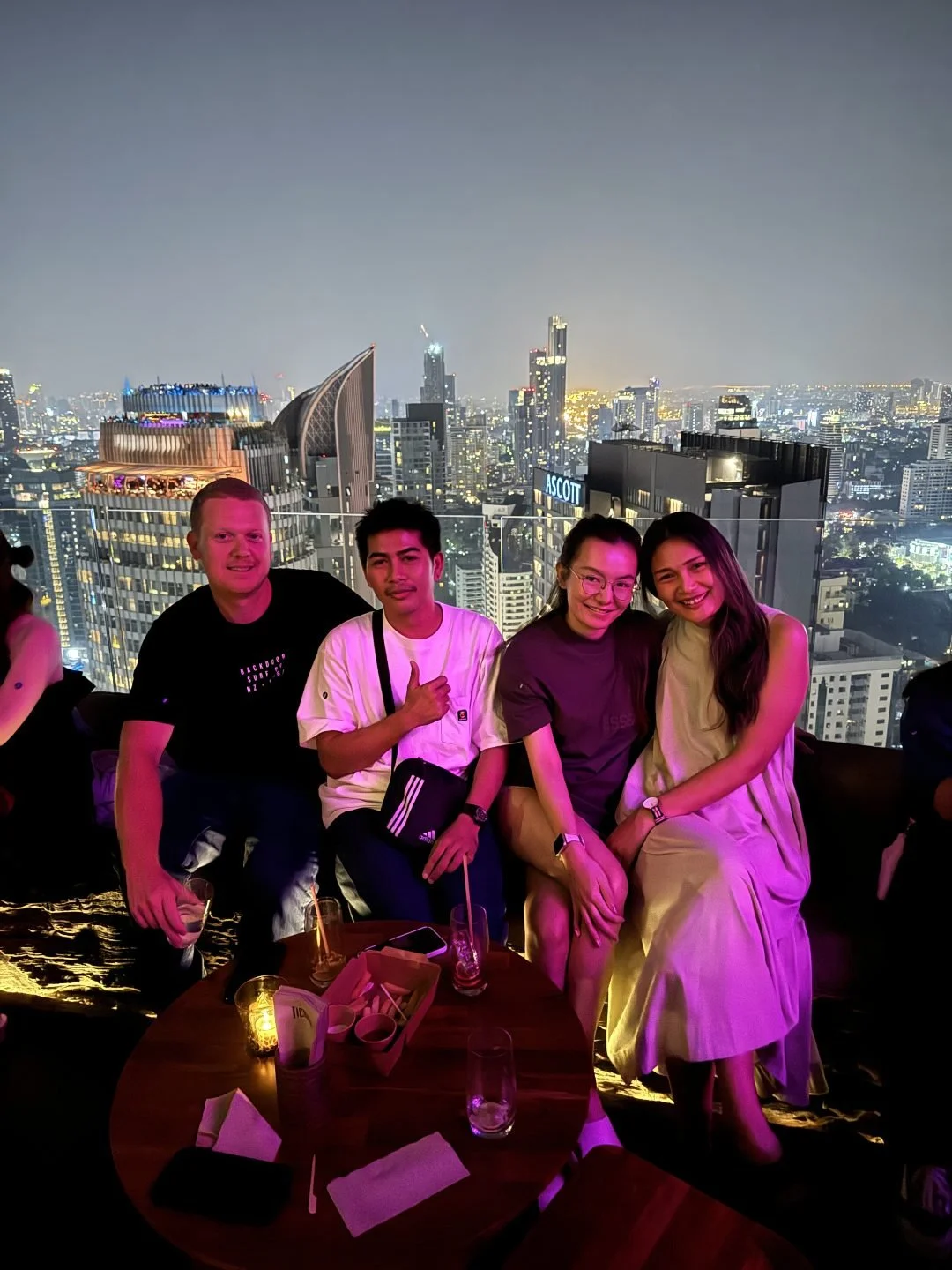
Tichuca Rooftop Bar in Thonglor
Where to Stay in Bangkok for Your First Visit
The golden rule of Bangkok accommodation is to ensure you’re always within walking distance of a BTS Skytrain, MRT Subway station or one of the main Chao Phraya Express Boat piers. If your favorite hotel is only accessible by taxi, you’ll likely waste hours in traffic - something that will really frustrate you, especially if you’re short on time. This can lead to things like missed dinner reservations and arriving late at temples (and being stuck with the crowds). Some of the best neighborhoods include:
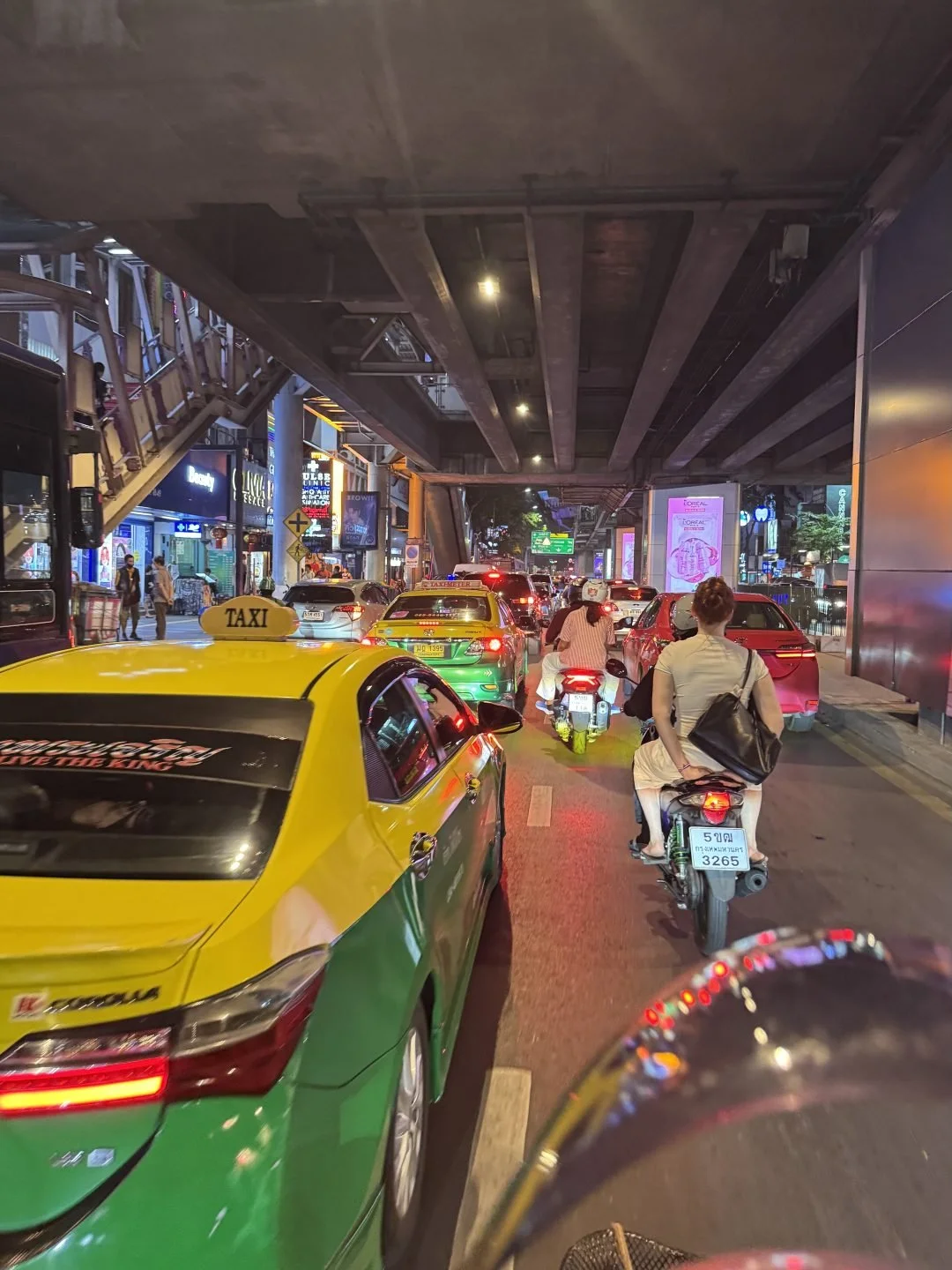
Bangkok traffic
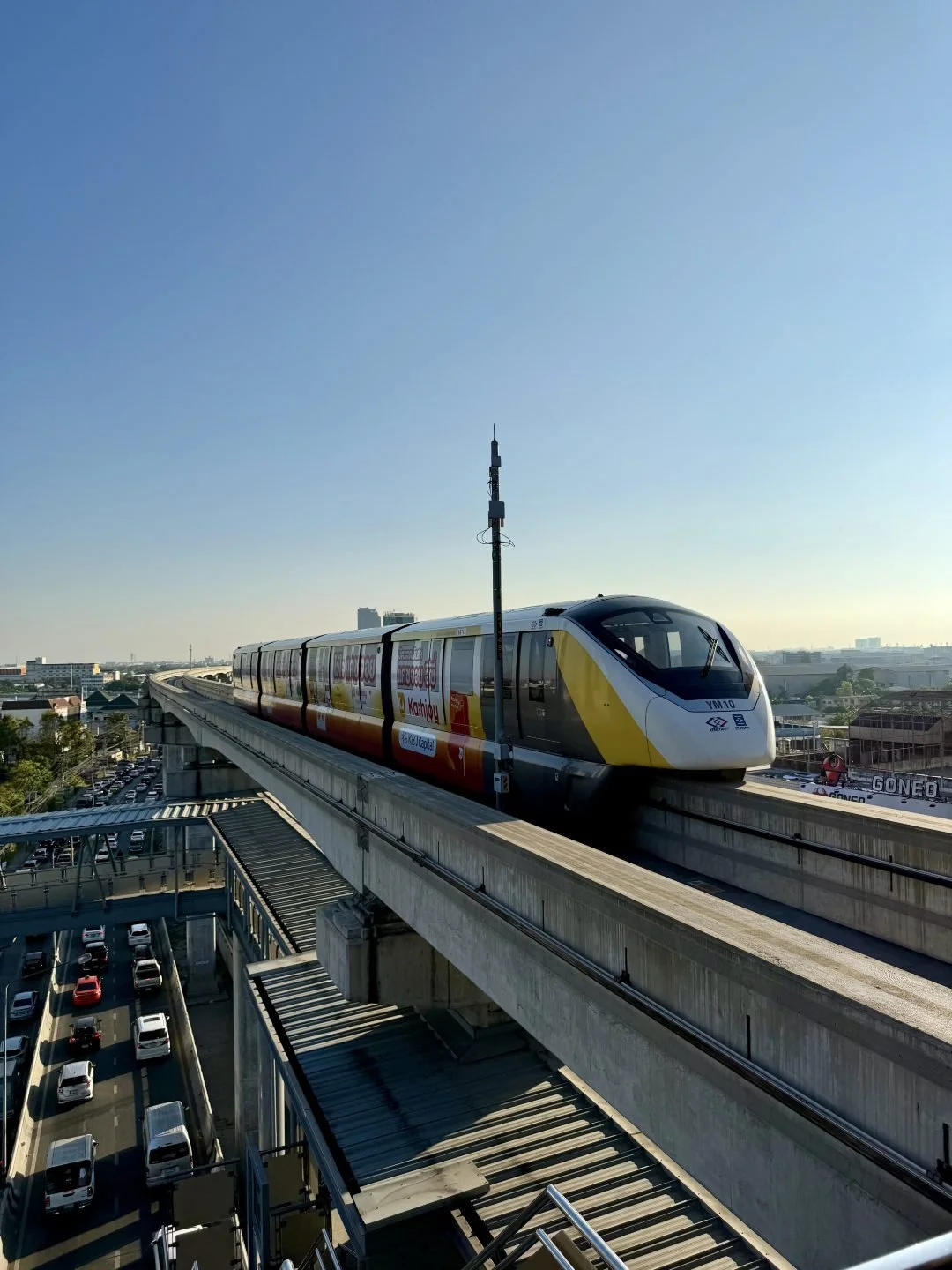
BTS Skytrain
Old Town: Best for Backpackers & History Buffs
The Old Town, otherwise known as Rattanakosin, offers a mix of old shophouses and enchanting alleys - just a short walk to the Grand Palace and Wat Pho. It’s home to Khao San Road which has been the classic backpacker hub of Asia for decades, featuring in The Beach film with Leo DiCaprio. We don’t recommend staying directly down this street but the surrounding “sois” are a great option, such as Soi Rambuttri. The main transport hubs are Sanam Chai Station (MRT) and Phra Arthit Pier (boat).
Budget: Once Again Hostel
Mid-Range: Casa Vimaya Riverside
Luxury: Sala Rattanakosin
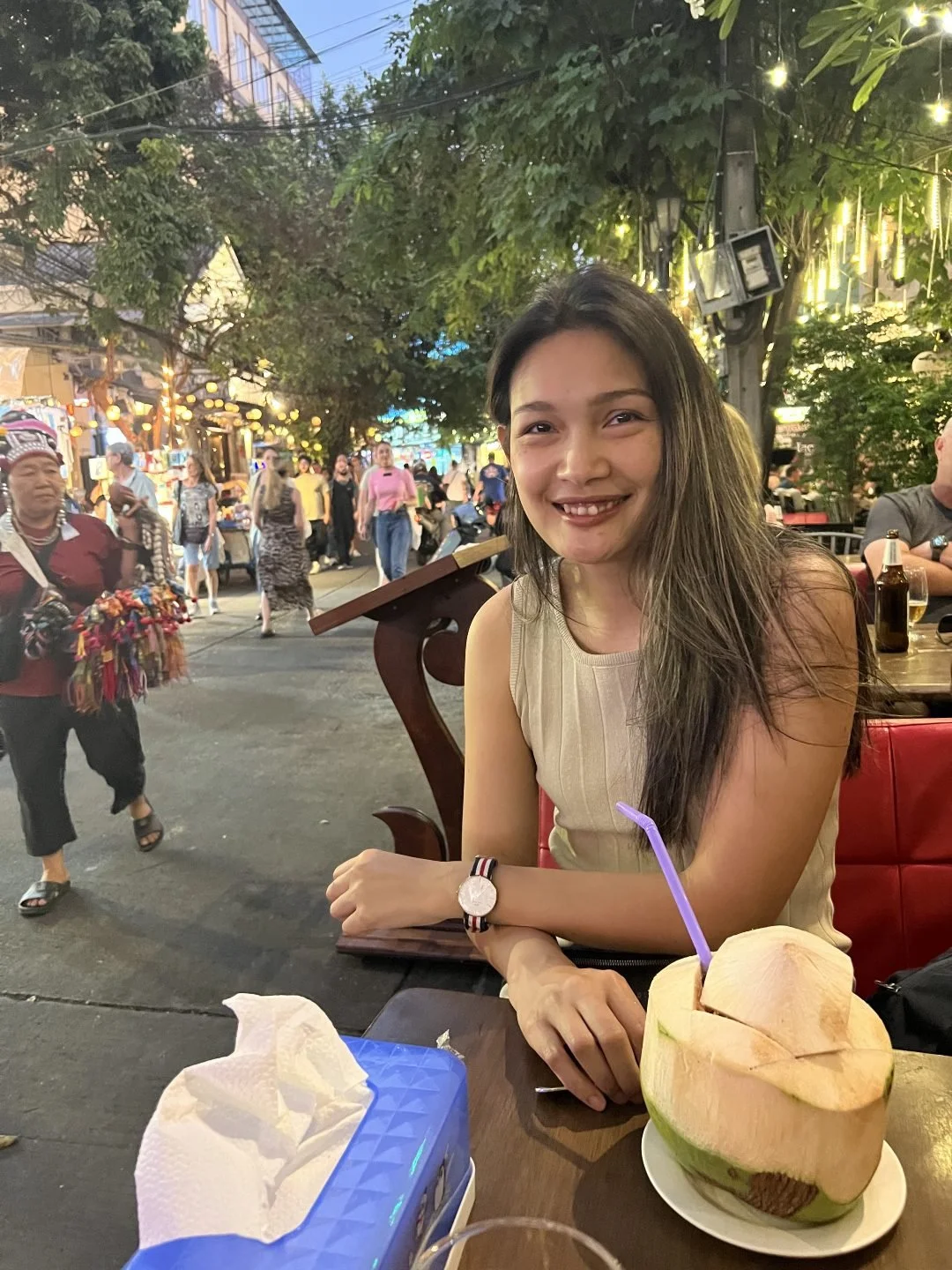
Soi Rambuttri
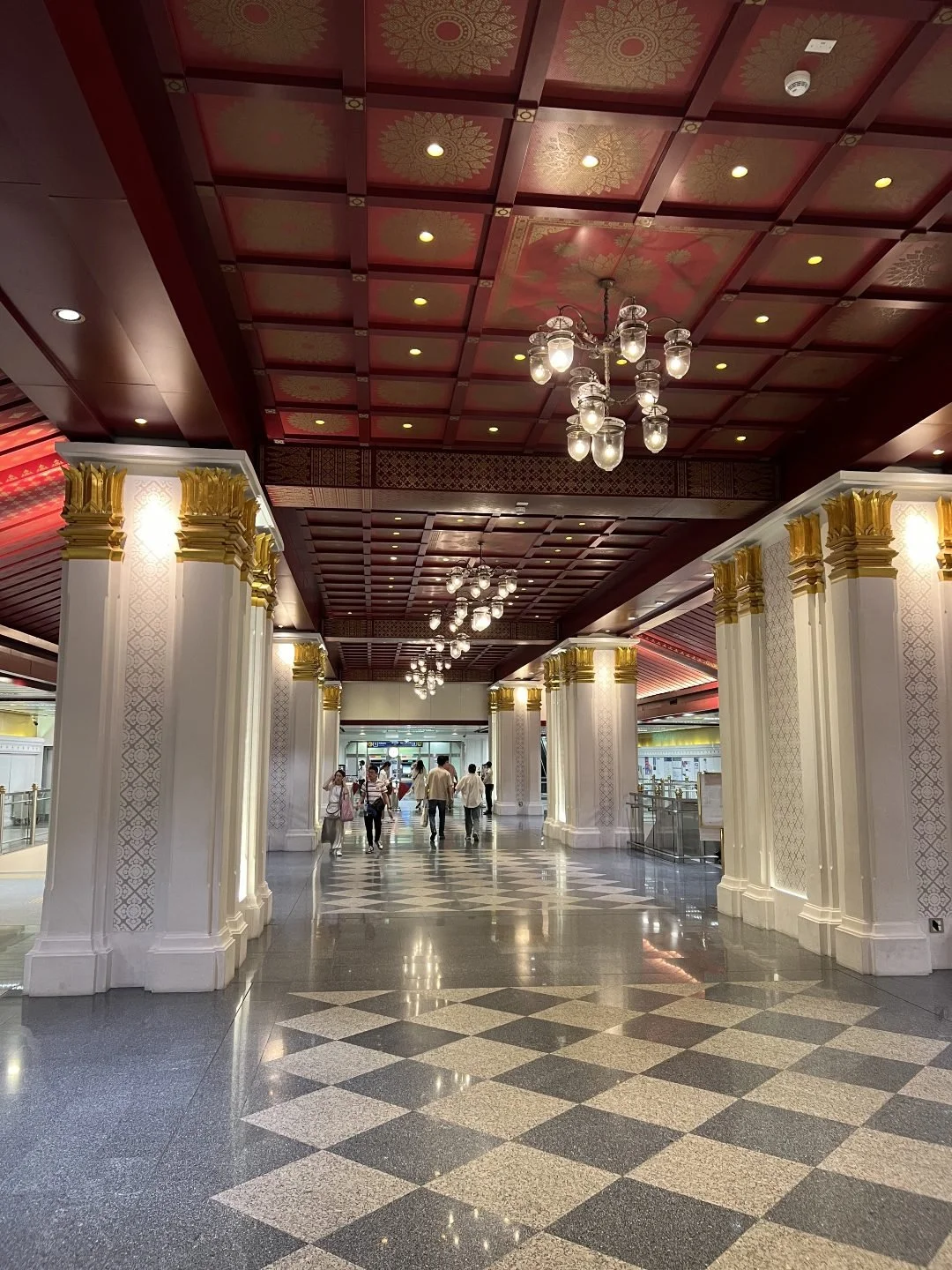
Sanam Chai Station
Siam & Pratunam: Best for Families & Shopping
Siam and Pratunam are two neighboring districts in the heart of Bangkok boasting huge shopping malls, fashion markets and easy to navigate skywalks. There’s MBK, Siam Paragon, CentralWorld and a few other retail giants close together. This is a superb place for families, “shopaholics” or anyone really who wants to experience a modern side of the city. The transport is super convenient with a couple of key transit hubs right on your doorstep, including Siam Station (BTS) and Ratchathewi Station (BTS).
Budget: Siam Eco Hostel
Mid-Range: Novotel on Siam Square
Luxury: Siam Kempinski Hotel
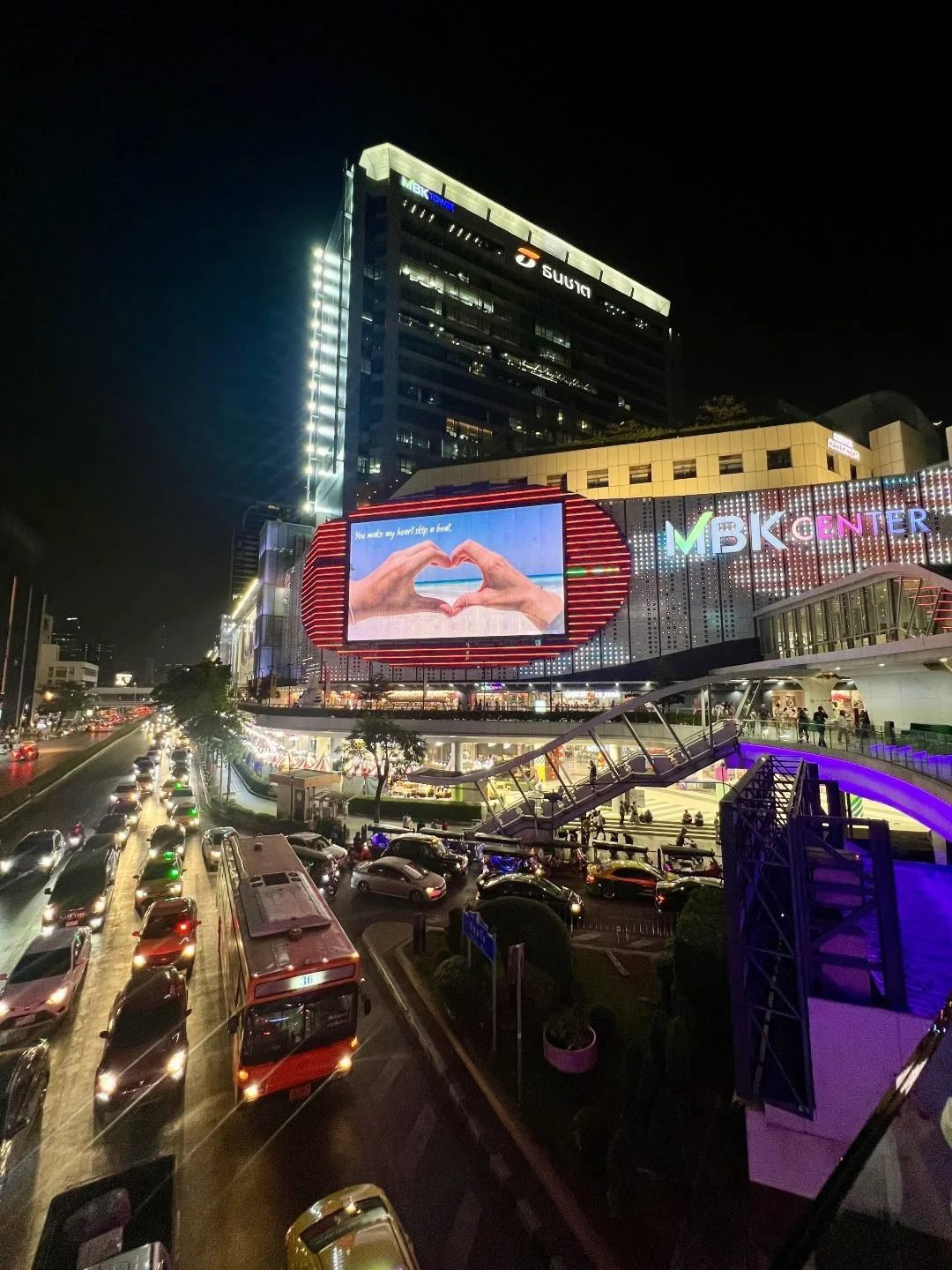
MBK Center
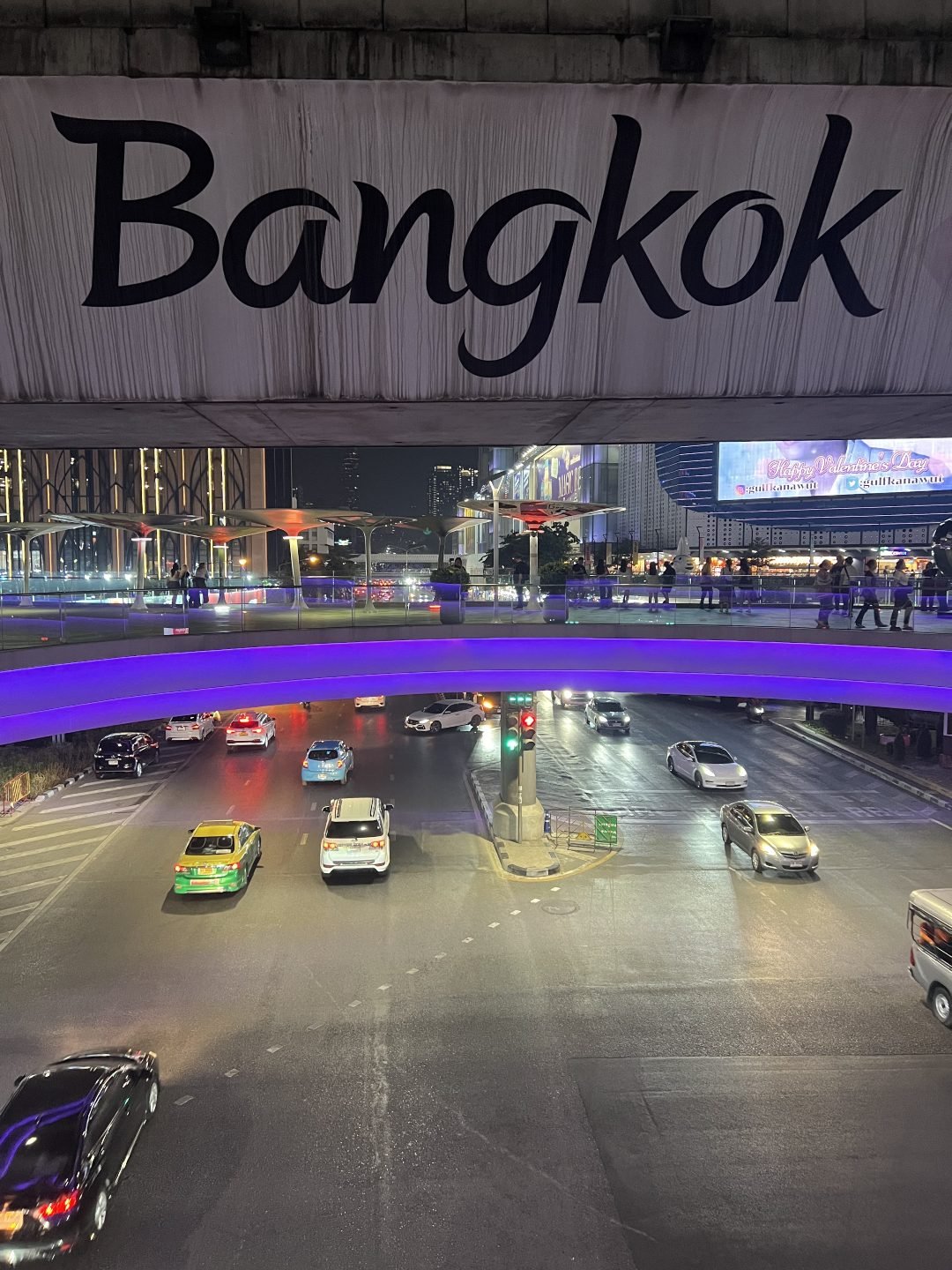
Famous Bangkok sign in Siam
Charoenkrung: Best for Couples & River Views
At one end of Charoenkrung stands Lebua and at the other Asiatique. In between these two icons lies a world of luxury skyscrapers and old-world maritime charm that you can explore. Charoenkrung is perfect for couples, luxury travelers and return visitors who are looking for something different from Khao San Road. Since you’re right on the river, you can utilize Sathorn Pier for boat trips or Saphan Taksin Station for BTS rides above the traffic.
Budget: Unplugged at Bangrak
Mid-Range: Hotel Once
Luxury: Mandarin Oriental
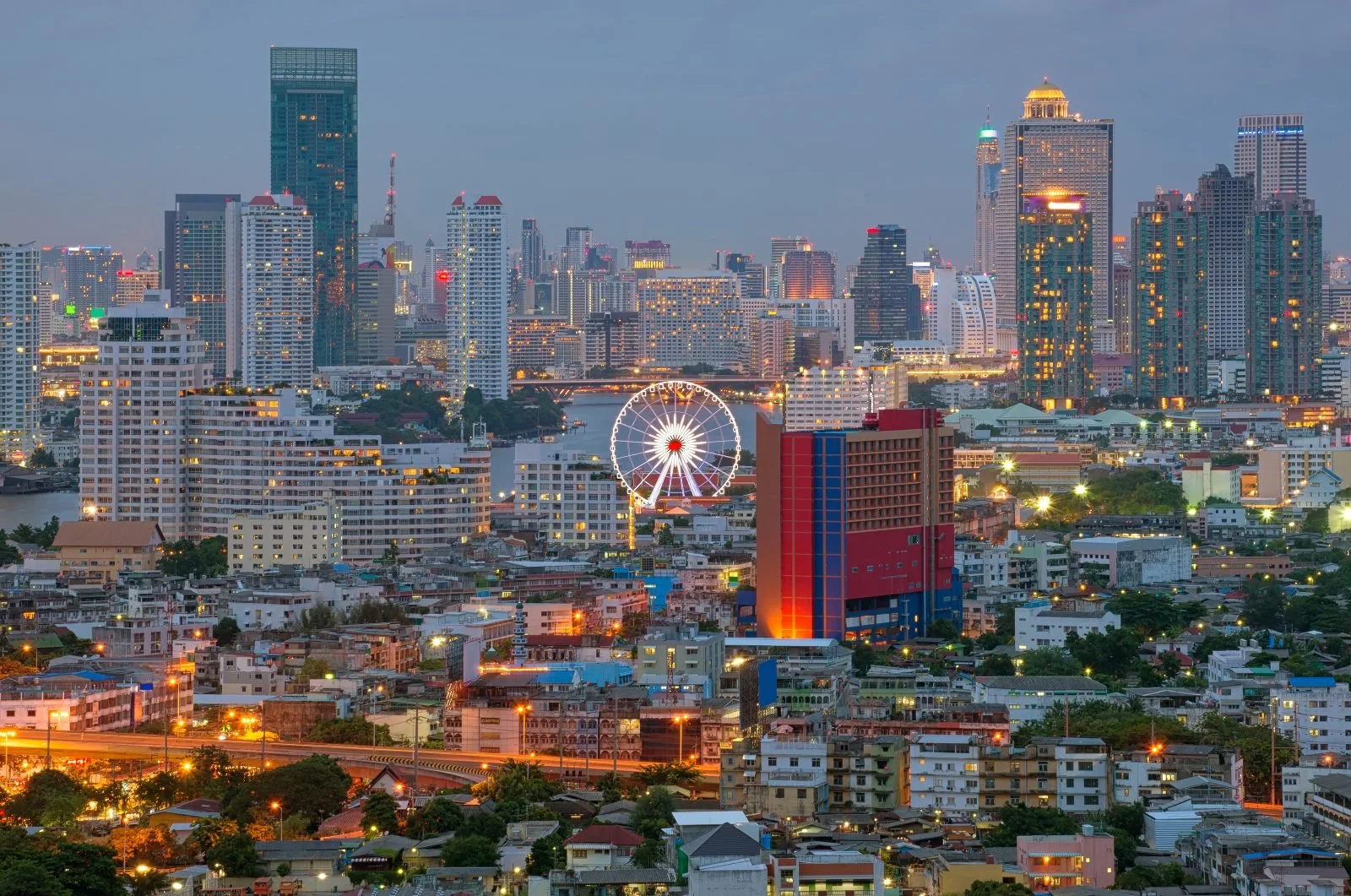
The Asiatique ferris wheel
Sukhumvit & Asoke: Best for Nightlife & Dining
We’ve stayed in the Sukhumvit/Asoke area a few times now, and it really makes life easy with the BTS and MRT. Sukhumvit Road is the main arterial highway running through Bangkok, with Asok Station (BTS) and Sukhumvit Station (MRT) acting as a transit junction. Sukhumvit/Asoke offers everything from international restaurants to rooftop bars to shopping malls (like Terminal 21). Definitely stay here if you’re a foodie, nightlife lover, or just appreciate having public transport at your fingertips.
Budget: Revolution Hostel Asoke
Mid-Range: Gardina Asoke Hotel
Luxury: Sheraton Grande Sukhumvit
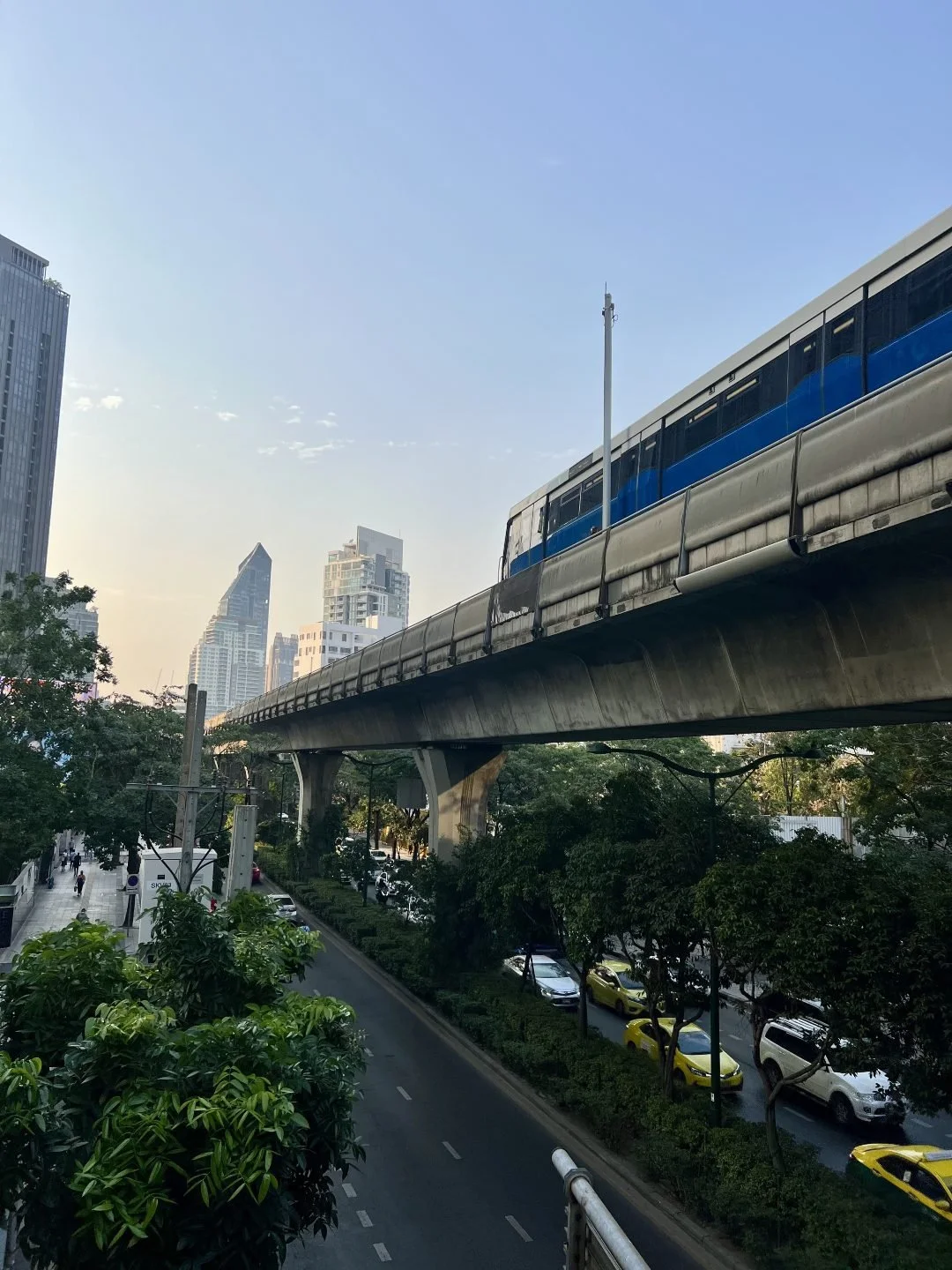
Sukhumvit Road
How to Get Around Bangkok
BTS Skytrain & MRT Subway
The BTS Skytrain that takes you above the streets and the MRT Subway that takes you below are run by different entities, so they don’t share the same ticketing system. For the BTS, you can buy single tickets at the station touch screens, but we recommend purchasing a Rabbit Card which allows you to pre-load credit and tap on and off as you go. For the MRT Subway, you don’t need to buy tickets or a transit card, you can simply tap your physical contactless credit or debit card (Visa or Mastercard).
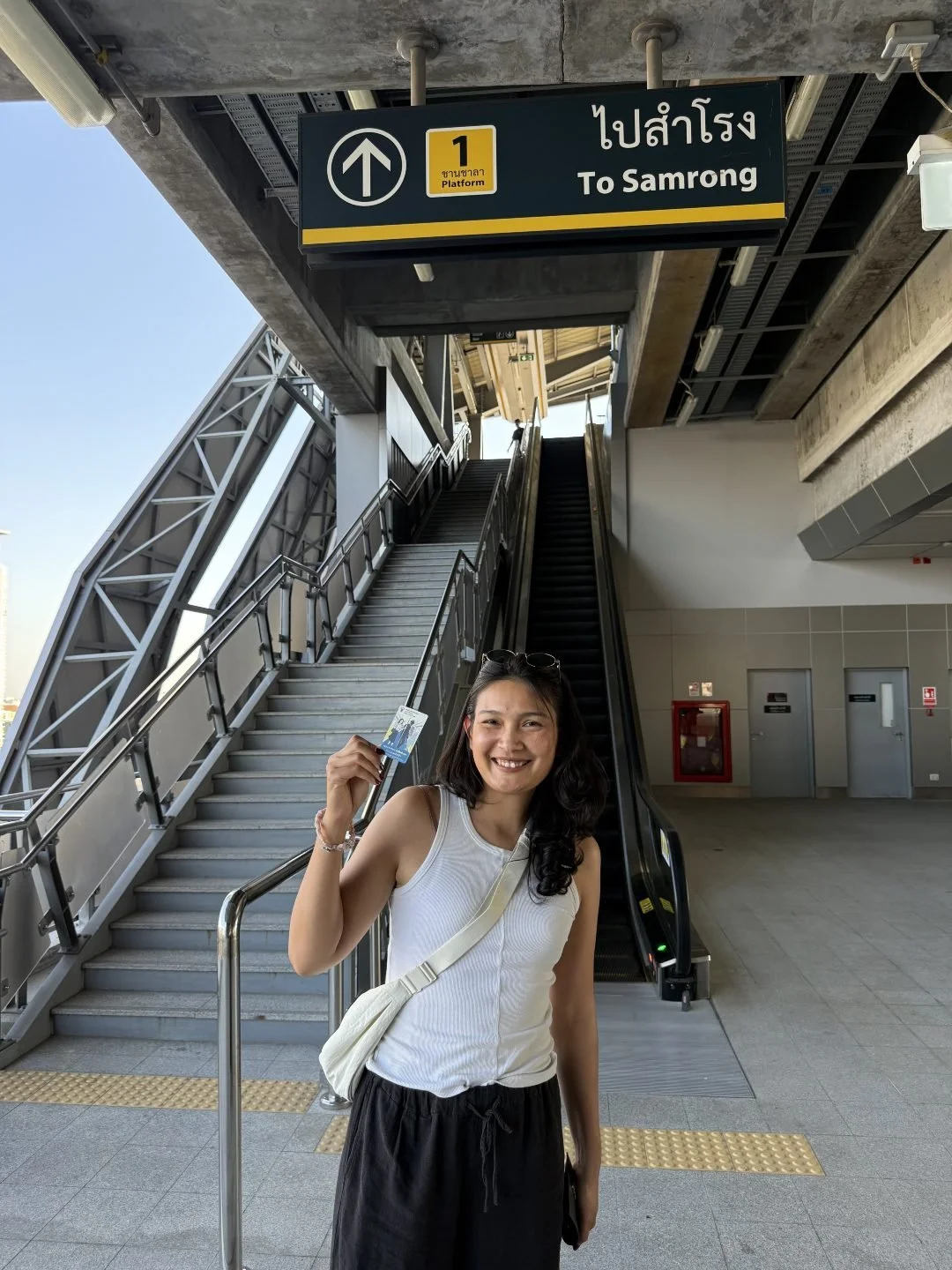
BTS
BTS
Grab Taxis & Motorbikes
Downloading Grab is a must for Bangkok. You can use it for short routes that aren’t accommodated by the trains, and for food delivery if you want a night in. Grab works like Uber where the price is fixed and transparent, avoiding the need to barter with taxi drivers about turning the meter on.
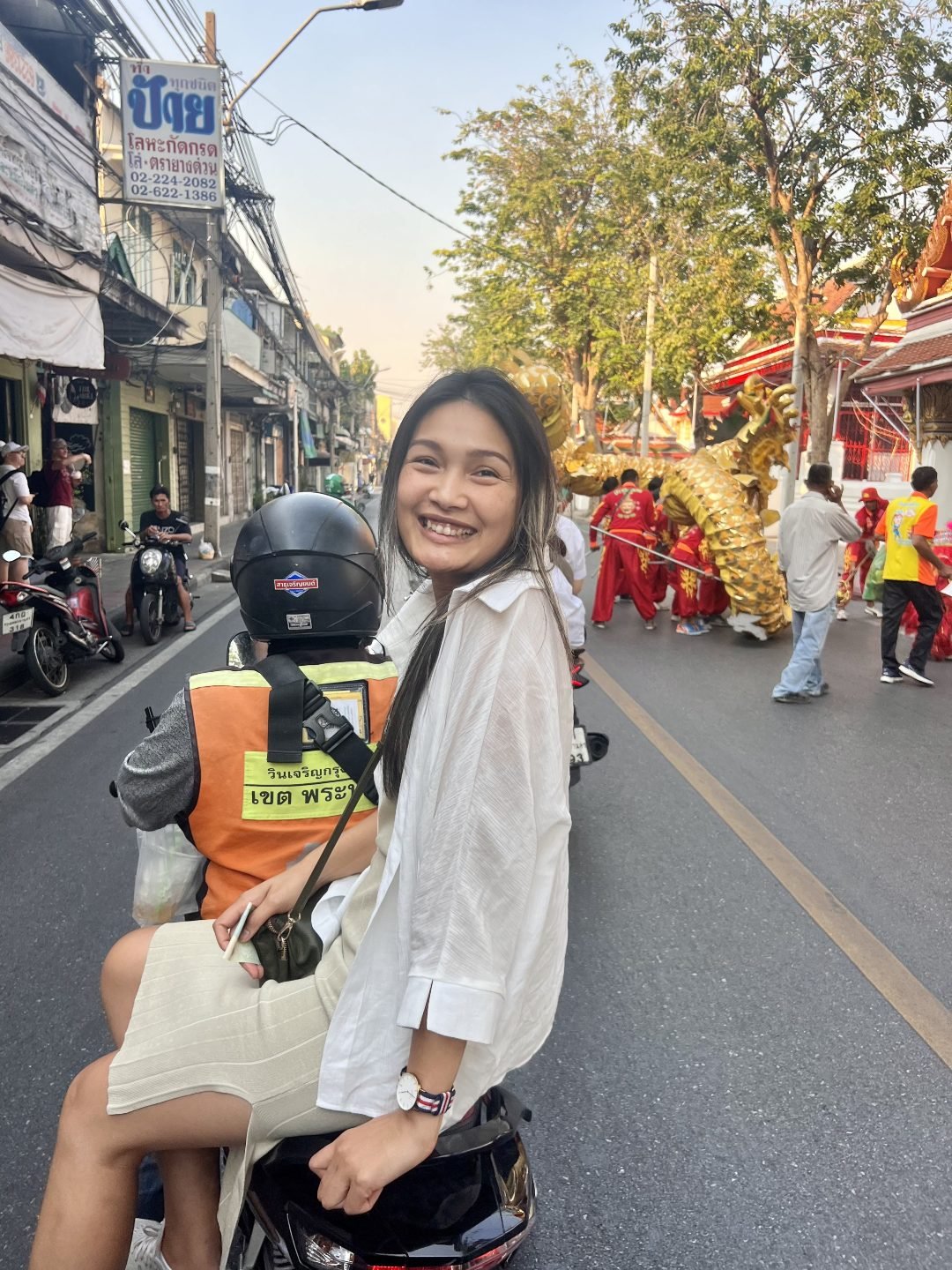
Grab motorbike
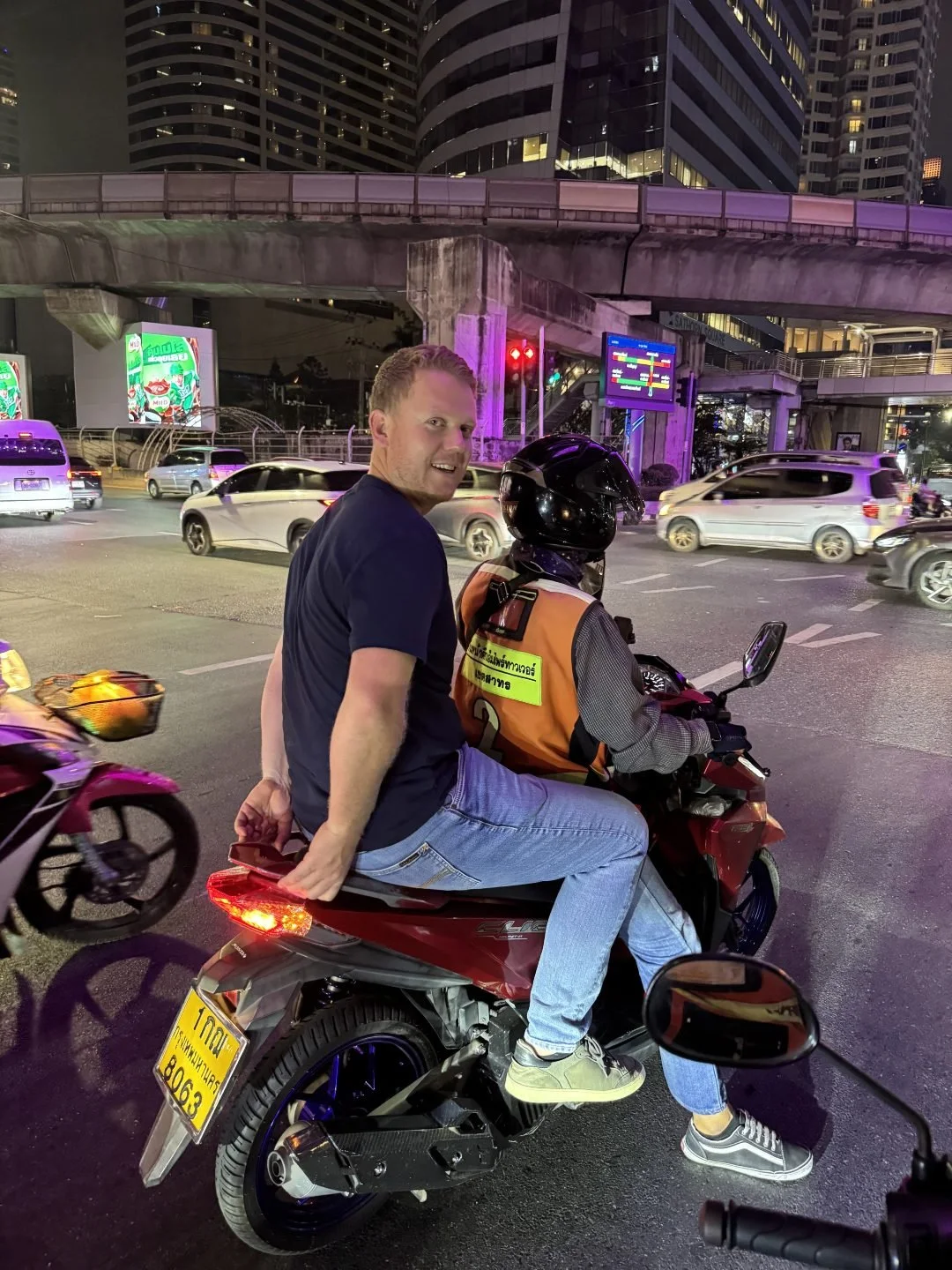
Grab motorbike
Chao Phraya River Boats
At times, jumping in a boat across the Chao Phraya River makes total sense. It connects the temples of the Old Town, the malls of Thonburi and the transit hubs of Charoenkrung, allowing you to avoid traffic. Sathorn Pier is one of the major hubs where you can take the Orange commuter boat or the Blue tourist boat to various different piers, or the boat shuttles to ICONSIAM and Asiatique.
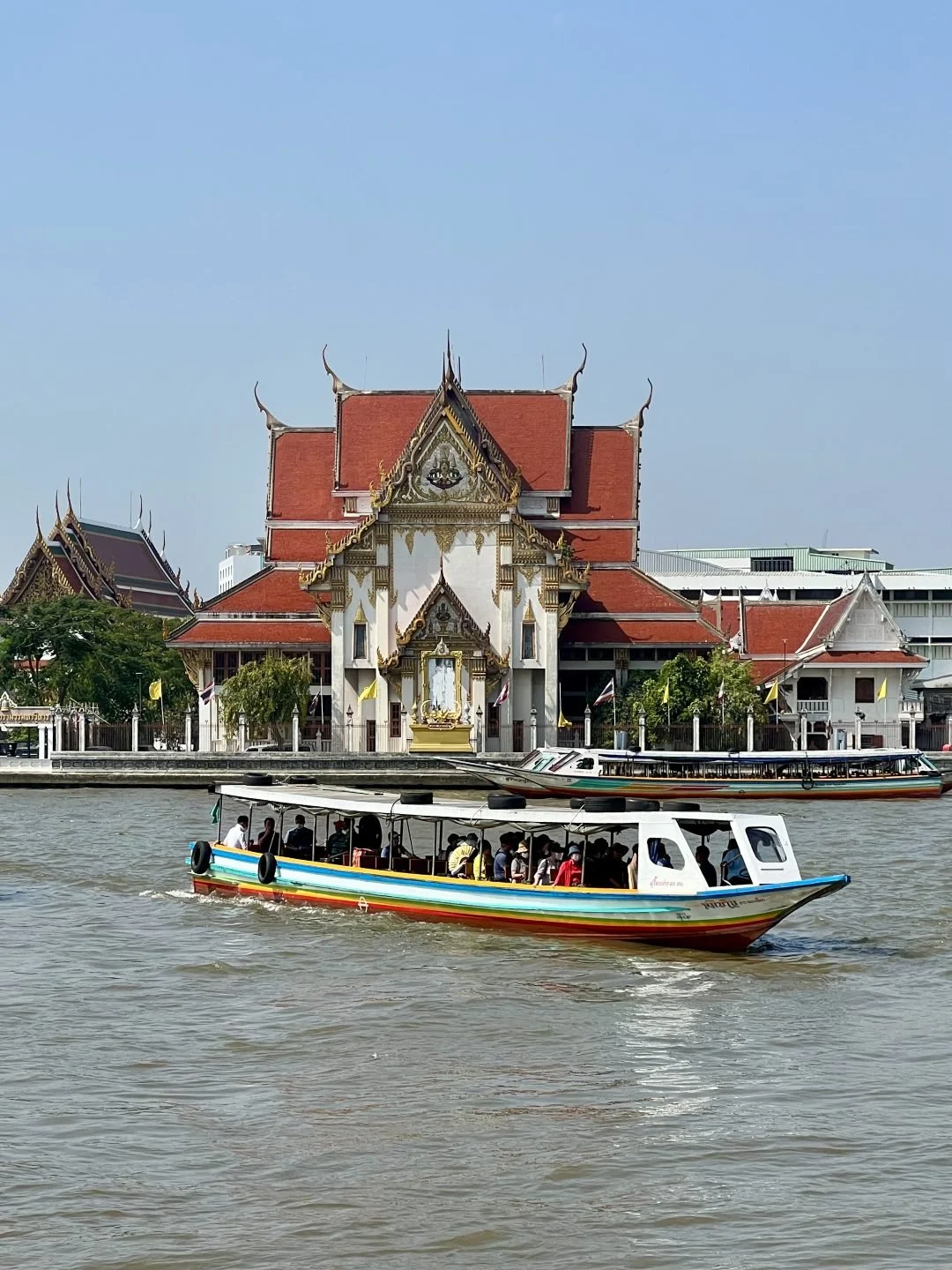
River express boats
Your 3-Day Bangkok Itinerary
Day 1: Old Town Temples, Muay Thai & Khao San Road
To start your Bangkok trip with a bang, or if you’re pressed on time with a 24 hour layover, we suggest sticking to the sites and sounds of the Old Town. This area is one of the only walkable parts of the city. So once you arrive, you can spend the entire day and night here getting lost in its little alleyways and taking boat rides across the river whenever needed.
Morning
We usually stay at Casa Vimaya, which is just around the corner from Khao San Road but importantly it’s quiet at night. From here, we wake up and have coffee at one of the cafes around the hotel such as Patonggo Cafe. That being said, it opens at 8:30 AM and by then you’ll be at Wat Pho.
We recommend heading to Wat Pho as soon as they open, at 8:00 AM sharp. You can either walk 30 minutes there or jump in a tuk-tuk. It’s crucial not to arrive late as it gets crazy busy at mid-day and you’ll want to take photos of the Reclining Buddha without the heavy crowds.
You’ll only need a couple of hours at Wat Pho and then you can grab a late breakfast/early lunch at a restaurant outside the temple, before walking 15 minutes to the Grand Palace. The Grand Palace is magnificent but consistently busy - expect a sea of tour groups here. Don’t miss the Temple of the Emerald Buddha and our favorite part, the Ramakien Gallery.
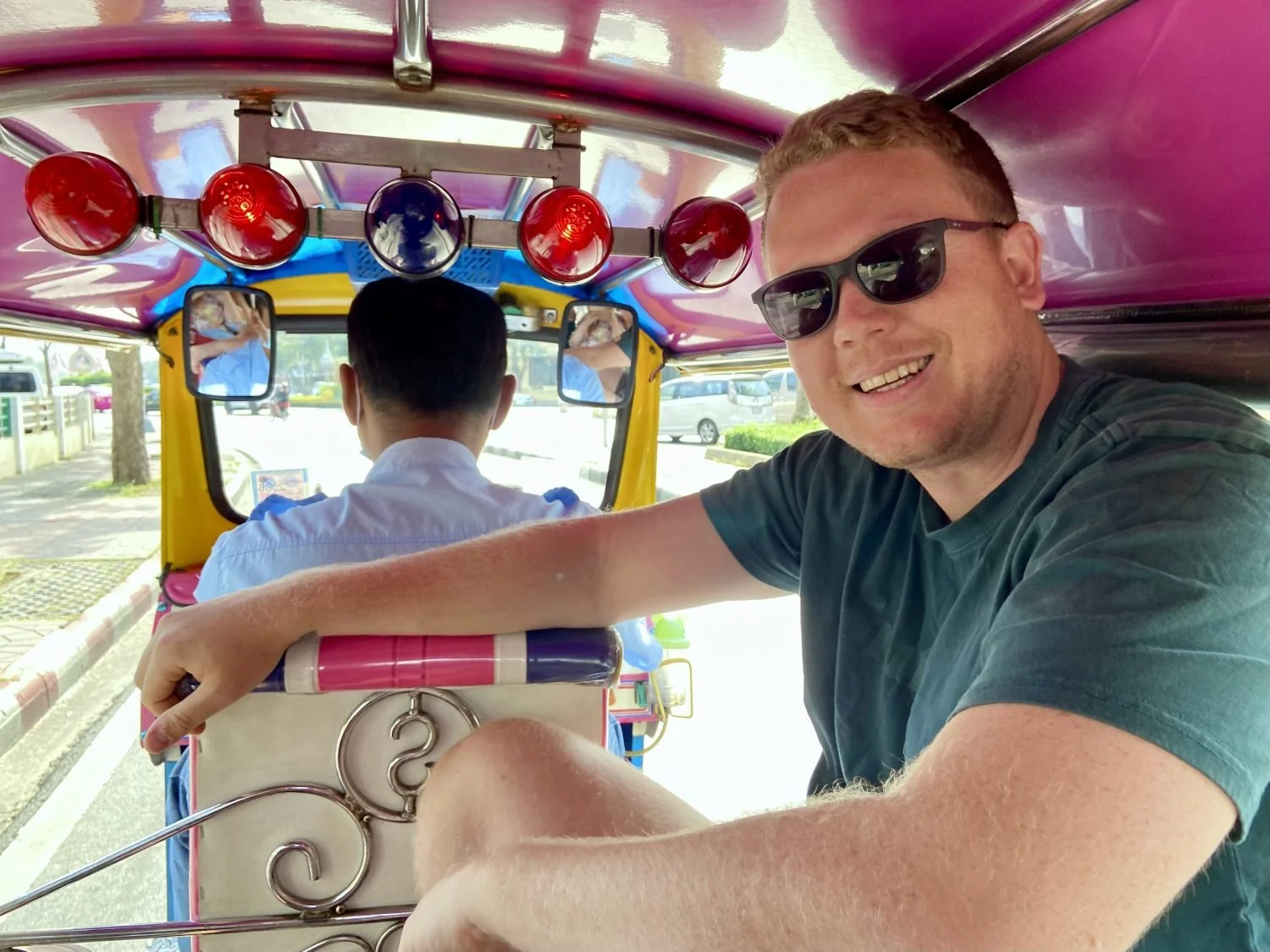
Cam in a Tuk-Tuk
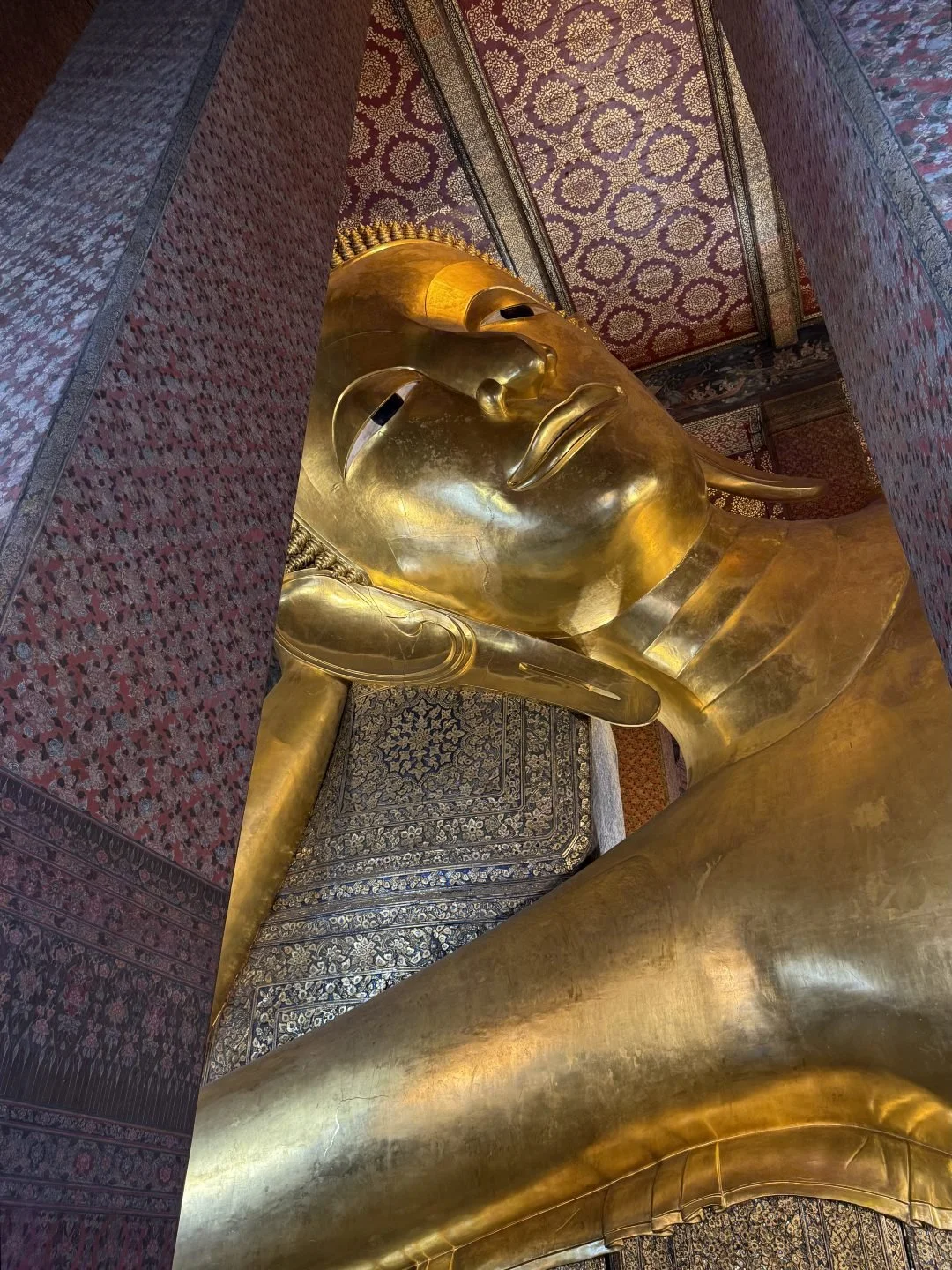
Wat Pho
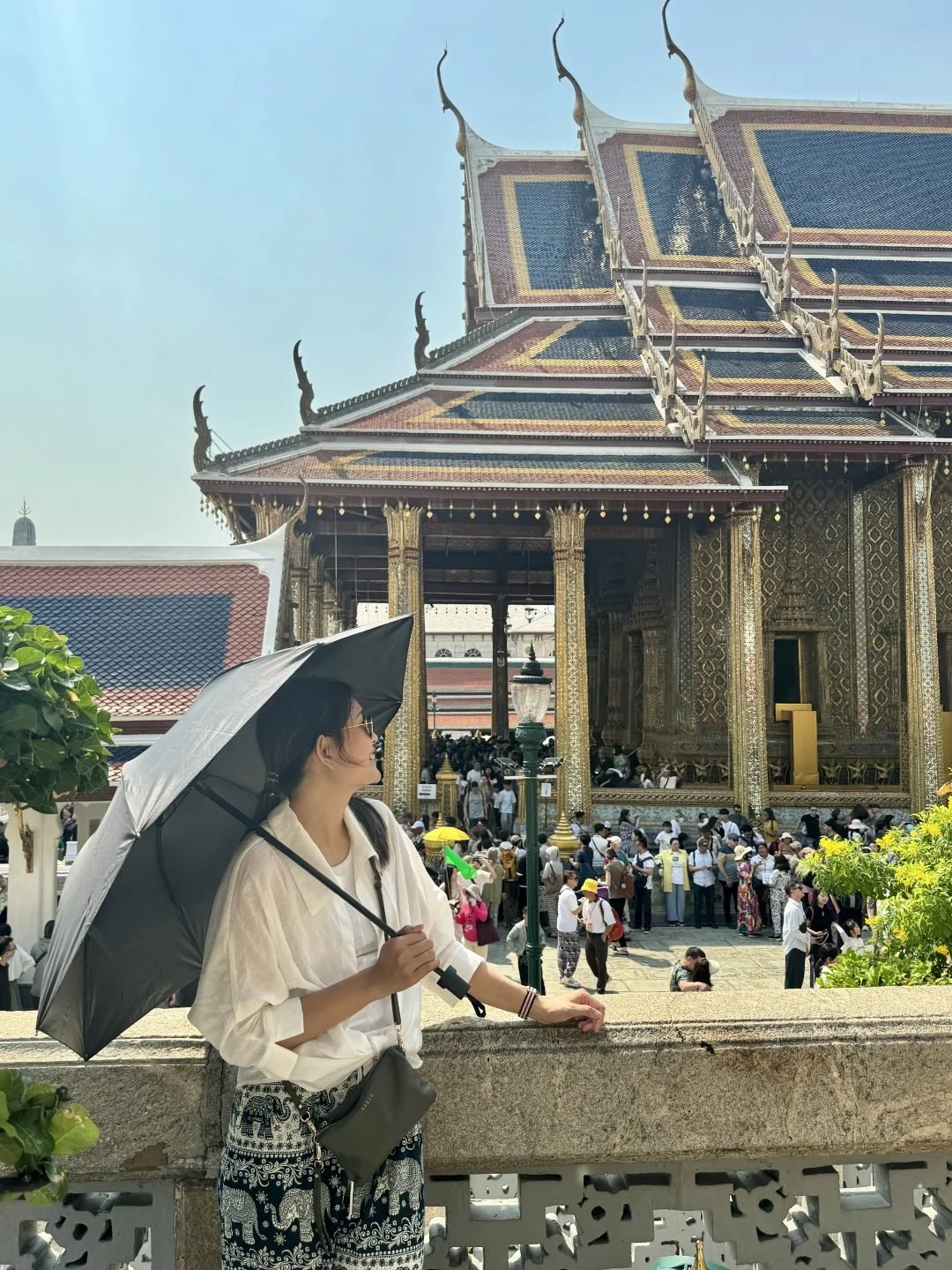
The Grand Palace
Afternoon
After finishing up at the Grand Palace, head down Maha Rat Road for 15 minutes until you reach Tha Tien Pier en route to Wat Arun. Be sure to walk through the market stalls to the back of the pier and look for the ferry (not a longtail, which is a common rip off scam). It should cost about 5-10 THB.
Enjoy another few hours at Wat Arun, marveling at the porcelain spires, before taking the ferry back across. By this time, it’ll be around 3:00 PM and you’ll be ready for an activity that’s not a temple. This is the perfect chance to return to your hotel for a nap, stop for food or get a Thai massage.
Evening
When in the Old Town, you can’t miss a Muay Thai fight at Rajadamnern Stadium. This is considered Thailand’s premier Muay Thai venue and the entertainment on offer throughout the night is incredible. It takes 25 minutes to walk from Khao San Road or, again, you can jump in a tuk-tuk.
We saw everyone from couples and friends, to families with young kids, in the stands enjoying the show. Don’t think it’s just a “boys night”. While it’s possible to get walk-up tickets, we think it's safer to book online especially if you want VIP or ringside seats: Muay Thai Tickets for Rajadamnern Stadium. That will take you through to 10:00 PM, at which point you can wander back to Khao San Road for some street food around Soi Rambuttri and a few drinks (and shenanigans) down the famous tourist strip.
Daily Budget: 4,000-5,000 THB per person (approx. $120-150 USD).
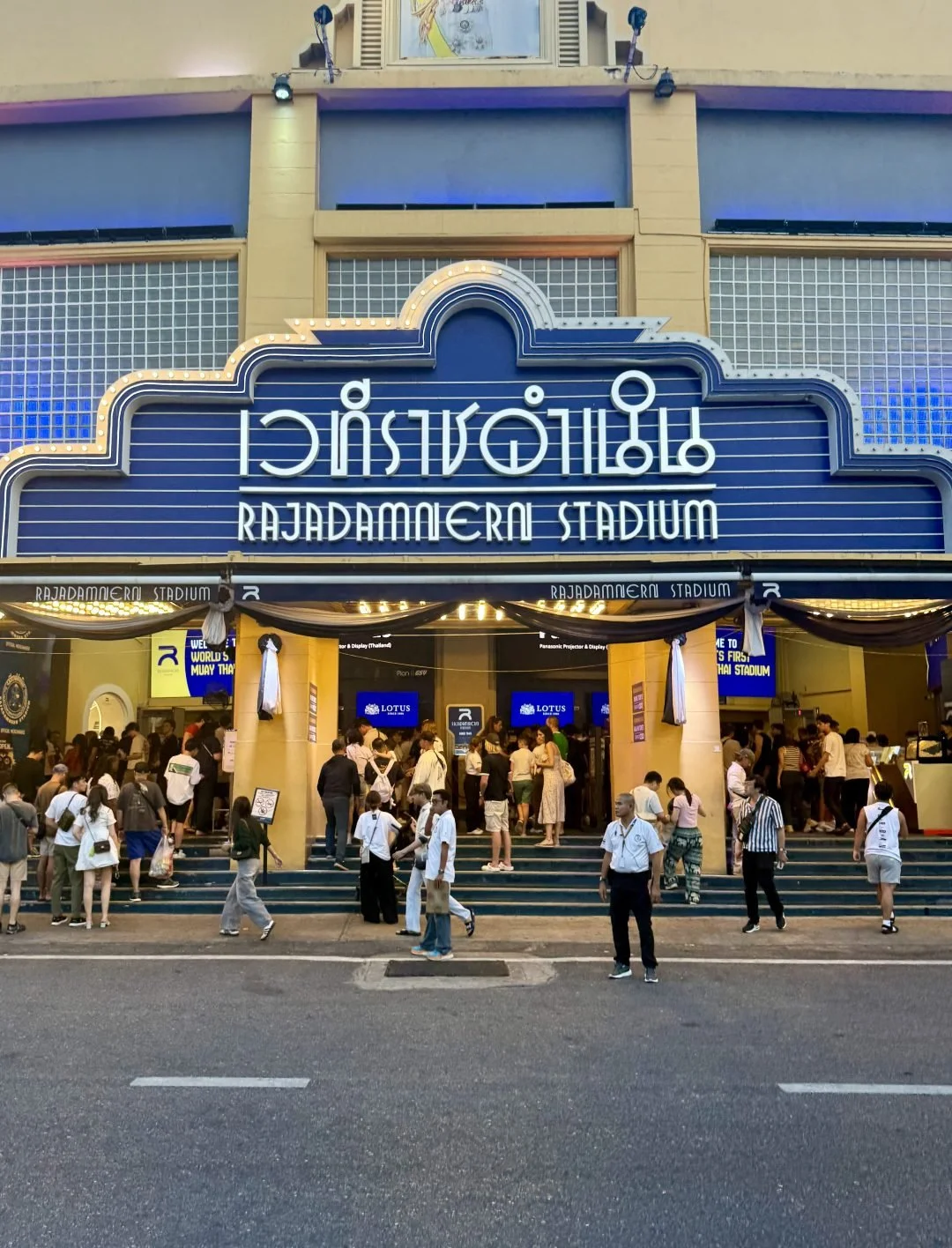
Rajadamnern Stadium
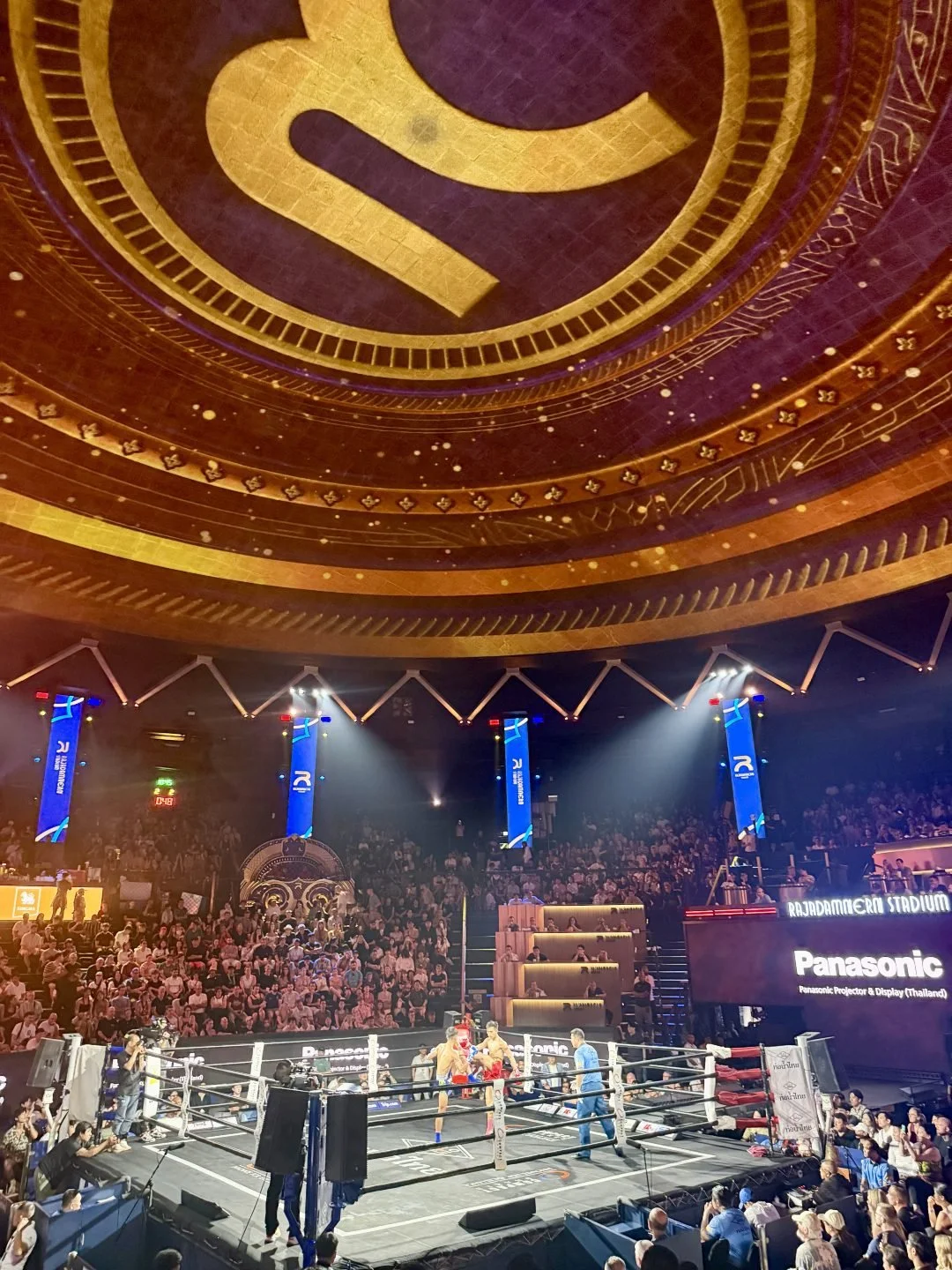
Rajadamnern Stadium
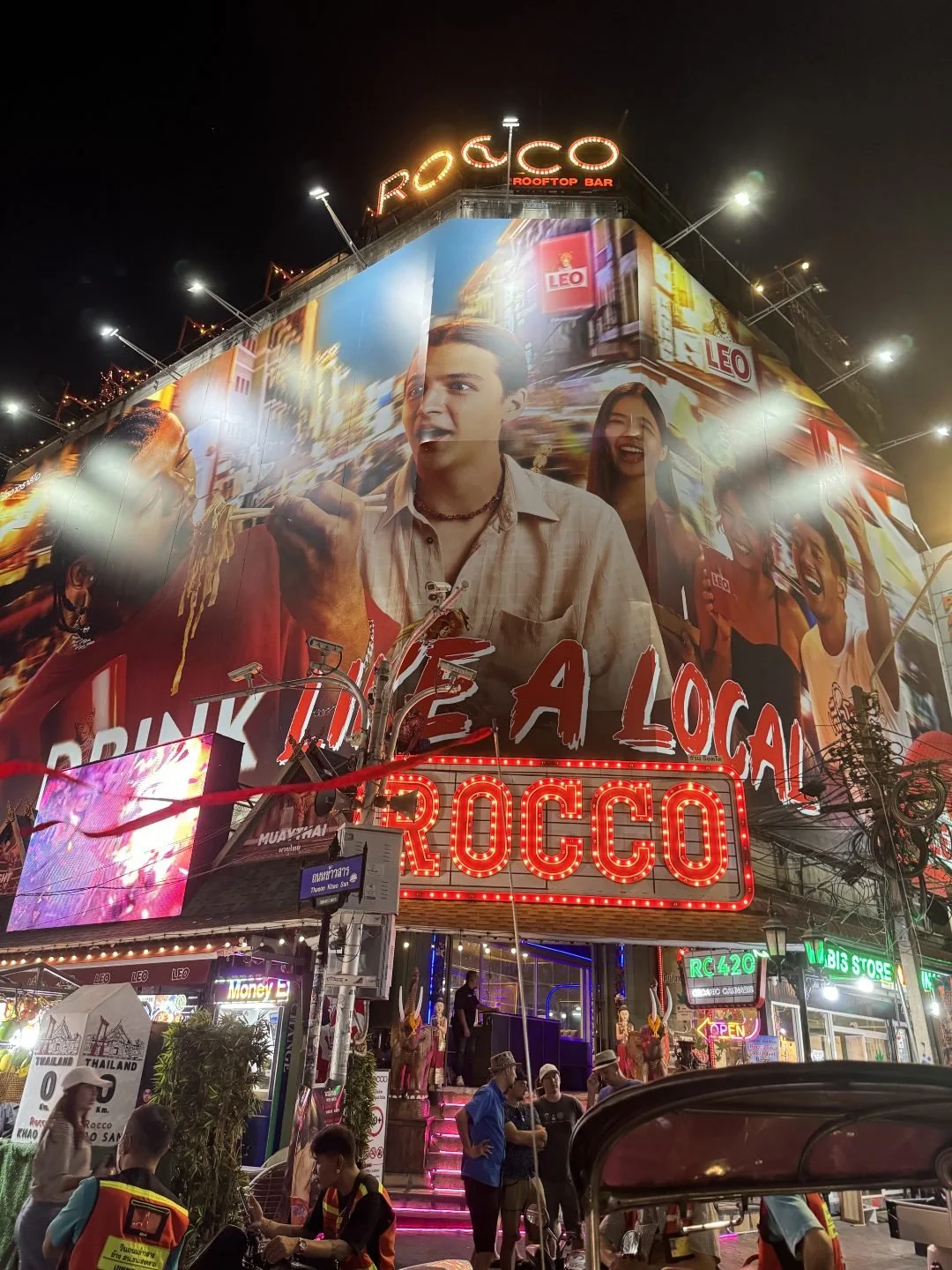
Khao San Road nightlife
Day 2: Markets, Mega Malls & Michelin Restaurants
We recommend setting aside a day to go shopping in Bangkok. Why? Because the markets and malls here are phenomenal. The most common brand of mall you see is “Central” and there’s over 10 of them in the city, including CentralWorld which is actually the world’s 10th biggest shopping mall. We recently stayed in Pinklao and often swung by Central Pinklao to pick up travel essentials, do some shopping and have lunch in the air conditioned halls. When it comes to malls, Central is only the beginning.
Morning
If your Bangkok trip falls on a Saturday or Sunday, you’ll be able to visit the Chatuchak Weekend Market when it’s fully open and fully buzzing. The market is home to a staggering amount of stalls - over 15,000 to be exact. Chatuchak opens at 9:00 AM, and getting there is easy by taking the BTS Skytrain to Mo Chit Station or the MRT Subway to Chatuchak Park Station.
There’s over 30 different sections at Chatuchak, spanning across 35 acres, with a maze of alleyways to weave in and out of. You can literally find everything here - whether it be denim jackets or rare antiques. For those coming to Bangkok during the weekday, you can always swap Chatuchak Weekend Market for Pratunam Market which offers a similar maze of streets and racks of clothes, souvenirs and street food options for lunch.
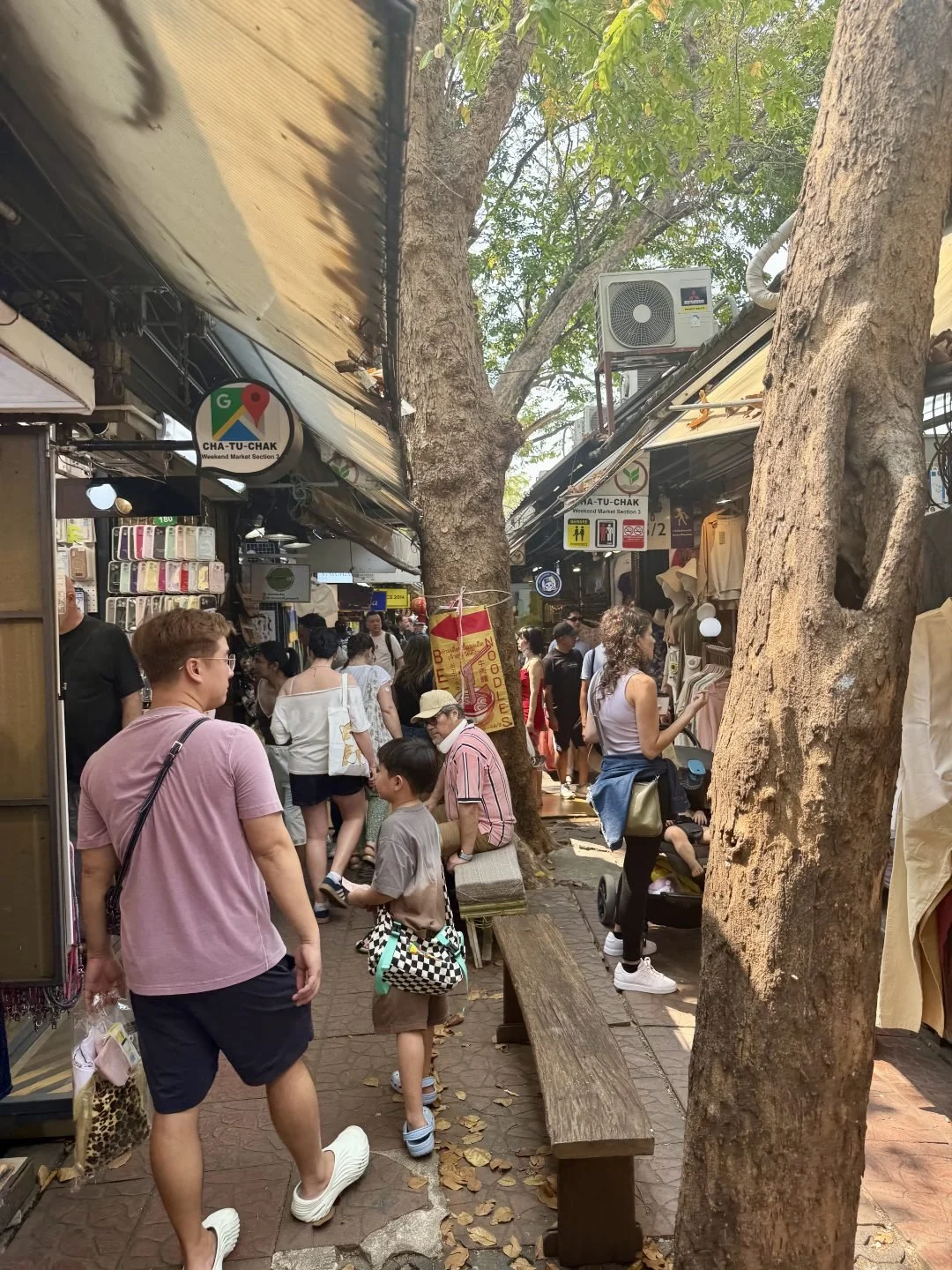
Alleyways of Chatuchak
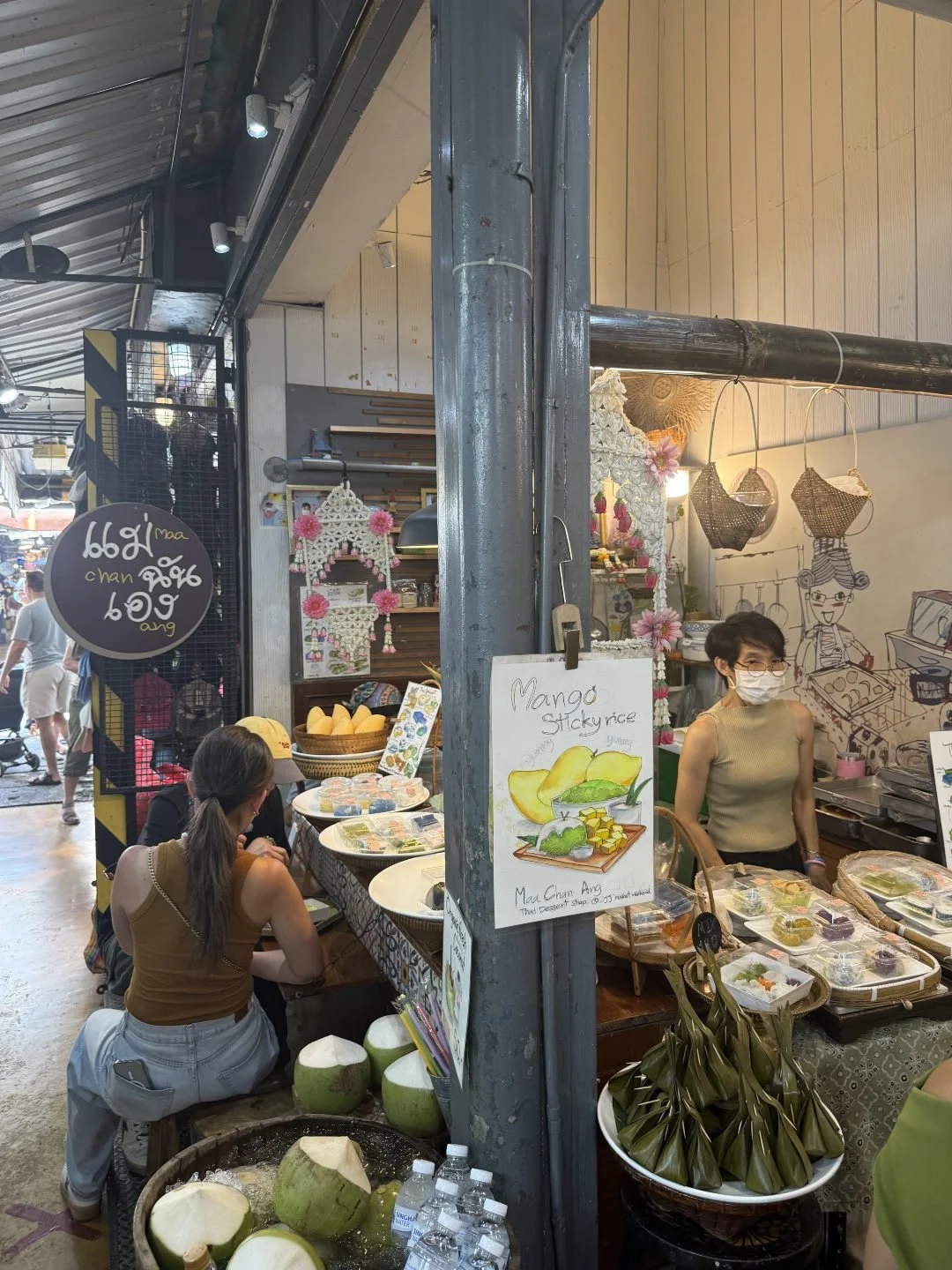
Chatuchak
Afternoon
In the early afternoon, make a beeline to Siam Paragon where hundreds of luxury shops and boutiques await. You can take the BTS to Siam Station from Chatuchak or stroll there from Pratunam Market (no more than 15 minutes on the skywalk). Next, we suggest popping over to MBK Center for cheap tech gadgets and then finishing up your big day of shopping at either Terminal 21 or the spectacular riverfront mall of ICONSIAM.
Terminal 21 can be reached via the BTS to Asok Station, but ICONSIAM requires a BTS + boat combo: Saphan Taksin Station followed by the shuttle boat from Sathorn Pier. These malls are different, in the fact that Terminal 21 offers budget fashion stalls and trendy local boutiques whereas ICONSIAM is all about luxury brands and the unique floating market on the ground floor. Travel tip: leave lots of space in your suitcase. It’s surprising how fast your bags fill up after a few days of splurging in the Thai capital.
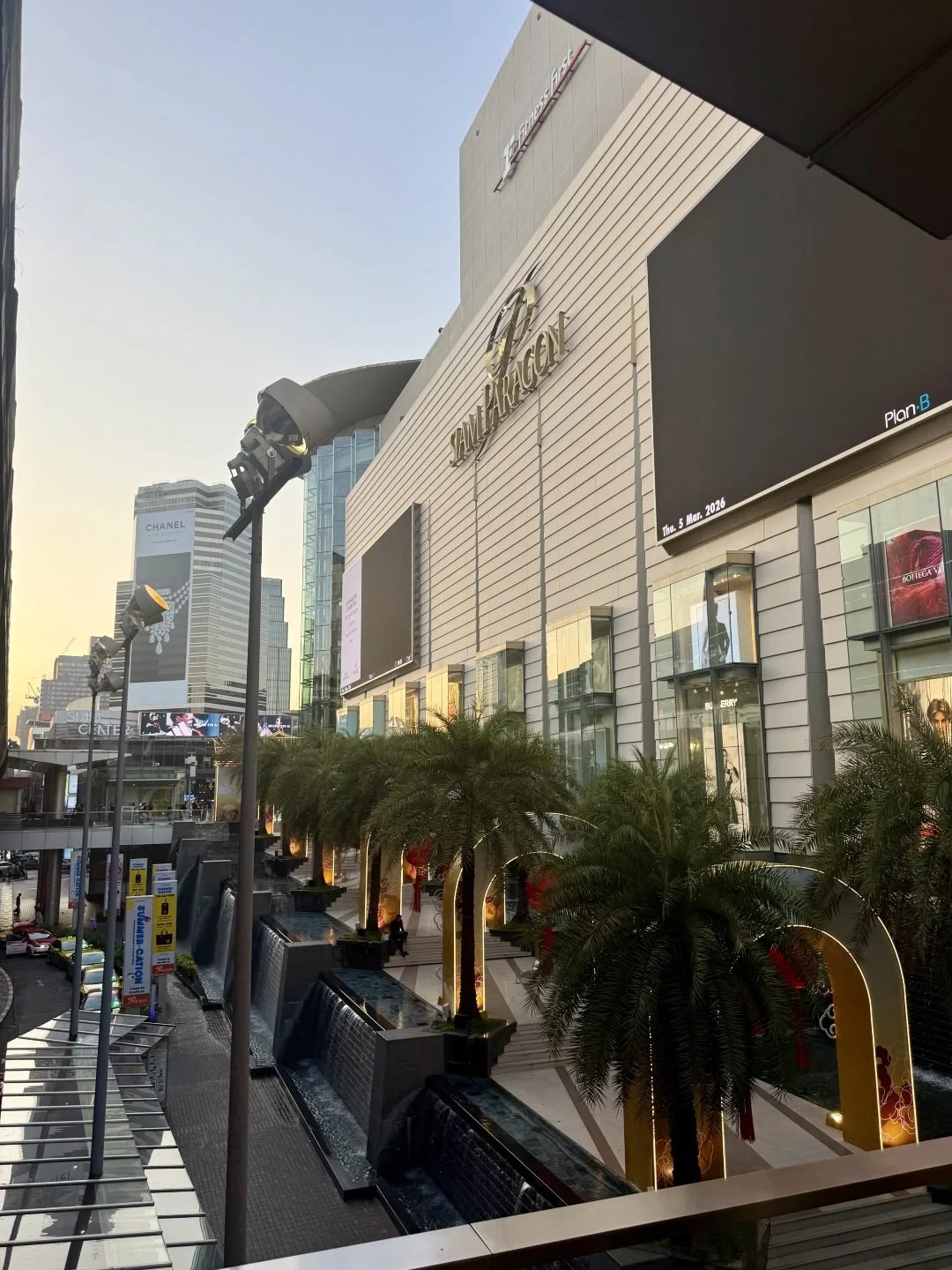
Siam Paragon
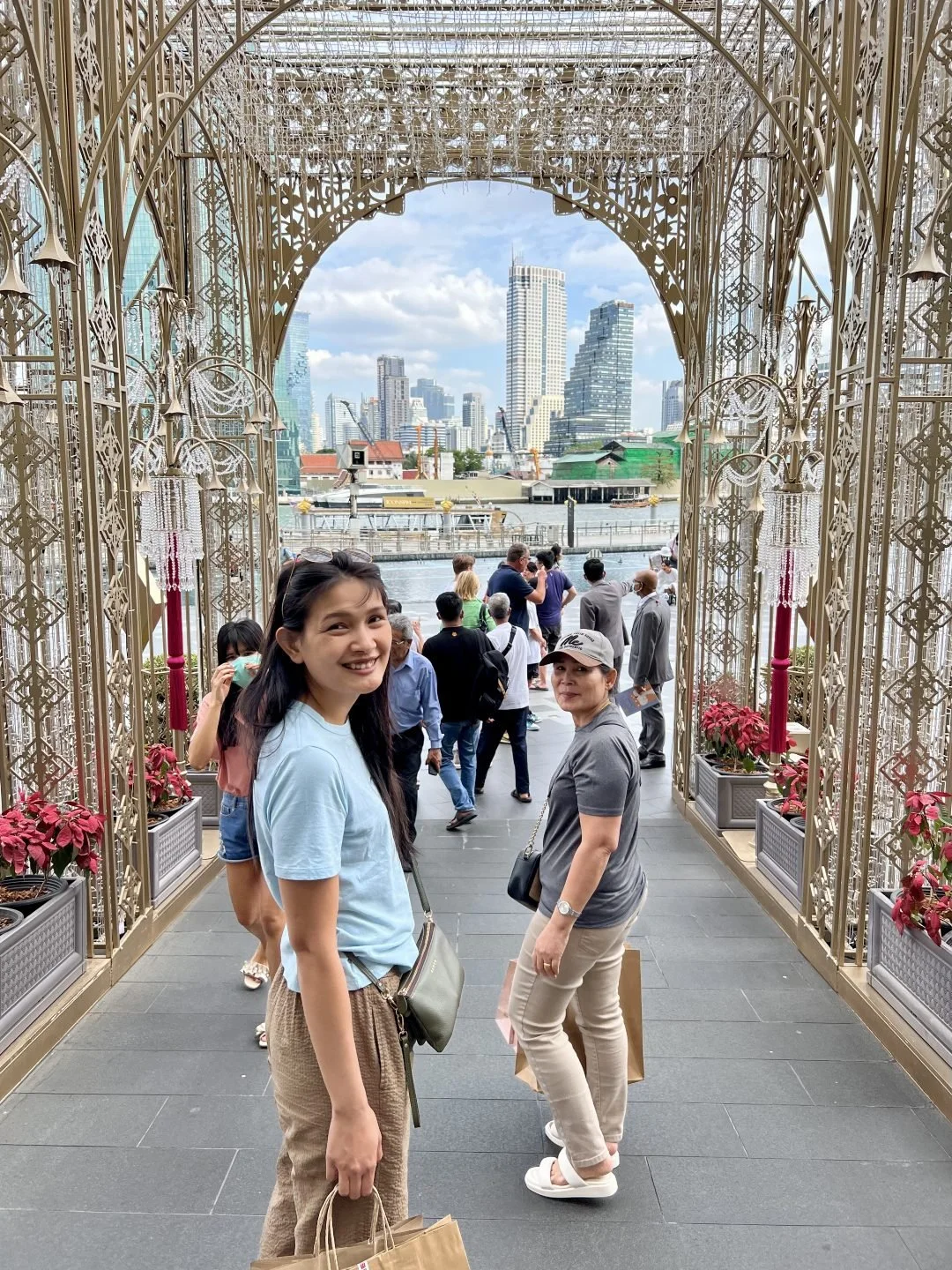
Kat shopping with her mom at ICONSIAM
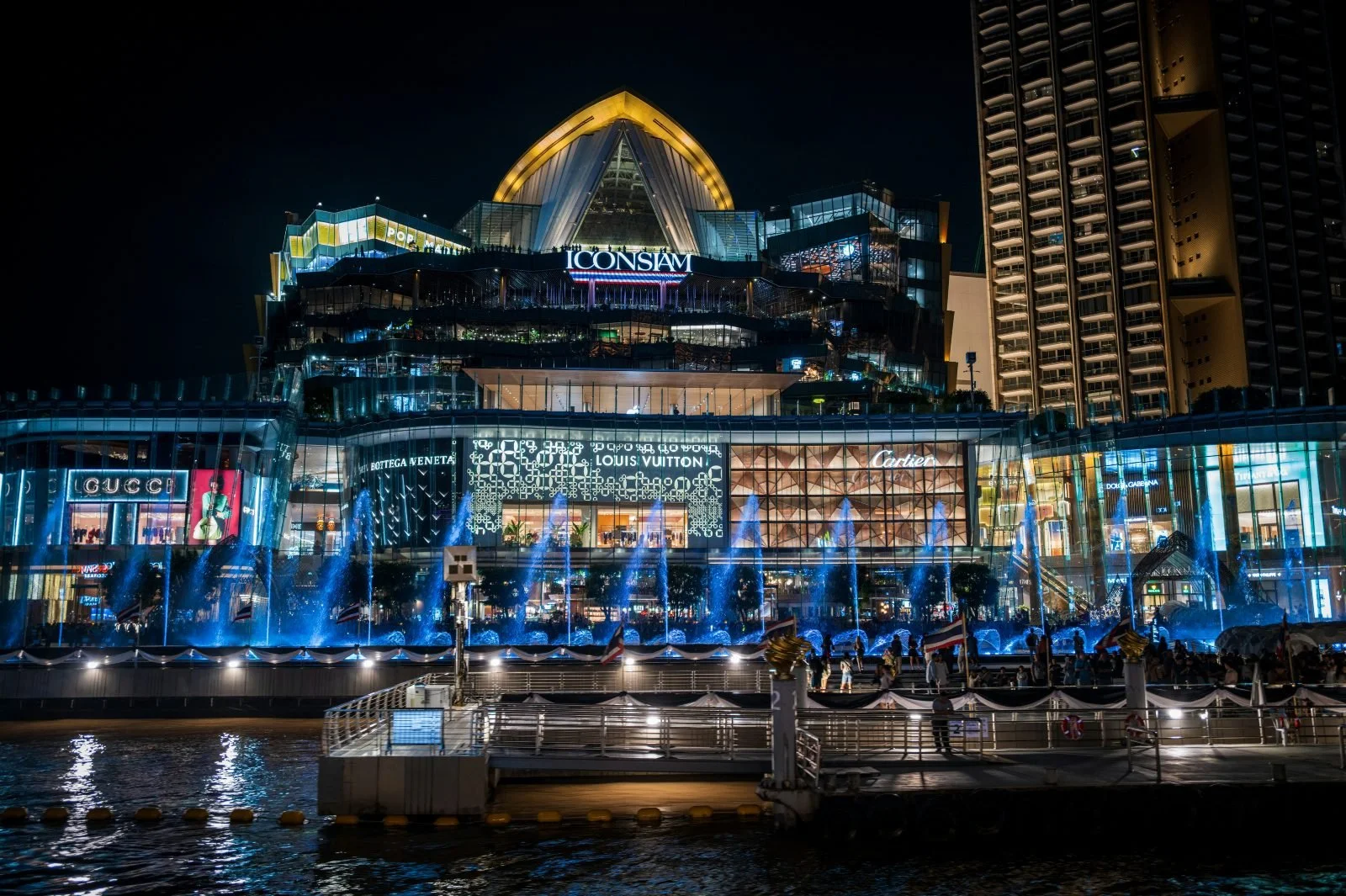
ICONSIAM
Evening
Drop your shopping bags back at your hotel and freshen up ready for one of Bangkok’s most prestigious dining destinations. Sorn is a three-star Michelin restaurant - the only Southern Thai restaurant in the world to hold that title - set inside a restored heritage mansion on Sukhumvit Soi 26. It’s open every day, apart from Saturday, between 6:00 PM and 10:00 PM.
This experience requires a bit of planning though. Reservations are strictly required for Sorn and they’re highly competitive, with slots usually opening a month in advance on certain dates. Since their booking window can change, depending on the season, we recommend having a proper read through the Reservations Page on their website to secure your spot.
Their multi-course tasting menu of Southern Thai cuisine has a hefty price tag of 7,200++ THB per person (approx. $215 USD), which doesn’t include drinks, so naturally it’s only suitable for those with the right budget or those who’ve saved up for a special occasion. The dress code is stated as “smart casual” which means no flip-flops, shorts, sportswear or tank tops.
To get to Sorn, you need to get off at Phrom Phong Station (BTS), and then catch a quick Grab (5 minutes) or walk down to the alleyway (15 minutes) where the restaurant is located. We advise against taking a taxi directly from ICONSIAM, as the peak rush hour traffic around dinner time can easily turn the 20 minute drive into an hour and you could miss your reservation.
Daily Budget: 12,000 THB per person or more (approx. $350 USD), depending on how much shopping you do and how much wine you order at Sorn.
Day 3: Secret Canals, Lush Parks & Epic Rooftops
The third day mixes things up a bit with a combination of hidden canals, green spaces and your choice of a dazzling rooftop bar. We’ll take you to one of our favorite temples in Bangkok in the morning, a giant golden Buddha overlooking the Khlong Dan Canal at Wat Paknam, and finish with jaw-dropping sunsets at our favorite rooftop bar called Nobu.
Morning
Wat Paknam is located in the Phasi Charoen district of Bangkok, a little off the beaten track southwest of the Old Town. You’ll need to jump on the MRT (Blue Line) to Bang Phai Station, take Exit 1 and then walk through a series of little “sois” on your way to Wat Paknam. Upon arrival, you can talk with the longtail drivers and agree on a price for a quick 30 minute boat ride along the canal that gets you up close to the towering golden Buddha.
While there, you should also check out the Maharatchamongkhon Stupa, known for its green pagoda (Emerald Stupa) which is nestled below a cosmic-inspired ceiling mural. One alternative to an independent visit is booking the Bike and Canal Boat Tour which includes a 45-minute guided tour of Wat Paknam, in addition to cycling around the hidden back alleys of Bangkok and having lunch at a place called “The Artist’s House”.
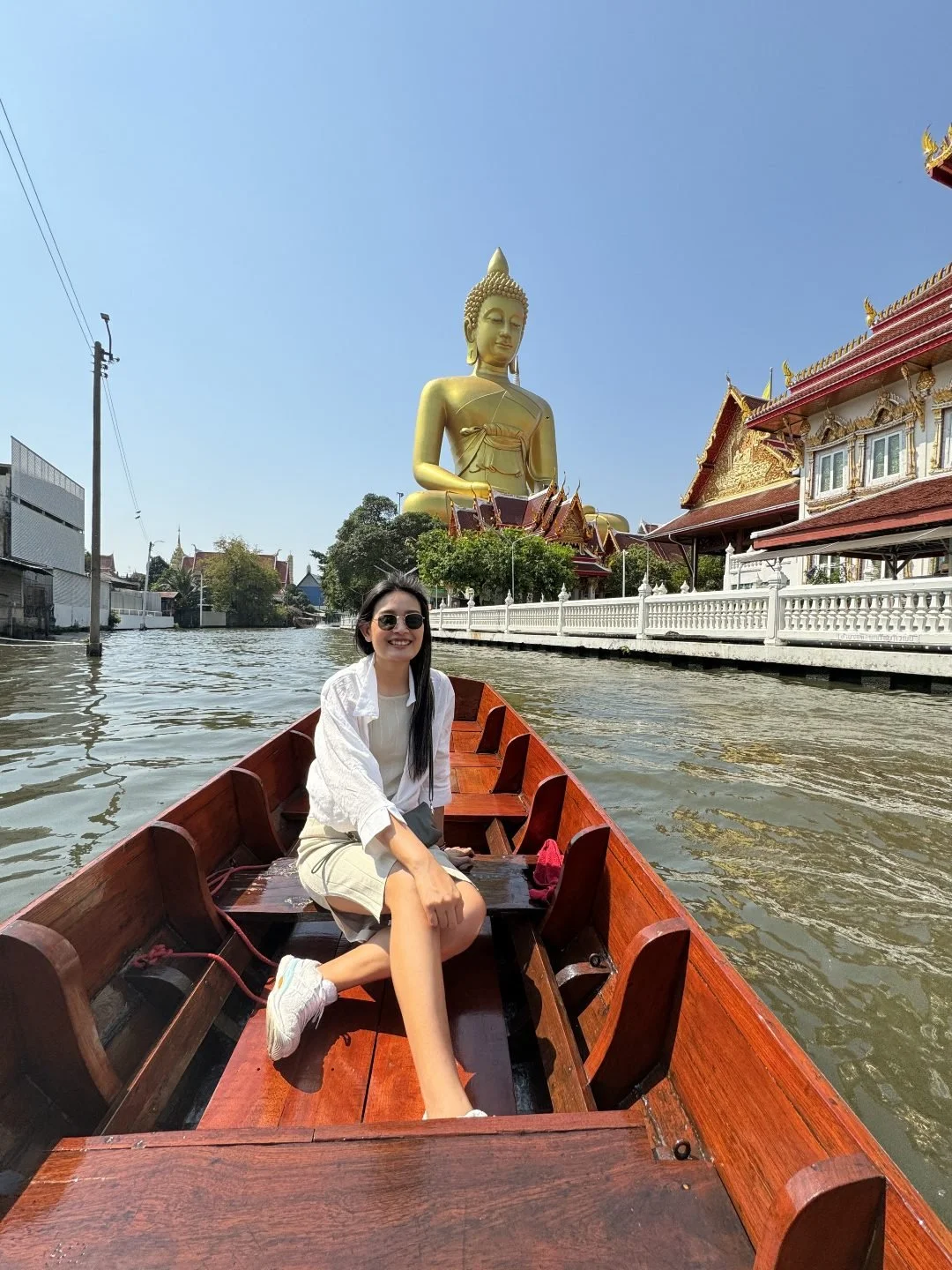
Wat Paknam
Afternoon
As the heat sets in after lunch, take shelter at Lumphini Park, just a 20 minute MRT journey to Si Lom Station. This park is the city’s most famous, called the “lungs of Bangkok”, and is the perfect oasis to enjoy a walk under the shade of tropical palms. The highlight for us, when we visit, is seeing the monitor lizards swimming in the water and lounging on land.
Kat once told Cam the Thai word for monitor lizard and when he saw them for the first time he pointed and shouted out “Hia/Hea”, not knowing that it’s also an insult/swear word in Thailand. Locals around us started to laugh uncontrollably and it was one of those hilarious travel moments that you never forget. So just be careful using this term in polite company.
You can also combine Lumphini with a visit to Dusit Central Park, a modern lifestyle mall that’s just across the road. It’s home to the Dusit Arun Park - a stunning rooftop sky garden that boasts incredible views of Lumphini while having its own greenery to soak up as well. Inside the mall are a range of different shops, markets, restaurants, cafes and pastry shops.
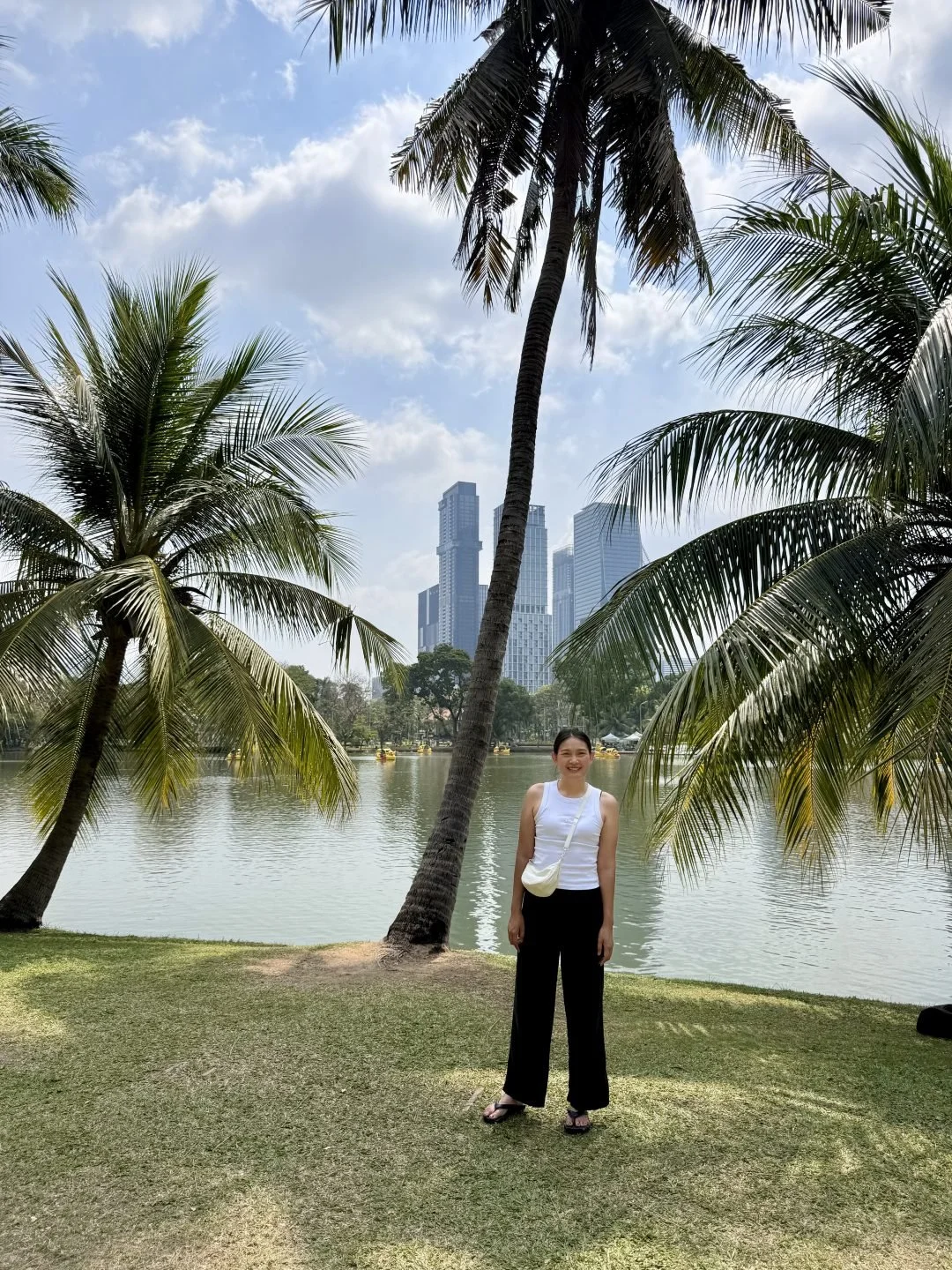
Lumphini Park
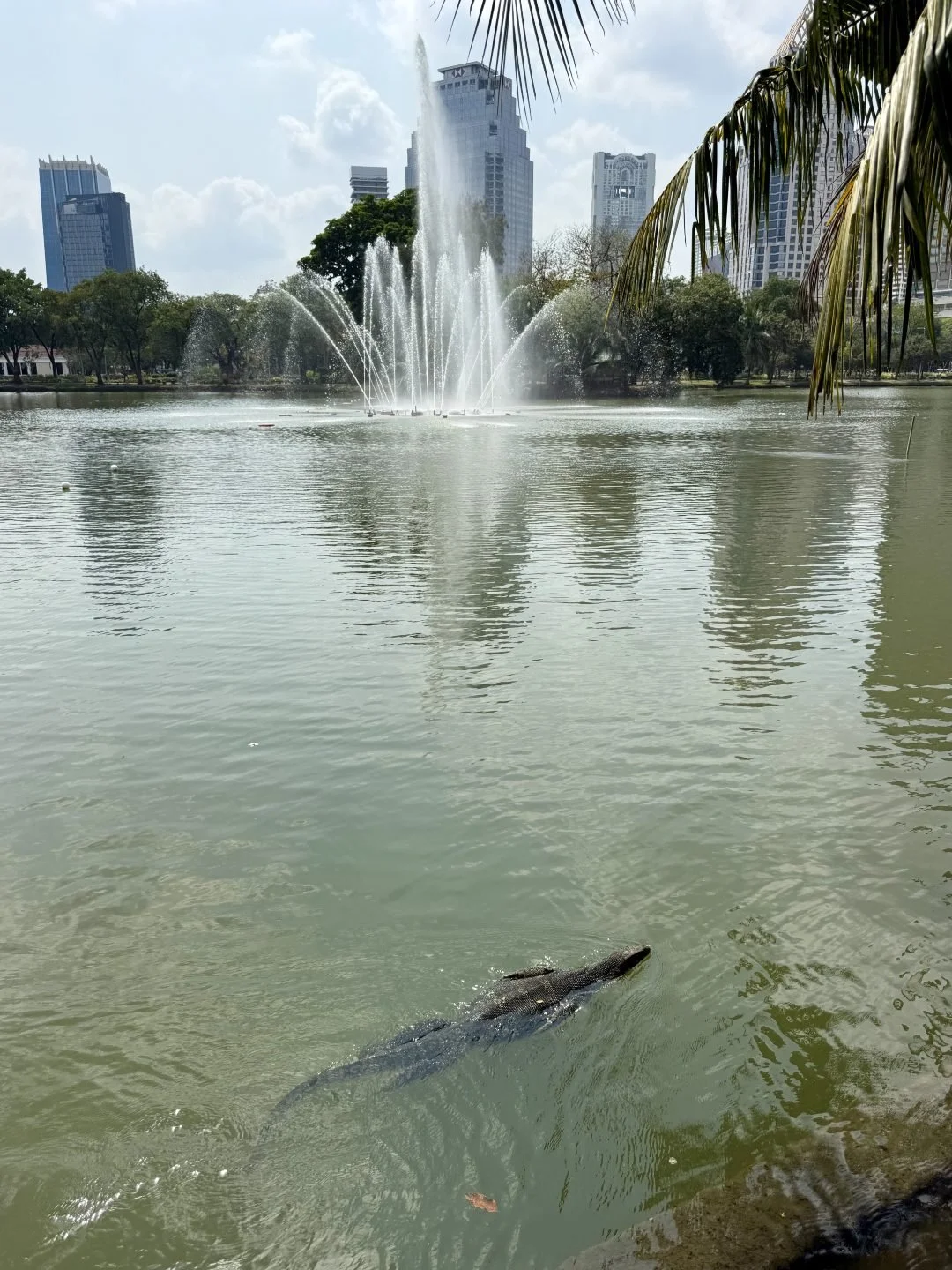
Monitor lizard at Lumphini Park
Evening
At night, it’ll be time to finally visit one of the rooftop bars we’ve been raving on about. If this is your first time in Bangkok, we recommend either Nobu Rooftop Bar or Akara Sky Hanuman. If this is your second or third trip, though, you might want to check out the less popular but equally spectacular/stylish Ojo Bangkok, Spire Rooftop Bar or SIN Rooftop Bar.
For Nobu, bookings are recommended and there’s a 2,000 THB per person minimum spend to secure a table. Although that might sound expensive, you can’t put a price on sunset views as breathtaking as this. The bar is situated on the 60th floor of the Empire Tower in the Sathon financial district, and is reached by first taking the BTS to Chong Nonsi Station, walking to the Empire Tower and then heading up a few elevators.
Daily Budget: 3,500-4,500 THB per person (approx. $105-$135 USD).
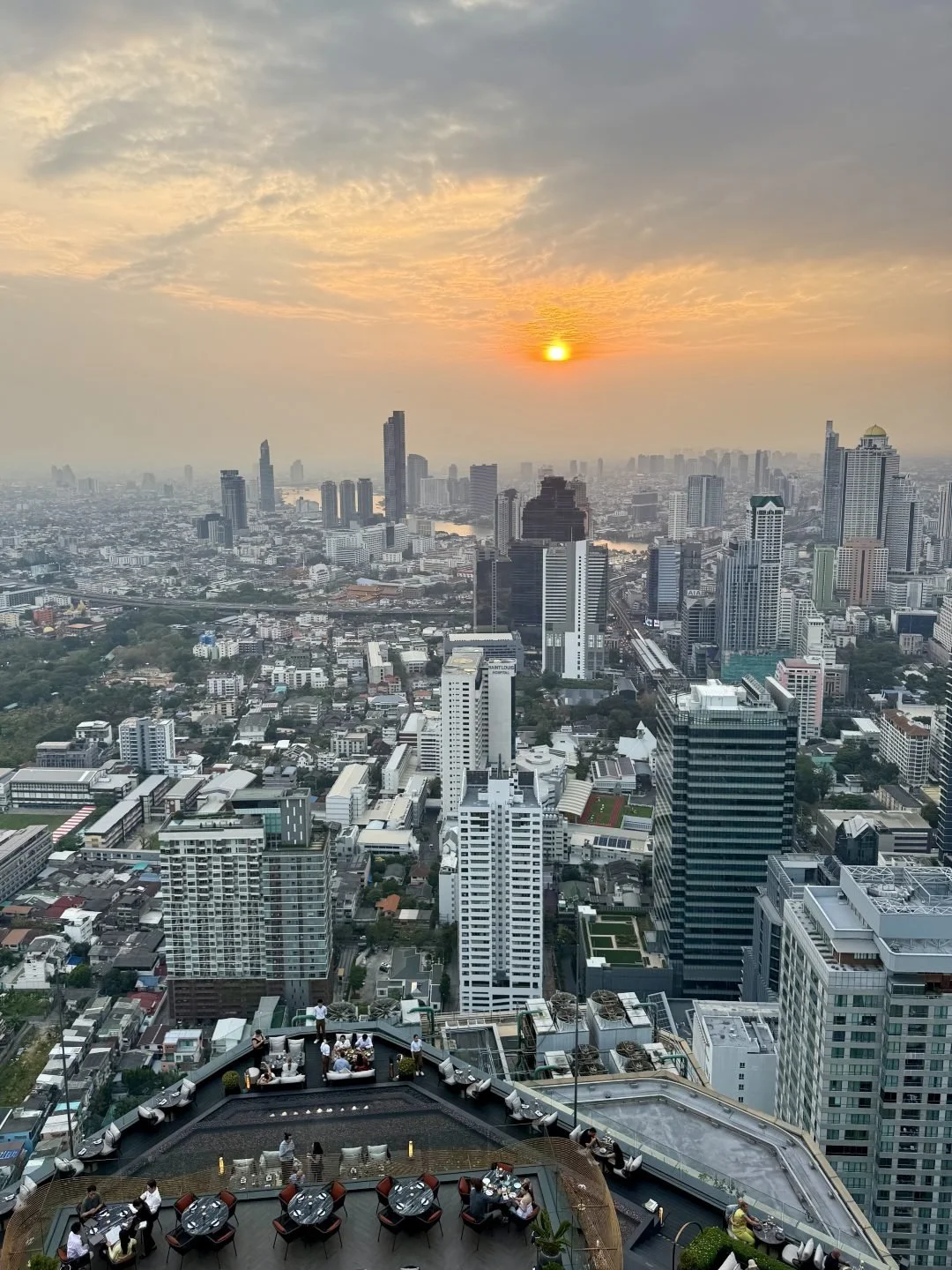
Nobu Rooftop Bar
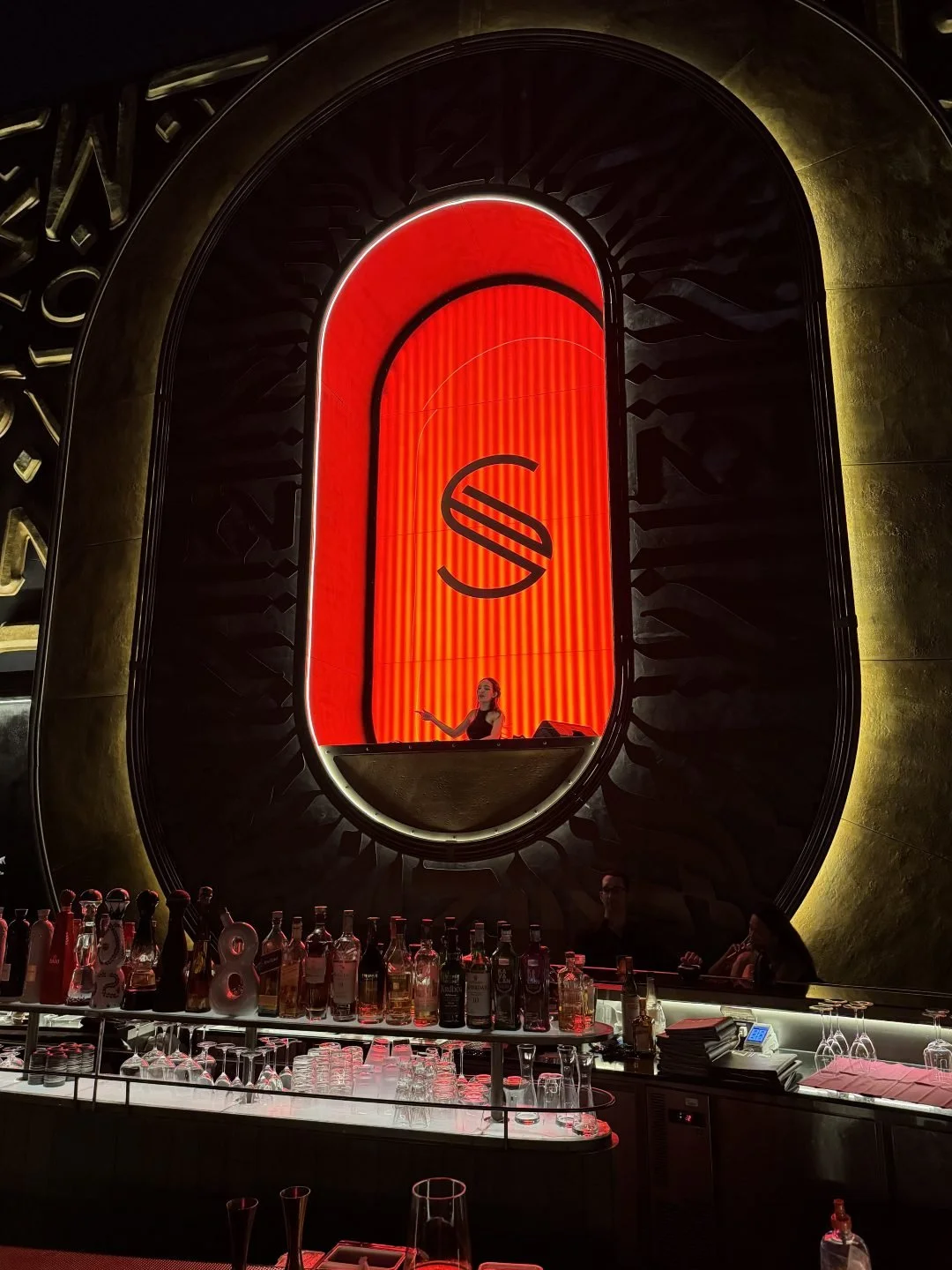
SIN Rooftop Bar
How to Spend 4-5 Days in Bangkok
Day 4: Street Art, Sunset Temples & Chinatown
Let’s be honest: the first 72 hours were a bit pricey, so you’ll probably be keen to save money from here on out. That’s why we’ve created an itinerary on Day 4 that won’t cost a fortune. Except for your own food purchases and a touch of vintage shopping, the only cost is the 100 THB entry for Wat Saket - not a high amount compared to the other temples in Bangkok.
Morning
Dedicate your morning to search for little treasures along Song Wat Road and continue until you arrive at Talat Noi. This street - sandwiched between the river and Chinatown - is full of old shophouses, street art, cafes, local eateries, antique shops and warehouses redesigned into cultural hubs.
Eventually you’ll hit the Talat Noi neighborhood and encounter a similar vibe, with winding alleyways inviting you down to see colorful murals and old mechanic workshops. You could spend the entire morning in this area and then stop for lunch somewhere by the river, like at NAAM 1608.
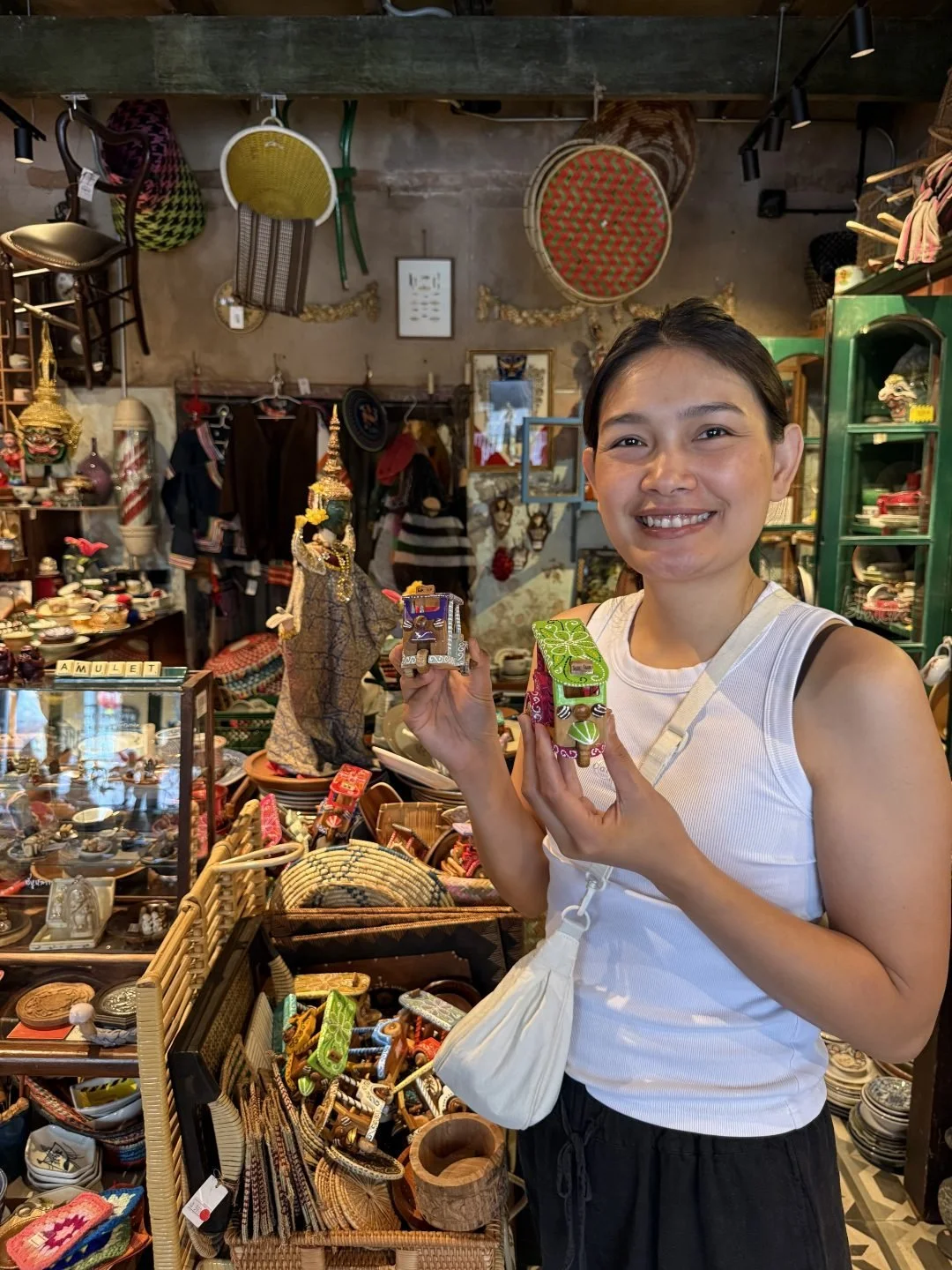
Shopping down Song Wat Road
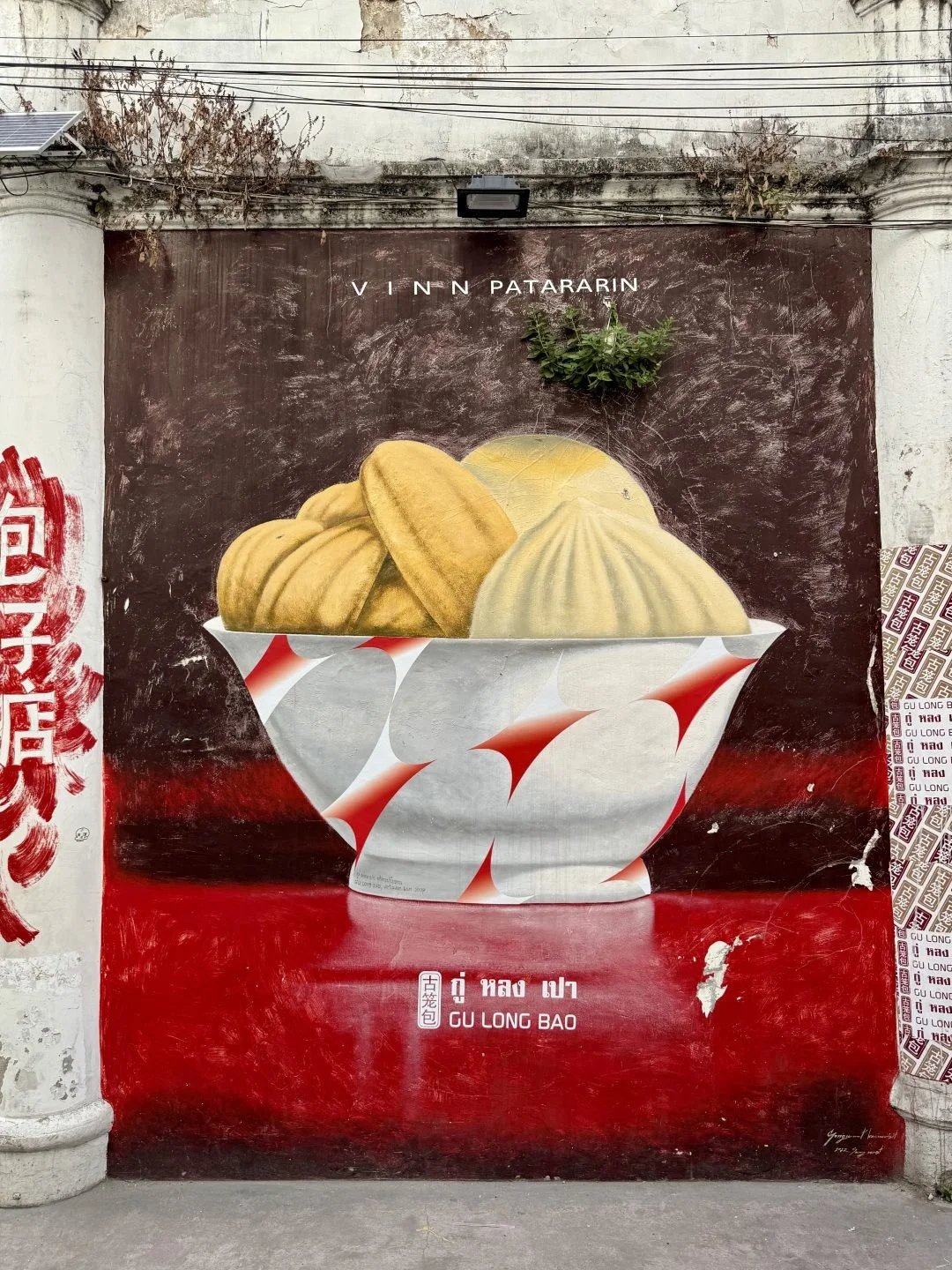
Street art down Song Wat Road
Afternoon
The afternoon has been left free for you to relax how you see fit. If you’re staying in the Chinatown area, such as at Loy La Long Hotel, you could nip back for a rest or to read a book on your balcony. Aim to arrive at the Golden Mount (Wat Saket) at around 5:00 PM, so you’ve got enough time to walk up the 344 steps and admire the sunset on the terrace at the top.
Being atop the Golden Mount, at golden hour, is a special experience. You’ll see locals praying and making merit, hear gongs and bells, and see monks walking up and down the staircases in bare feet. To get from Talat Noi to Wat Saket, you could try jumping on the back of a Grab motorbike (wear a helmet) for a quick and easy 10 minute ride to the temple grounds.
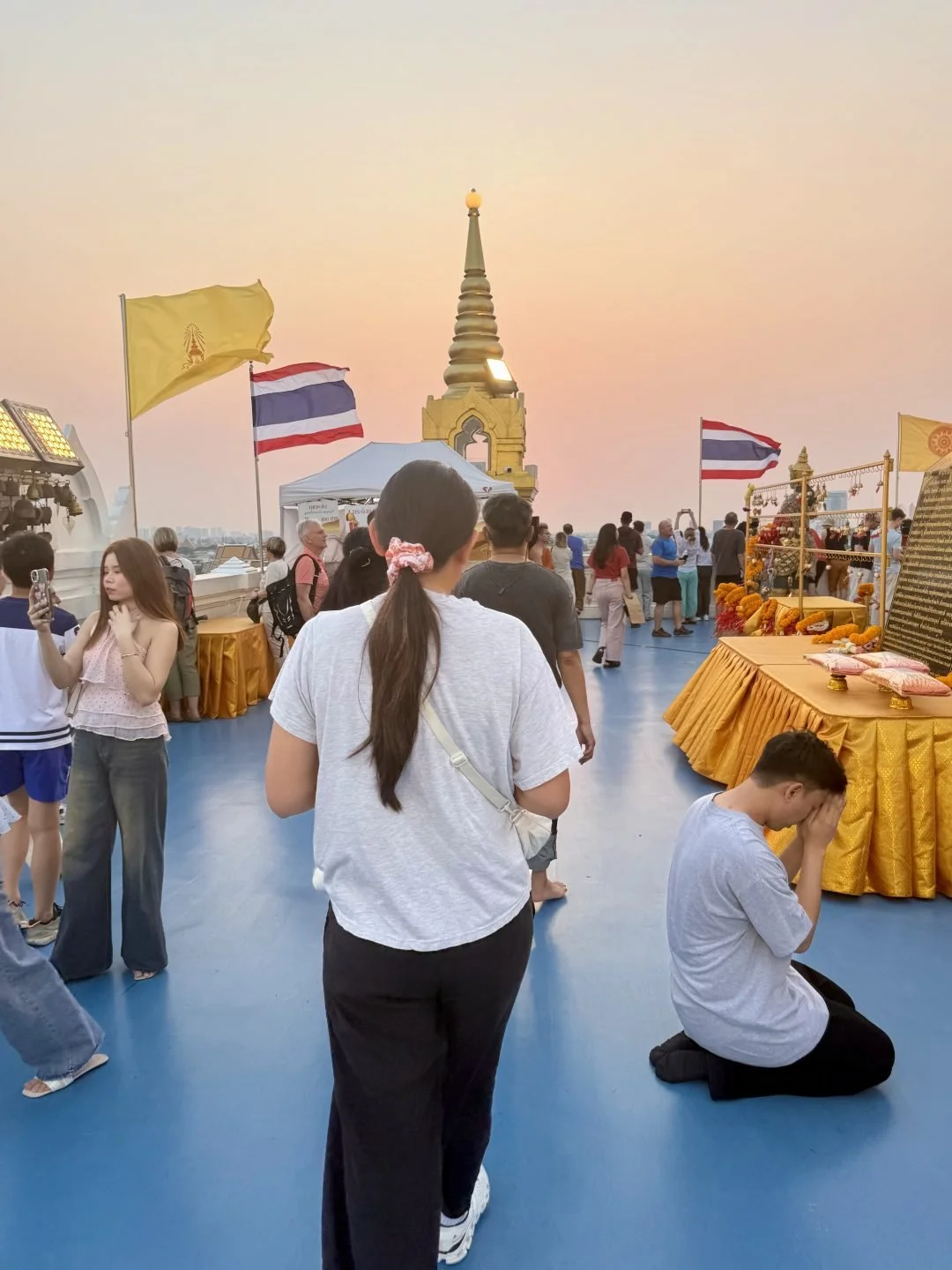
The Golden Mount (Wat Saket)
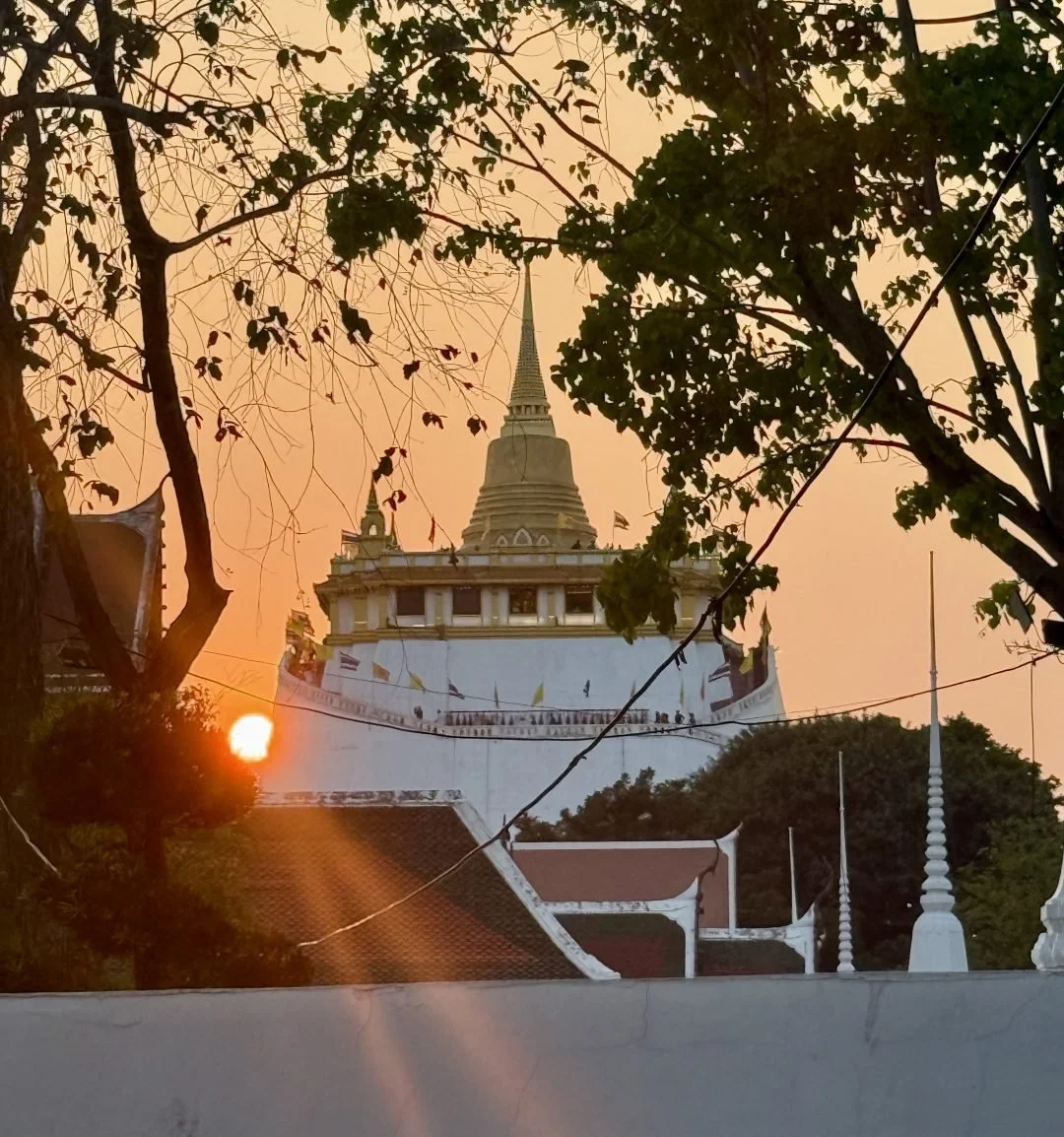
The Golden Mount (Wat Saket)
Evening
Wat Saket closes at 7:00 PM and by that time you’ll be ready to wander down the stairs and head back to the Chinatown area (Yaowarat Road) for dinner. Chinatown has everything you could dream of when it comes to Chinese and Thai food: Thai Hot Pot (“Jim Jum”), duck noodle soup, dumplings, seafood skewers, colorful desserts, you name it. The neon lights and colorful tuk-tuks parked on the street make for glittery photo-ops.
Daily Budget: 1,000-2,000 THB per person (approx. $30-$60 USD).
Read more: 15 Best Things To Do in Chinatown: Bangkok’s Food Paradise
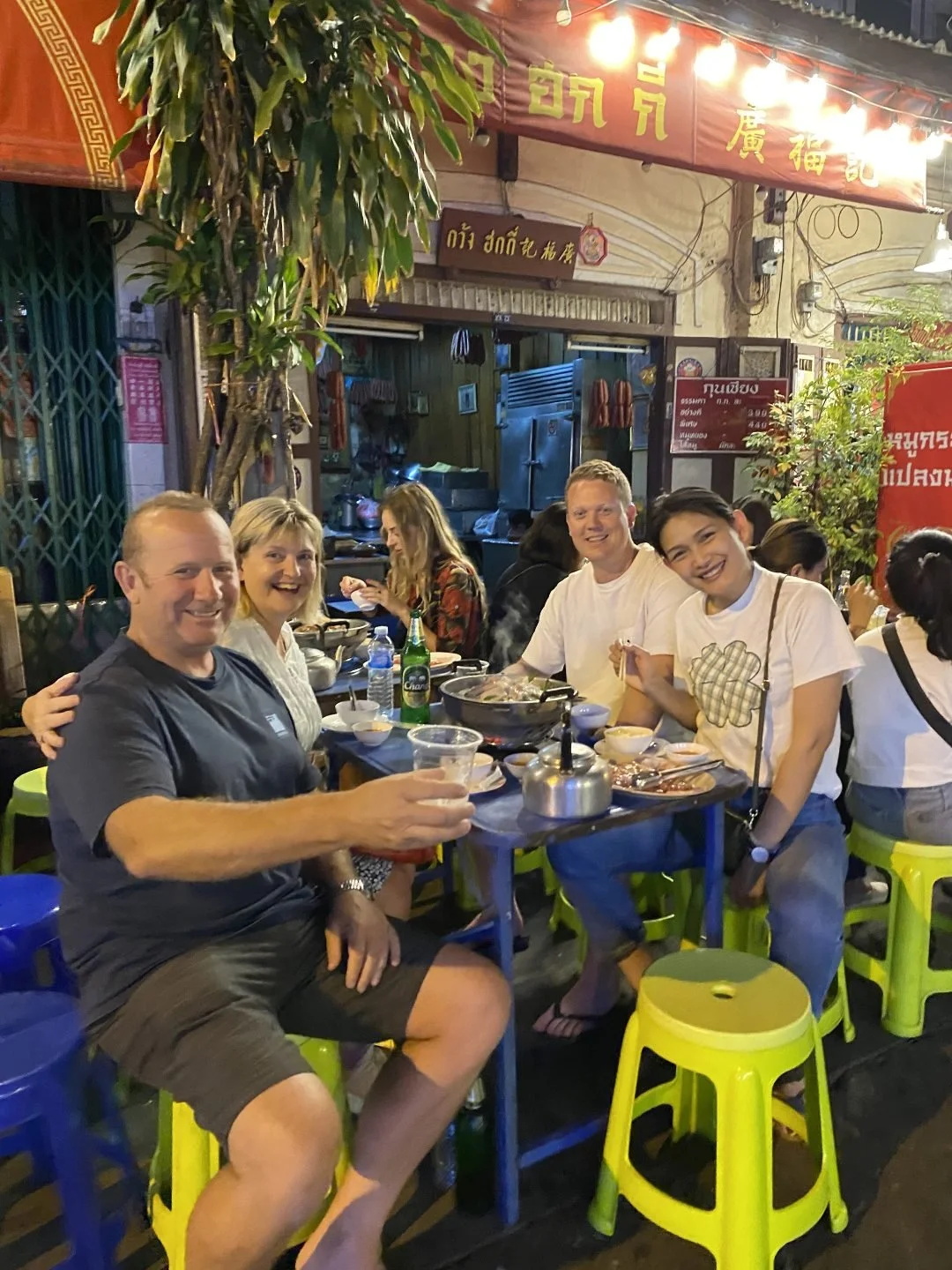
Dinner in Chinatown with Cam’s parents
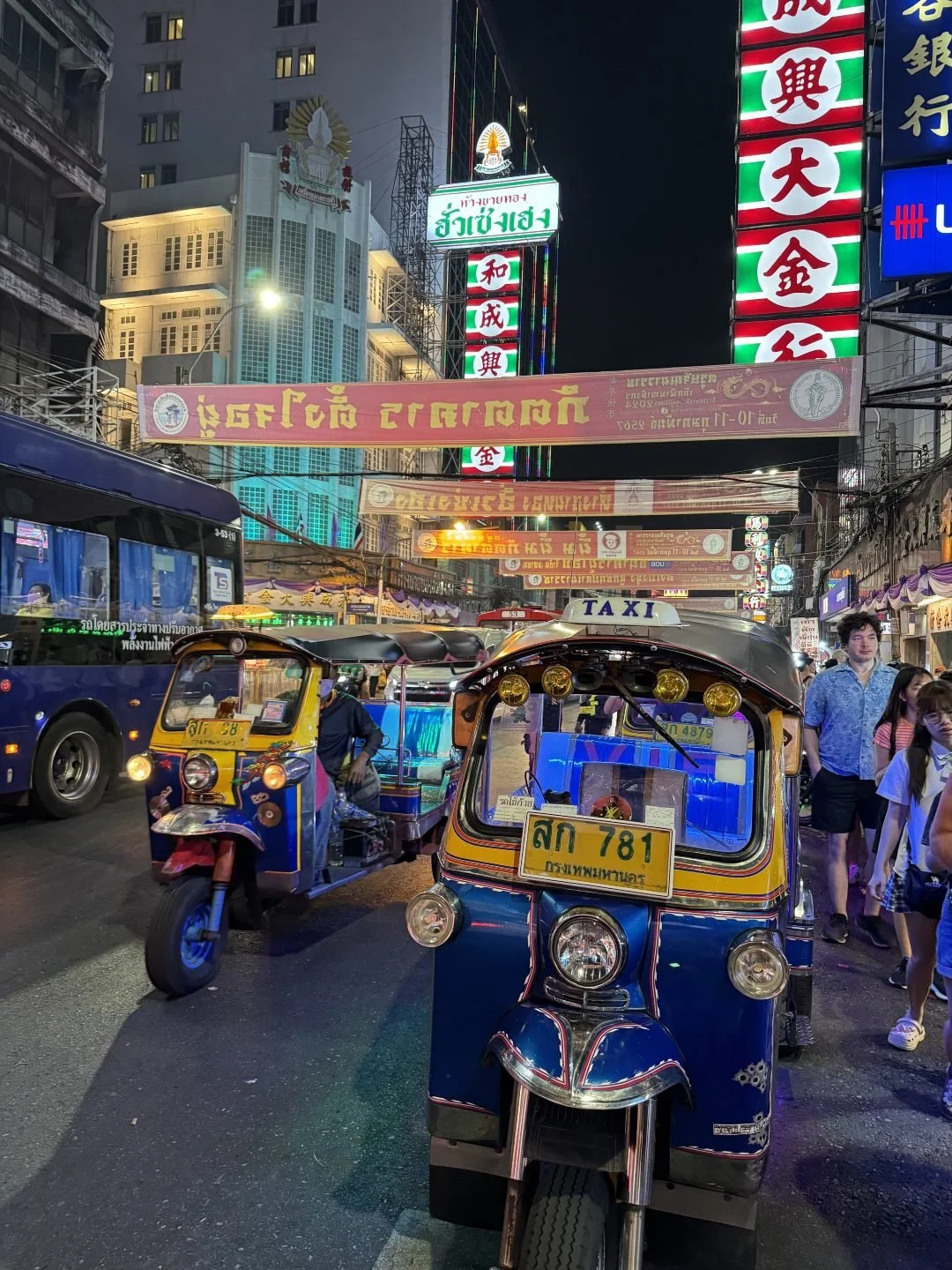
Chinatown
Day 5: Ayutthaya or The Ancient City
On your final day, we suggest doing something a bit different, outside the city limits. We recommend choosing between the ancient temple ruins of Ayutthaya or the architectural replicas of The Ancient City. Both are full day trips, requiring an early morning start and returning in the early evening.
Option A: Ayutthaya
Catch the train from Krung Thep Aphiwat Station and ride all the way to Ayutthaya. Tickets cost between 30-65 THB and the trip takes just over an hour. Upon arrival, you’ll be greeted by tuk-tuk drivers at the train station offering tours throughout the ancient city and this is definitely the best option. Don’t miss Wat Yai Chai Mongkhon, the Buddha Head In The Roots Of A Bodhi Tree, and boat noodles or giant river prawns for lunch.
Read more: Ayutthaya in One Day: The Complete Guide from Bangkok
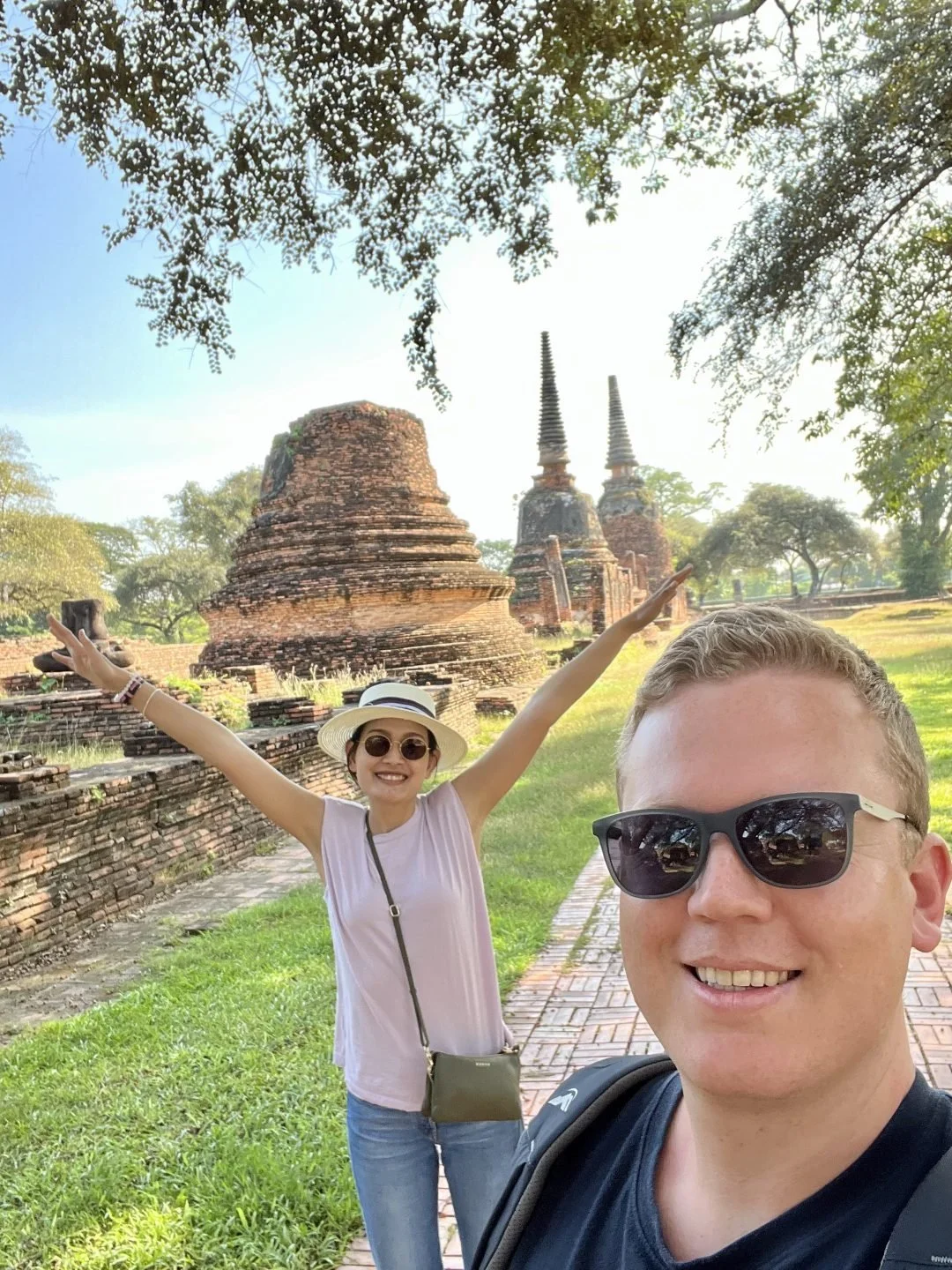
Ayutthaya
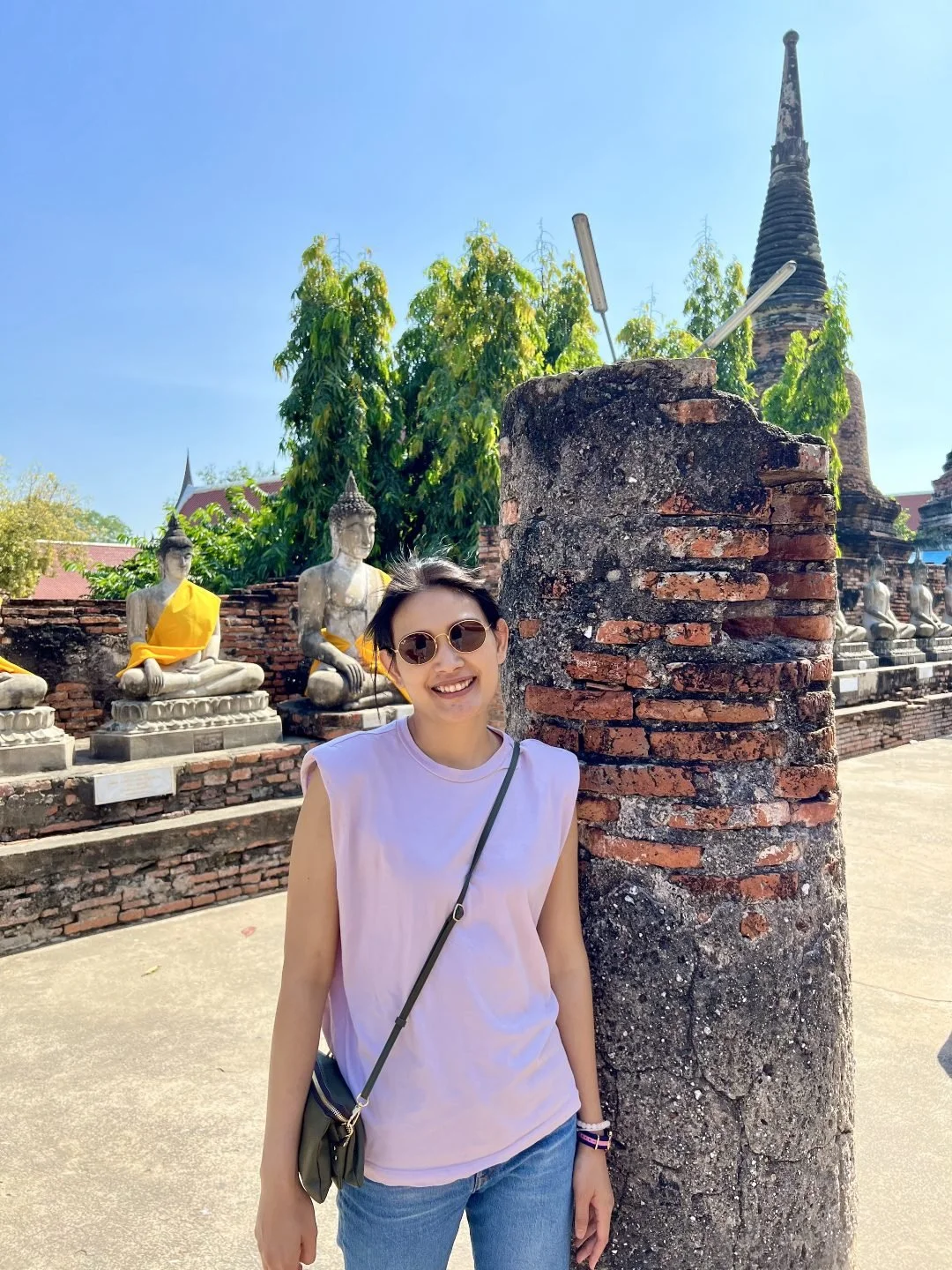
Ayutthaya
Option B: The Ancient City
For a more relaxing experience, take the BTS (Green Line) to Kheha Station and then hop in a taxi headed for The Ancient City. The grounds here are shaped like the geography of Thailand, with over 100 intricately designed palaces, pavilions and shrines to see. Since the complex is so large, it’s best to rent a golf cart to get around or a bicycle for a more active day.
Daily Budget: 1,000-2,500 THB per person (approx. $30-$75 USD).
What to Do in Bangkok When it Rains or Gets Too Hot
If you’re coming in the rainy season, or just get hit with bad luck and bad weather, there’s still plenty of things to do in Bangkok. Beyond the obvious places like shopping malls and massage parlors, a range of fun and unique indoor activities can be found in the Thai capital (if you know where to go).
Book a Thai cooking class and market tour with White Lotus or Maliwan. Both of them are boutique, authentic and considered the best in Bangkok. *Bring an umbrella for the market tour if it rains.
Take an authentic Muay Thai boxing lesson at an indoor camp like Fitfac Muay Thai. Professional trainers will guide you through the basics including footwork, pad work and strikes. Being inside a fully covered gym keeps you out of the rain, plus you get a workout too.
Create your own Thai herbal inhaler (Yadom) at First Aid Kiss House of Scents in Siam Square Soi 10. You can join a workshop, in their cozy studio, and learn the art of mixing therapeutic herbs, cloves, and essential oils into a bespoke remedy that’s popular in Thailand for clearing the senses and beating the humidity.
Where to Go Next After Bangkok?
We absolutely revel in Bangkok but it’s only the start of what Thailand as a whole has to offer. After we spend a few weeks in Bangkok, we usually get itchy feet and crave the beaches of the south, the mountains of the north, the cultural gems of the east (Isan), or the historic sites of the west.
We recommend checking out this Kanchanaburi Travel Guide, which is an easy and rewarding destination to visit after the capital. Just don’t try to visit Kanchanaburi, or Erawan Falls for that matter, on a day trip from Bangkok - you need two or three nights to savor this region properly. If you’re unsure of which islands to hop to in the south, you can read our list of the Best Island Getaways in Thailand and pick one, two or even three that suit your travel style.
And, of course, for all the nitty-gritty details on Bangkok travel, from SIM cards to cultural etiquette to food tips, have a read through our Thailand Travel Tips Guide. It equips you with 50 important things to know before you go. Bangkok, and Thailand in general, can be a complicated place to travel through but once you get comfortable with its idiosyncrasies you’ll never want to travel anywhere else.
