
Best Time to Visit Thailand: Weather, Seasons & Tips
Is there a perfect time to travel to Thailand? The answer is yes with a few important caveats. We usually take our big trips between December and March, but have also enjoyed short getaways in the rainy season. Despite what some may say, we believe Thailand can be a year-round destination, provided you know where to go. Since the wettest months vary by region, there’s always an opportunity to find sunshine in this beautiful country.
As a general rule of thumb, you should avoid the months of August and September, especially if you’re wanting to explore the country from top to bottom. Bangkok was in the news this past September for flash flooding. It rained so much within a 72-hour period that the city was brought to a complete standstill for a week. This led to flight cancellations and travelers being cooped up in their hotels - not an ideal way to spend a vacation.
Like all things weather-related, luck plays its part. We’ve experienced choppy seas in Koh Samui in January and occasional showers in Koh Chang in March. Sometimes all you can do is wait out a downpour, whether that’s getting a Thai massage or chilling at a bar. Bangkok, Chiang Mai and Phuket are the best places for rainy day activities - where Muay Thai gyms, shopping malls and cooking classes can keep you busy.
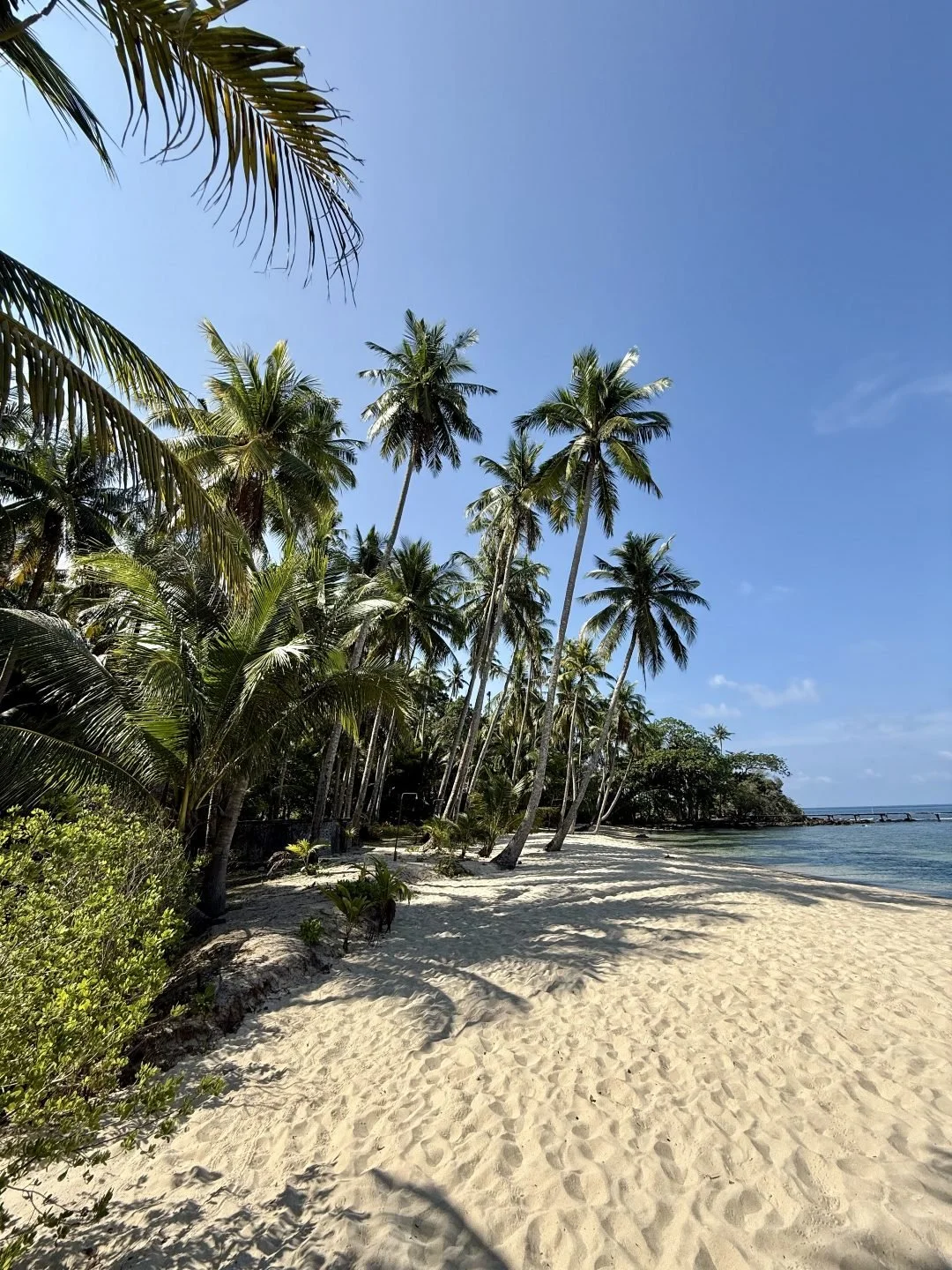
Koh Kood in March
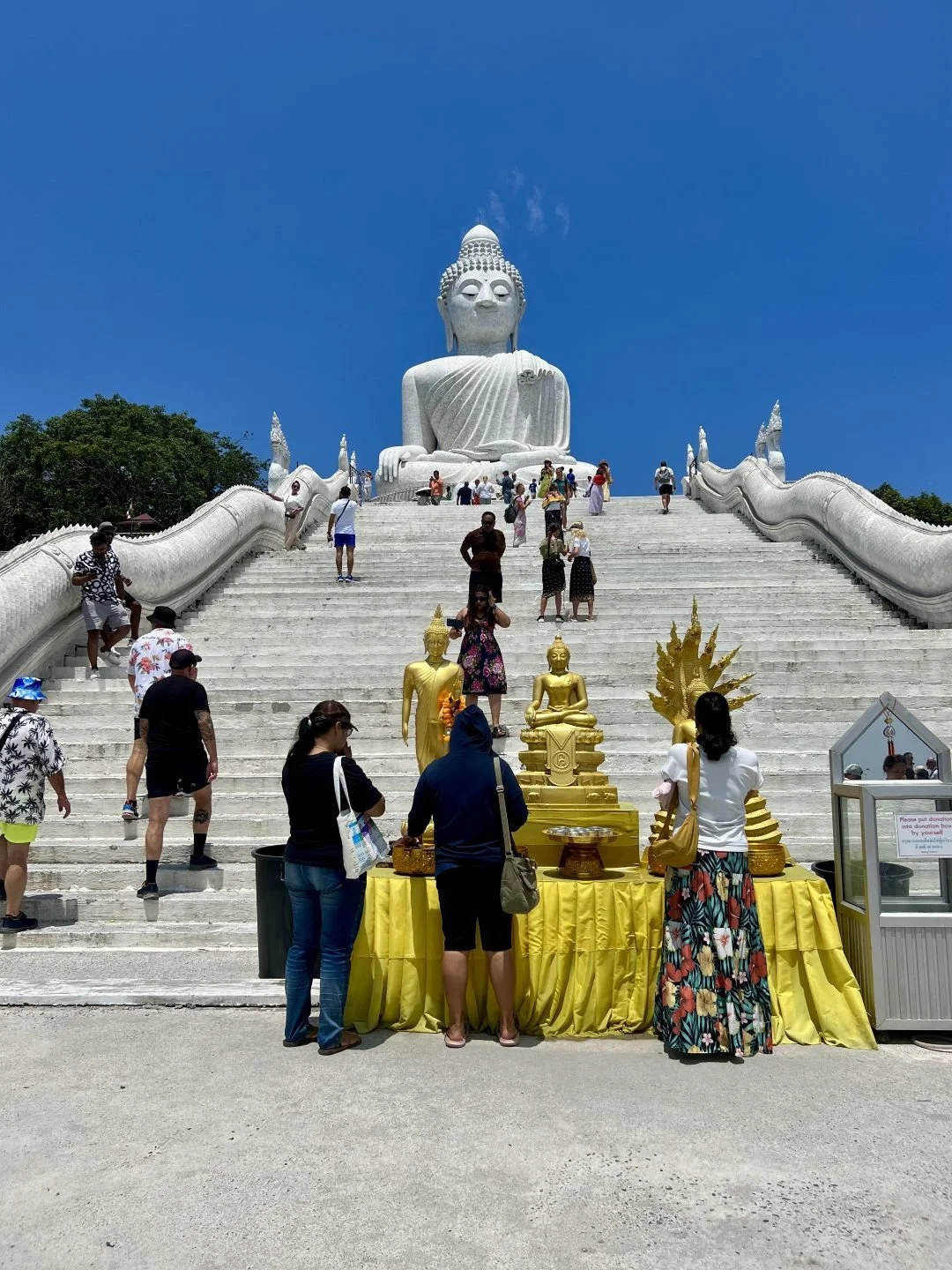
Phuket in April
How Reliable is the Dry Season in Thailand?
The dry season, broadly defined, runs from November to April. This is when you’ll get blue skies and calm seas for island hopping in the Andaman. From our experience, this weather window is super reliable. We’ve never had to reschedule boat trips, or cancel any of our plans in the cities or countryside. But it can become scorching as you approach April, making hikes up Tiger Cave Temple and Bottle Beach Viewpoint tough work.
Our favorite months in the dry season are November and January. November immediately follows the rainy season where you’ll be treated to plenty of sun, green landscapes and flowing waterfalls. January is another superb month that promises good weather, in between the mad rush of Christmas and Chinese New Year (February). That said, there’s something special about exploring Bangkok’s Chinatown during this festive period.

Island hopping in the dry season

Tiger Cave Temple, Krabi
Benefits of Visiting in the Shoulder Season
Don’t panic if you can’t make it to Thailand during the peak season - the shoulder months of October and April/May come with a few excellent perks. For starters, October is a lot drier than September, especially up north in Chiang Mai and Chiang Rai. You’ll also beat the worst of the crowds that start to creep in from November. Daytime temperatures still hover above 30°C, with a fair bit of humidity, but it’s nowhere near as hot as April.
April/May is when it feels incredibly muggy in Thailand. It almost justifies taking a shower every time you go outside - that’s how much you sweat. Naturally, you’ll want to be relaxing by a beach rather than stuck in a city. Most islands are fully operational, apart from some of the far-flung marine parks such as the Similan Islands which shut down from mid-May. To lure in more guests, many resorts offer reduced rates of between 20-50%.
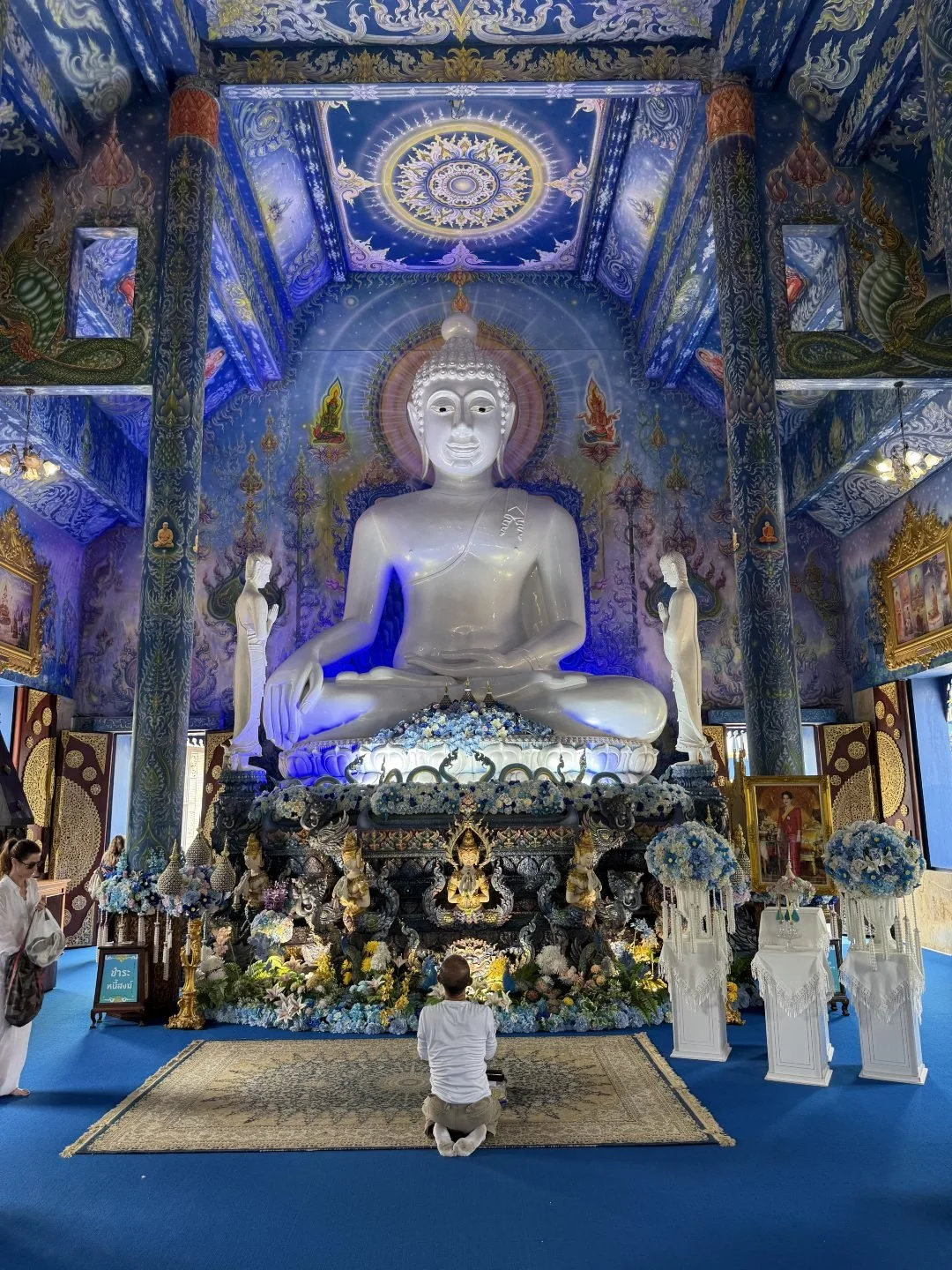
Blue Temple, Chiang Rai
A Smart Strategy for the Rainy Season
Because we live in New Zealand where winter falls in June-August, we always crave a tropical holiday during this period. Anyone living in the Southern Hemisphere will probably have similar thoughts: how can I escape the winter and get some sun on my skin? Most Australians, for example, head to Bali. However, Thailand shouldn’t be automatically dismissed. There’s a way to do the rainy season right and here’s how.
You need to be picky about the places you can realistically visit. By limiting your itinerary to Bangkok → Chiang Mai → Koh Samui, you could enjoy a fantastic trip in June/July. It will definitely rain at some point but hopefully it’ll just be brief afternoon showers. If you tried to add Phuket or heaven forbid Koh Chang, you’d almost guarantee a washout. These destinations work particularly well because they’re all accessible by direct flights.
Ferry and speedboat trips are actually the biggest challenge of the wet season, not the rain. Rough seas can make the short journey from the pier to Koh Samui a nightmare. The fact that you can fly straight to Samui with Bangkok Airways is a game-changer. And the great thing about this island, located in the lower Gulf of Thailand, is that it sits in a unique microclimate with a monsoon season that hits much later than the rest of the country.

Koh Samui
The Magic of Thailand’s Microclimates
To give you an idea of Koh Samui’s microclimate, the average monthly rainfall from May to September only fluctuates between 110-150 mm. Compare that with Krabi on the Andaman Coast which sees between 230-320 mm over the same period. The rain peaks in Koh Samui in October and November, before petering out by January. These are averages, of course, so don’t be surprised if you get a couple of wet days on a 7-day stay.
Another island that boasts a distinct microclimate is Koh Samet, perched just off the coast of Rayong near Bangkok. The best time to visit this white beach paradise is December to March and June/July, making it a brilliant substitute for Phuket or any of the Trat Islands during the monsoon season. Koh Samet has been popular with Thais for years but it’s still under the radar for tourists, so we recommend visiting ASAP before that changes.

Ang Thong National Marine Park near Koh Samui

Koh Samui
Air Pollution & The Burning Season
Air pollution is an ongoing problem in Bangkok. We’ve never had any problems arise from this, even when visiting during the worst month of February. However, we know this might be a deal-breaker for some people. Prolonged exposure can give you a nasty cough, and the haze makes those rooftop bar sessions at sunset slightly less appealing. Fortunately, the air quality does improve in the wet season when the rain clears things up.
One contributor to Bangkok’s air pollution is agricultural burning in the surrounding provinces, although this is traditionally more of a problem in Northern Thailand. We’ve been warned against traveling to the north in March/April due to the “Burning Season”, yet we didn’t find it that bad on our latest visit. Our friend from Chiang Rai told us that the government is restricting this practice, while offering sustainable alternatives for farmers.
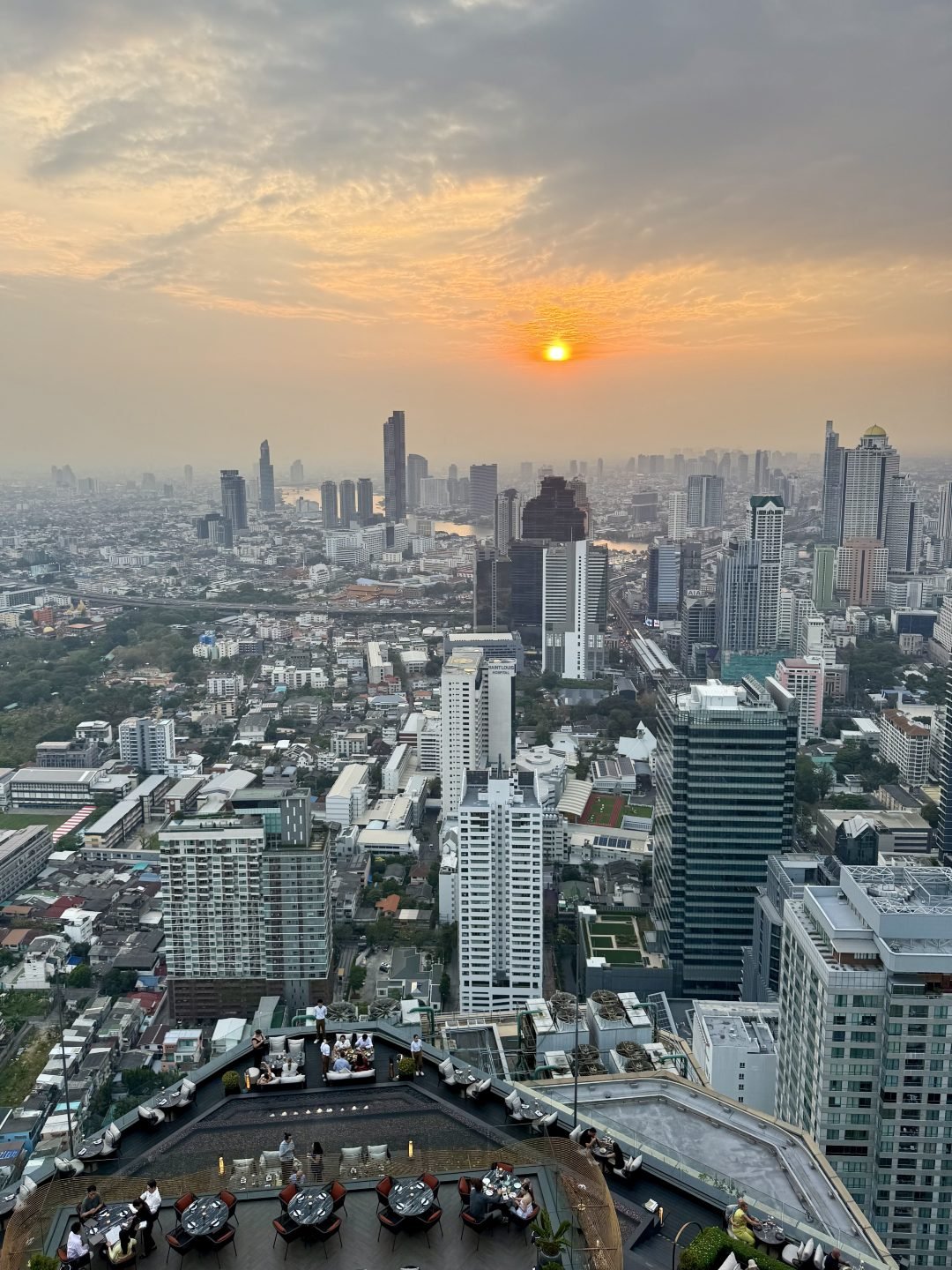
Hazy sunsets Bangkok
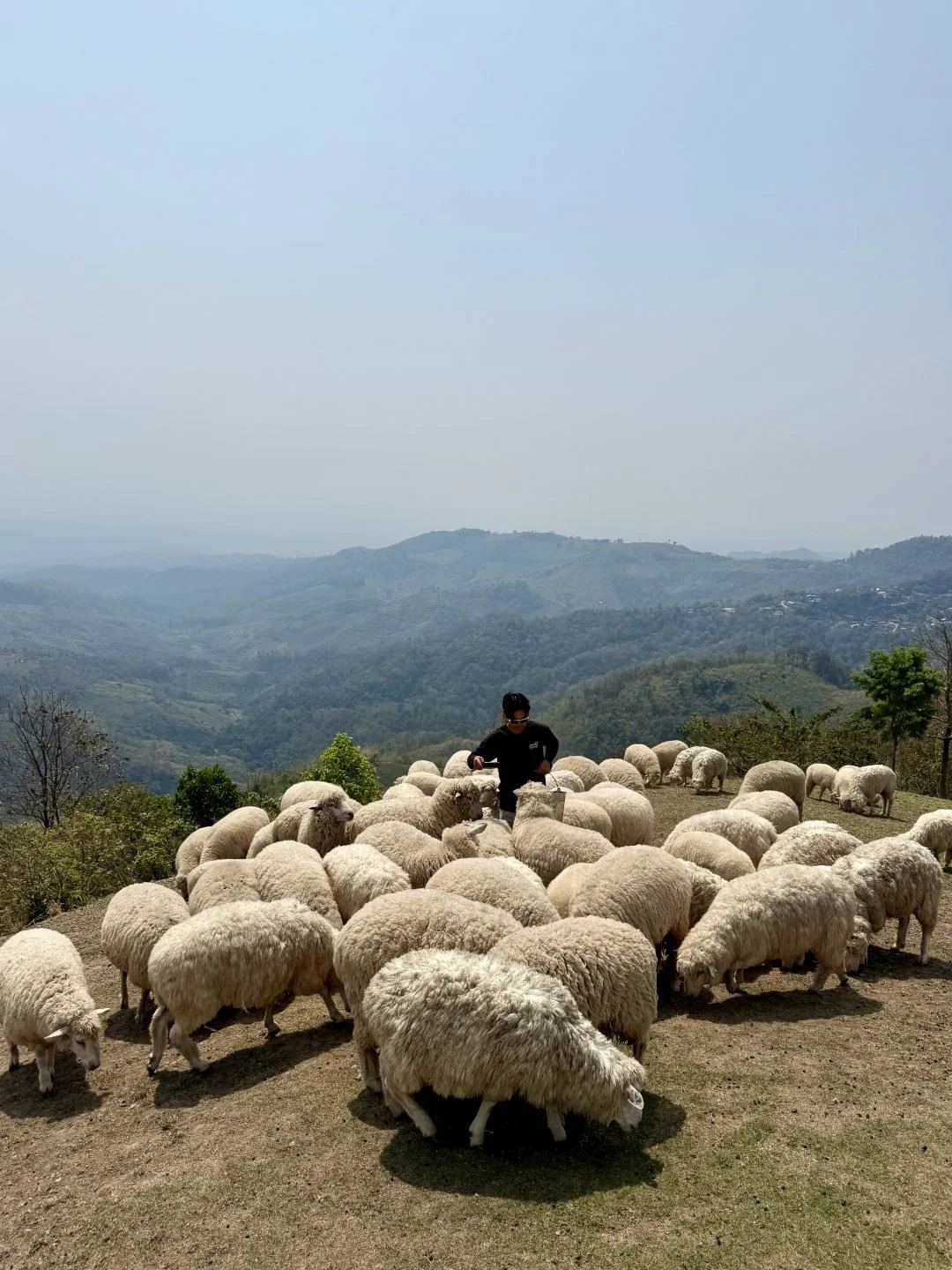
Burning Season in Chiang Rai
What to Pack for Thailand’s Different Seasons
Thais call the dry season “winter”, which to us sounded ridiculous until we ventured up to the King & Queen Pagodas in Doi Inthanon National Park and it got bitterly cold. Luckily, we had puffer jackets in our bags that we could easily throw on. If you’re visiting Northern Thailand in December or January, we suggest packing some warm clothes for the early mornings and nights. A lightweight raincoat will also be handy for the odd downpour.
Apart from that, you only need to bring summer attire, plus a few items to cover up at the temples (sarongs and long trousers). One thing we want to stress about Thailand is how strong the sun can be. Cam has lost count of how many times he’s turned into a lobster. He was so sunburnt in Koh Kood once that he was desperately trying to buy a long-sleeved shirt for the scooter ride back to the hotel. He tried to squeeze into a few “large” Thai sizes with absolutely no luck. It was hilarious!

Doi Inthanon National Park in December

Cam sunburnt in Koh Ngai
FAQs About When to Visit Thailand
What are the hottest places in Thailand?
We’ve felt the hottest in Kanchanaburi and Khao Sok National Park. Khao Sok was boiling in February - it felt like a basin channeling in the sun and retaining it within its dense rainforest. To be honest though, Thailand is hot all over, which is why beer is always served with ice! Kat is constantly hiding from the sun and wearing elaborate outfits to cover up, like full face balaclavas while riding scooters. There’s a reason Thailand celebrates Songkran: it’s toasty.

Khao Sok National Park

Kat covering up from the sun in Koh Samui
When is the best time to visit Bangkok?
For sunshine and less hazy skies, we recommend visiting Bangkok between the months of November and February. Bangkok isn’t like Kuala Lumpur, or other cities in Southeast Asia, where it can rain at any time of the year. Rain is actually a very rare occurrence in the dry season. Cooling yourself down on those sweltering days is best achieved by booking a hotel with a pool, and riding the BTS and MRT for some much-needed air conditioning.
What month is perfect for island hopping?
Our preferred month for island hopping in Thailand is February, simply because all of the island chains are dry. This is true for the Gulf Islands, Trat Islands, and any island scattered throughout the Andaman Sea - from the Surin Islands to Koh Lipe. You could plan a month-long adventure during this time and the chances of rain or rough seas interrupting your travels are slim. But remember: this is peak season, with peak resort prices.
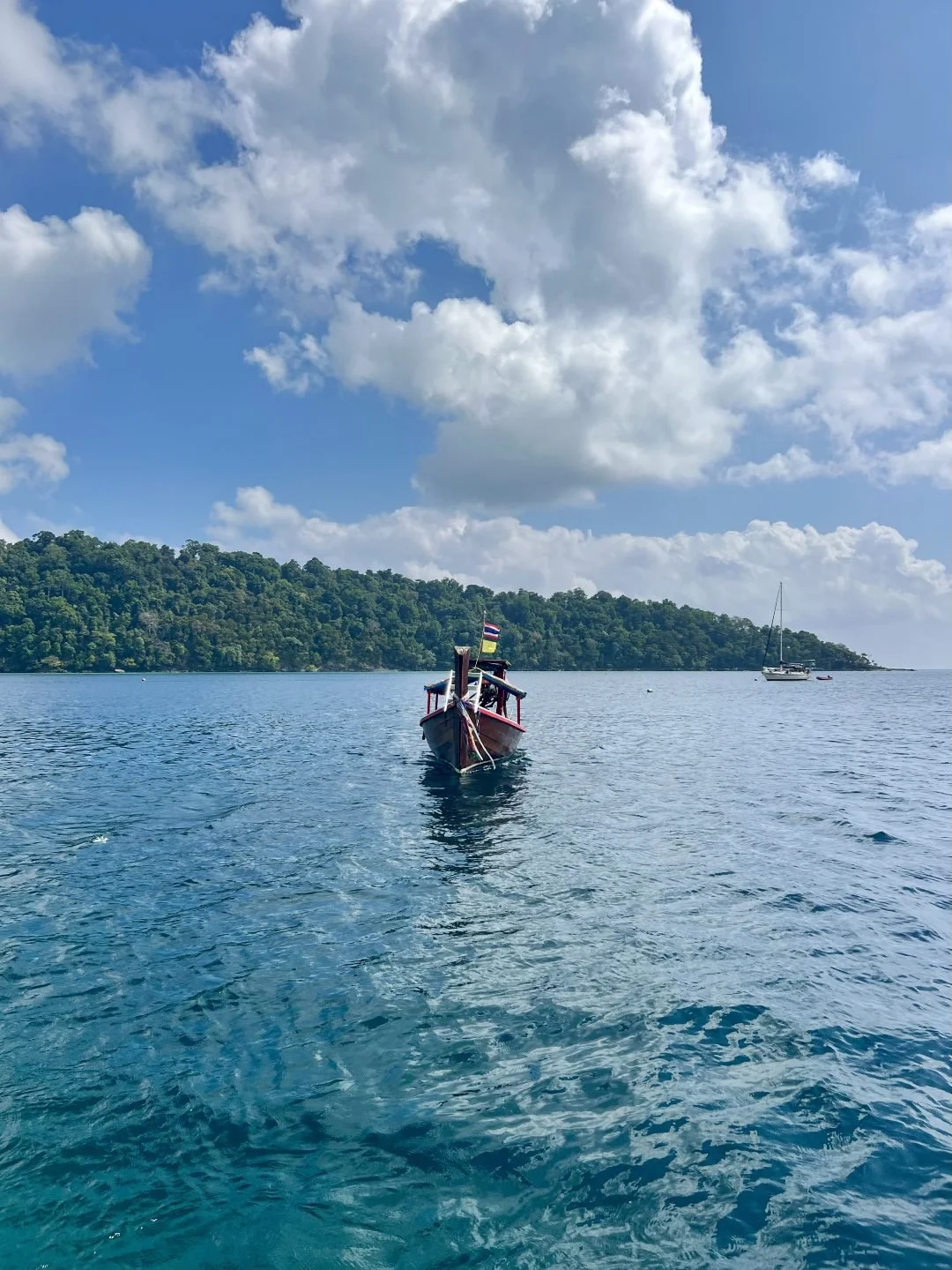
Surin Islands in February
