
Visiting a country nicknamed “The Land of Smiles” means one thing: you’re in safe hands. We’ve been exploring Thailand for years now and never had a single safety concern, except for a few mad taxi trips but that’s a story for another day. The people here embrace the “Sabai Sabai” (take it easy) attitude and rarely seem to get flustered by the pressures of modern life.
We always feel relaxed as soon as we land at Suvarnabhumi Airport, helped of course by the warm weather and the fact we’re on vacation. Overall, Thailand is very safe for tourists - including for solo female travelers and families with young children. Like anywhere, you’ve still got to keep your wits about you and have situational awareness - especially when it comes to riding motorbikes in heavy traffic and avoiding certain border regions.
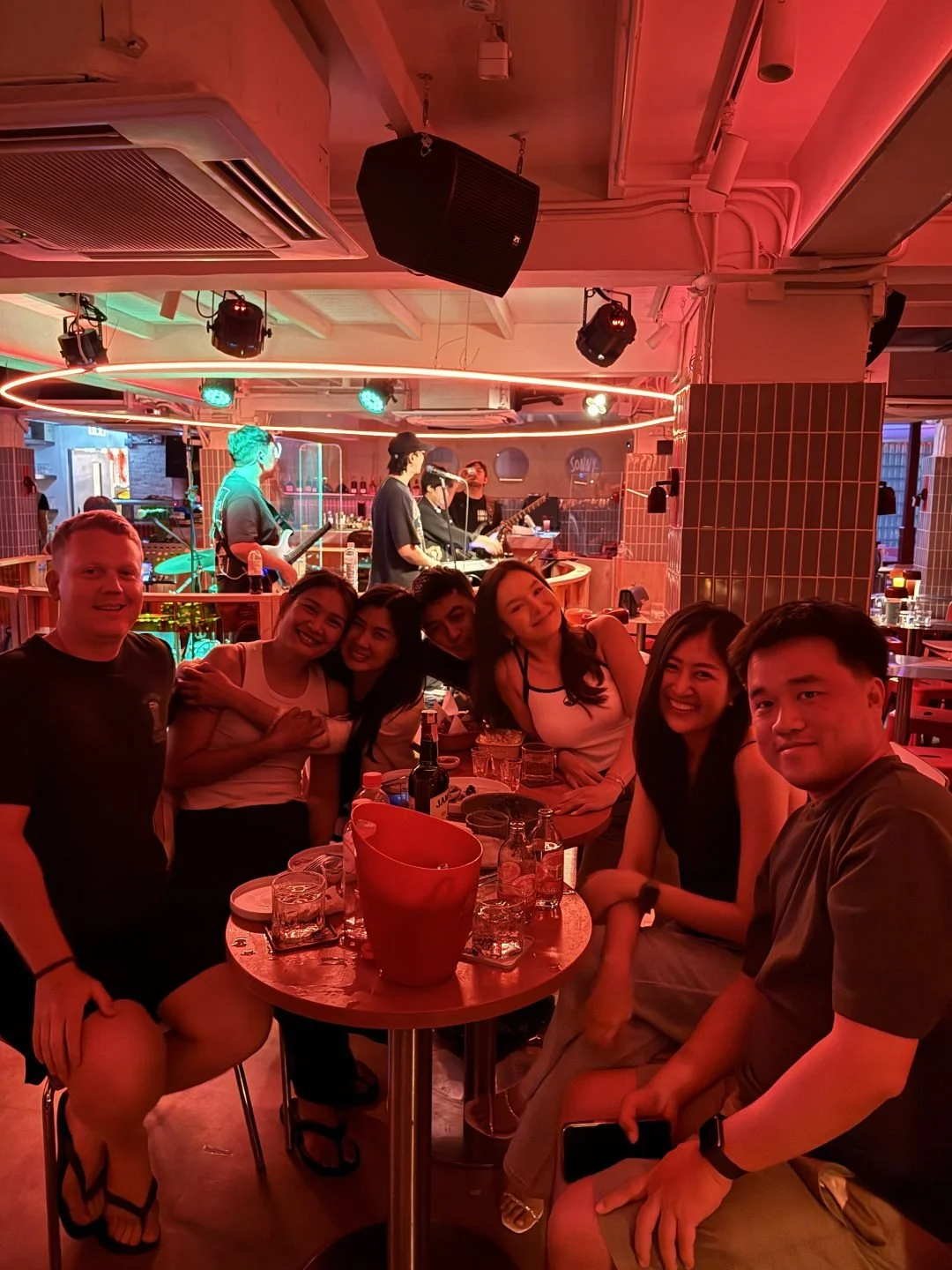
Hanging out with our Thai friends in Bangkok
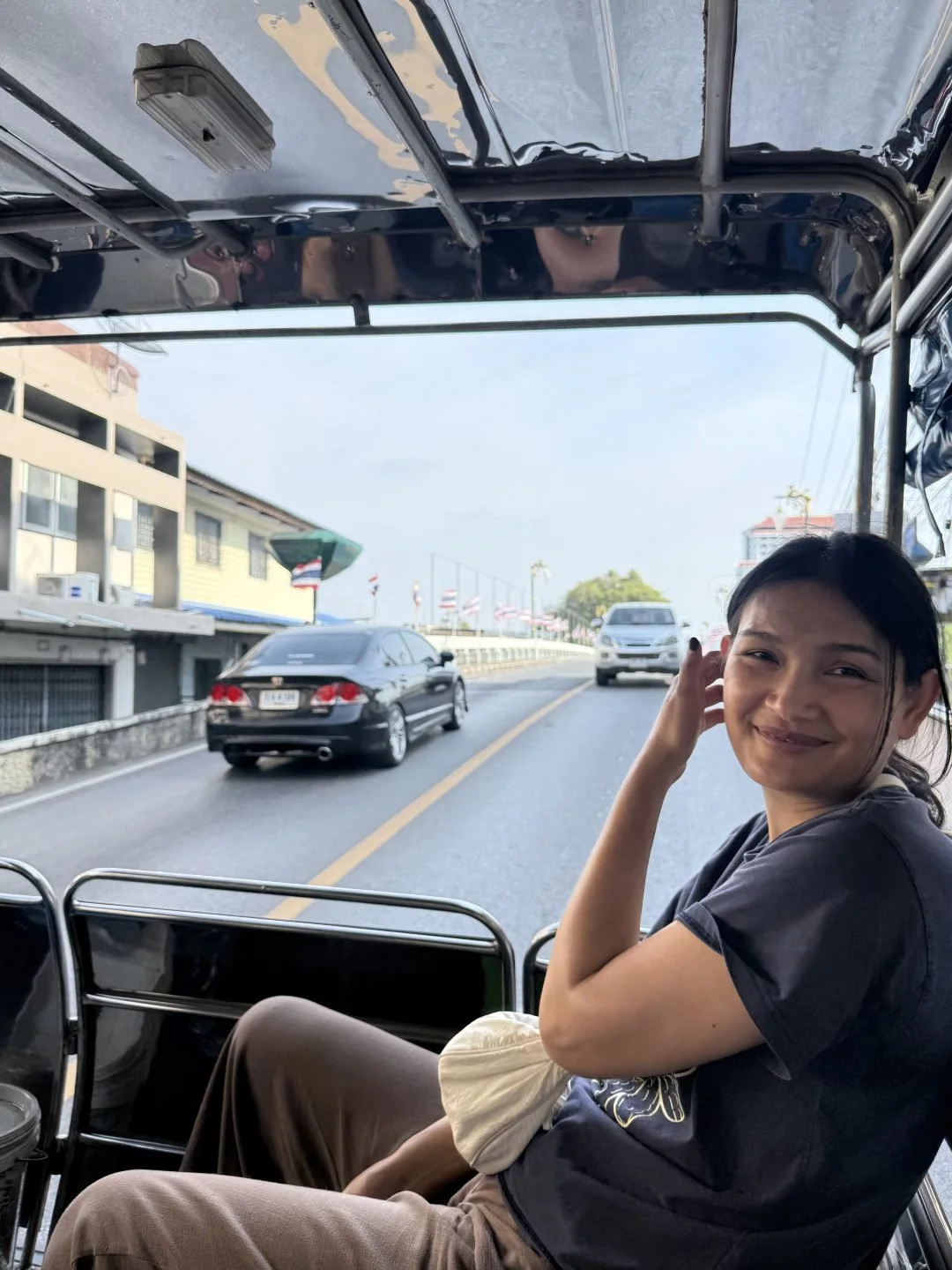
Kat catching a local Songthaew in Chanthaburi
Thailand’s Low Crime & Peaceful Culture
It’s widely recognized that Thailand has low rates of petty theft and violent crime. We’ve never seen any altercations, pickpockets or serious scams - beyond a tuk-tuk driver taking us to his friend’s suit shop many moons ago. Theravada Buddhism is an inherently peaceful religion and over 90% of the Thai people believe in it. They’ll struggle to harm an insect, let alone a human.
Just for some global context: Cam actually did a bit of backpacking through South America in his early twenties and the contrast with Thailand couldn’t be starker. He had to constantly watch his back and unfortunately got mugged in Peru one time. We’ve never heard of such stories in Thailand and you’d be incredibly unlucky if that happened to you.
Walking around Bangkok, Phuket and Chiang Mai is safe even late at night. From what we’ve seen, issues only arise from rowdy tourists rather than locals. This is where you need to be on guard. If you head down Bangla Road in Patong Beach, for example, just know what it entails: lots of alcohol and partying. Solo female travelers might want to be wary of this.
Why Motorbikes Are the Biggest Danger
The main threat to your safety in Thailand is when you decide to rent a scooter or motorbike and go exploring. We’ve seen many tourists leaving Thai hospitals with bandages on their legs or just noticed a slight “road rash” on others. We once met a traveler who shattered his knee after a terrible motorcycle accident, which took him months to recover from.
As dangerous as the traffic can be, we find the roads to be at their most perilous when wet (after a downpour). Sharp turns or sudden braking, especially on the mountainous roads of Pai or Koh Chang, can leave you in a spot of bother. But let’s not overblow it. As long as you wear a helmet, don’t ride intoxicated and go slow, you should be fine right across Thailand.
We only hire scooters in smaller cities or the islands anyway, which tends to make life easier. And we never consider using them in Bangkok. This is due to the intense traffic, difficult navigation, and the fact that the MRT and BTS take us to most of the places we need to go. We recommend doing the same, and reading our guide on How to Get Around Bangkok which covers all of your transportation options in this fast-paced city.
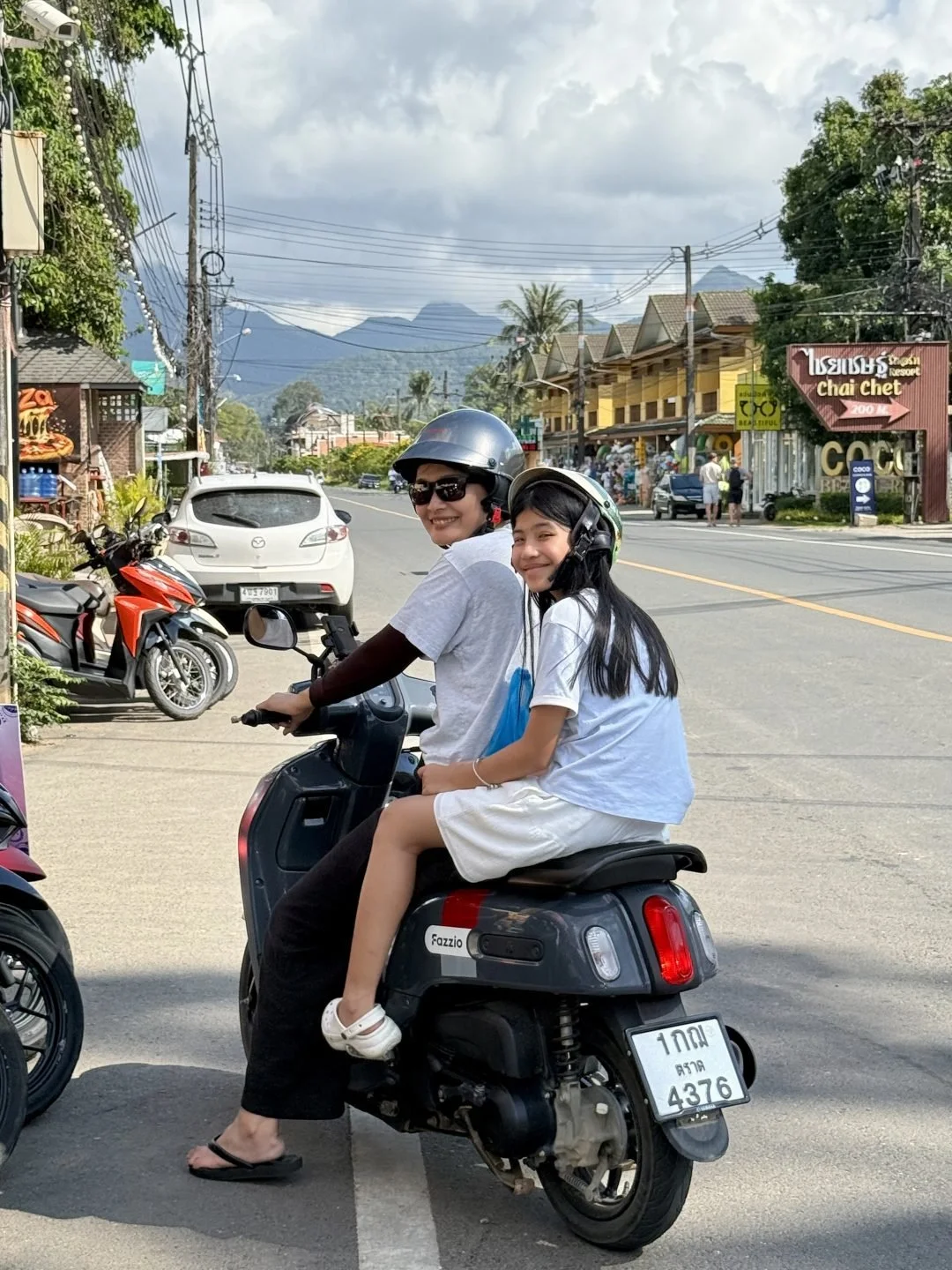
Kat riding scooters with her niece
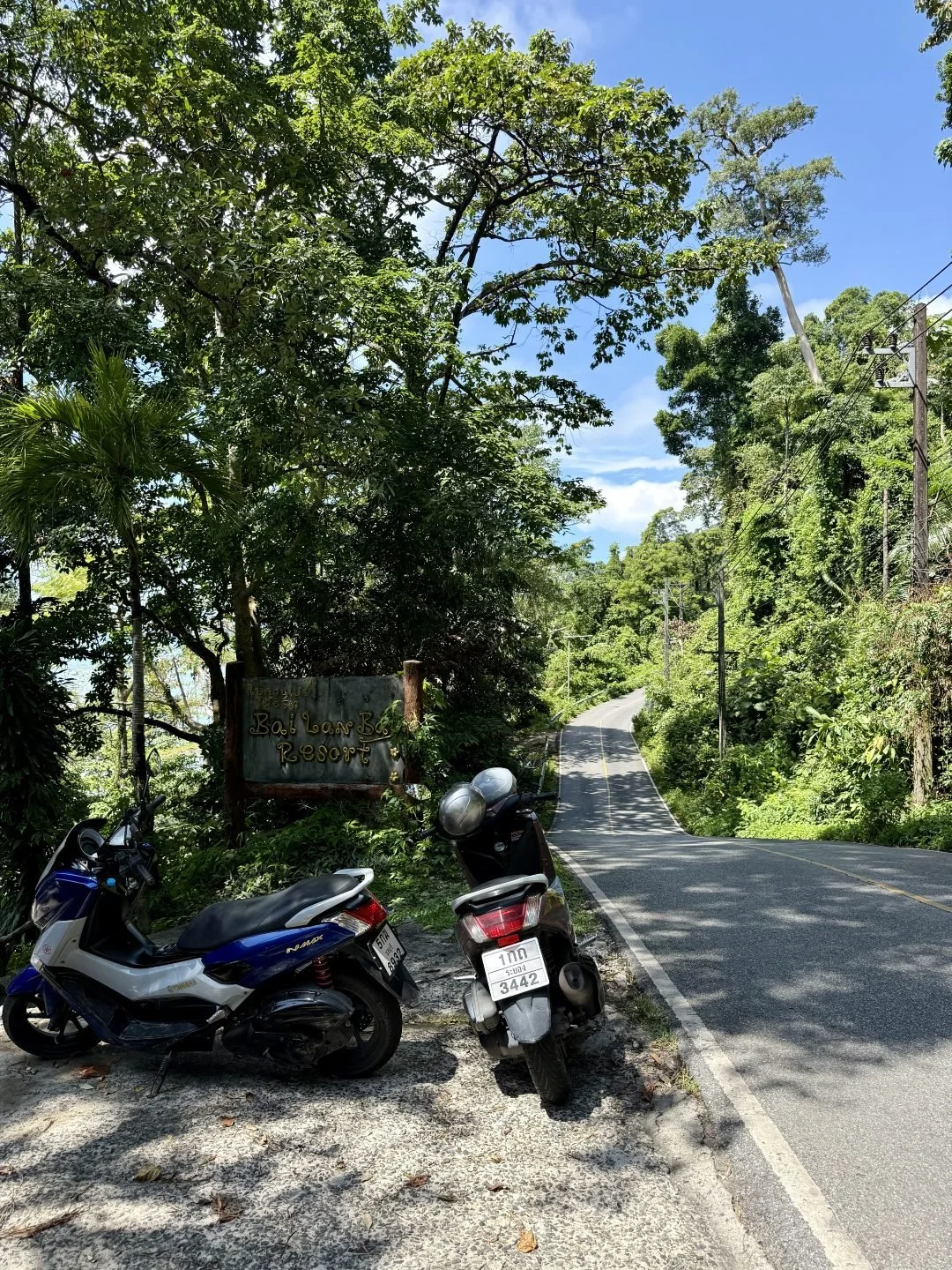
Mountainous roads of Koh Chang
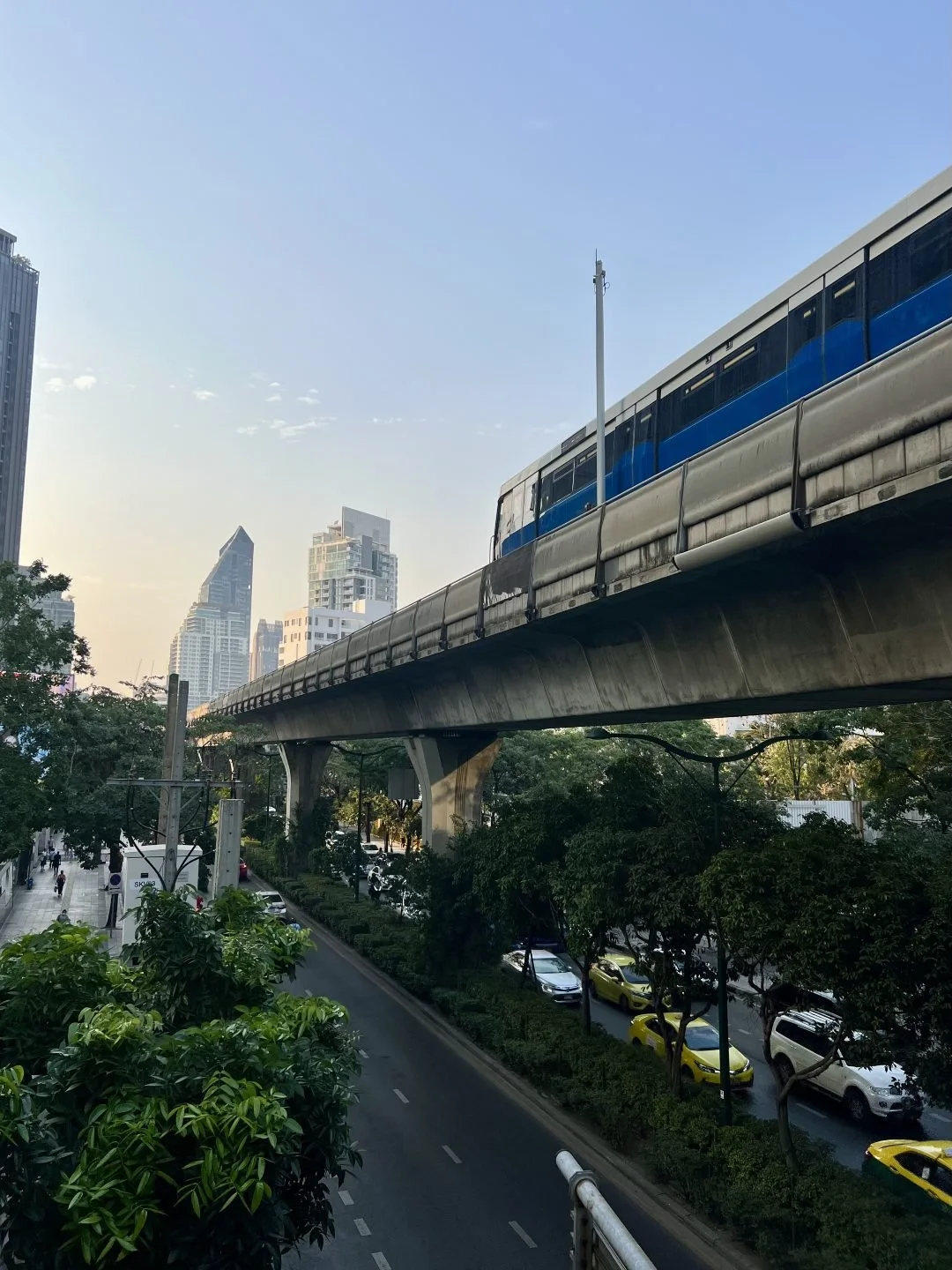
BTS Skytrain in Bangkok
Local Laws & Etiquette You Need to Know
One thing you don’t want to be doing is going around criticising the King or Monarchy in Thailand. This includes any negative comments or jokes made in person or online. Regardless of your personal opinion, it’s best to just avoid the topic altogether as Thailand has some of the strictest royal defamation laws in the world. Why ruin your holiday with politics anyway?
Another local rule to follow is to be respectful at the Thai temples. Always cover your shoulders and knees, remove your shoes when entering the halls, and never point your feet or stand above the revered Buddha statues. You’ll see monks at temples everywhere in Thailand, and it’s important to give them space and not intrude on their religious practices. Stay quiet as they pray and make merit, and only take photos from a distance.
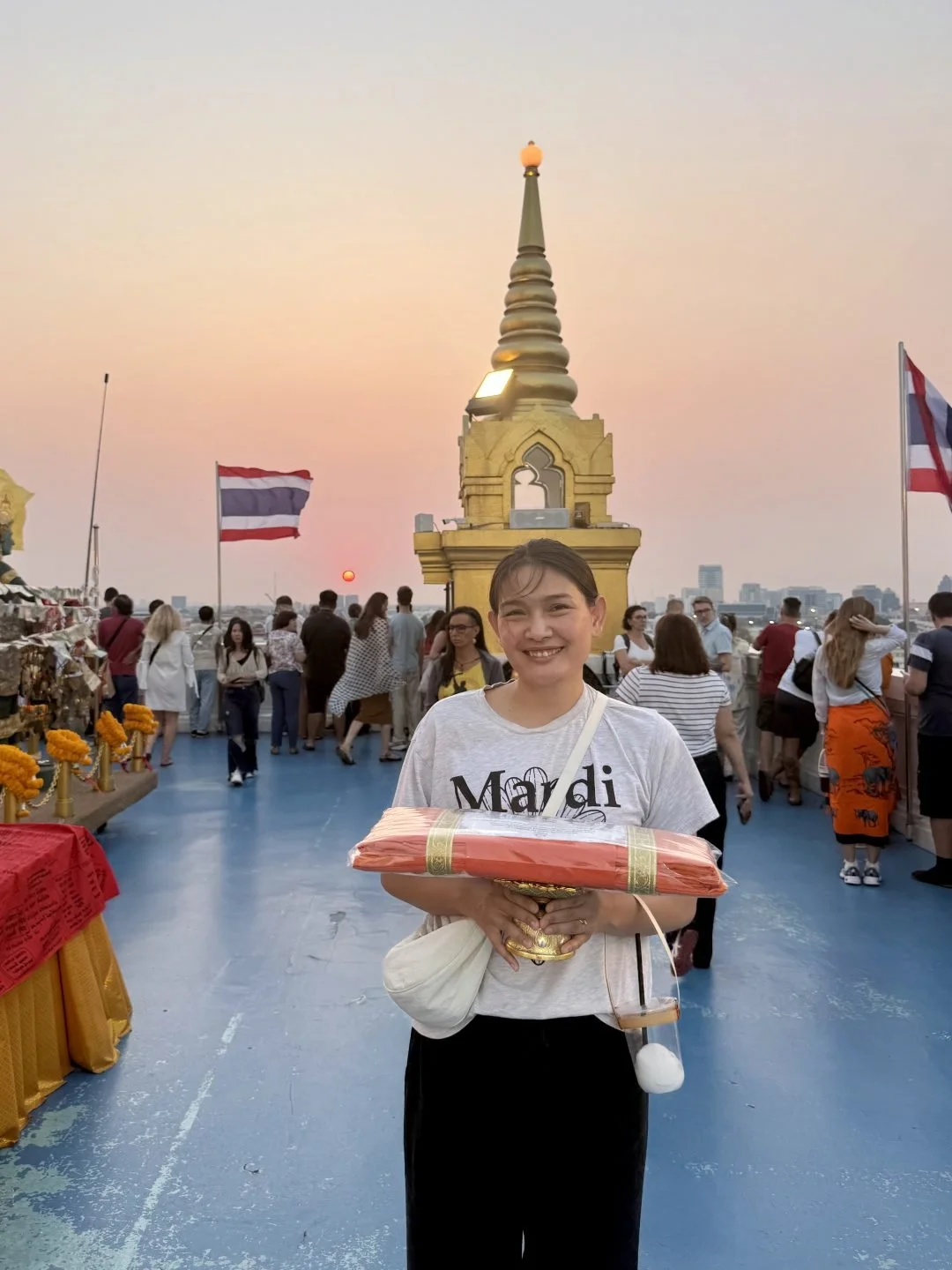
Kat at Golden Mount (Wat Saket)
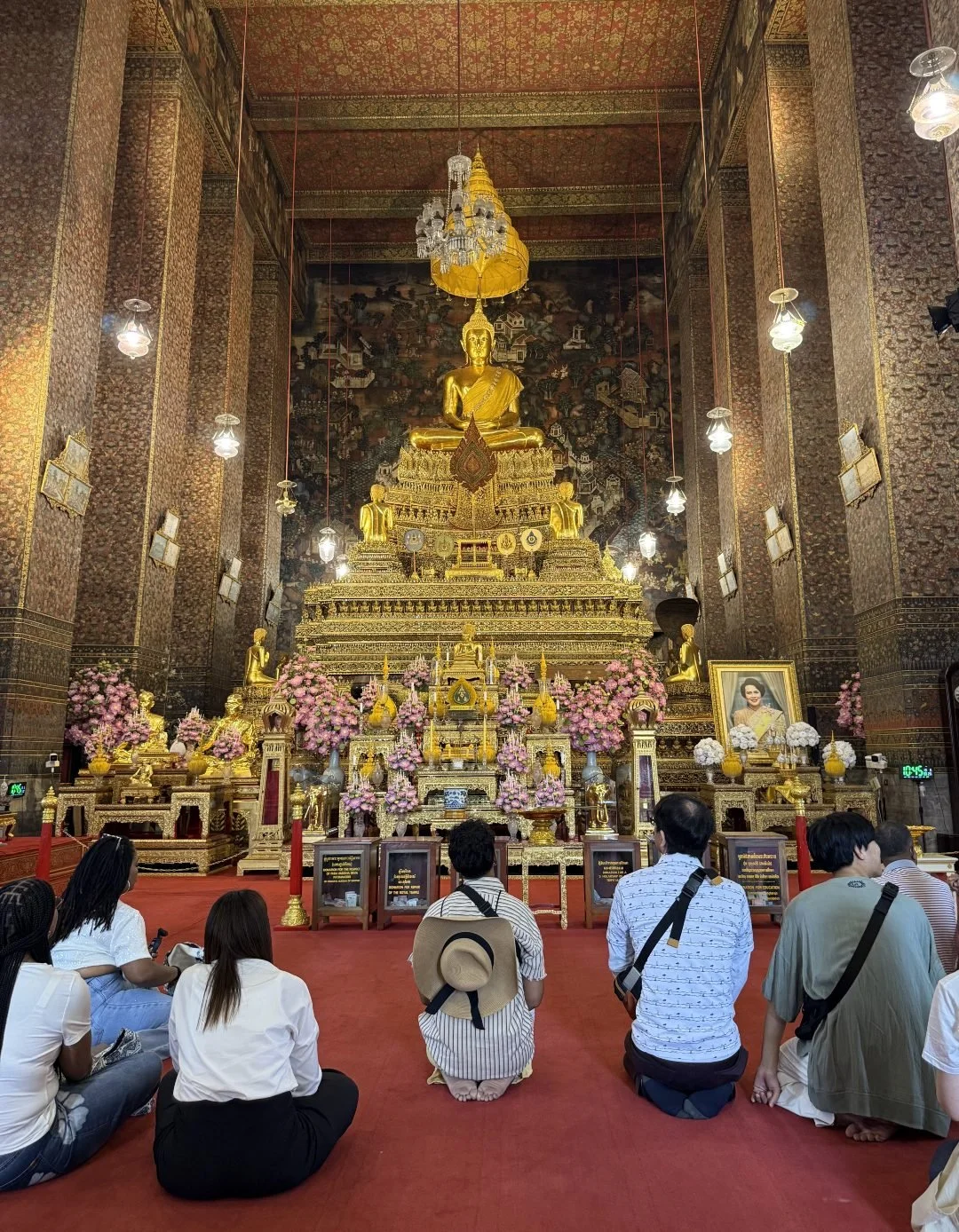
Thai temples
Is Thailand Safe for Families & Solo Female Travelers?
Thailand is an extremely safe country for families. Thai people exude an amazing warmth toward children, and resorts on islands like Phuket and Koh Samui cater really well to families. You can even take advantage of the nanny services if you’d like to have a date night or embark on a tour to one of the islands near Phuket. Some of the local food might be too spicy for kids but there’s plenty of Western options in the main tourist hubs.
Solo female travelers will also find Thailand to be safe. As mentioned, the only situation where you need to be careful is when partying down Khao San Road or attending celebrations like the Full Moon Party. Beyond nightlife precautions, always wear a helmet on the back of Win motorcycles and (if you want to) you can stay at female-only dorms for extra peace of mind.

Cam with Kat’s niece
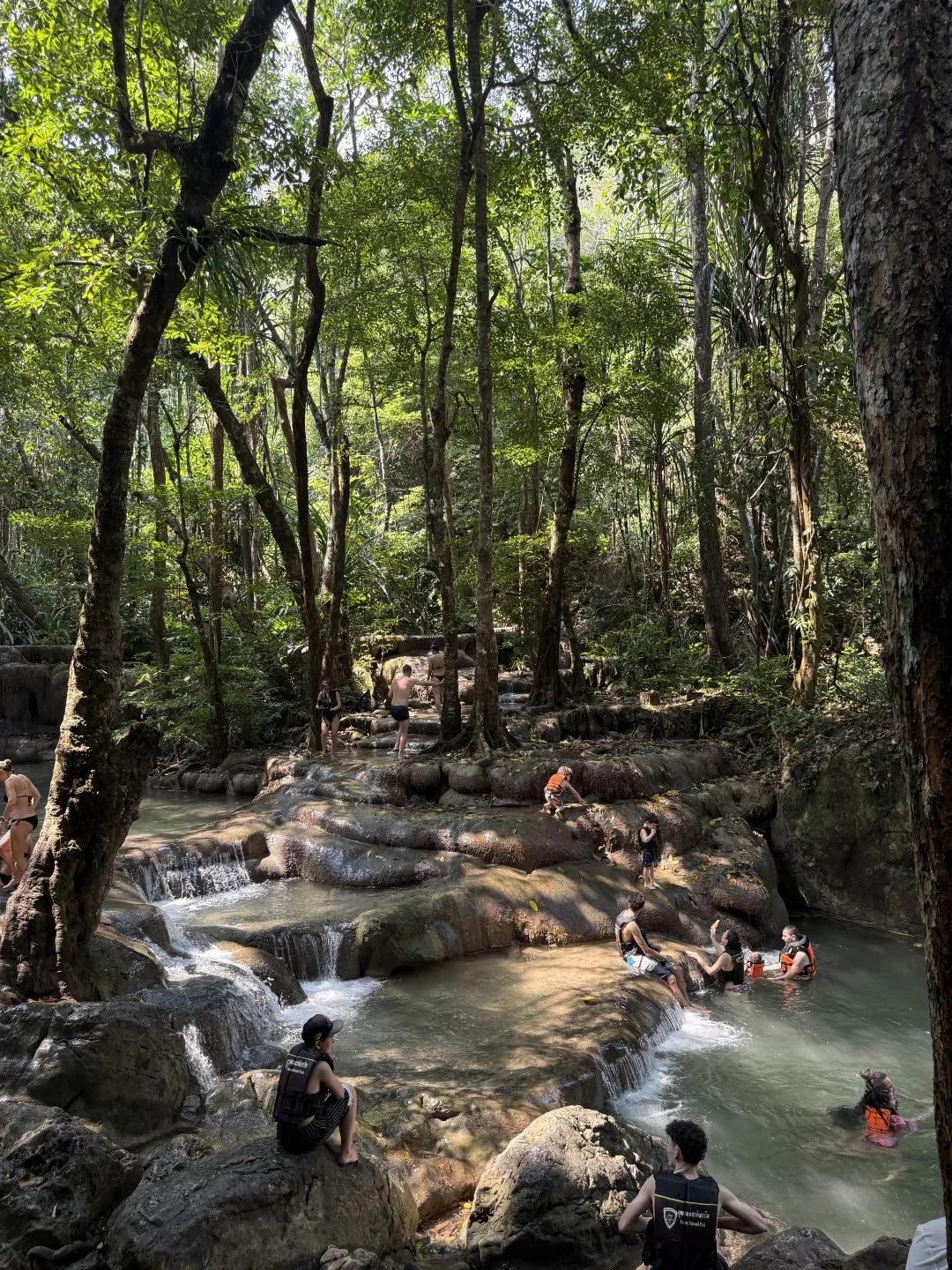
Families enjoying Erawan Falls
Which Parts of Thailand Should You Avoid?
The biggest news story to come out of Thailand recently has been the skirmishes with Cambodia. Without getting bogged down in the details, these clashes have taken place on the border mainly in the Surin, Si Sa Ket and Ubon Ratchathani provinces. Most tourists don’t travel anywhere near these regions and there’s been a ceasefire in effect for a while too, which means it’s nothing to worry about as long as you avoid the immediate border.
Although, as it stands today, you can no longer do the overland border crossing to get to Siem Reap. Instead, you’ll need to fly from Bangkok if you’re wanting to take a sidetrip to Angkor Wat. This probably isn’t a bad thing, to be honest, because we’ve done the Aranyaprathet-Poipet border crossing before and the van ride to Siem Reap was absolutely terrifying.
Our Cambodian driver was speeding and overtaking like a lunatic, and no matter how many times we told him to slow down he just laughed and continued driving recklessly. We got there in the end but boy was it scary! Most travel advisories recommend staying at least 50 kilometers away from the Thailand-Cambodia border - something you’ll have no problem doing.
Another area in Thailand to steer clear of is the southern border with Malaysia, specifically the provinces of Narathiwat, Yala, Pattani and the southern part of Songkhla. This is due to political unrest and security risks. Again, the furthest south most travelers go is to the Hat Yai Airport to reach the boat piers of Koh Lipe, so this won’t be a problem on your Thailand trip.
This might all sound alarming but don’t let it put you off coming to Thailand. Popular southern destinations like Koh Samui, Phuket, Krabi and the Trang Islands are totally safe, and the same goes for the eastern Trat Islands of Koh Chang, Koh Kood and Koh Mak. We hope these border issues get resolved soon so Thailand as a whole is safe from top to bottom.
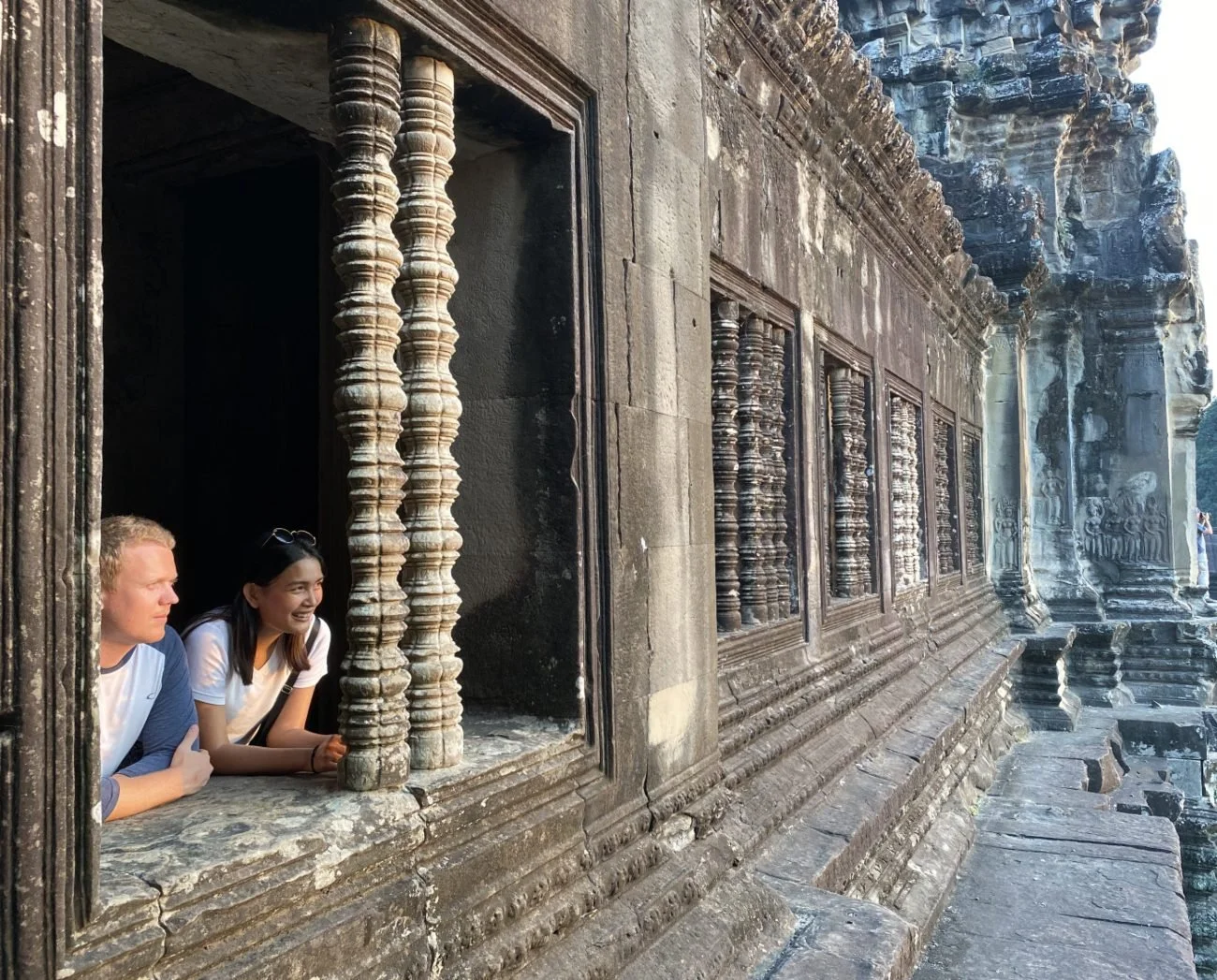
Angkor Wat
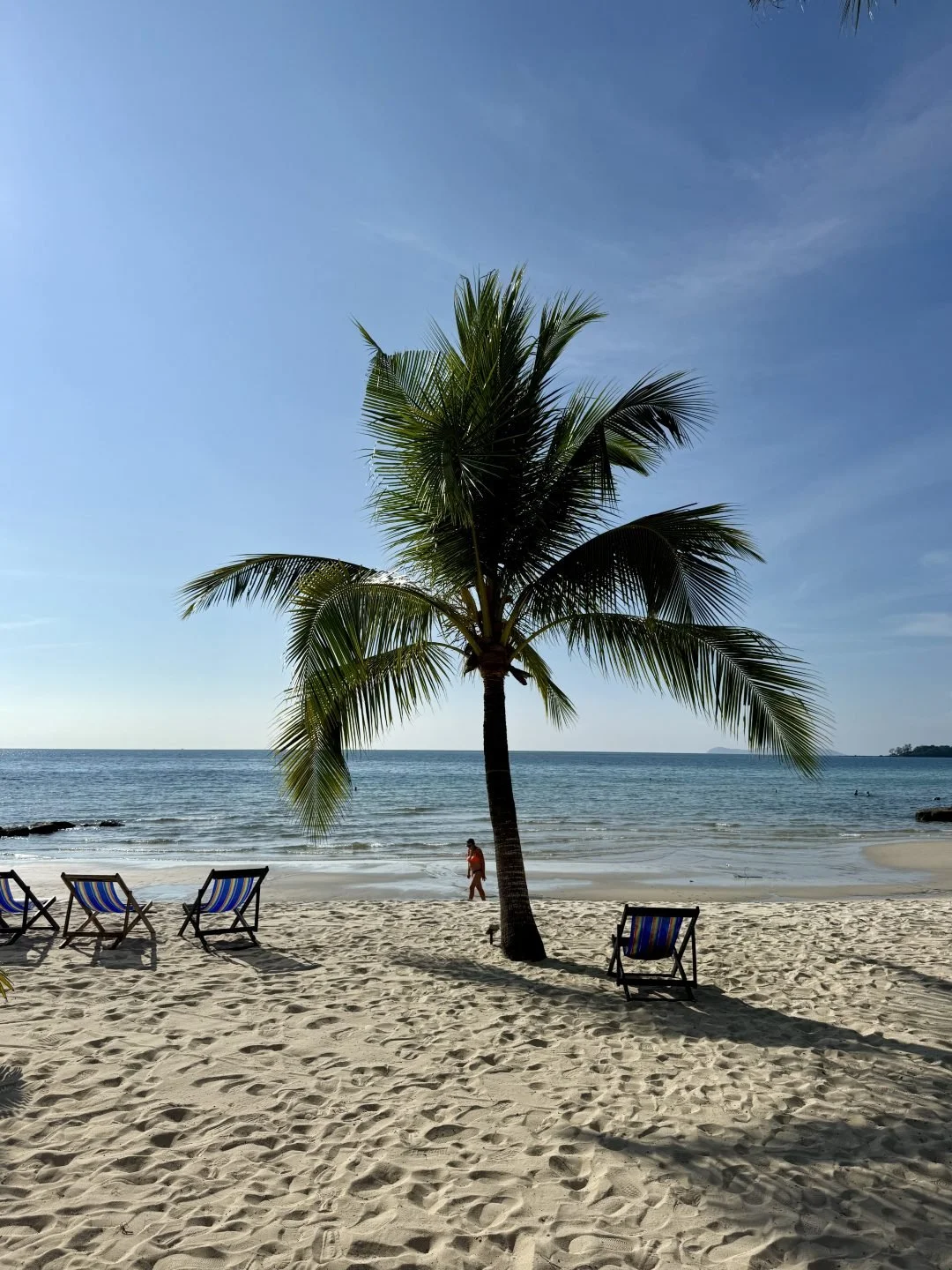
Koh Kood
Final Thoughts on Staying Safe in Thailand
Staying safe and healthy in Thailand is easy, and only requires a modicum of common sense. Don’t drink the tap water, order your food “Ped Nit Noi” (slightly spicy), stay street smart and make sure you’ve got travel insurance just in case something goes wrong. Thailand is one of the safest countries in Southeast Asia where happy, positive vibes follow you wherever you go.
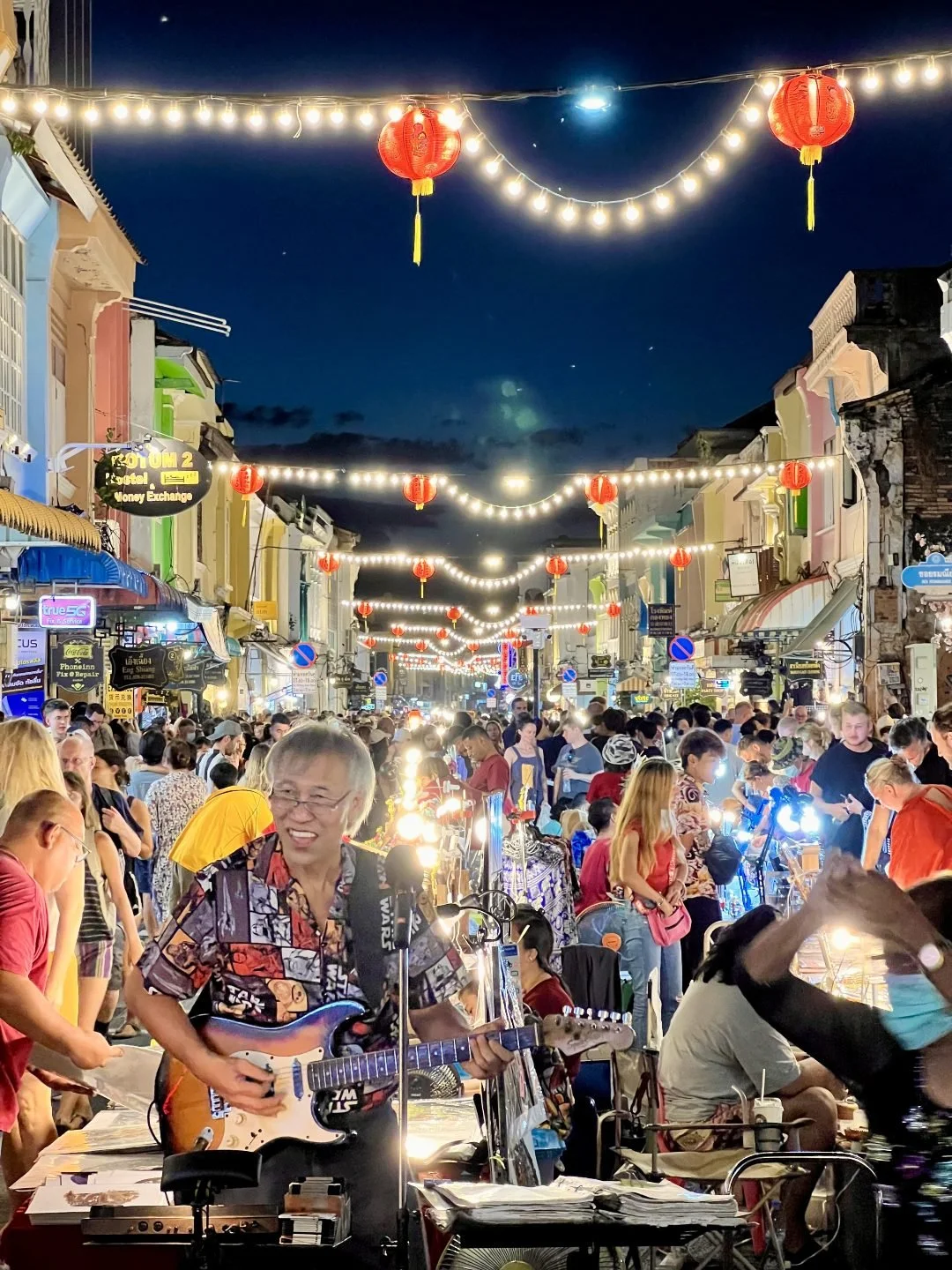
Good vibes in Phuket
