
Thailand vs Japan: Which is Asia’s Best Travel Destination?
Spend some time traveling through Asia and you’ll quickly come to realize that the two best destinations are easily Thailand and Japan. No other countries on the continent can compete with the beaches of Thailand on the one hand and the seasonal charms of Japan on the other. You’ve also got two of the world’s most high-energy cities to choose from in Bangkok and Osaka - where neon lights, rooftop bars and exceptional cuisine await.
Deciding between these two countries is a tricky task as they cater to entirely different budgets, travel styles, and expectations. Some will love the high-tech efficiency of Japan - rocketing through the countryside on the Shinkansen “bullet train” - while others will crave the freedom that comes with riding scooters through Thailand’s palm tree island paradises.
We’ve visited Japan twice now, in between our frequent trips to Thailand, and had a wonderful time on both occasions. Admittedly, we’ve only done the “Golden Route” (Tokyo, Osaka and Kyoto) plus a few sidequests to Kobe and Nara. But since Cam’s best friend lives in Japan, and speaks fluent Japanese by the way, we’ve been able to immerse ourselves more in daily life with him acting as our local guide. This has enriched our experience tenfold and made us big advocates of the Land of the Rising Sun.
Ultimately, we recommend visiting both Thailand and Japan, but if that’s not possible you might need help making an informed decision. That’s why we’ve put together this detailed travel guide comparing the costs, transport, food and attractions of these two tourism powerhouses. The biggest deal breaker for Japan is usually the price tag, so let’s start there.

Fushimi Inari Taisha, Kyoto
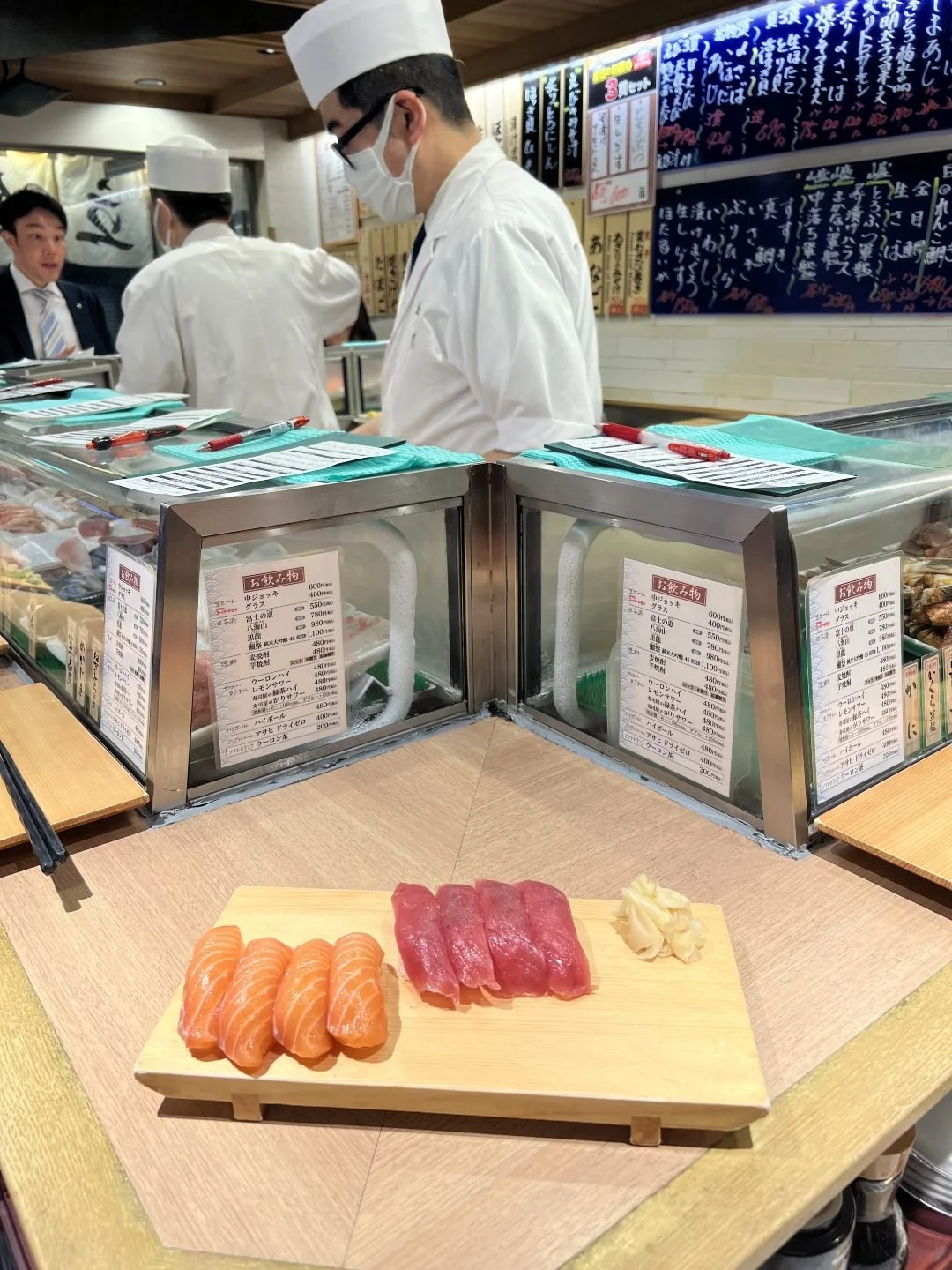
Sushi bars in Japan
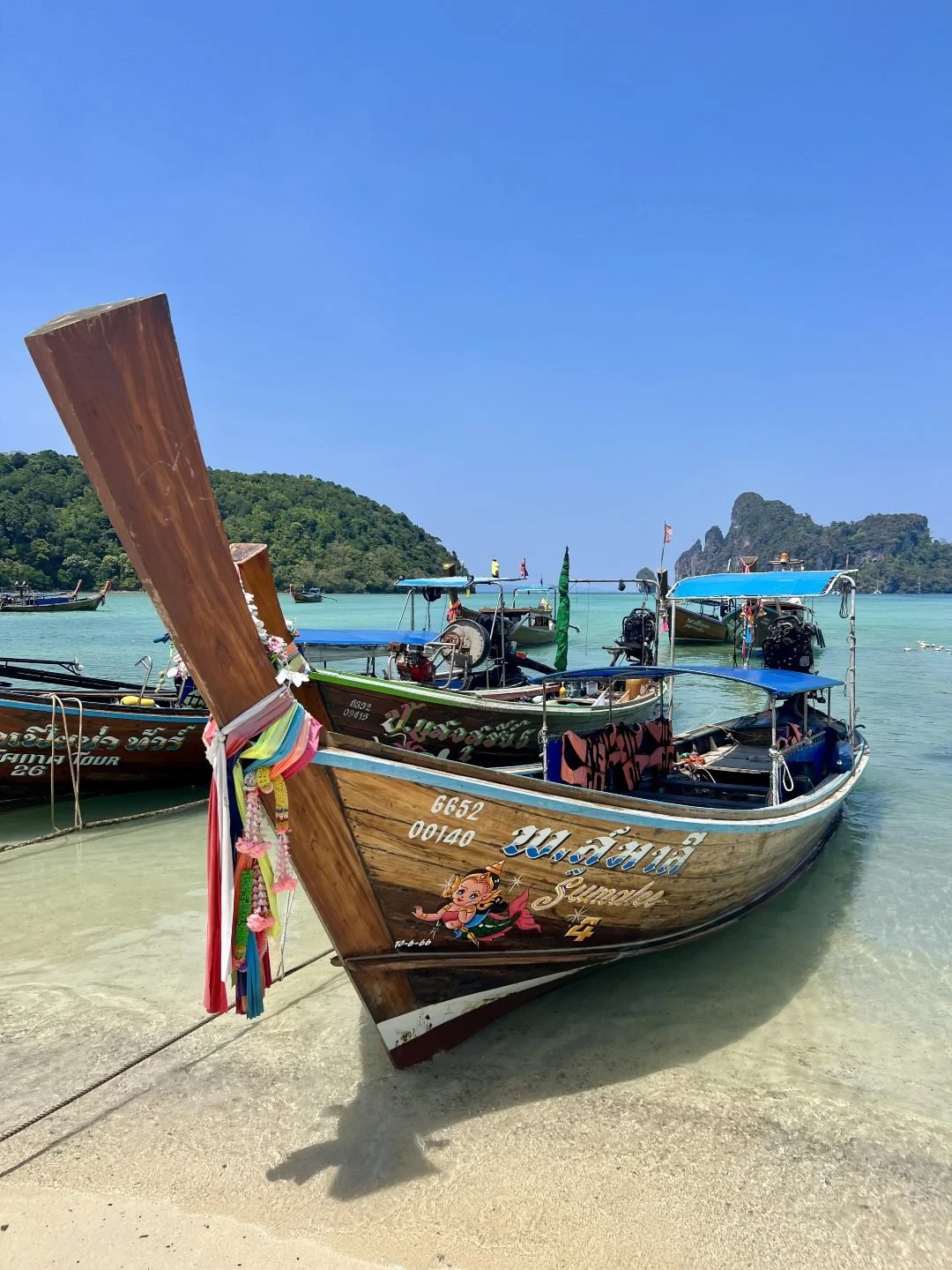
Koh Phi Phi, Thailand
How Far Does Your Money Go in Thailand vs Japan?
Japan is going through a travel boom at the moment, despite the fact that it’s more expensive than Thailand. Flying there isn’t what hits your wallet the hardest - Tokyo is a well connected city with a bunch of different budget airlines servicing it. It’s the accommodation, train passes and dining that adds up. The first time we visited Japan, we flew from Bangkok and managed to score some cheap flights with AirAsia. Flying in reminded Cam of home, green coastal landscapes very similar to New Zealand.
However, as soon as we landed in Tokyo, we realized that money doesn’t go that far in Japan. We booked a hotel for $80 USD a night, which we thought was well priced, but we were shocked by how tiny the room was. This is a common occurrence in Japan: many of the budget hotels are shoeboxes. On our next visit, we had the budget for a boutique apartment called Asakusa Kaede (about $150 USD a night) and while it was nice, the room was still pretty cramped. If we spent $150 USD a night in Bangkok, we’d get a spacious 4-star hotel with a pool and way more amenities.
Another thing that eats into your budget is the Shinkansen: it costs $90 - $135 USD (¥13,870 - ¥20,450) to go from Tokyo to Osaka. Although, it’s an exhilarating experience and something we recommend doing. Where you can save on costs in Japan is the food. There’s plenty of mid-range options, normally where the “Salarymen” eat, offering everything from ramen in booths to sushi prepared right in front of you. We would spend anywhere between $5 - $15 USD per meal at these more local establishments.
But again, this is nothing compared to the affordability of street food in Thailand. Japan doesn’t have a huge street food culture, while Thailand has it in abundance right across the country. You can find Pad Kra Pao for as cheap as $2 USD, even in the touristy areas. Based on our experience as a couple, we think Japan is roughly $100 USD per day more expensive than Thailand. When you stretch that across 30 days, you’re looking at an extra $3,000 USD. That’s why Thailand is such an attractive place to visit. With a modest budget you can still live like a king: 300 THB massage anyone?
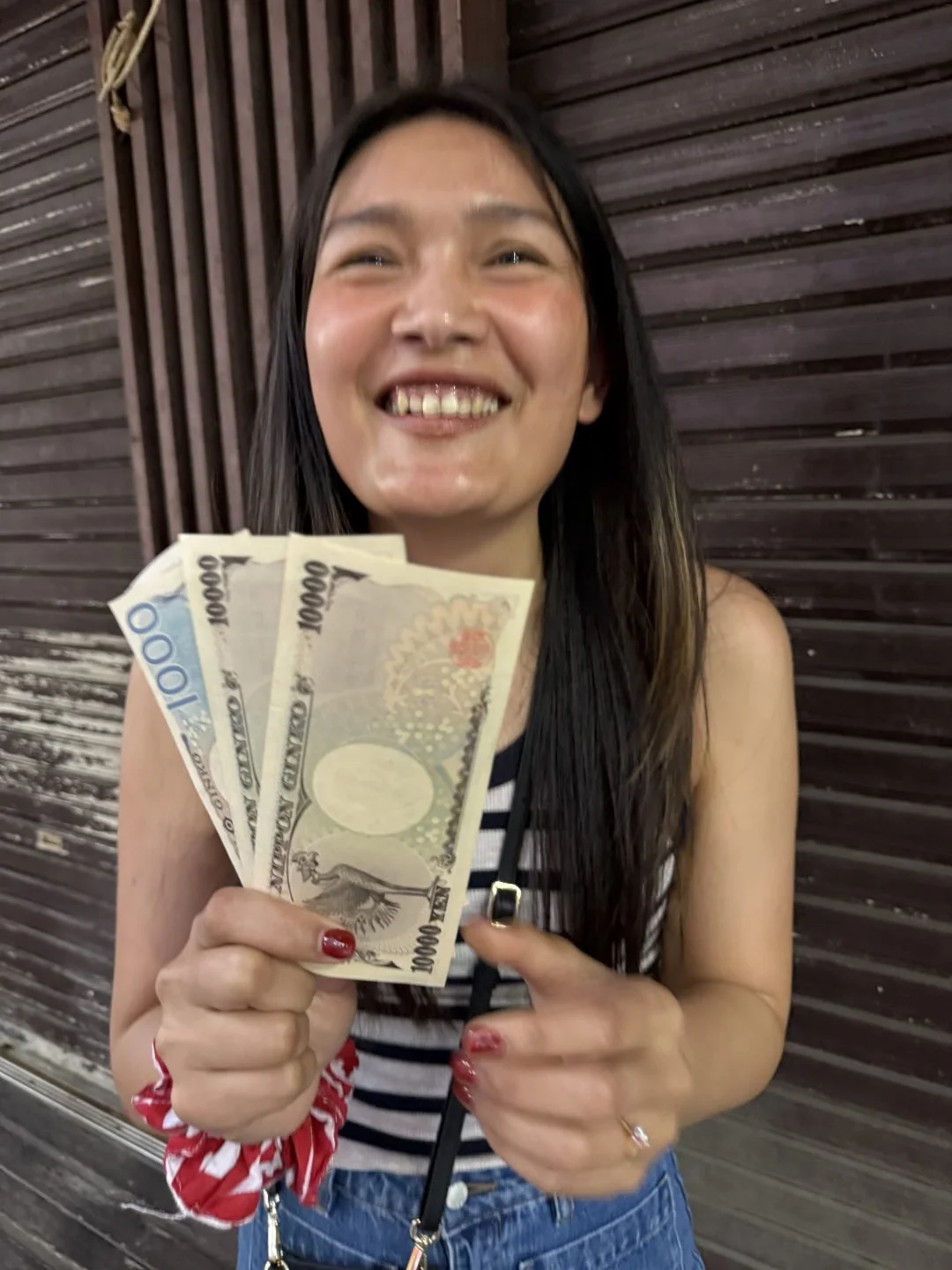
Japanese Yen
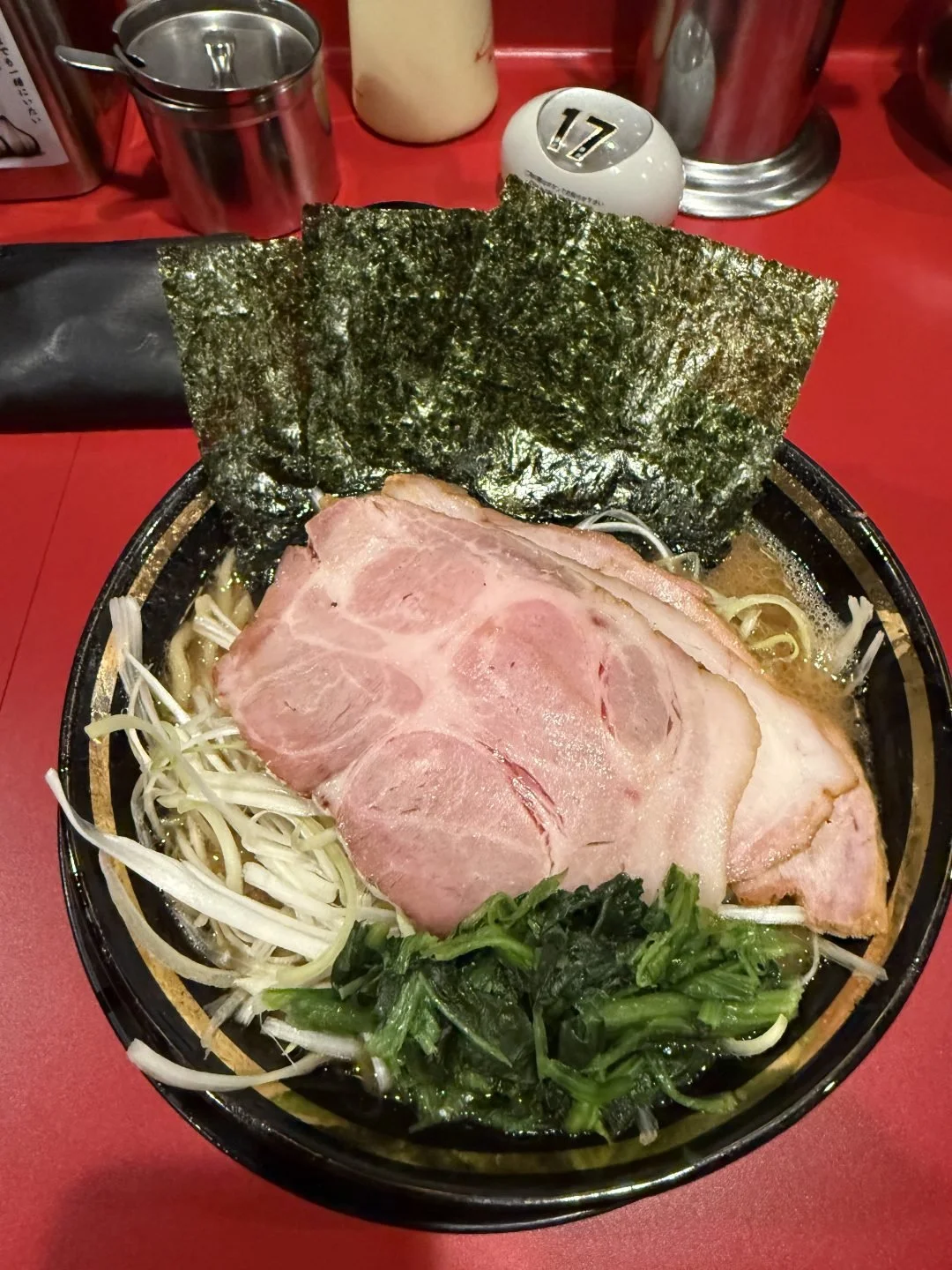
Delicious ramen in Japan
Comparing the Weather & Different Seasons
Our first trip to Japan took place over “Golden Week” - a period in spring (April 29 - May 5) that clusters four public holidays together. This was a lovely time to visit as we got sunshine every day and the temperature hovered around 20°C. Next time we went at the start of September, at the end of summer, and to be honest the humidity was draining. It also rained a lot which put a dampener on some of the scenery, apart from in Kyoto which actually looked quite cool in the rain with its dimly lit streets.
Japan definitely has four distinct seasons, while Thailand is hot all year round and can basically be broken down into a dry vs wet season. We recommend visiting Japan in spring to see the cherry blossoms, unless you’re heading up to Hokkaido in search of powder. In that case, you’ll obviously want to come in the winter months of January or February. Summer can also work, particularly for the prefecture of Okinawa.
The best months for Thailand travel are normally November to April, when you get clear days and calm seas for island hopping. To combine both countries on the same trip, the smartest strategy is to visit Thailand in March and then arrive in Japan in early April when the cherry blossoms are in full swing. One weather tip we really want to stress for Japan is: don’t underestimate just how hot it gets in summer. From our experience, it can feel more stifling than Thailand’s Songkran (Thai New Year) period.
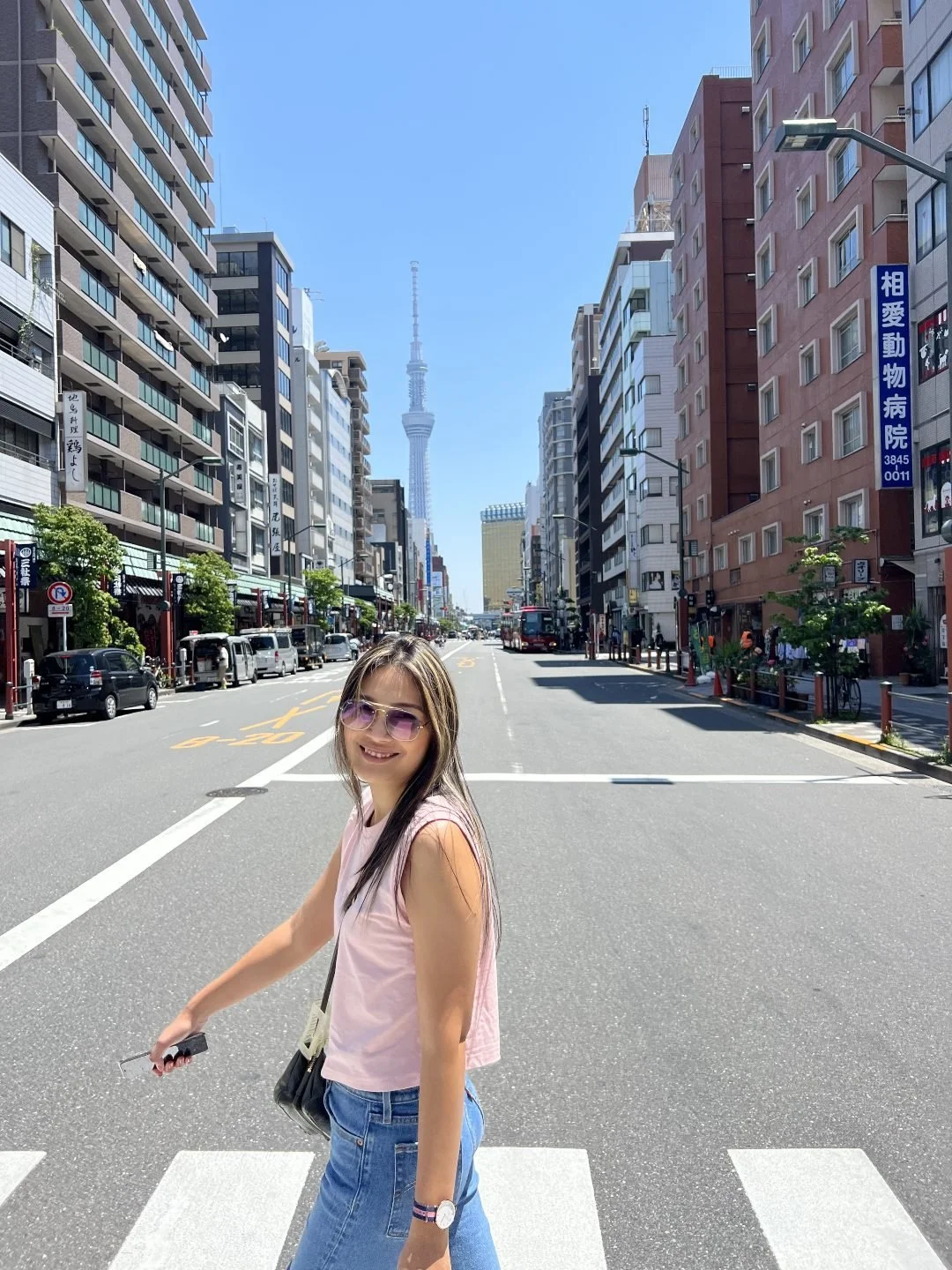
Sunny weather in spring
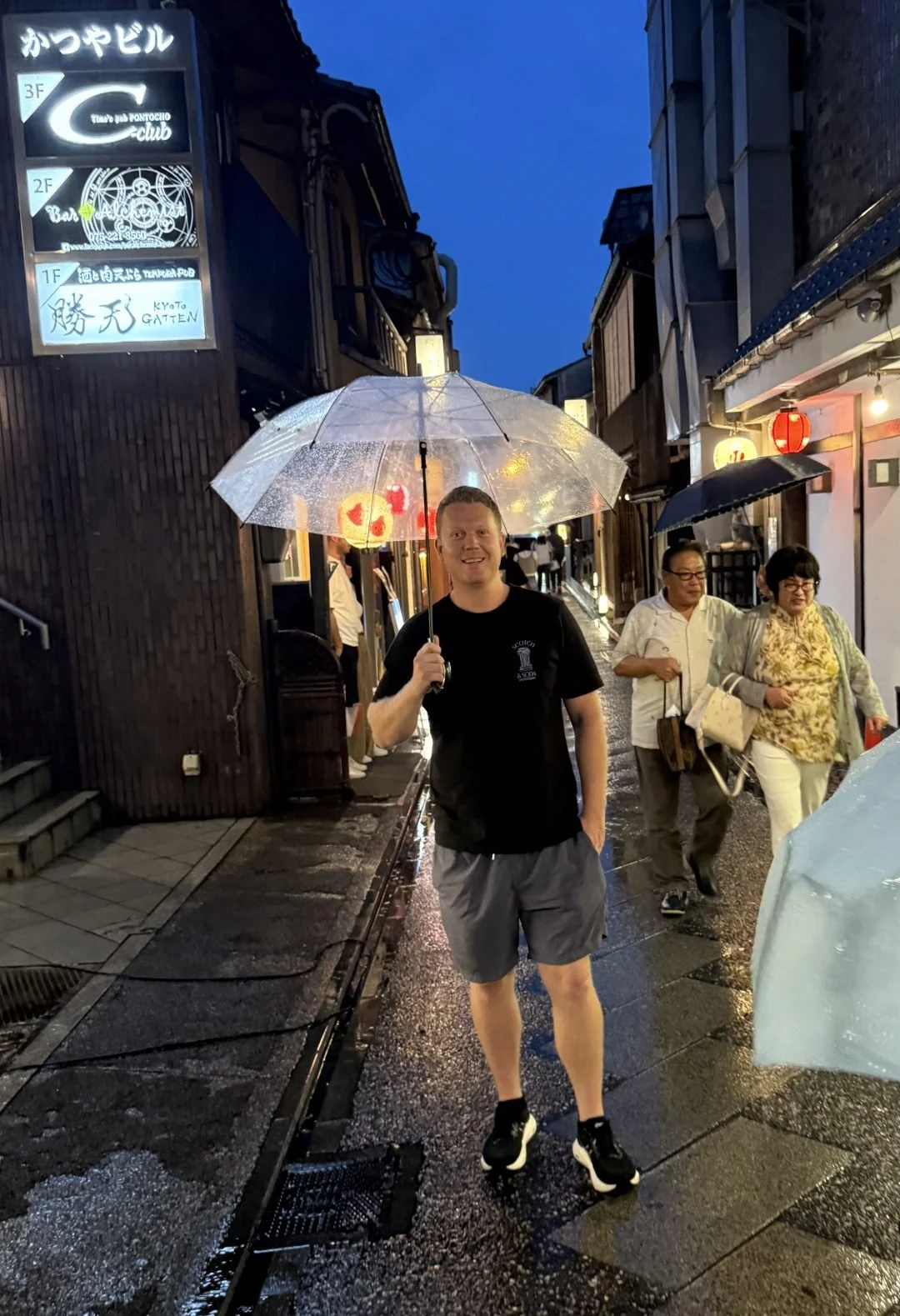
Rainy days in Kyoto
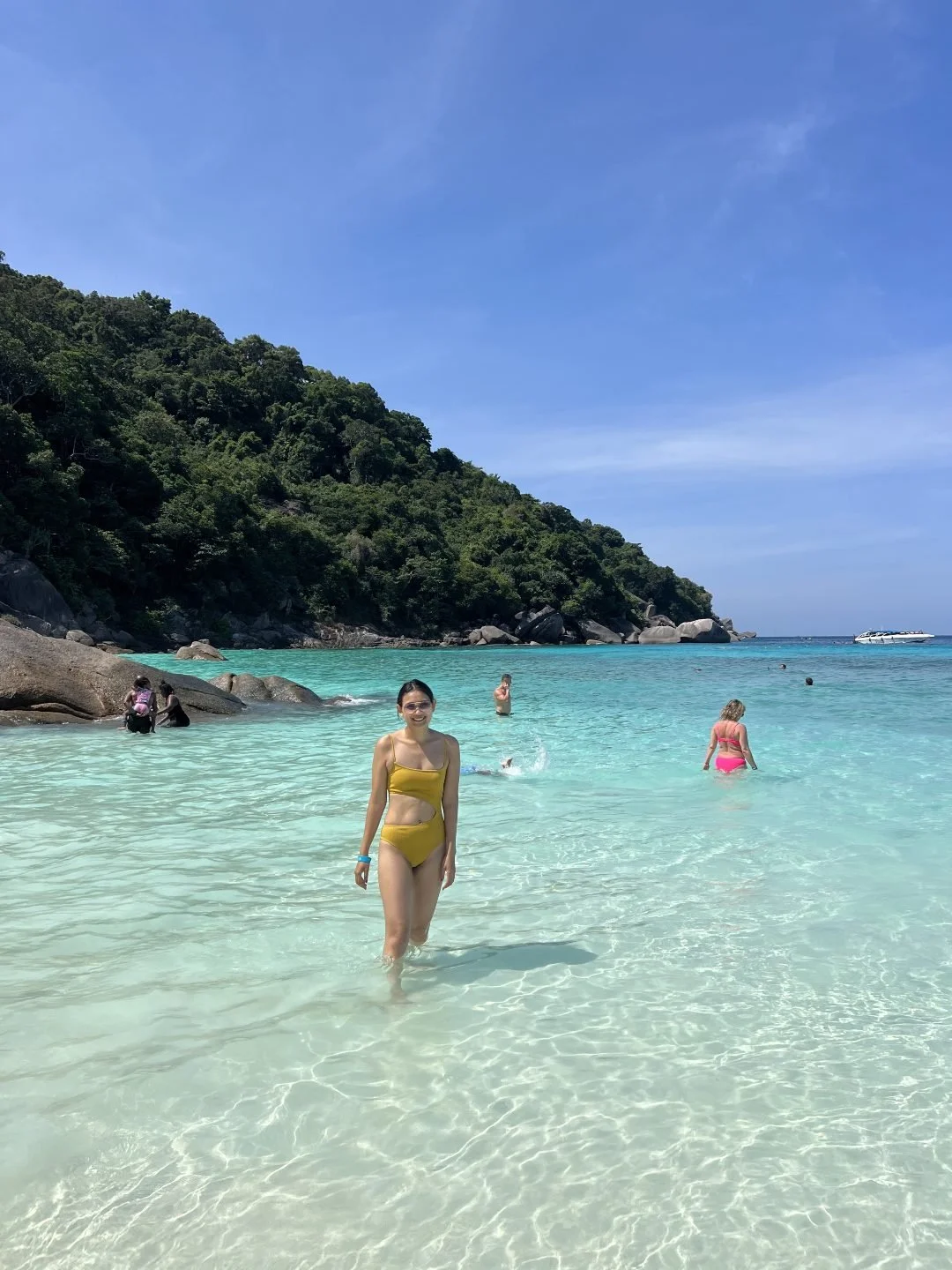
Island hopping in Thailand in February
Is Thailand or Japan Easier to Travel Around?
Traveling long distances in Japan is easy thanks to the efficient train network. You can go from Osaka to Hiroshima in a jiffy and even getting to remote places like Sapporo can be done on a series of scenic train journeys. Contrast that with Thailand where domestic flights are often the most convenient option, especially if you’re travelling big distances like Bangkok to Phuket. Even the overnight buses in Japan are fantastic. We took the bus from Osaka and they sectioned off the passenger area with curtains so we could all sleep. It’s little touches like that which make Japan so special.
The public transport in Japan runs like clockwork - it’s a sight to behold. You can buy a non-reserved seat (the cheaper ticket) for the Tokyo-Osaka bullet train and then wait for a train with an available seat, as they arrive one after the other every 10 minutes or so. The subway system in the cities is also hyper-punctual despite being heavily crowded during rush hour.
This isn’t to say the public transport in Thailand is terrible. Bangkok, for one, has a pretty decent MRT and BTS rail network but it’s certainly not as impressive as Japan’s. Thailand stands out more for its unique local options such as the tuk-tuk, songthaew and “Win” motorbike. And there’s something to be said for its well connected ferry and boat tour routes. You can reach far-flung islands like Koh Rok and Koh Haa effortlessly.
All things considered, getting around Thailand is less streamlined than Japan but it’s a bargain price-wise. We couldn’t believe how exorbitant a quick taxi to the airport cost us in Japan: $50 USD for 20 minutes. So, on another occasion, we tried getting to the airport via the Tokyo subway and this just created another headache. The commuter carriages were so full that we had no way of squeezing in with our luggage. In the end, we had to wait for three or four trains to go by and almost missed our flight.

Catching the train in Japan
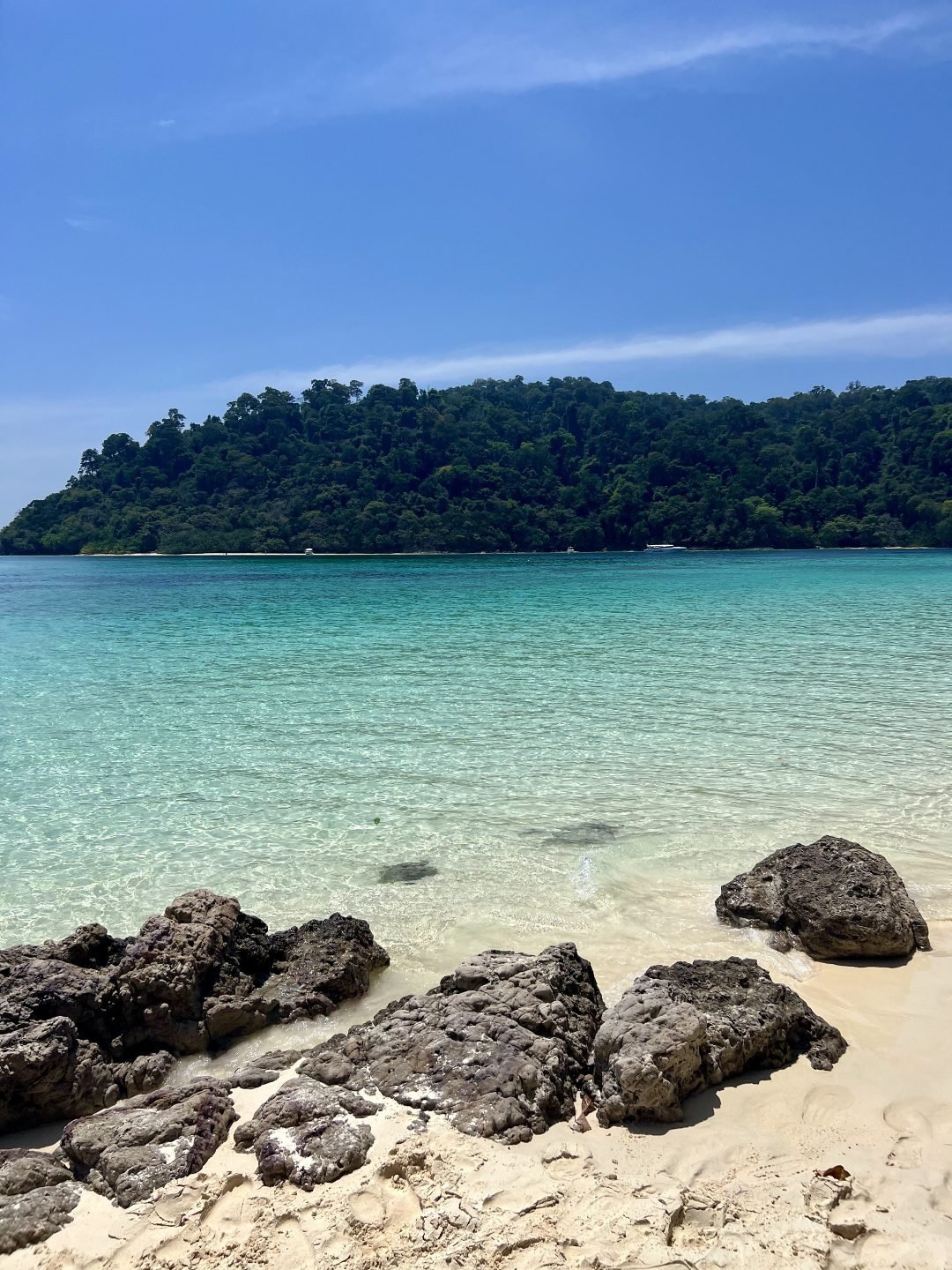
Koh Rok, Thailand
What the Local Culture & Vibe is Like
Thailand is a predominantly Buddhist country, a religion practiced by over 90% of the population and woven into many aspects of daily life. However, not many people know that Japan is also Buddhist in its own unique way. Throughout Japanese history, Buddhism and the native Shinto belief system have coexisted with many people incorporating elements of both into their lives. That being said, much of Japan is secular these days and views these practices as cultural traditions rather than strict religions.
You’ll see examples of these spiritual identities in the amazing architecture of both countries. Thailand, of course, is home to a wide range of dazzling temples - from Wat Pho in Bangkok to Wat Si Chum in Sukhothai. While Japan, to our surprise, boasts some of the most awe-inspiring temples we’ve ever seen. The Buddhist temple in Nara called Todai-ji really blew us away, and we also loved the calm and elegant atmosphere of the Kennin-ji Temple in Kyoto famous for its black-and-white dragon paintings.
Japan, in general, has a very peaceful vibe. We remember saying to ourselves how serene it would be to live here. That’s mainly due to the polite and respectful local customs. It’s incredible to see how quiet people are on the trains, how clean the streets are, and how you’re greeted at the restaurants with an enthusiastic “irasshaimase” (welcome). Even the deer will sometimes bow, which is something we witnessed in Nara Park.
This doesn’t mean Japanese people don’t know how to have fun, quite the opposite in fact. We saw kids playing baseball in the parks, joined a “rock, paper, scissors” competition in Osaka, and witnessed go-karts zooming through the streets of Tokyo. Some consider the Japanese to be cold but this certainly wasn’t our experience. If you go drinking at the little “hole in the wall” bars, you’ll be able to rub shoulders with the locals and see how boisterous the night becomes. It’s so easy to make new friends.
The same can be said for Thai people, who just ooze warmth wherever they go. There’s a certain “mai pen rai” (no worries) attitude that permeates Thailand, something that contrasts starkly with Japan. This can lead to things like “island time” and chaotic markets but if you embrace the lack of structure, it gets under your skin in the best way possible. Thailand’s more rugged vibe suits backpackers searching for a sense of freedom, while Japan’s modern comforts appeal to travelers who value convenience.
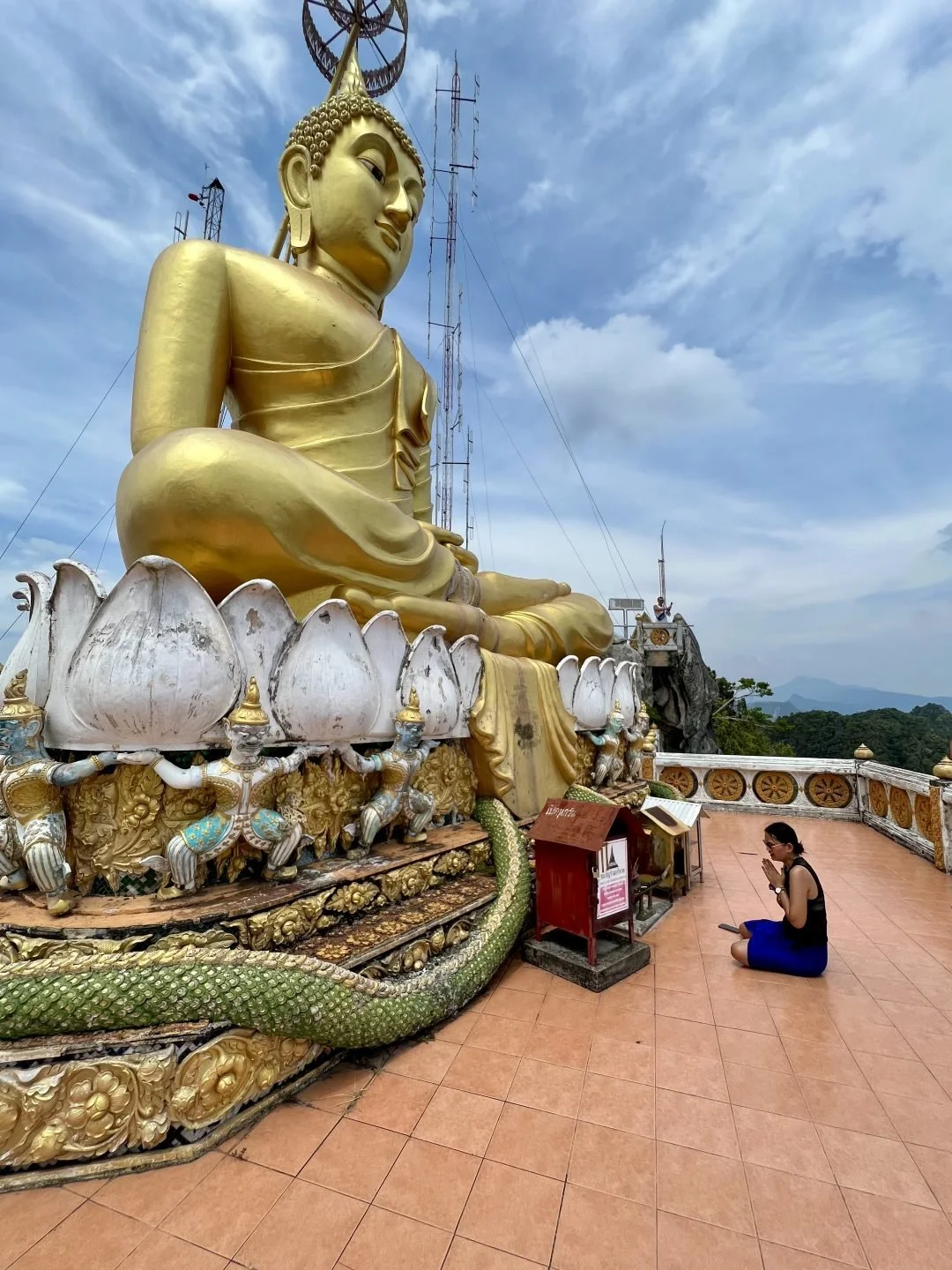
Buddhist temples in Thailand
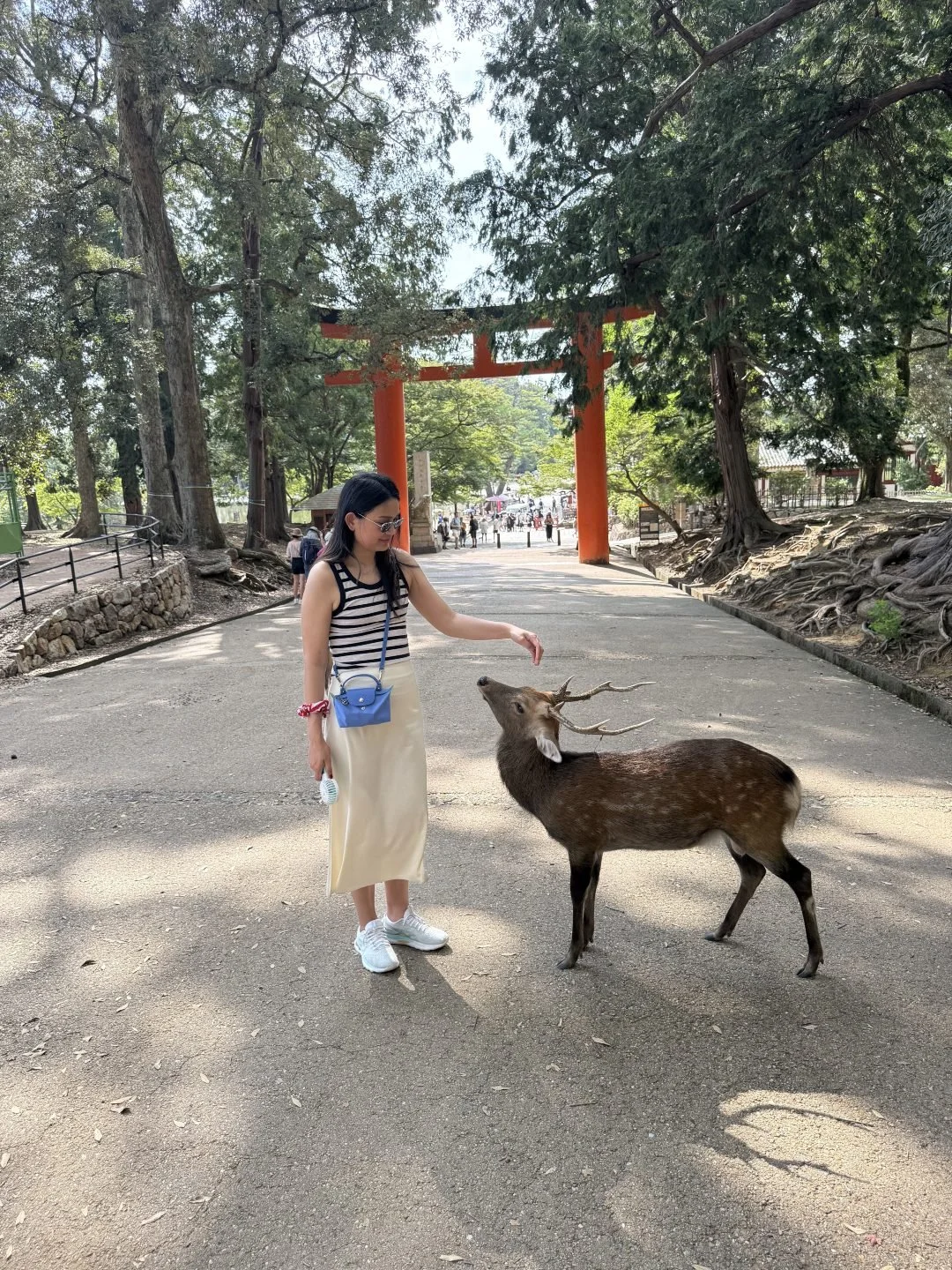
Nara Park
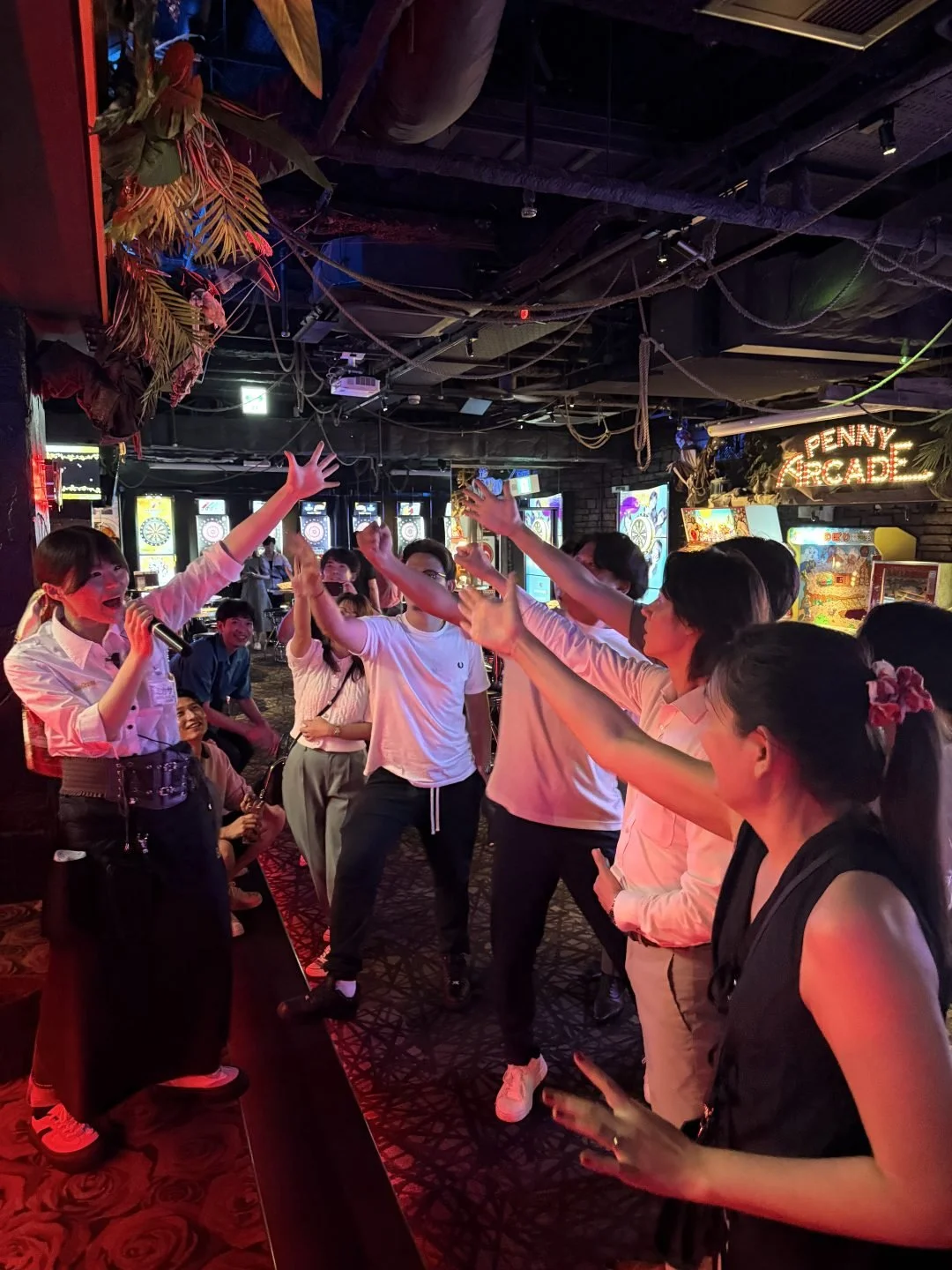
Kat playing “rock, paper, scissors”
Thai vs Japanese Food: Which is Better?
Foodies will find themselves in heaven in Thailand and Japan - the quality and diversity of the cuisine is extraordinary. These two countries share a passion for seafood, seen in the fresh Sashimi and giant rock oysters of Japan and in the steamed crab and grilled fish of Thailand. They also love a good BBQ: Yakiniku and Mookata respectively. Japanese beef is legendary while Thai pork sizzling on the grill just pairs perfectly with their famous dipping sauces. We actually developed a liking for grilled beef tongue in Japan. It sounds strange, but the texture is irresistibly juicy and tender.
The beef in Japan is world-class, head and shoulders above what you can find in Thailand, whether you’re after Wagyu sushi or Teppanyaki (where the chef cooks in front of you). However, Japanese beef is expensive and probably something you won’t be able to justify every day. We tried Kobe Beef (in Kobe) and didn’t consider it great value for money to be honest.
Some of our best meals in Japan actually came from unassuming local restaurants. Cam had the best tuna of his life at a random eatery in Osaka Station and Kat just enjoyed snacking on Takoyaki (octopus balls), sweet potatoes, and tuna mayo Onigiri from Lawson. That’s how you can eat cheaply here: small meals from bakeries, take-away shops and convenience stores. The “Big Three” Konbini in Japan are Lawson, FamilyMart and 7-Eleven and they all offer enough to keep you sustained throughout the day.
Thailand has plenty of 7-Elevens as well, but we recommend eating the street food instead to save on costs. You’ll find dishes like Som Tum, Khao Soi and Boat Noodles for less than 100 THB a pop. The local meals in Thailand can be painfully spicy though, so just make sure you ask for it “Ped Nit Noi” (a little bit spicy). Apart from wasabi, Japanese cuisine doesn’t have that same kick and for that reason we prefer the food in Thailand.
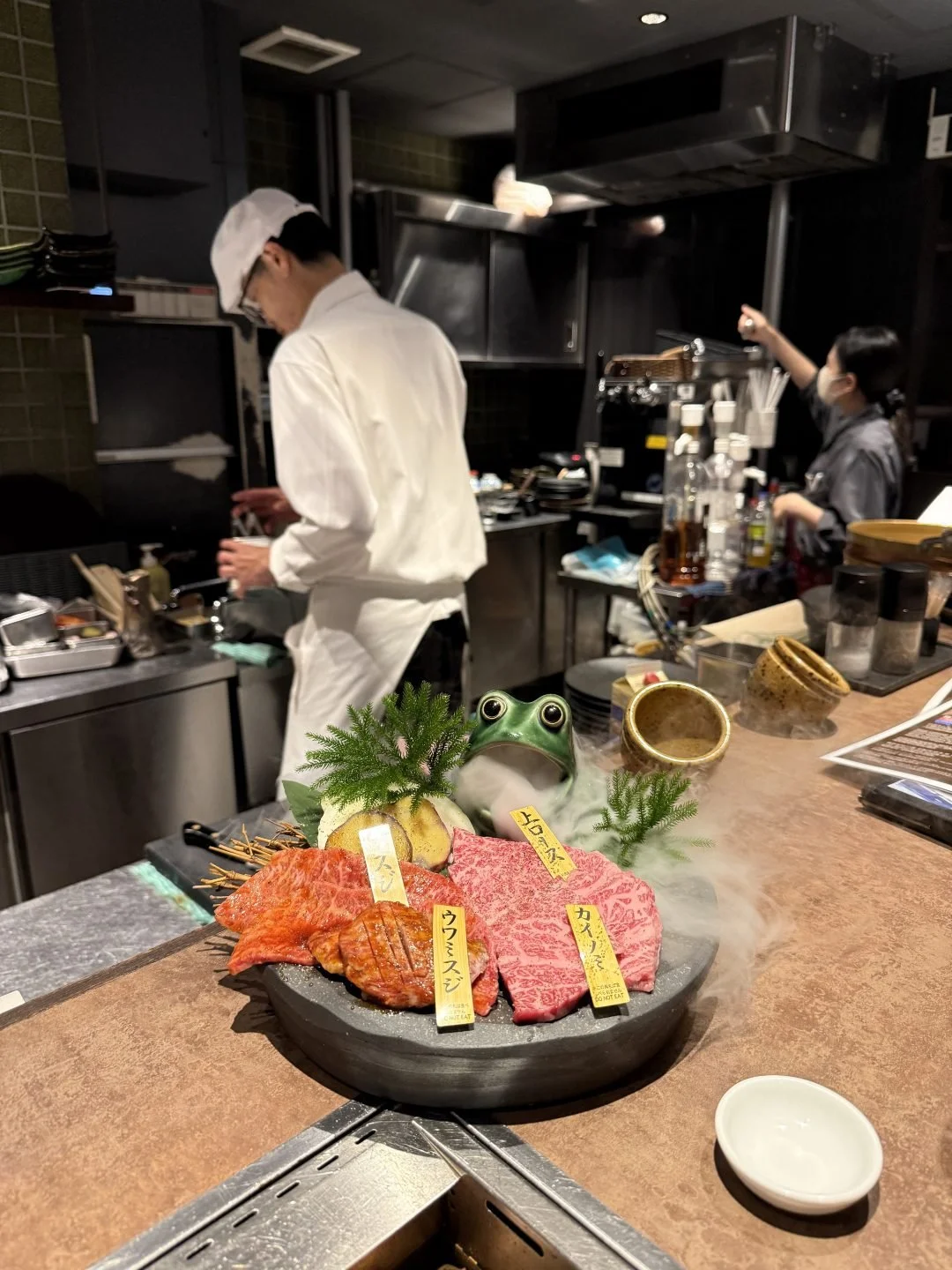
Beef in Japan
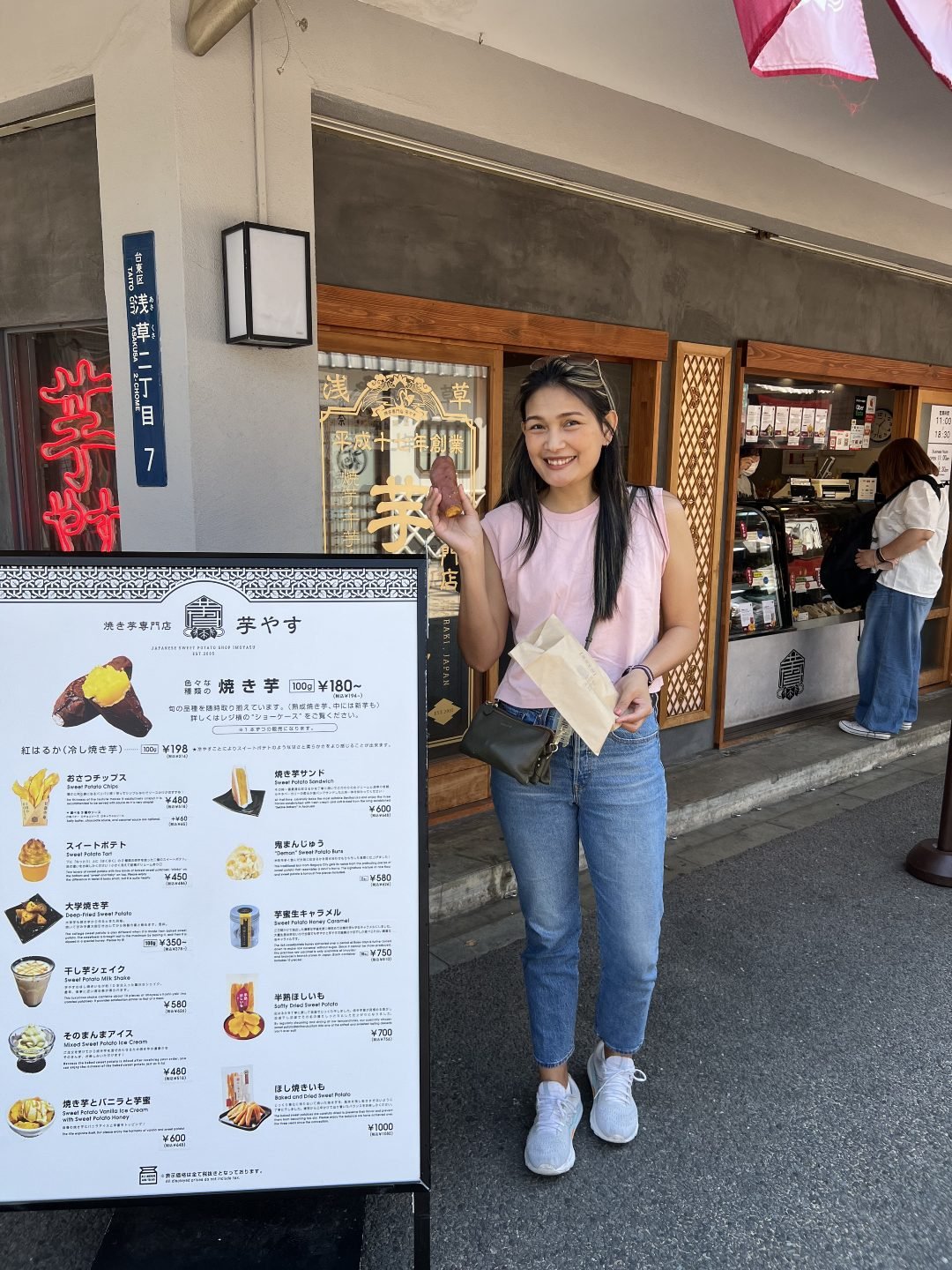
Kat eating sweet potato
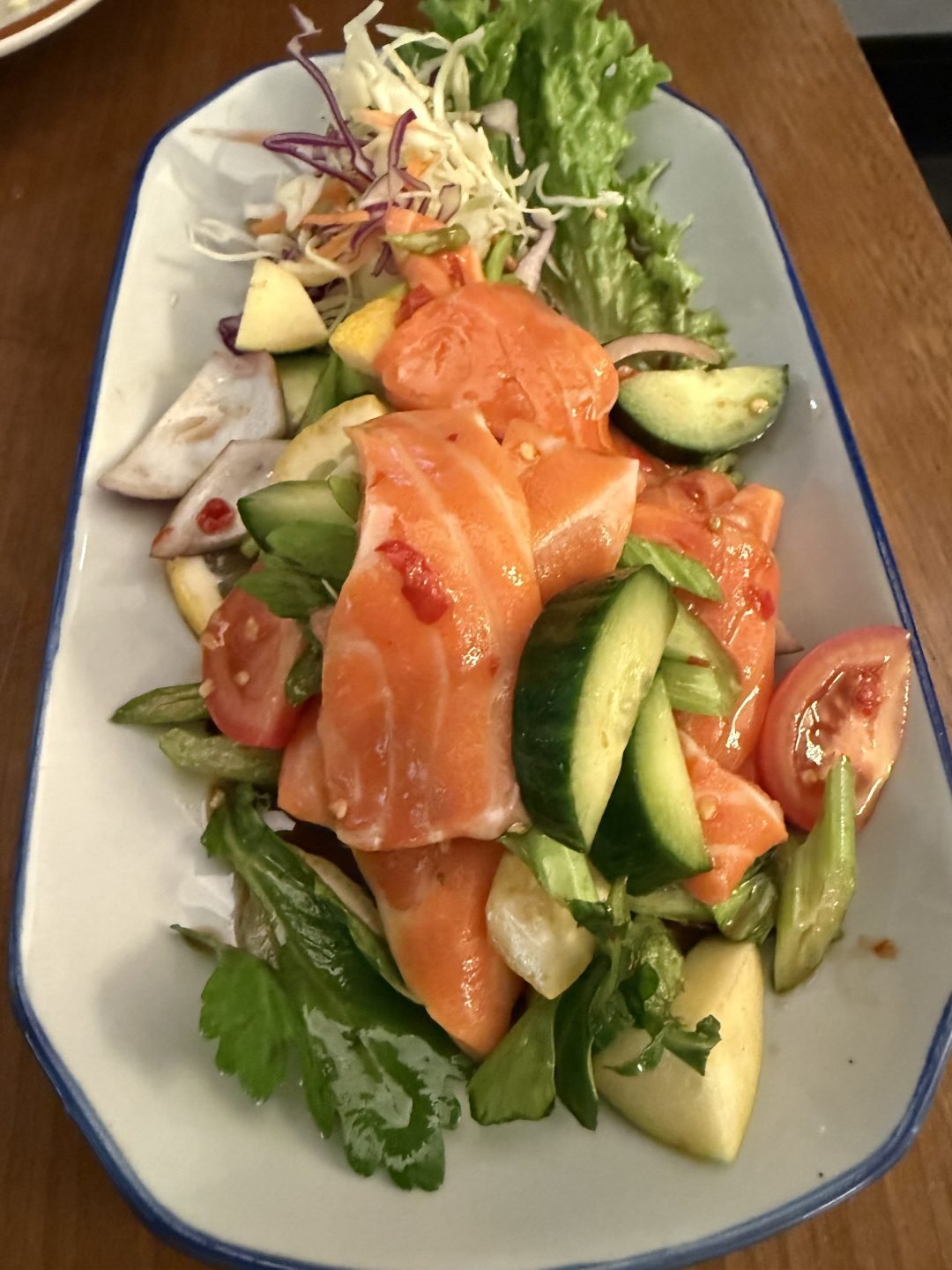
Spicy salmon salad, Thailand
How the Cities & Cultural Capitals Compare
One place that slightly underwhelmed us in Japan was Tokyo. Some of the sites are awesome and it’s very orderly for a massive city, but it didn’t have the same energy as Bangkok. We preferred Osaka with its bustling Dotonbori district and nearby temples like Katsuoji. Cam’s friend lives in Osaka, so this is where we had more authentic experiences you could say.
When we first arrived, we headed straight to a bar and Cam’s friend surprised him with a side order of whale bacon. Cam had no idea what it was but eventually he caught on to the joke. It didn’t taste foul, however it’s something we wouldn’t try again as we know how controversial the topic of whaling is. Later on we explored Osaka Castle, did a bit of shopping, and hit up a karaoke bar. Osaka just has more soul than Tokyo in our opinion.
Although, our favorite city in Japan was Kyoto and we believe it’s better than Chiang Mai (a similar cultural capital). It only takes 30 minutes to reach from Osaka by train and the vibe is enchanting. We pulled an all-nighter in Kyoto on our first visit and caught the train back at 5:00 AM, only stopping for a brief nap at one of those Internet cafe hotels.
As soon as we arrived in Kyoto, we walked past a flashing pachinko parlor and decided to give the game a try. We didn’t know how to play but a friendly local sitting beside us taught us the rules. It was a Kyoto miracle because we ended up winning. Our machine made all these weird noises, and kept giving us more balls, and we were sitting there in disbelief. Other players walked by and shouted “woah” in that typical Japanese way.
We took our tokens to the booth just around the corner from the parlor and traded them for a total of ¥45,000 ($300 USD). This kicked our trip off with a bang and made for a pretty memorable first night in Kyoto. We’re not advocates of gambling at all, but trying pachinko gave us a glimpse into one of the country’s more unusual forms of entertainment.
The next time we visited Kyoto, it was a much more peaceful stay. We booked a few nights at the cosy Akatsuki Villa and explored the beautiful Gion district, took walks along the river, visited the Arashiyama Yusai-Tei Gallery, and checked out the Golden Pavilion. While Chiang Mai has a similar relaxing atmosphere, there’s something different about Kyoto.
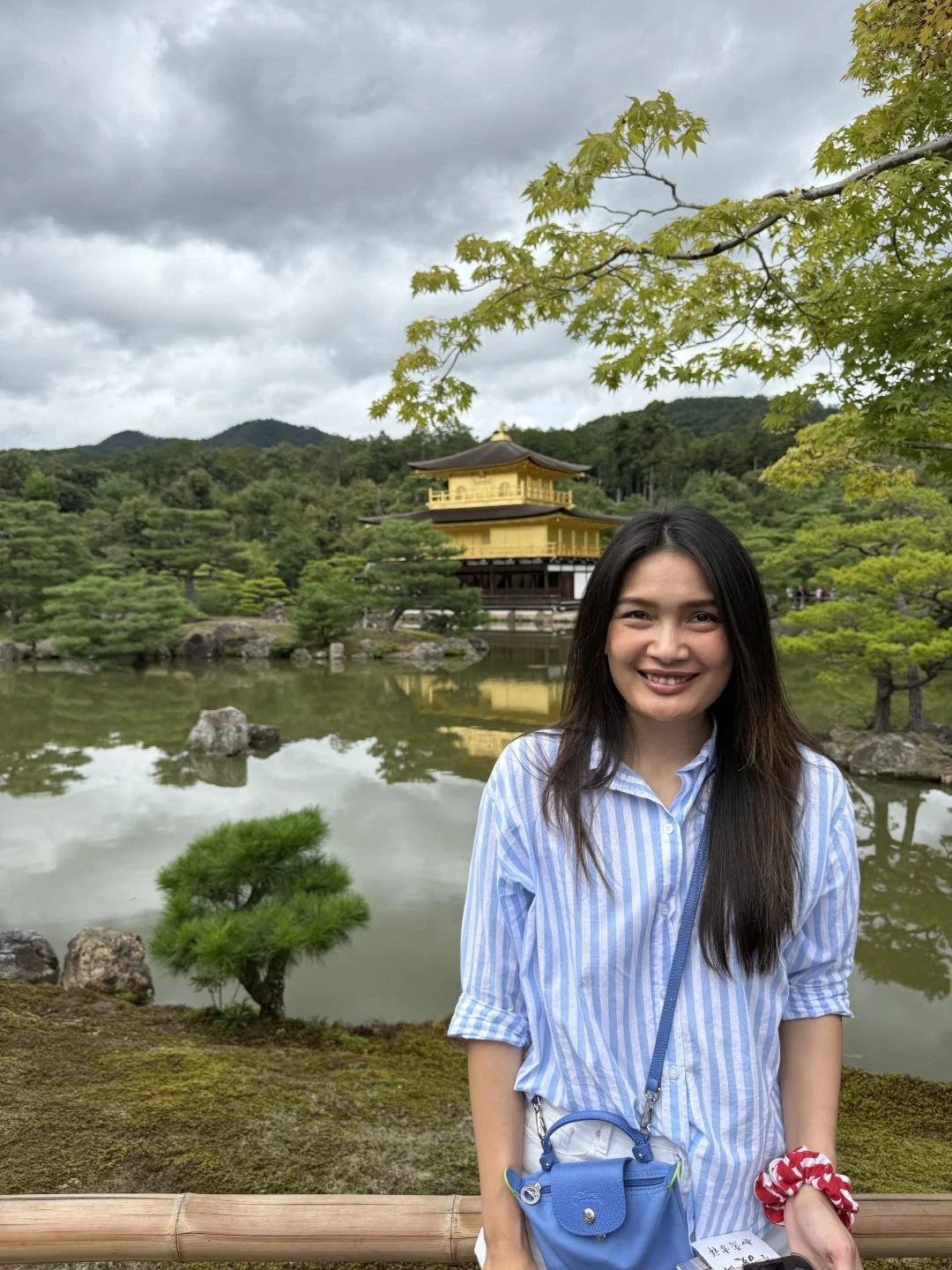
Golden Pavilion, Kyoto

Charming streets of Kyoto
Does Thailand or Japan Have More Natural Beauty?
The biggest drawcard for Thailand over Japan is its array of beautiful, tropical islands dotted throughout the south. Of course, the Okinawa Islands can compete in terms of pristine shores and crystal-clear waters but there are fewer options to choose from. Places like Koh Tao, Koh Ngai and Koh Kood just suit beach-bums to a tee. Where Japan beats Thailand is its seasonal activities: from soaking in Kyushu’s onsens in winter, to capturing the autumn leaves in Arashiyama, to hiking Mt. Fuji in summer.
Both countries have their fair share of charming mountain towns, Chiang Dao and Mae Kampong in Thailand’s case and Takayama and Shirakawa in Japan’s. And both boast jaw-dropping landscapes, whether we’re talking about Khao Sok National Park or Nikko National Park. So making nature your deciding factor really boils down to taste and personal preference.
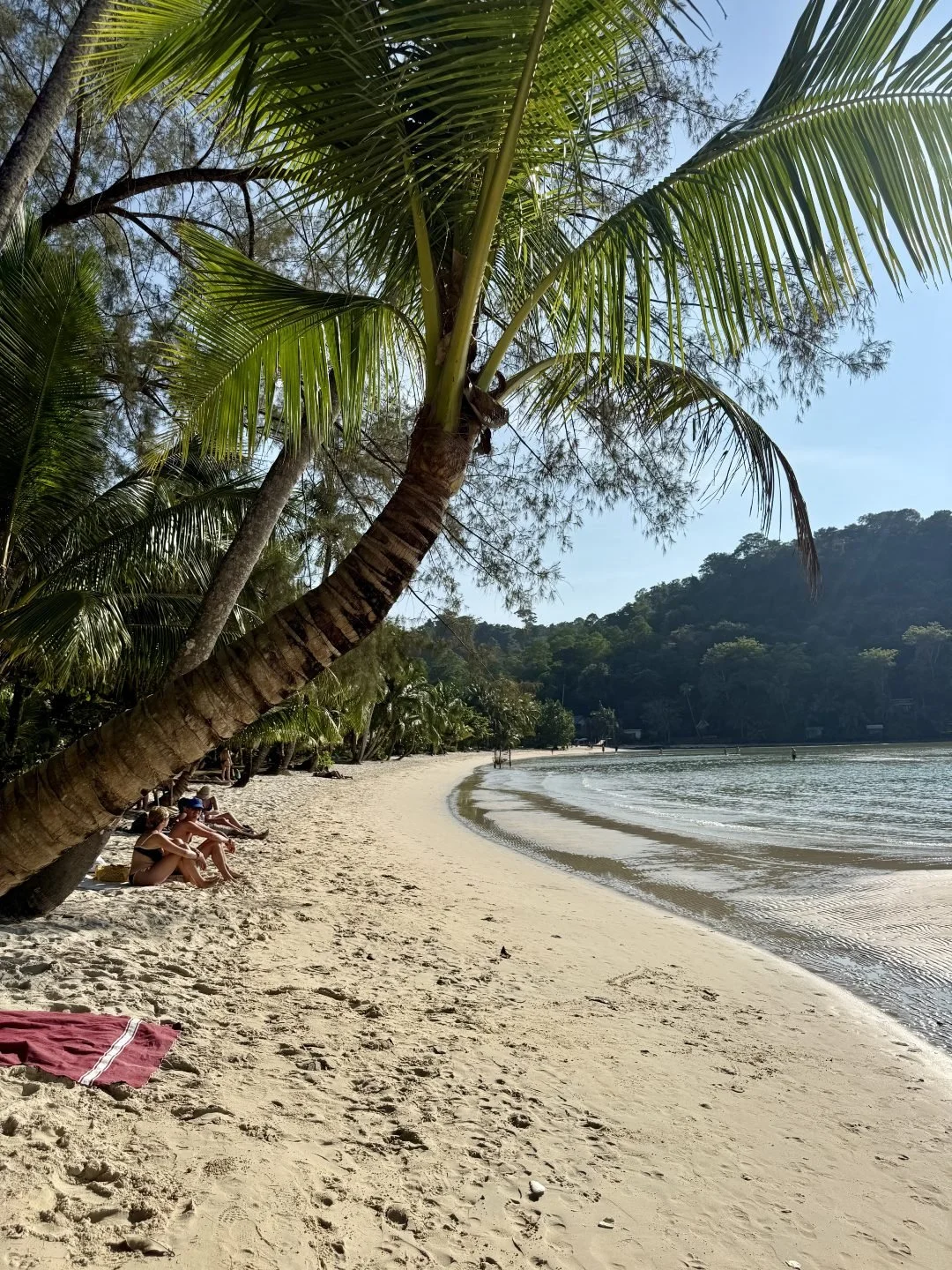
Koh Kood, Thailand

Khao Sok National Park, Thailand
FAQs for Thailand vs Japan Travel
Do they speak more English in Thailand or Japan?
People can speak basic levels of English in the touristy areas of both Thailand and Japan, enough to easily check you into your hotel and organize your tickets at the train stations. But outside of that, we were surprised by how little the locals of Japan speak English compared to Thailand. Using apps like Google Translate can help, and a few “arigato gozaimasu” (thank you very much) and “kanpai” (cheers) never goes astray.
Is Thailand as technologically advanced as Japan?
Thailand is progressing fast on the technology front with things like mobile payments via QR codes (connected to Thai bank accounts). Yet, it pales in comparison to what you see in Japan. We were staying at a hotel in Tokyo once and woke up to an earthquake alarm in the middle of the night. We barely felt the tremor but it was impressive to see the technology work so well.
We’ve also stayed at a place called Henn na Resort & Spa Kansai Airport where the entire check-in process is run by robot dinosaur receptionists. You can even talk to them in your preferred language. It was bizarre, almost as strange as Japan’s high-tech toilets which are confusing to use. There’s so many bells and whistles that it’s hard to find the flush button.

Dinosaur robot at Henn na Resort & Spa
How does Japan compare with Bali and Vietnam?
If Japan is out of your budget but you’d still like to visit other destinations in Asia (aside from Thailand), we recommend traveling to Vietnam. This country is super cheap and one of the best value for money places on Earth. Another budget-friendly alternative is Bali, where you can find luxury pool villas for affordable rates. Don’t let the price put you off Japan though: it offers a compelling mix of tranquility and entertainment.
